



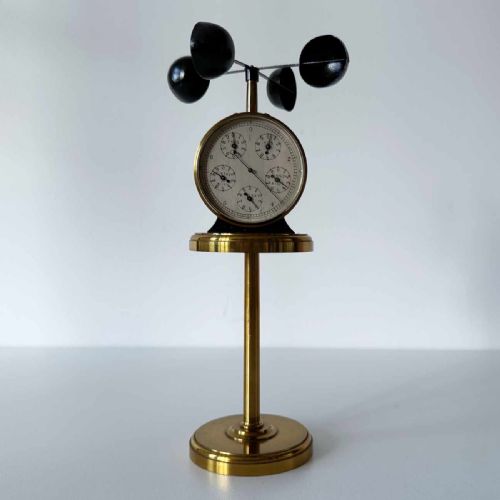


Vintage Meteorological Instrument
These vintage meteorological instrument examples track pressure, wind and temperature with precision, offering tangible domestic science for the study and hall.
Vintage Meteorological Instrument
A vintage meteorological instrument comprises barometers, barographs, anemometers and thermometers designed to record atmospheric conditions across the nineteenth and twentieth centuries. When searching for a vintage meteorological instrument, buyers encounter functional scientific apparatus housed in domestic cabinetry.
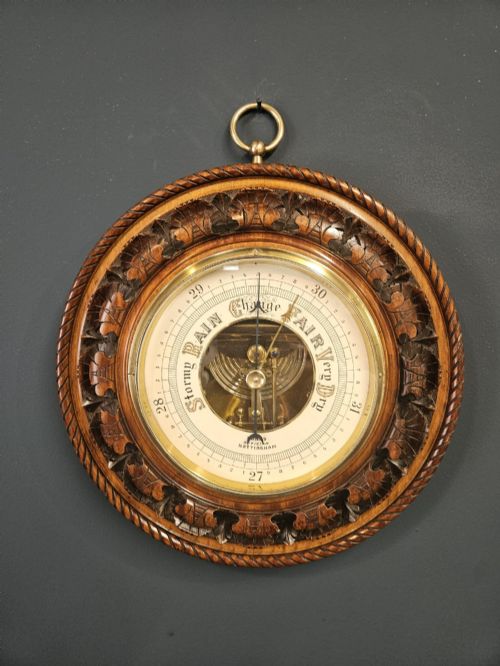
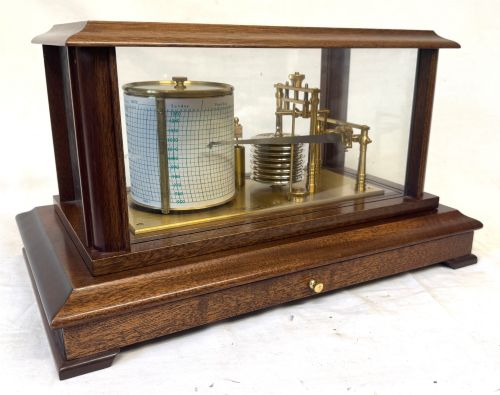
The selection ranges from Victorian carved skeletonised aneroid barometers and Admiral Fitzroy barometers to Edwardian barographs and mid-century weather stations. Oak, mahogany and walnut cases protect the delicate mechanical works housed inside bevelled glass covers.
Makers from London, Newcastle, Norwich and Paris produced these devices during periods spanning the Victorian era through the interwar years. Examples include specialised equipment like Lind pattern anemometers and sunshine recorders.
How they were made
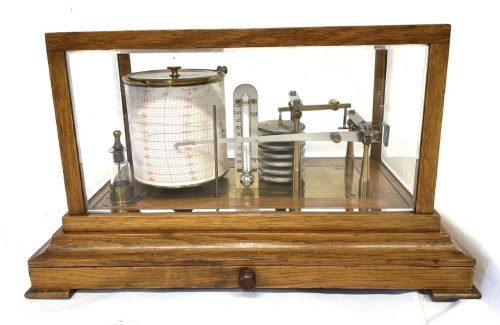
Casing construction relies on traditional cabinet timbers including oak, mahogany, walnut, rosewood and carved fruitwood, often fitted with chart drawers and bevelled glass panels. Metal components utilise brass and steel to build the intricate internal linkages, dials and pivots.
Paper charts record barometric pressure within clockwork barographs, while engraved paper scales detail weather conditions on aneroid barometers. Mother-of-pearl inlay and brass fittings decorate the exterior housings of wheel and banjo barometers.
Vintage Meteorological Instrument Retail Price Guide 2026
Typical asking prices for vintage meteorological instrument among the pieces listed under this phrase on Sellingantiques today, from the lower quarter to the upper quarter. They describe what is for sale here now, not the wider market.
Listings feature oak, mahogany and walnut cases housing brass movements from the Victorian, Edwardian and interwar periods.
What varies in quality
Quality depends upon the complexity of the mechanism and the integrity of the housing, distinguishing standard production models from signed workshop pieces. Makers such as Short & Mason or Negretti & Zambra command attention through superior engineering and finish.
The sophistication of the casing, from simple light oak boxes to elaborately carved skeletonised walnut frames, dictates the decorative presence of the instrument. Complete survival of original paperwork, charts and matched thermometer attachments elevates the standing of individual pieces.
Short & Mason, London·Negretti & Zambra·J Hicks of London·Jules Richard of Paris·Depree and Young Ltd Exeter
The Vintage Meteorological Instrument Glossary
- Aneroid barometer
- A device that measures atmospheric pressure without liquid, using a flexible metal box. Changes in pressure cause the box to expand or contract, moving an indicator needle.
- Barograph
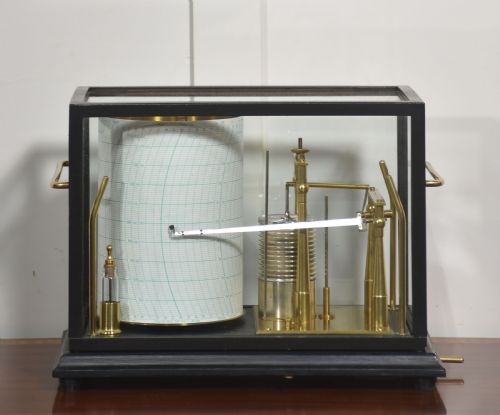
- A self-recording meteorological instrument that plots barometric pressure over time onto a rotating drum. Paper charts record these continuous atmospheric variations.
- Anemometer
- An instrument used for measuring wind speed and direction. Wind pressure turns rotating cups or vanes connected to recording dials.
- Atmos barometer
- A self-winding clock-like barometer driven by changes in temperature and atmospheric pressure. This mechanism requires no manual winding or batteries.
- Sunshine recorder
- A meteorological device that uses a glass sphere to focus sunlight onto a graduated card. The resulting burn trace measures daily sunshine duration.
Vintage Meteorological Instrument: Frequently Asked Questions
How do I read a barograph chart?
The rotating drum holds a paper chart marked with days of the week and pressure lines. An arm connected to the aneroid barometer stack moves up and down across the paper to record weather trends.
Rising lines indicate improving weather, while falling traces point towards storms or rain. Replacing the chart weekly keeps the clockwork movement functioning correctly.
What is an Admiral Fitzroy barometer?
Designed in the nineteenth century, this combination instrument includes a storm glass, thermometer and standard barometer. Admiral Fitzroy developed these systems to help coastal communities predict maritime weather.
Chemical mixtures inside sealed glass tubes respond to atmospheric changes to forecast storms. Oak or mahogany backboards carry instructions and readings for local observers.
Where should I place a vintage barometer?
Keep wooden cased weather instruments away from direct sunlight, radiators and damp walls to protect the timber and internal movements. Stable indoor environments prevent the wood from warping and the brass mechanisms from tarnishing.
Wall mounting requires secure fixings, particularly for heavy oak and walnut barograph cases. Tabletop models need level surfaces to ensure accurate pendulum or needle balance.
How do I identify the date of an instrument?
Examine the style of the timber case, dial typography and maker signatures to determine the period of manufacture. Victorian pieces often feature heavy carved woodwork, whereas Edwardian and interwar designs lean toward simpler light oak or mahogany housings.
Original paper labels, patent marks and maker inscriptions inside the chart drawer provide exact chronological clues. Comparing the mechanics to known workshop timelines confirms the era.