
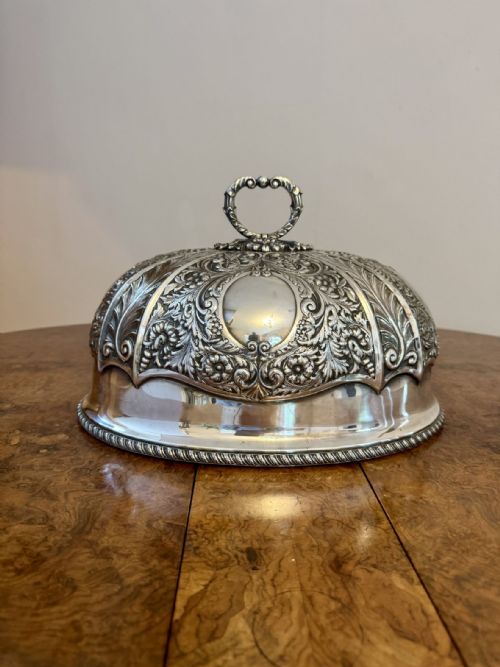


Vintage Meat Serving Plate
A vintage meat serving plate brings substance to the table, offering generous proportions and transfer-printed scenes for traditional dining.
Vintage Meat Serving Plate
A vintage meat serving plate represents the substantial earthenware, ironstone, and silver-plated platters used historically for presenting joints at the table. These large serving dishes and platters range from nineteenth-century earthenware and ironstone to silver-plated warming dishes and domes.
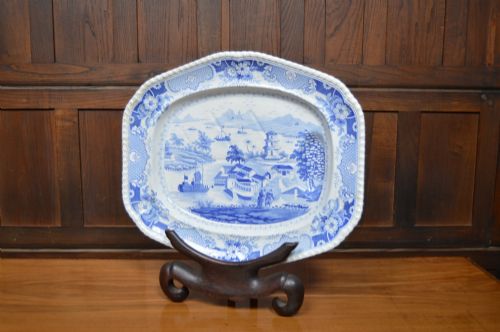
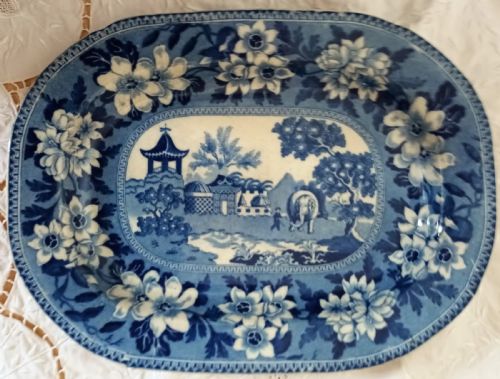
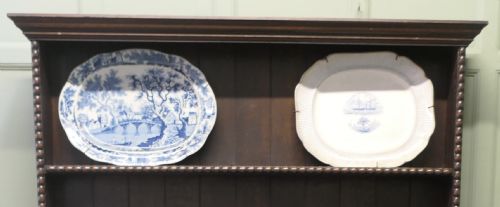
Most pieces encountered here date from the nineteenth century, including Victorian and Georgian periods, often decorated with blue and white transfer printing. Makers such as Mason's Ironstone and John Rogers & Son appear alongside unmarked ceramic and metal examples.
Forms extend beyond flat platters to include dish covers, cloches, and draining inserts designed to hold large cuts of meat. Buyers look to these serving dishes for their decorative presence and historical utility in hosting.
How they were made
Potters shaped these large earthenware and ironstone vessels by hand or in moulds before applying blue and white transfer prints under a clear glaze. Ironstone provided a dense, heavy ceramic body suited to heavy daily use.
Metal pieces utilised copper bases fused with silver in Old Sheffield Plate or employed later silver plating over base metals for meat domes and warming trays. Silversmiths formed these covers by hammering and soldering metal sheets to fit specific platter dimensions.
Nineteenth-century dining required specific ceramics for every cut, yielding platters large enough for entire roasting joints and small enough for game.
What varies in quality
Quality shows in the crispness of the blue and white transfer print and the depth of the ironstone or earthenware body. Finer examples retain clear registration in complex patterns like Chinese Garden or India Temple without blurring.
For metal items, the preservation of the silver plate over Old Sheffield Plate or copper forms the primary distinction. Superior pieces display balanced proportions, robust weight, and original makers' marks.
Henry Wilkinson·John Rogers & Son·Spode
The Vintage Meat Serving Plate Glossary
- Transferware
- Earthenware decorated by applying a printed design from an engraved copper plate onto paper and then onto the ceramic body. This technique allowed intricate patterns like blue and white landscapes to be produced consistently.
- Ironstone
- A patented ceramic body invented in the nineteenth century that combined earthenware clay with slag and feldspar. It created a dense, durable material ideal for large meat dishes and heavy platters.
- Old Sheffield Plate
- A composite material made by fusing a thin sheet of silver to a thicker copper core before shaping. It preceded modern electroplating and leaves a characteristic thin line of copper where edges meet.
- Cloche
- A domed cover used to keep meat warm at the table. These metal covers often matched large serving platters.
- Drainer
- A perforated ceramic insert placed inside a meat platter to allow juices to pool beneath the joint. These pieces frequently appear in Mason's ironstone china.
Vintage Meat Serving Plate: Frequently Asked Questions
How were meat platters used?
These large dishes served roast joints at the centre of the dining table during large meals. Draining inserts and warming trays kept the meat elevated from juices and maintained temperature throughout the service.
Dome covers and cloches were placed over the platters to retain heat until the carving began. Their substantial size accommodated large portions required for household gatherings.
What is Old Sheffield Plate?
Old Sheffield Plate is an early method of fusing silver to a copper base before hammering the combined metal into domestic items. This process creates a durable material with a soft lustre.
Under magnification or around edges, a thin line of copper may be visible where the silver layer terminates. Items like small meat domes and warming dishes frequently utilised this technique.
Can I use these plates for serving food?
Most antique earthenware and ironstone platters remain suitable for serving dry foods and cold meats at the table. Historic glazes may show wear or crazing from age, so hand washing protects the ceramic body.
Metal items like silver-plated trays and warming dishes function well for presentation, though warming mechanisms should be tested gently.