


Vintage Maritime Watercolour
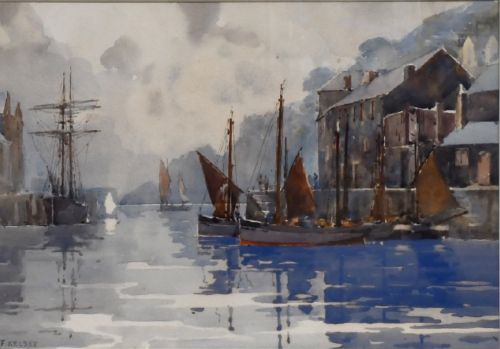
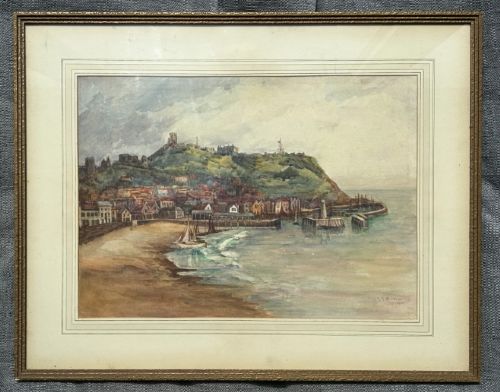
A vintage maritime watercolour brings the movement of coastal harbours and sailing ships directly onto the wall through delicate pigment on paper.
Vintage Maritime Watercolour
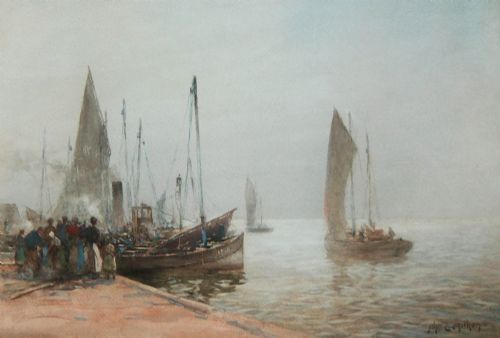
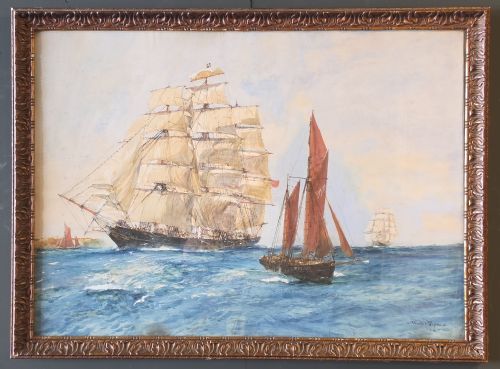
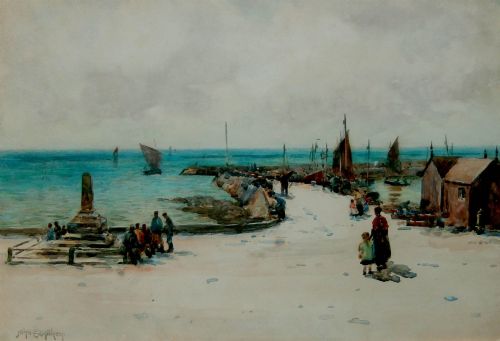
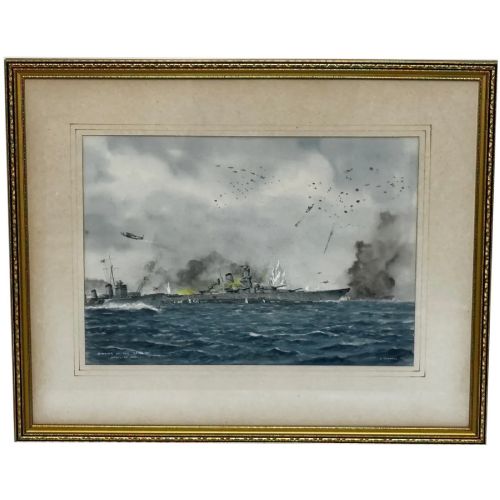
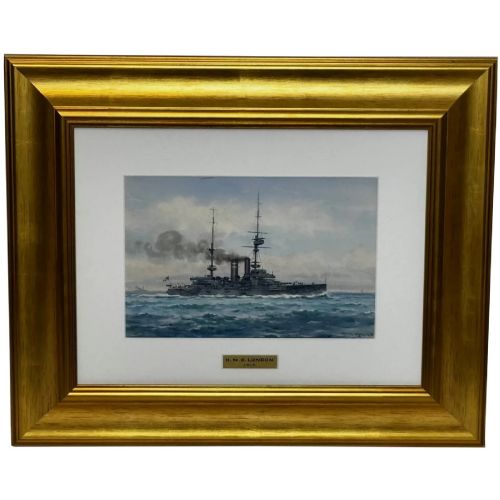
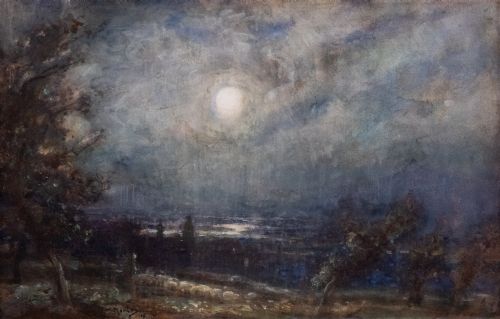
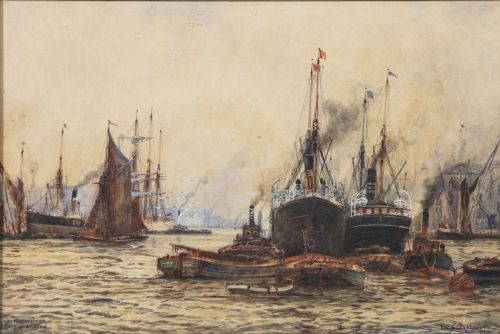
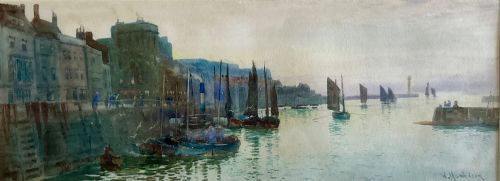
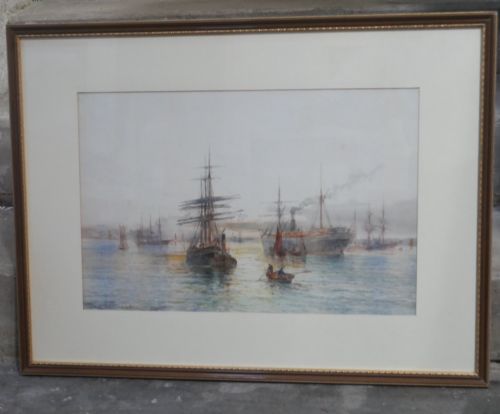
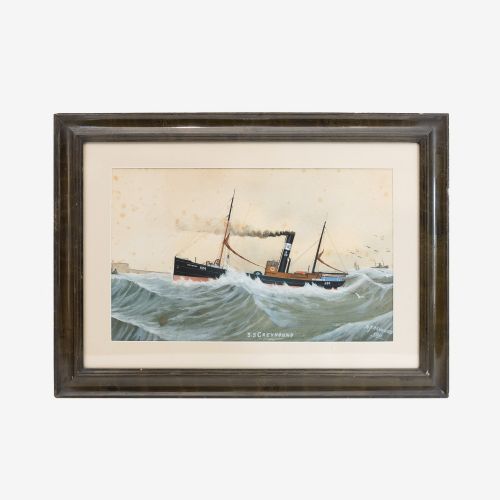
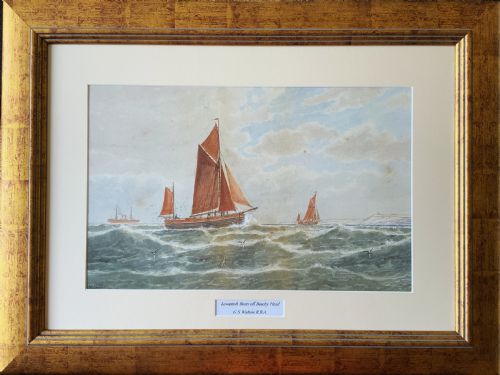
When you search for a vintage maritime watercolour, you examine works on paper that capture coastal landscapes, harbour scenes, and shipping vessels across the nineteenth and twentieth centuries. These paintings record specific ports, naval encounters, and working fishing boats executed by named artists and regional painters alike.
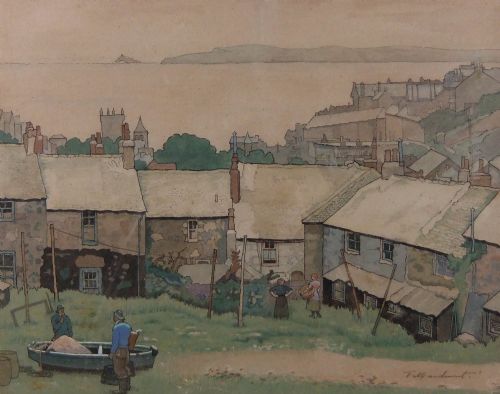
The versions you meet most frequently on this page date from the Edwardian era through the interwar years, framed behind glass in wood mouldings. They range from hurried topographical sketches of Yorkshire and Cornish harbours to detailed depictions of naval vessels and racing yachts.
Materials and technique
These works rely fundamentally on watercolour pigment applied to paper, occasionally supplemented with gouache to build opaque highlights on foam, sails, or clouds. Ink lines frequently provide the underlying structure for rigging, hulls, and architectural details before washes are laid down.
Framing typically involves wood and glass to protect the delicate paper surface from atmospheric moisture and handling. Gilt wood frames appear on more ambitious works, while simpler wooden surrounds suit smaller topographical sheets.
The listings feature watercolours spanning the nineteenth century through the 1960s, executed on paper with ink and gouache.
Distinguishing quality
The success of a piece rests on the artist's handling of atmospheric light and the convincing movement of water. Strong compositions capture the weight of a hull and the direction of the wind through confident brushwork rather than rigid technical precision.
Condition plays a vital role in valuation, as paper is vulnerable to fading from sunlight and discolouration from acidic mounts. Original framing and clear signatures by known marine practitioners elevate the status of a sheet.
Charles Edward Dixon·Thomas Bush Hardy·William Frederick Settle·Edward Seago·Frank Watson Wood
The Vintage Maritime Watercolour Glossary
- Gouache
- An opaque watercolour medium that uses a white pigment binder to create solid, flat areas of colour. It is frequently employed to render highlights on water and clouds.
- Lugger
- A traditional two-masted fishing boat rigged with standing lugsails. These vessels appear frequently in coastal scenes from Cornwall and Yorkshire.
- Topographical
- A style of painting that records actual locations, buildings, and coastlines with geographical fidelity. Many early twentieth-century marine works serve as accurate historical records of working ports.
- Wash
- A thin, fluid application of diluted watercolour pigment across the paper. Artists use expansive washes to establish the atmospheric tones of sea and sky.
Vintage Maritime Watercolour: Frequently Asked Questions
How should I hang a vintage maritime watercolour?
Keep these works away from direct sunlight to prevent the watercolour pigments from fading over time. Standard museum glass or UV-filtering glazing offers additional protection for the paper.
Ensure the room humidity remains stable to avoid warping the paper or encouraging foxing spots. Hang them at eye level on interior walls away from direct heat sources.
Were these watercolours painted outdoors?
Many artists produced quick pencil and watercolour sketches on location at harbours and cliffs to capture transient weather conditions. Finished exhibition pieces were often completed later in the studio using those field studies.
Naval and historical battle scenes relied heavily on technical knowledge and official records rather than direct observation from the deck. Both observational sketches and finished studio watercolours populate the genre.
How do I identify the date of a painting?
Look first for artist signatures, dates inscribed near the margin, or period framing that matches the style of the work. Subject matter also offers clues, such as specific naval vessels or architectural changes to harbour walls.
Costume details on figures standing on the quayside can narrow the decade of execution. Gallery labels and handwritten notes on the reverse often confirm the exact year or exhibition.
What is the difference between marine art and maritime art?
Marine art strictly focuses on the sea itself, including ocean waves, coastal views, and ships navigating open waters. It places the natural environment and maritime vessels at the centre of the composition.
Maritime art is a broader term that encompasses dockyards, harbour life, fishermen on quays, and naval history alongside pure seascapes. Both categories overlap considerably within early twentieth-century watercolours.