


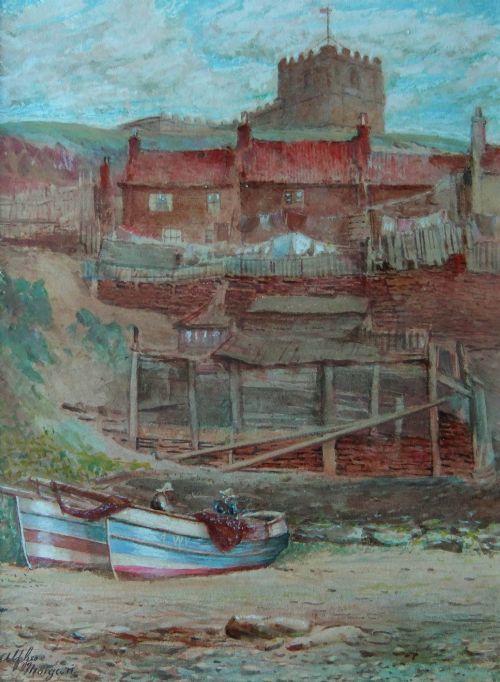
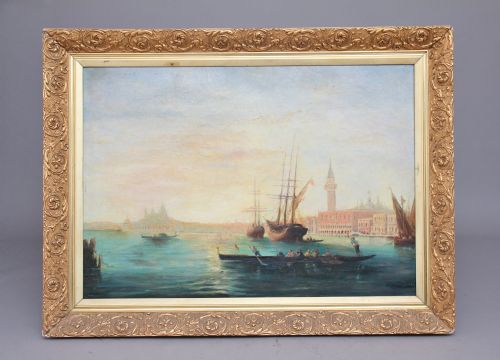
Antique Harbour Scene
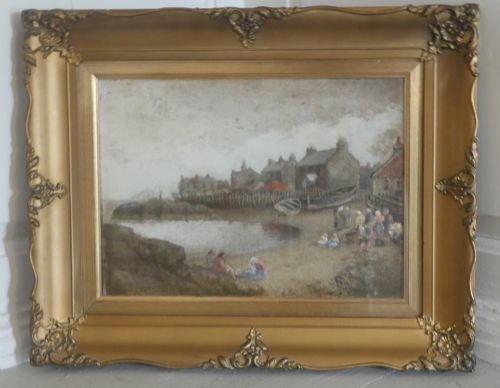
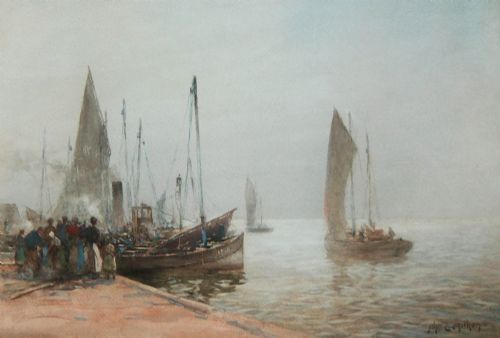
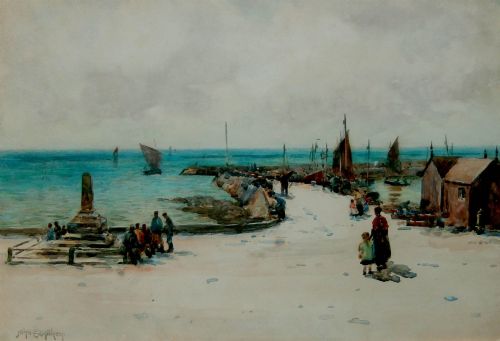
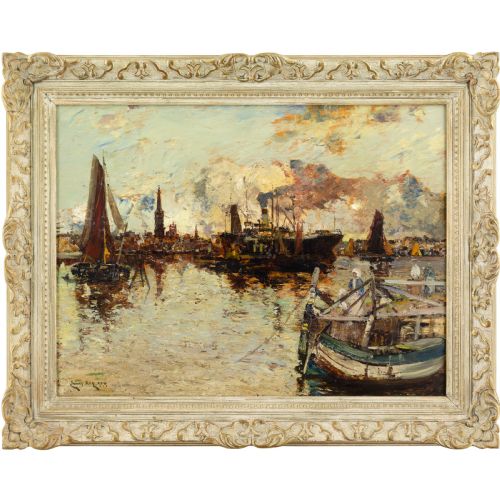
An antique harbour scene captures the bustling maritime life and quiet coastal havens of past centuries through oil and watercolour.
Antique Harbour Scene
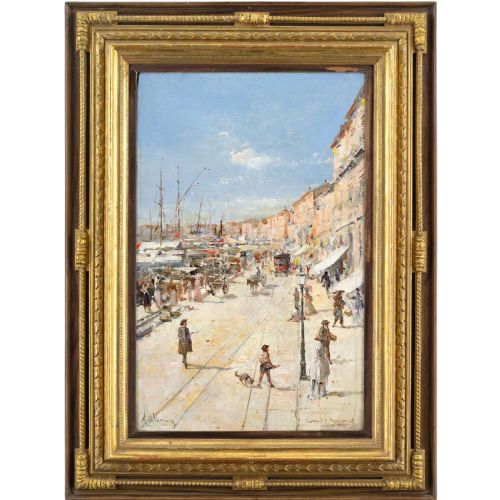
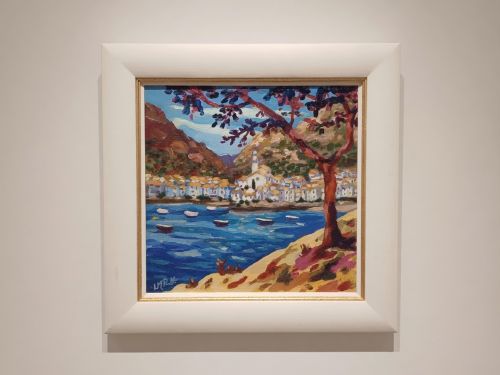
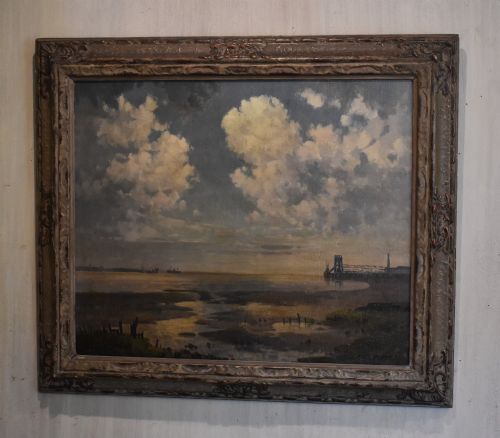
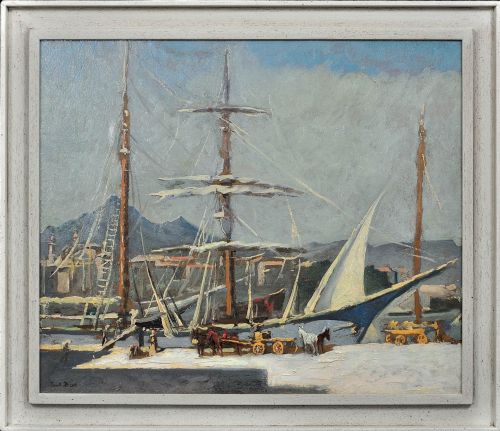
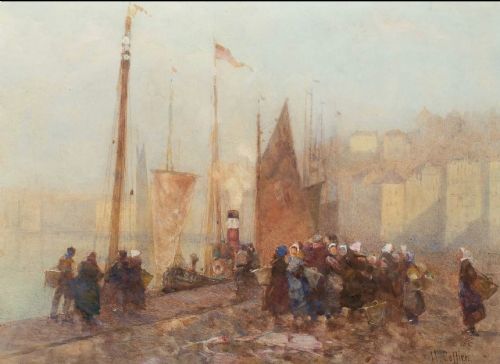
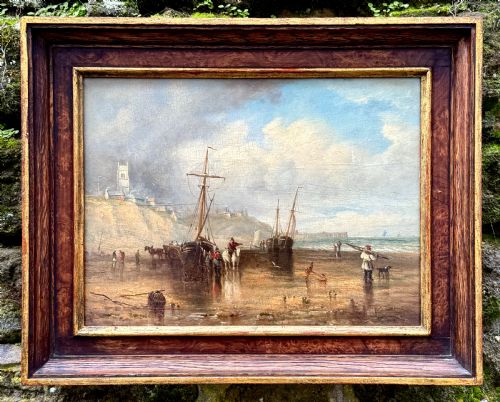
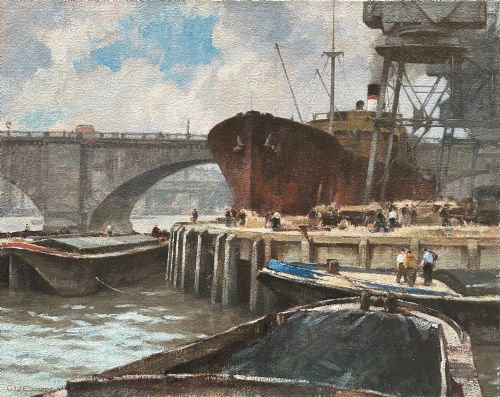
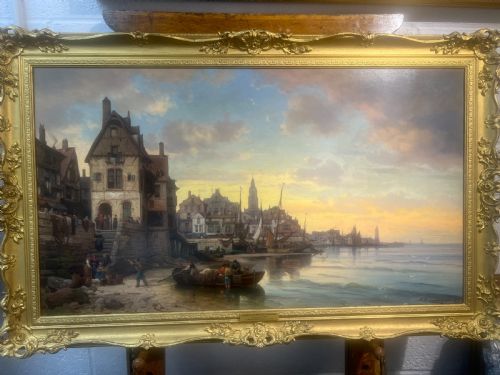
An antique harbour scene depicts coastal life, fishing fleets, and tidal quays across British and European shores. These works record historic ports from Cornwall to Yorkshire alongside continental havens in France, Italy, and the Low Countries.
The pieces on this page appear primarily as framed watercolours or oil paintings on canvas and wood panel. They span the nineteenth and early twentieth centuries, reflecting periods from Victorian fine art to British impressionism.
How they were made
Artists utilised oil paint on stretched canvas or wooden panels to build rich textures and deep tones for dramatic coastal lighting. Watercolour was applied to paper to capture the luminous skies and shifting tides of busy fishing ports.
Many works retain their original gilt wood frames, which protect the paper or canvas and complement the maritime subject matter.
Listings feature works in oil and watercolour, spanning the 18th, 19th, and early 20th centuries across British and European locations.
What varies in quality
The strength of composition and the artist's ability to render light upon water dictate the standing of each piece. Skilled brushwork or precise watercolour washes bring vitality to the shipping vessels and architectural details of the quayside.
The historical significance of the specific port depicted and the documentation of named artists contribute to the distinction of individual works.
James E. Aitken·John E. Aitken·William Banks Fortescue·James Kay·Augusto Alberici·Hector Caffieri·Thomas Creswick·Charles Euphraisie Kuasseg·Alfred G. Morgan·Frank Kelsey·George F Pennington·Paul Delvaux·William Edward Webb·Richard Harry Carter·William Lee Hankey·George Turland Goosey·Fred Lawson·James Kyd·Arthur Tucker·Adrian Van Porten·William Tuck·T.S. Wallis·James Webb·Owen Bowen·James Thomas Watts
The Antique Harbour Scene Glossary
- Watercolour
- A paint consisting of pigment suspended in a water-based solution, traditionally used on paper to create luminous transparent washes.
- Gilt wood
- Wood carved and coated with a thin layer of gold leaf or metallic gilt, commonly used for period picture frames.
- Canvas
- A heavy woven fabric stretched over a wooden frame to serve as a sturdy surface for oil painting.
- Impressionism
- A style of painting that focuses on the accurate depiction of light and its shifting qualities rather than strict detail.
- Seascape
- A work of art that depicts the sea, coastal views, shipping, and maritime activities.
Antique Harbour Scene: Frequently Asked Questions
What is an antique harbour scene?
An antique harbour scene is a painting or watercolour depicting ships, quays, and coastal buildings from past centuries. These works document the maritime trades and historic ports of Britain and Europe.
Created primarily during the nineteenth and early twentieth centuries, they offer a direct visual record of historic waterfronts before modern industrial changes.
Where were these harbour scenes painted?
Artists painted these scenes at busy commercial ports, quiet fishing villages, and tidal inlets across Britain and continental Europe. Popular locations include Cornish fishing ports, Yorkshire coastal towns, and Mediterranean harbours.
Many painters travelled extensively to capture specific light conditions and local maritime architecture in regions such as Normandy, the Venetian lagoon, and the Firth of Forth.
How do I date a harbour painting?
Dating relies on stylistic evidence, artist signatures, framing materials, and the types of vessels depicted in the harbour. Victorian works often feature detailed traditional rigging, while later pieces from the twentieth century lean towards impressionistic brushwork.
Inscriptions on the reverse or contemporary exhibition labels frequently provide specific locations and dates recorded by the artist.
How should I display a watercolour painting?
Watercolours on paper require protection from direct sunlight to prevent the pigments and paper stock from fading over time. Glazing with conservation-grade glass helps shield the delicate medium from ultraviolet light and atmospheric moisture.
Hang these pieces on interior walls away from direct heat sources to preserve both the paper support and the original frame.