





Paper Marine Artwork
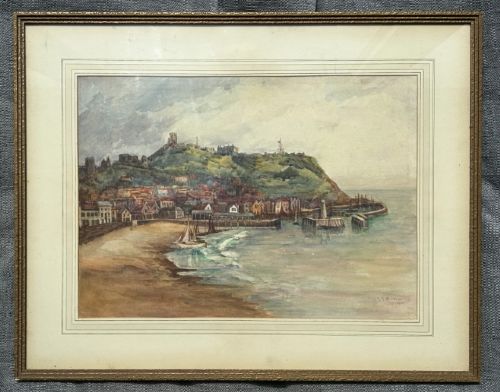
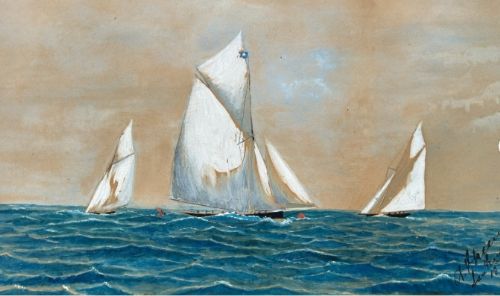
Paper marine artwork captures maritime life, coastal harbours, and historic vessels through delicate watercolours, ink sketches, and etchings.
Paper Marine Artwork
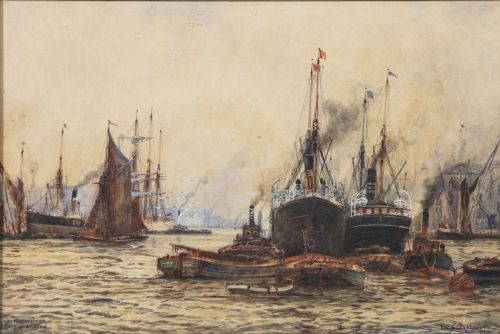
Subjects range from tranquil river reaches and Venice canals to dramatic wartime naval vessels and Yorkshire fishing boats. These pieces document maritime history through the observant eyes of contemporary artists working directly on paper.
Materials and technique
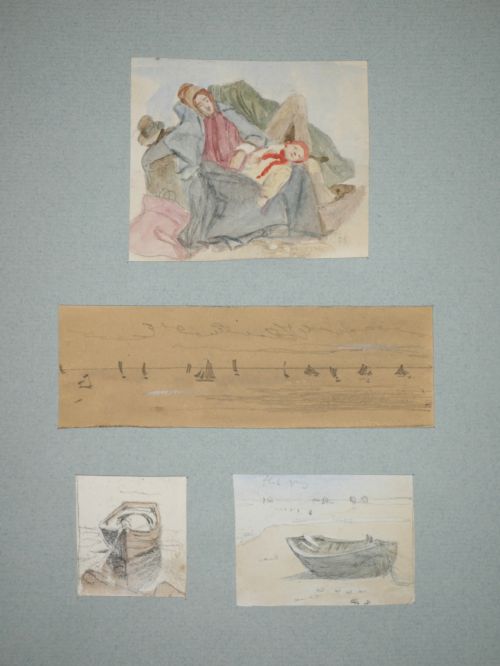
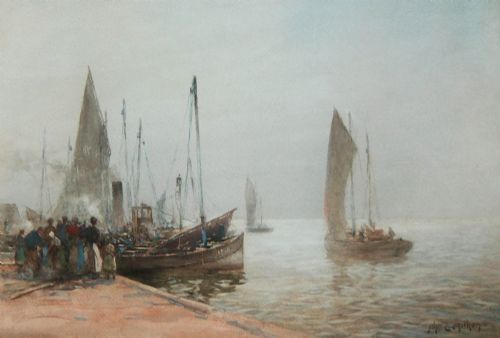
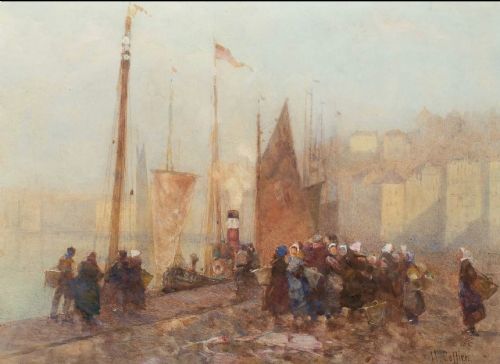
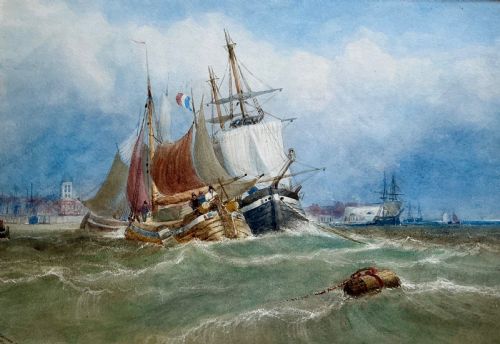
Watercolour pigment applied to heavy paper forms the primary medium for these marine scenes, often combined with subtle ink detailing or pencil underdrawing. Artists utilised fluid washes to capture shifting coastal light, sea spray, and atmospheric skies over harbours.
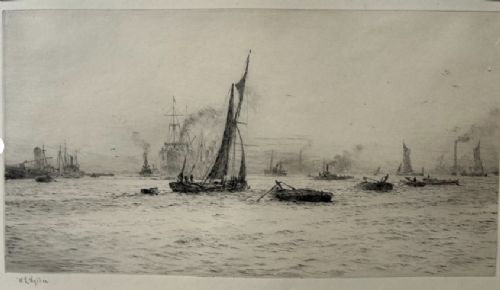
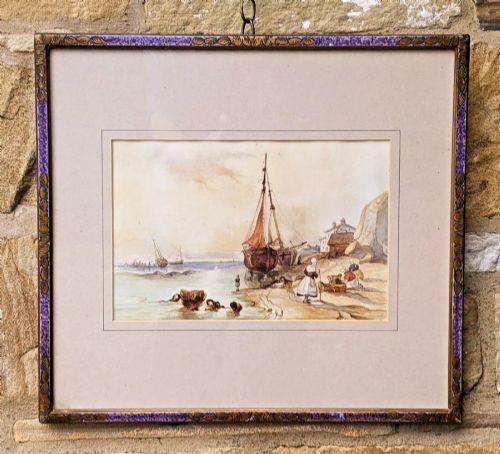
Etchings on paper also appear, utilising inked metal plates pressed under pressure to record fine linear details of rigging, docks, and river shipping. Finished pieces were typically protected behind glass within wooden frames to preserve the fragile paper surfaces.
The listings span from the Victorian era through the mid-twentieth century, predominantly featuring British watercolour paintings and etchings of coastal subjects.
Judging quality in marine works
Quality rests upon the artist's command of light, atmosphere, and maritime anatomy, distinguishing hasty sketches from masterly compositions. Superior watercolours display confident brushwork that captures the restless movement of water and the intricate rigging of vessels without heavy-handed corrections.
The preservation of the paper itself significantly influences standing, as clean sheets free from excessive foxing or fading retain their original visual impact. Furthermore, signed works by established British marine painters command greater interest than anonymous student pieces.
James Orrock·James Smetham·James E Aitken·Frank Watson Wood·William Lionel Wyllie·Frank William Scarbrough·Hector Caffieri·Henry Barlow Carter·F A Roylance·William Frederick Settle·Alfred George Morgan·Commander Eric Tufnell·Fred Lawson·Thomas Bush Hardy·Edward Seago·Robert Leslie Howey·Tom Clough·William Tuck·F J Aldridge·John McDougal·Frank H Mason·George Hamilton Constantine·Frederick William Hattersley·John Mitchell·Samuel Owen
The Paper Marine Artwork Glossary
- Watercolour
- A paint consisting of a pigment suspended in a water-soluble binder, traditionally applied to paper surfaces. It allows for translucent washes that suit the depiction of sea and sky.
- Etchings
- An intaglio printmaking process where lines are incised into a metal plate with acid before being inked and pressed onto paper. This technique produces sharp, highly detailed linear artwork.
- Seascape
- A work of art depicting the sea, coastal views, ships, or marine activity. These subjects formed a major focus for British artists throughout the nineteenth and twentieth centuries.
- Foxing
- Brown spots or discoloration that develop on old paper due to chemical reactions over time. Collectors monitor this condition when assessing works on paper.
- Monogram
- A motif made by overlapping or combining letters to form a single symbol, often used by artists to sign their marine paintings and sketches.
Paper Marine Artwork: Frequently Asked Questions
How should I display paper marine artwork safely?
Keep watercolours and drawings away from direct sunlight to prevent the pigments and paper from fading over time. Maintaining stable indoor humidity levels also protects the paper from dampness and deterioration.
Ensure that framing uses acid-free mounts so the paper does not come into direct contact with standard cardboards that cause yellowing.
What subjects appear most often in these marine works?
Harbour scenes, fishing boats at low tide, and working sailing ships dominate the surviving watercolours from the nineteenth and early twentieth centuries. Artists frequently recorded specific British coastal locations, from Yorkshire fishing ports to Scottish harbours.
Naval vessels, river traffic on the Thames, and international ports such as Venice also feature prominently in the surviving output.
How can I tell a watercolour from an etching?
Watercolours show direct brushstrokes with washes of translucent pigment and occasional pencil guidelines beneath the paint surface. Under magnification, the paint sits directly on the paper fibres.
Etchings present fine, uniform printed lines that often sit slightly depressed into the paper from the printing press, accompanied by plate marks around the image border.
Did military artists record naval scenes too?
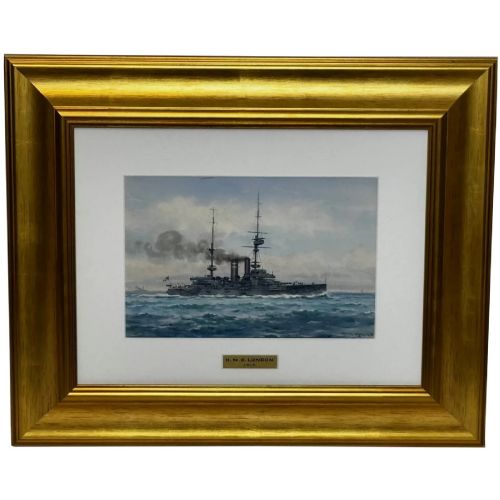
Naval officers and official war artists frequently produced accurate drawings and watercolours documenting historic ships and wartime deployments. These pieces offer precise technical details regarding vessel rigging and naval architecture.
Works by naval commanders combine artistic observation with firsthand professional knowledge of maritime operations.