



Vintage Maritime Artwork
Vintage maritime artwork captures the enduring power of the sea, offering a direct view into historical coastal scenes and naval vessels.
Vintage Maritime Artwork
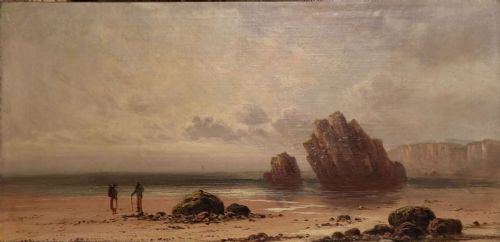
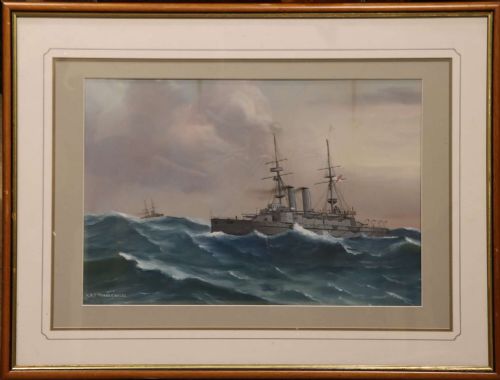
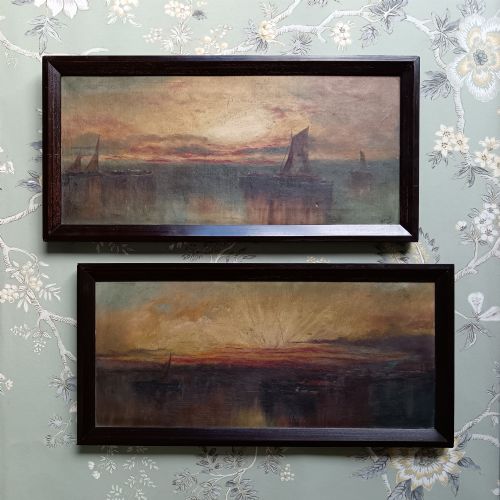
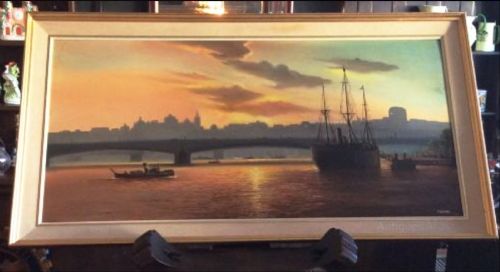
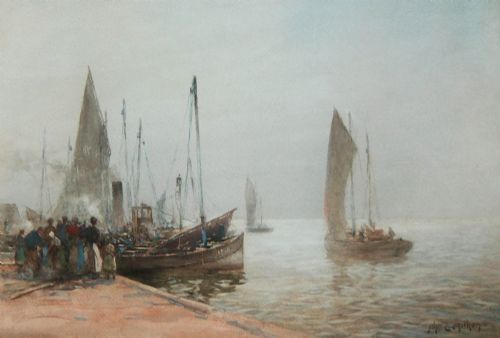
When you search for vintage maritime artwork, you encounter a focused selection of paintings and prints spanning the nineteenth and twentieth centuries. The offerings range from quiet harbour watercolours to dramatic oil paintings of steamships in rough waters and river panoramas.
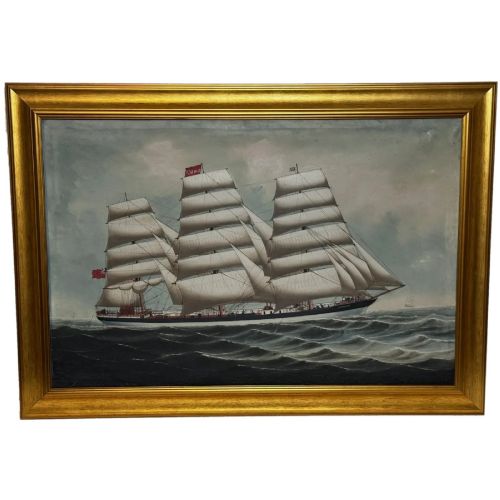
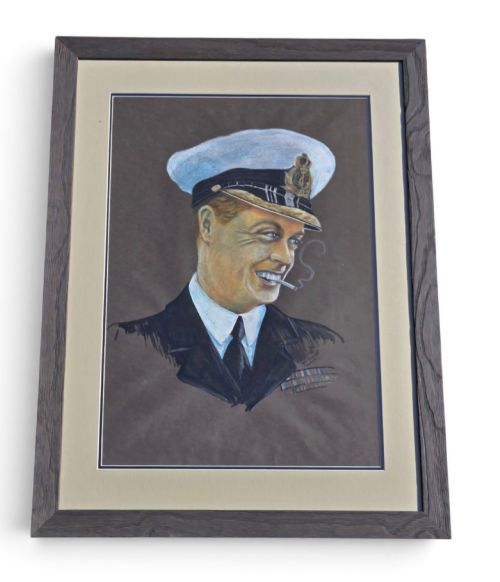
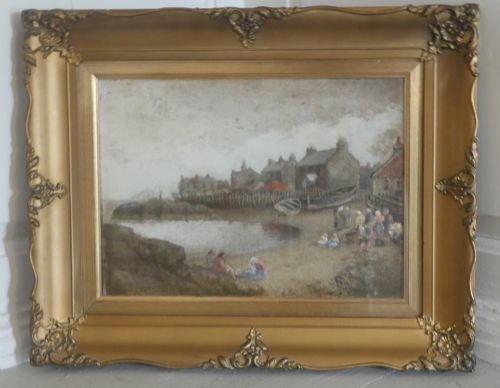
You are most likely to meet original oil paintings on canvas or board alongside traditional watercolours and gouache works. These pieces frequently document specific vessels, coastal towns, and bustling ports from eras spanning the Edwardian period through to the mid-twentieth century.
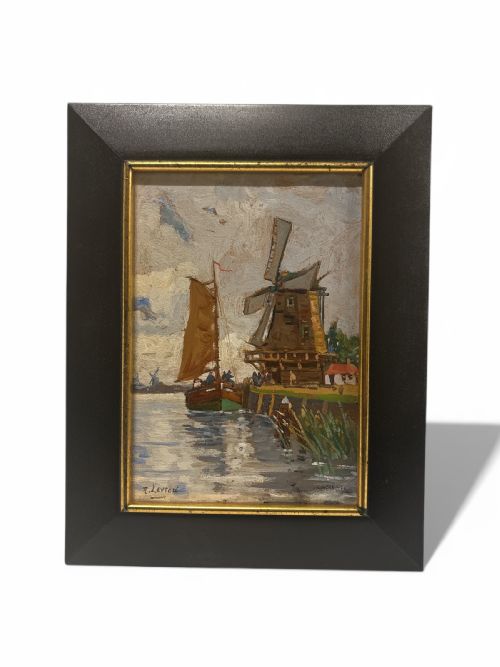
The subjects extend from British coastal landscapes and naval engagements to European canal scenes and French railway posters. Buyers select these works to bring historical character and narrative depth to interior spaces.
How they were made
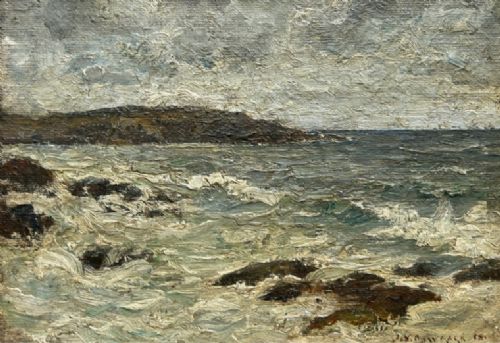
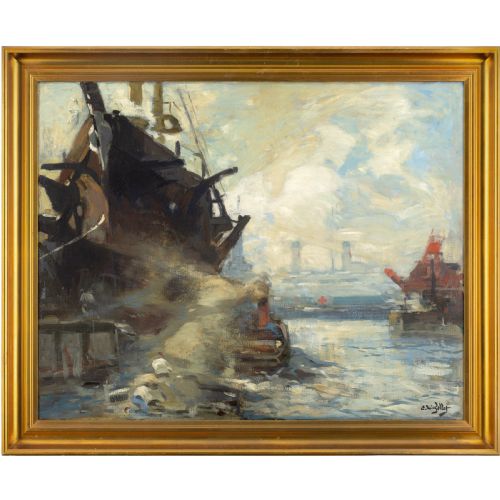
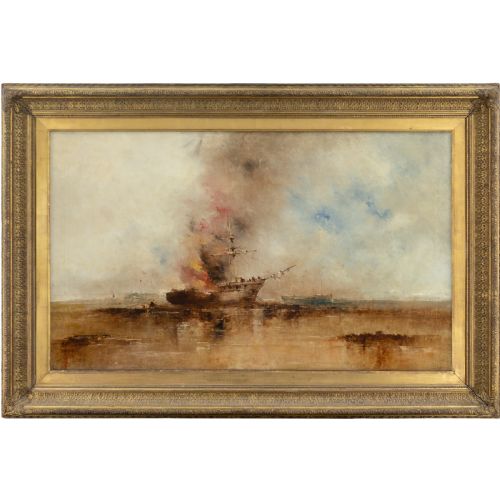
Artists created these works primarily using oil paint on canvas and board, or applied watercolours and gouache to paper. Oil paintings often utilise thick impasto strokes to render turbulent seas and rocky coastal lighting with heavy texture.
Paper works and watercolours rely on delicate washes and precise ink or pencil lines to capture the calm details of harbour walls and sailing vessels. Frames typically incorporate wood and gilt wood construction suited to the period of the art.
Vintage Maritime Artwork Retail Price Guide 2026
Typical asking prices for vintage maritime artwork among the pieces listed under this phrase on Sellingantiques today, from the lower quarter to the upper quarter. They describe what is for sale here now, not the wider market.
Listings feature works spanning the nineteenth century, Edwardian period, and 1950s in oil, watercolour, and gouache.
What varies in quality
Quality rests upon the artist's ability to command atmosphere, light, and maritime anatomy, separating competent topographical records from striking compositions. The handling of water, weather, and vessel rigging distinguishes accomplished professional marine painters from minor local hands.
Condition and preservation of the paper, canvas, and original framing materials also govern the standing of an individual piece. Works displaying strong provenance and clearly identified historic ships command greater attention from collectors.
Kenneth Cozens·Eugène-Louis Gillot·William McAlpine·Reginald Arthur Borstel·James Kay·Frank Watson Wood·Bernard Gribble·William Lionel Wyllie·Frank William Scarbrough·Willem Bos
The Vintage Maritime Artwork Glossary
- Impasto
- Paint applied thickly to a canvas or board so that it stands out from the surface. This technique builds physical texture into stormy seas and cloudy skies.
- Gouache
- An opaque water-based medium that creates solid areas of colour and bright highlights. It is frequently employed alongside watercolour to depict marine steam and foam.
- Etching
- A printmaking process where lines are bitten into a metal plate with acid before being inked and pressed onto paper. Many coastal and river scenes use this method for sharp linear clarity.
- Board
- A rigid panel material used as a painting support instead of stretched canvas. Artists often utilised wooden or composition boards for smaller outdoor and studio sketches.
- Provenance
- The documented history of ownership associated with an artwork. Clear records help confirm attribution and historical context for naval and shipping subjects.
Vintage Maritime Artwork: Frequently Asked Questions
What periods do these pieces cover?
The available selection spans from the nineteenth century through the Edwardian era and into the mid-twentieth century. Works frequently record historical vessels and coastal changes from decades including the 1900s, 1920s, and 1950s.
Earlier nineteenth-century paintings sit alongside later twentieth-century interpretations, showing how maritime art styles evolved over generations.
How do I identify different painting mediums?
Oil paintings present a heavier, build-up of pigment on canvas or board with a slight sheen and rich texture. Watercolours and gouache appear on paper behind glass, showing transparent washes or matte opaque surfaces.
Examining the surface under natural light reveals whether the artist used oils, watercolours, or print techniques like etching.
Were these works created by naval artists?
Many pieces were produced by professional marine painters who specialised in shipping, coastal landscapes, and historical naval engagements. Some artists documented specific naval vessels, commercial steamships, and wartime hospital ships.
Signatures, exhibition records, and biographical details often link individual works to documented marine artists of the period.
How should I display vintage maritime art?
These works suit traditional studies, living rooms, and hallways, often framed in period wood or gilt mouldings. Keeping pieces away from direct sunlight protects watercolours and paper supports from fading.
Pairing individual paintings with complementary coastal or historical artefacts enhances their visual impact within a room.