




Vintage Marine Watercolour
A vintage marine watercolour brings the movement of ships and coastal light directly to the wall through delicate washes on paper.
Vintage Marine Watercolour
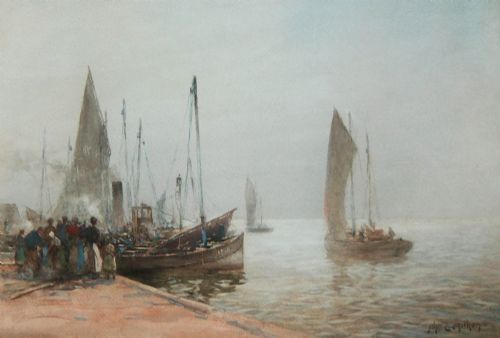
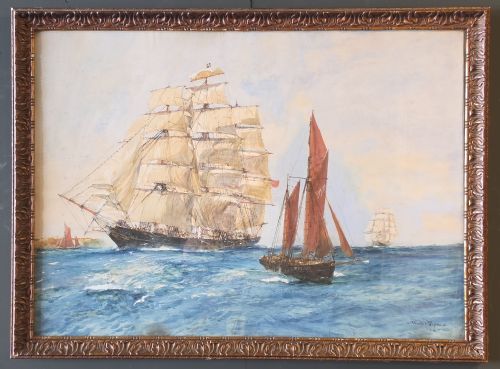
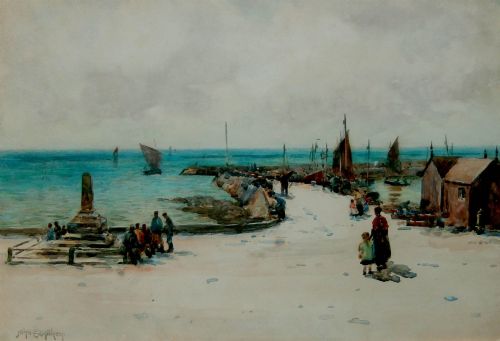
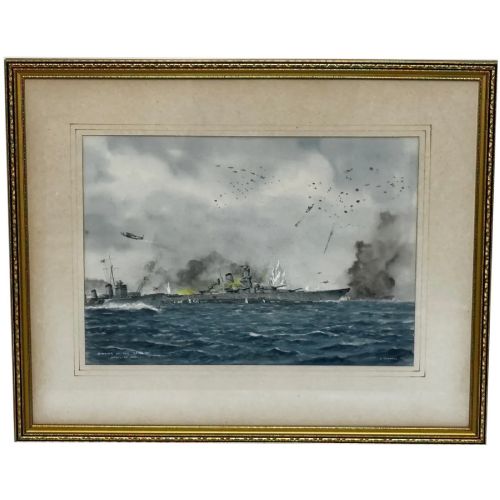
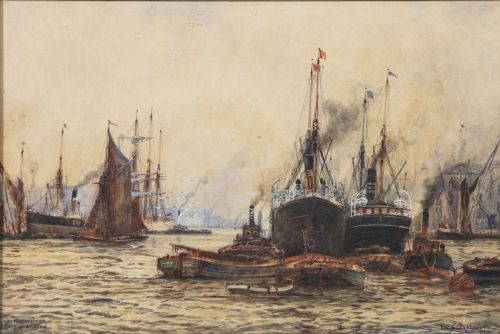
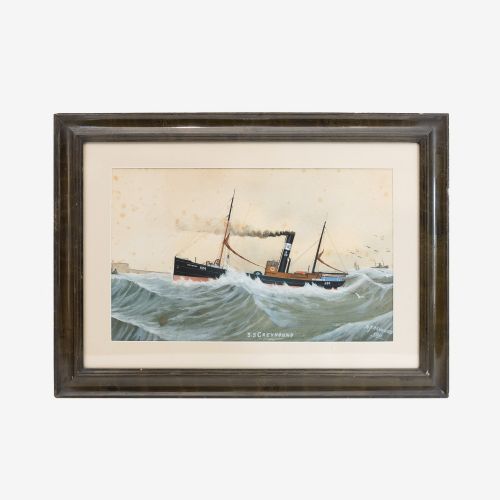
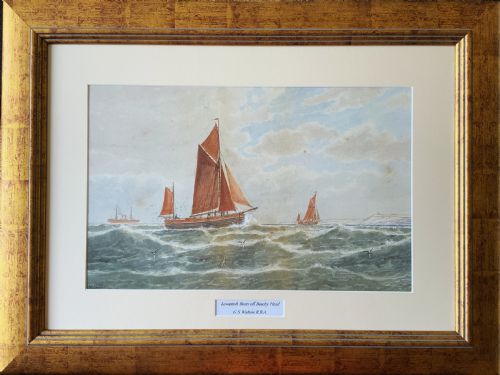
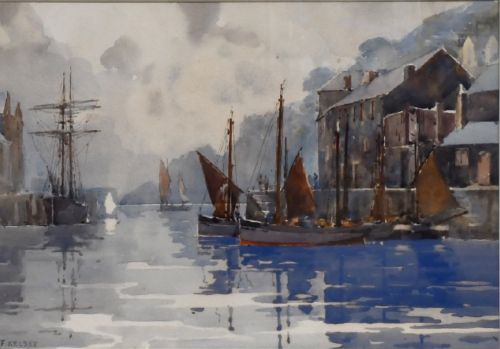
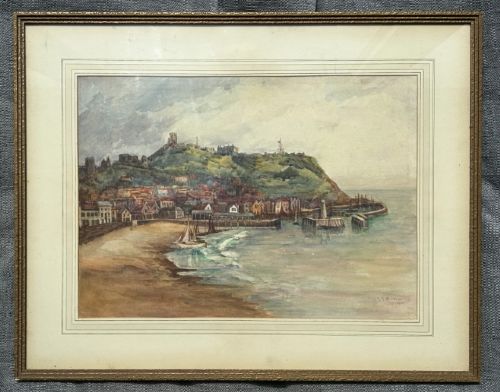
When searching for a vintage marine watercolour, buyers encounter original works depicting harbours, sailing ships, coastal cliffs, and naval vessels. These paintings date from the nineteenth century through the mid-twentieth century, encompassing Victorian, Edwardian, and mid-century British and European art.
The most common examples on this page are early twentieth-century and Edwardian watercolours and gouache paintings. These works frequently capture specific ports, fishing fleets, and coastal scenes in England, Scotland, and overseas locations.
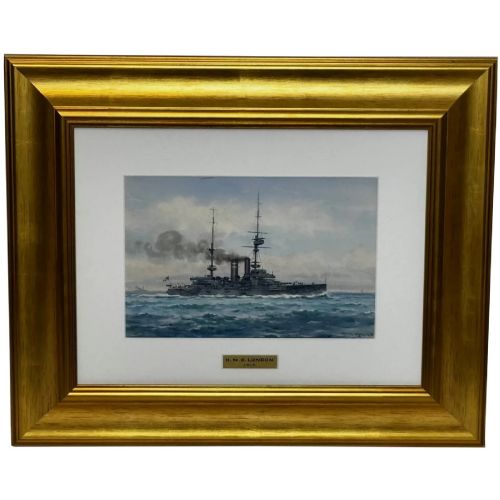
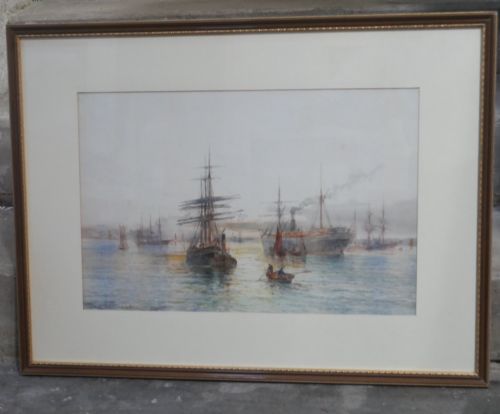
Framed artwork and fine art paintings dominate the selection, often preserved behind glass in wooden or gilt wood frames. Subjects range from tranquil estuary anchorages to dramatic wartime naval encounters and tall ships under full sail.
Materials and technique
Artists apply watercolour pigment and gouache paint onto paper surfaces to create these coastal scenes. The fluid nature of watercolour allows for luminous skies and transparent water, while bodycolour or gouache adds opaque highlights to crashing waves and ship rigging.
The finished paintings are mounted behind glass and housed within wood frames, which frequently include gilt wood mouldings to complement the maritime subject matter.
Listings span periods from the 19th century through the 1960s, employing watercolour and gouache on paper within wood and gilt wood frames.
What separates the finest works
Quality rests upon the artist's handling of light, atmosphere, and maritime architecture. Stronger watercolours demonstrate confident brushwork and precise control over pigment transparency, capturing the distinct movement of water and weather conditions without heavy reworking.
Condition and provenance elevate individual pieces. Works retaining clear artist signatures, legible contemporary inscriptions of specific locations, and original framing elements offer a more direct connection to the historical maritime subject.
James E. Aitken·Charles Edward Dixon·John E. Aitken·Eric Tufnell·William Banks Fortescue·Frank Watson Wood·Frank William Scarbrough·Robert Leslie Howey·Alexander Harwood·George Stanfield Walters·Frank Kelsey·William Frederick Settle·Alfred George Morgan·Lionel Horsnell·John Bedloe Goddard·Richard Harry Carter·Vincenzo D'Esposito·William Lee Hankey·Fred Lawson·Edward Seago·Thomas Bush Hardy·Tom Clough·William Tuck·Fred Waugh·John McDougal
The Vintage Marine Watercolour Glossary
- Watercolour
- A paint consisting of pigment suspended in a water-soluble vehicle. It is applied to paper to achieve translucent layers of colour.
- Gouache
- An opaque watercolour paint containing pigment mixed with a binding agent. It provides solid highlights and dense colour areas within a painting.
- Edwardian
- A period spanning the reign of King Edward VII from 1901 to 1910. Works from this era often reflect confident brushwork and detailed coastal observation.
- Maritime
- Depicting ships, shipping, sea, and coastal views. This genre encompasses both commercial vessels and naval history.
Vintage Marine Watercolour: Frequently Asked Questions
How do I care for a marine watercolour?
Keep the framed painting away from direct sunlight to prevent the watercolour pigments from fading over time. Maintaining stable indoor humidity levels also protects the paper and the wooden frame.
Ensure the artwork remains securely sealed behind glass to prevent dust and atmospheric moisture from reaching the paper surface.
What subjects appear in these watercolours?
The paintings feature coastal harbours, fishing boats, tall ships, and naval vessels across British and international waters. Scenes range from calm estuaries to dramatic open sea engagements.
Many works document specific historical ports, coastal towns, and named ships from the nineteenth and twentieth centuries.
How do I date a marine watercolour?
Examine any signatures, dates inscribed by the artist, or contemporary labels on the reverse of the frame. Stylistic clues such as ship design and clothing styles also help narrow the timeframe.
The materials, including the type of paper and framing methods, provide further indicators of the work's period.
Are these paintings original works?
The listings consist of original hand-painted watercolours and gouache works created directly by the artists. Each piece represents a unique historical artwork rather than a modern reproduction.
Artists painted these scenes directly on paper, capturing transitory effects of light and weather at sea.