








Vintage Marble Figurine
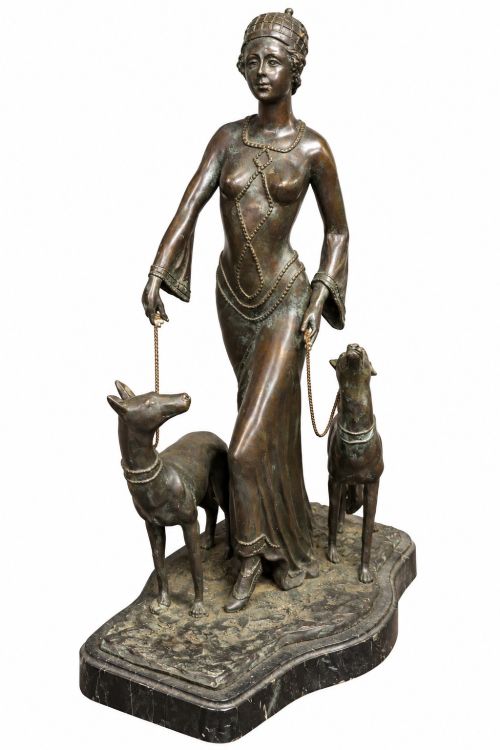
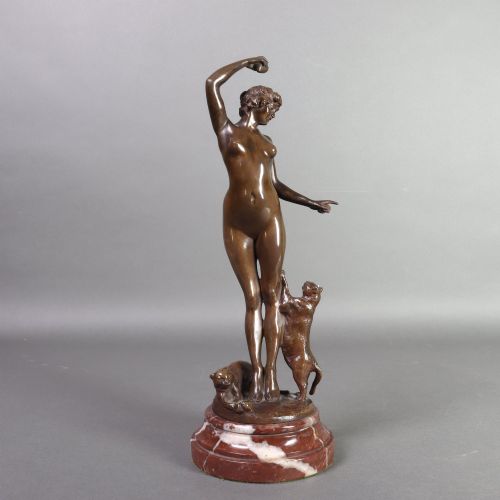
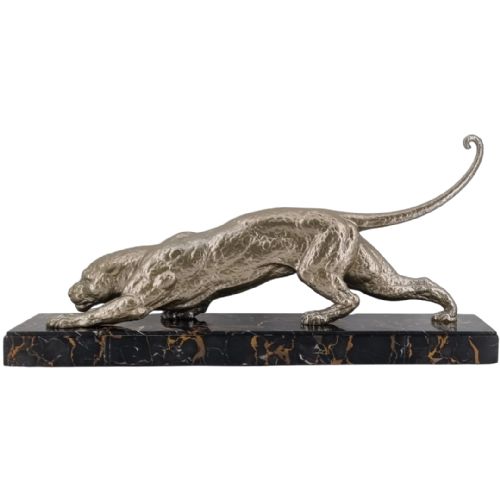
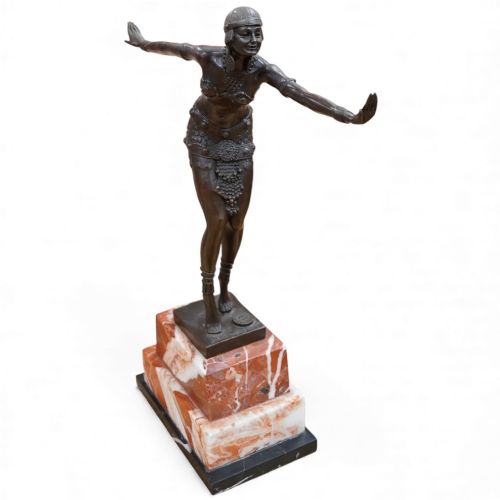
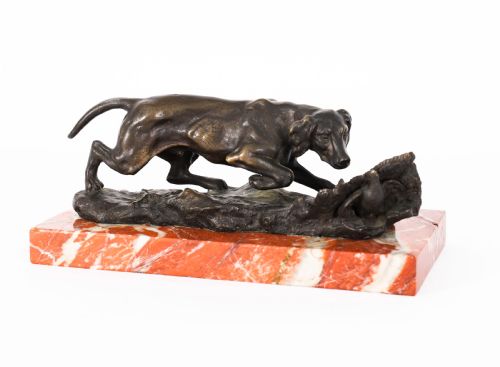
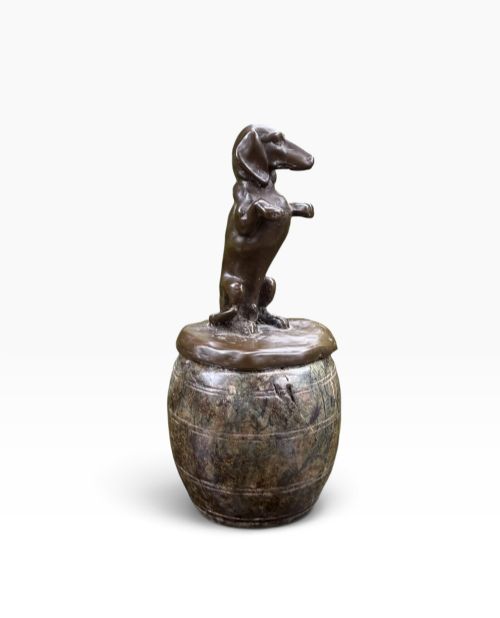
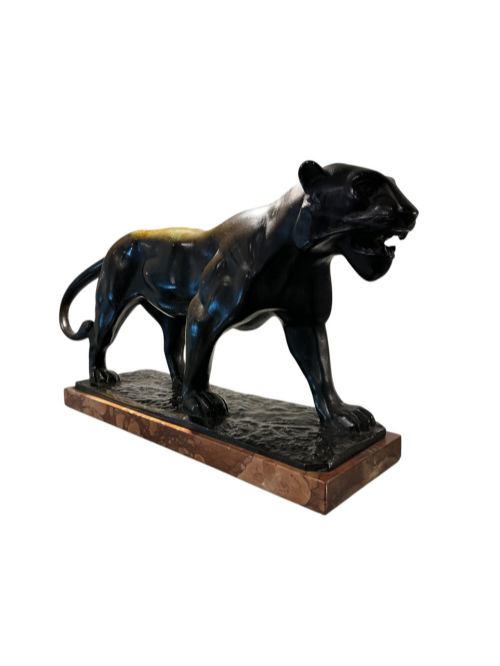
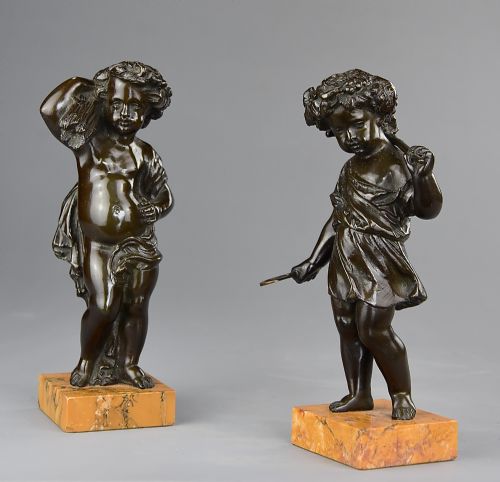
When you search for a vintage marble figurine, you encounter solid stone plinths and bases supporting cast metal sculptures from the nineteenth and early twentieth centuries.
Vintage Marble Figurine
A vintage marble figurine typically combines a carved stone base or plinth with a cast metal subject, most frequently taking the form of animal studies, human figures, and allegorical busts. These works span from the mid-nineteenth century through the Art Deco period of the nineteen-twenties and nineteen-thirties.
The most common version on this page pairs a patinated or cold-painted bronze animal or dancer securely mounted onto a heavy marble or onyx block. Such pieces served variously as library ornaments, table lamps, and cabinet sculptures in period interiors.
How they were made
Sculptors utilised the lost-wax casting technique for metal figures, producing bronze, spelter, or brass subjects that were subsequently finished with patination or polychrome cold-painting. These metal castings were then mechanically anchored to hand-cut stone plinths.
Bases and dedicated sculptures were shaped from natural materials including marble, alabaster, and onyx, relying on masonry saws and polishers to achieve smooth mounting surfaces and architectural profiles.
Listings span the nineteenth century through the Art Deco era, incorporating marble, bronze, spelter, onyx, and alabaster.
What varies in quality
The selection and preparation of the stone plinth also mark differences in grade, where uniform veining, heavy gauge, and tight integration with the metal subject indicate superior workshop production.
Carl Kauba·Bruno Zach·Pierre le Faguays·Ferdinand Preiss·Alexandre Ouline·Prosper Lecourtier·Demetre Chiparus·Gotthilf Jaeger
The Vintage Marble Figurine Glossary
- Cold-painted
- A method where paint is applied to a bronze casting without heat firing, leaving a delicate finish prone to gentle flaking over decades.
- Patination
- The chemical treatment applied to metal surfaces to alter colour and tone, creating naturalistic skin or fur effects.
- Spelter
- A zinc-based alloy commonly used as an economical alternative to bronze in figural casting during the early twentieth century.
- Animalier
- A nineteenth-century artistic genre dedicated to the realistic depiction of animals in sculpture.
- Plinth
- The solid block of stone or marble upon which a figurative sculpture stands for stability and display.
Vintage Marble Figurine: Frequently Asked Questions
What metals are used besides bronze?
Makers frequently utilised spelter, a zinc alloy, alongside brass and patinated metal for figural casts mounted on stone.
These alternative metals offered a cost-effective medium for producing decorative objects during periods of high demand.
How do I identify an Art Deco piece?
Art Deco examples feature stylised geometries, streamlined human figures, and dancers captured in motion, typically dating from the nineteen-twenties and thirties.
They often combine cold-painted bronze with contrasting green or black marble bases.
Were these figures meant as lamps?
Some sculptures were specifically designed or later adapted to function as table lamps, integrating light fittings alongside the metal figure.
These functional pieces combine illumination with carved stone bases and figural statuary.
What is the difference between marble and onyx bases?
Marble presents varied crystalline grain patterns and consistent opacity, whereas onyx displays characteristic translucent banding and layered mineral deposits.
Both stones were chosen for their heavy weight, which anchored the upper metal sculptures securely.