



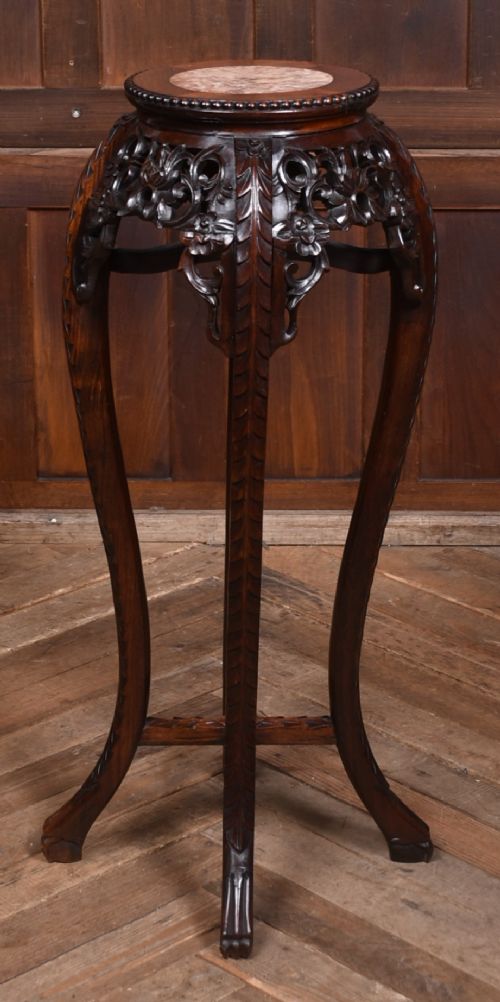


Vintage Marble Display Stands
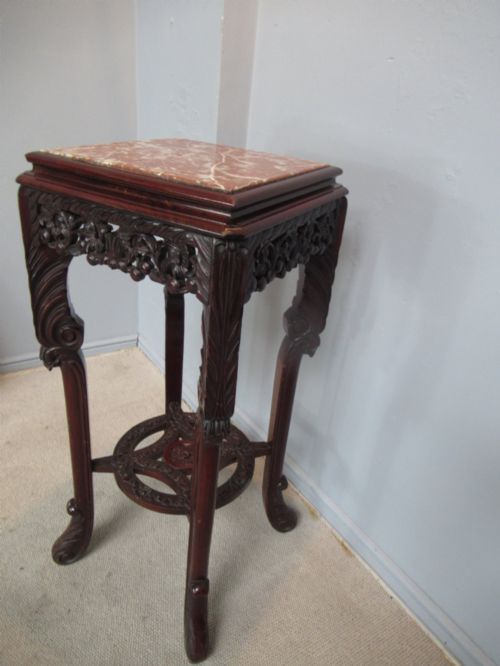
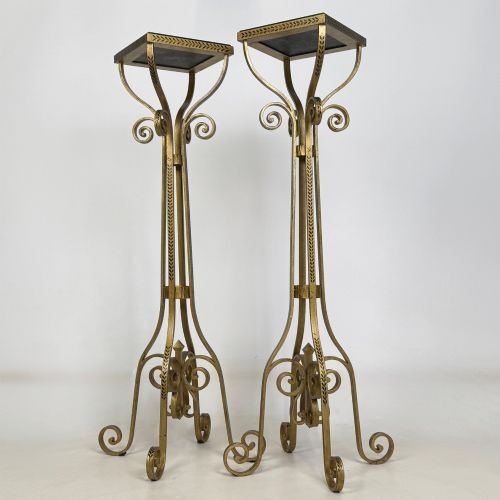
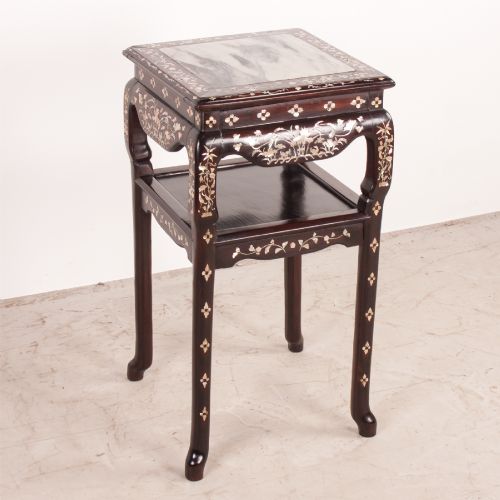
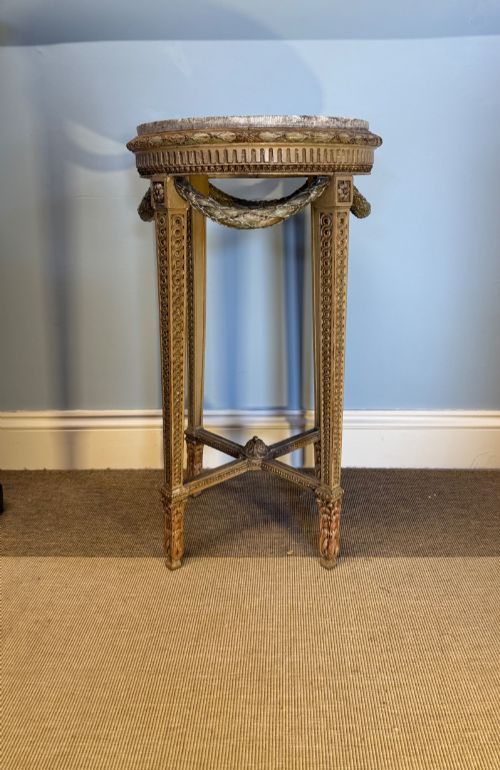
Vintage marble display stands elevate sculpture, plants and lamps through stone surfaces set upon timber or metal frames.
Vintage Marble Display Stands
Vintage marble display stands serve as pedestals, columns, plant stands and occasional tables to elevate decorative objects within a room. These pieces appear across various forms, including classical columns and low tables designed for jardinières or urns.
The selections span the nineteenth century through the early twentieth century, incorporating Victorian, Edwardian and Neoclassical designs alongside Chinese export craftsmanship. Hardwood frames holding inset marble panels emerge frequently among these offerings.
Evaluating the Pieces
Quality rests upon the selection and integration of materials, distinguishing solid carved stone columns and finely figured hardwoods from painted plaster or simpler assemblies. The precision of woodcarving, the complexity of brass mounts and the depth of the marble grain dictate the standing of a piece.
Design integrity separates standard utility tables from exceptional examples of French Rococo, Neoclassical Revival or Chinese Export artistry. The harmony between the stone top and the supporting framework determines the overall execution.
Form categories span plant stands, pedestals, columns, occasional tables, etageres and torcheres.
The Vintage Marble Display Stands Glossary
- Pedestal
- A structural support or column designed to elevate a bust, urn or sculpture above floor level. These take cylindrical, square or fluted forms.
- Jardinière
- An ornamental pot or stand specifically built to hold plants and flowers indoors. They appear in wood, brass and ceramic combinations.
- Torchere
- A tall stand or candlestick holder adapted to support lamps or decorative vases. They frequently feature slender columns and ornate capitals.
- Ormolu
- Gilded bronze used for decorative mounts and feet on nineteenth-century furniture. It provides metallic contrast against dark timbers and stone.
- Etagere
- A piece of furniture comprising a set of open shelves for displaying small objects. Examples combine wooden frames with marble top surfaces.
Vintage Marble Display Stands: Frequently Asked Questions
What were vintage marble display stands used for?
These pieces served primarily to hold heavy plants, flower urns, bronze sculptures and table lamps in period reception rooms. Their sturdy stone tops protected underlying timber surfaces from water and heat.
They also acted as architectural focal points in hallways and drawing rooms, elevating decorative arts to eye level.
How do I style a marble display stand at home?
Place a single tall column in an empty corner to support a bronze figure, a ceramic bowl or a trailing plant. Shorter occasional tables suit placement beside seating or beneath windows.
Ensure the weight of the displayed object complements the load-bearing capacity of the antique frame.
How do I date a marble display stand?
Dating relies on identifying stylistic markers such as Neoclassical fluting, Victorian heavy timbers or Edwardian proportions. The choice of secondary woods and brass casting techniques also aids chronological placement.
Construction methods, including hand-carved joints versus later machine-turned components, help narrow the period.
What is the difference between a pedestal and a plant stand?
Pedestals typically follow classical architectural column designs with strict capitals and bases intended for sculptural display. Plant stands often incorporate broader tops, lower shelves or brass liners designed to manage moisture.
Both categories frequently share stone insert tops and similar nineteenth-century origins.