


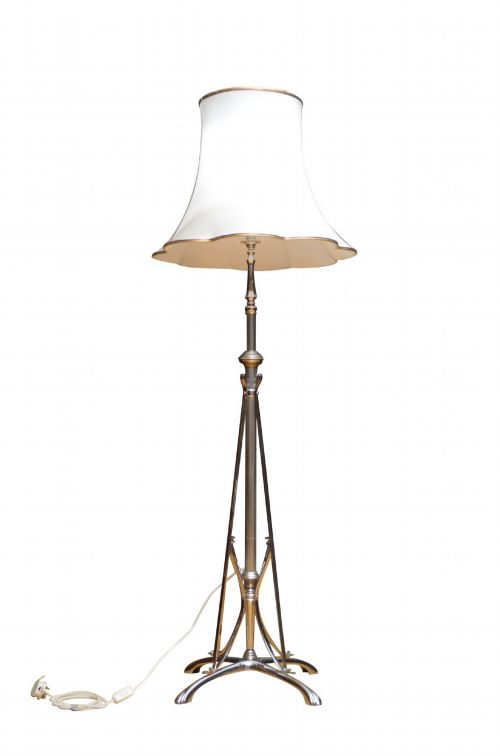


Art Deco Brass Stands
Art deco brass stands combine striking geometric forms with functional elegance, offering a practical way to display objects or illuminate a room.
Art Deco Brass Stands
Art deco brass stands encompass a diverse selection of furnishings, ranging from floor lamps and coat racks to display tables and candlesticks. These items originate predominantly from the early decades of the twentieth century, capturing the shifting aesthetic from ornate revival styles to streamlined modernism.
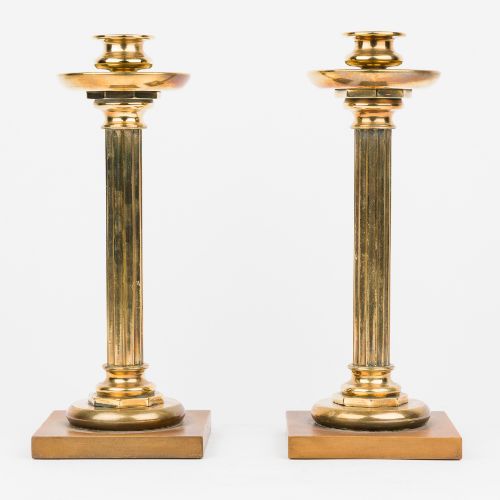
The versions most frequently encountered include candlesticks and standard lamps, alongside specialised display and smoking accessories. These pieces often incorporate mixed materials, blending polished metal with timber, marble, or glass to create functional household items.
How they were made
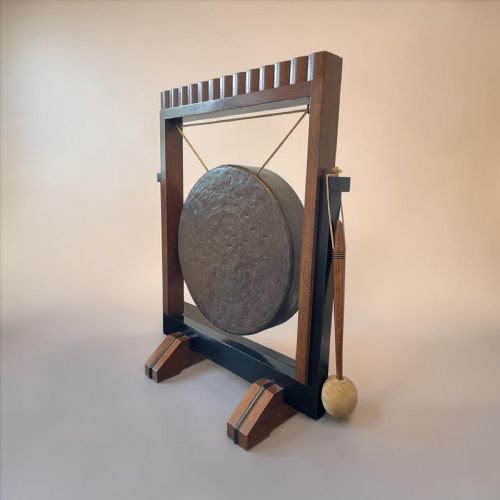
Makers utilised brass and bronze as primary structural elements, often combining them with hardwoods such as burr walnut, mahogany, and oak. Metal components were cast, hammered, or wrought into geometric configurations, frequently paired with contrasting bases of marble, onyx, or wood.
Techniques varied from industrial casting for heavy candlesticks and prickets to careful joinery for drinks cabinets and display tables. Surfaces received patination or polishing to highlight the metallic lustre, while specific regional workshops employed distinctive riveting and joining methods.
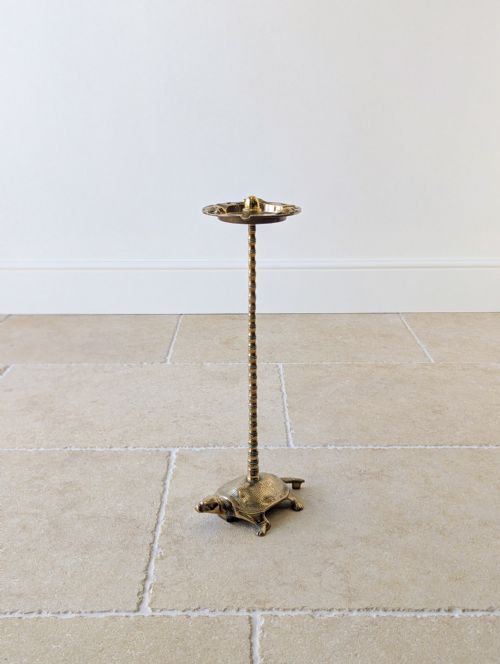
One exceptional tortoise floor-standing cigar stand from 1920 offers a charmingly eccentric way to store smoking accessories.
What varies in quality
Quality rests upon the weight and purity of the metalwork, alongside the selection of complementary materials like figured burr walnut or genuine marble. Superior examples display crisp casting and substantial structural integrity rather than thin, pressed sheet metal.
Design ambition separates standard production from exceptional pieces, particularly in items reflecting specific regional movements like the Amsterdam School. The integration of mixed media, such as combined brass and iron elements, demonstrates the maker's skill.
The Birmingham Guild
The Art Deco Brass Stands Glossary
- Pricket candlestick
- A candleholder featuring a central spike upon which a wax candle is impaled, rather than a socket. This traditional form appears frequently in early twentieth-century brass work.
- Amsterdam School
- An architectural and design movement originating in the Netherlands, known for expressive forms, rounded brickwork, and elaborate metal detailing. Pieces from this tradition often utilise heavy brass and iron.
- Standard lamp
- A tall floor-standing lamp designed to illuminate a room from a fixed position, often featuring adjustable heights or fabric shades. These objects frequently date from the nineteen-twenties.
- Burr walnut
- A highly prized timber veneer derived from the burl growth of a walnut tree, exhibiting intricate, swirling grain patterns. It is commonly found on cocktail and drinks cabinets from the period.
- Display stand
- A raised surface or shelving unit utilised for showcasing retail goods or decorative household objects. These include shop window fittings and countertop shelves.
Art Deco Brass Stands: Frequently Asked Questions
What is an art deco brass stand?
An art deco brass stand is a functional household or display item produced during the early twentieth century, utilising metallic frames and geometric ornamentation.
These pieces range from tall floor lamps and coat racks to small display tables and smoking stands.
How do I identify art deco pieces?
Art deco design is characterised by clean lines, symmetrical geometric patterns, and a blend of industrial materials with luxurious finishes.
Look for stylised motifs, pricket forms, and combinations of brass with walnut, onyx, or marble.
Were these stands used in homes?
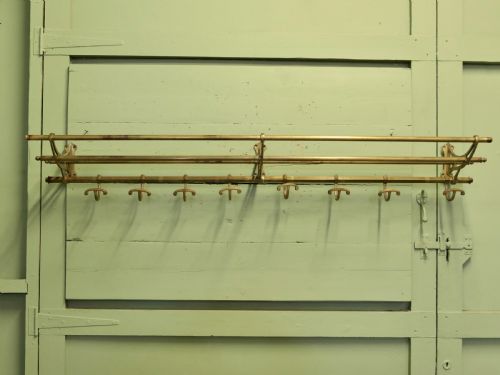
Many of these items served practical domestic functions, from lighting rooms with standard lamps to holding hats, coats, and cigars in hallways.
Others were designed for commercial use, such as shop window displays and jewellers' countertop shelving.
How should I clean brass stands?
Maintenance depends on the desired appearance and the presence of original patination, which collectors often prefer to leave undisturbed.
Gentle dusting with a soft cloth is generally recommended to protect aged metal surfaces and integrated wooden veneers.