


Tall Brass Table Lamp
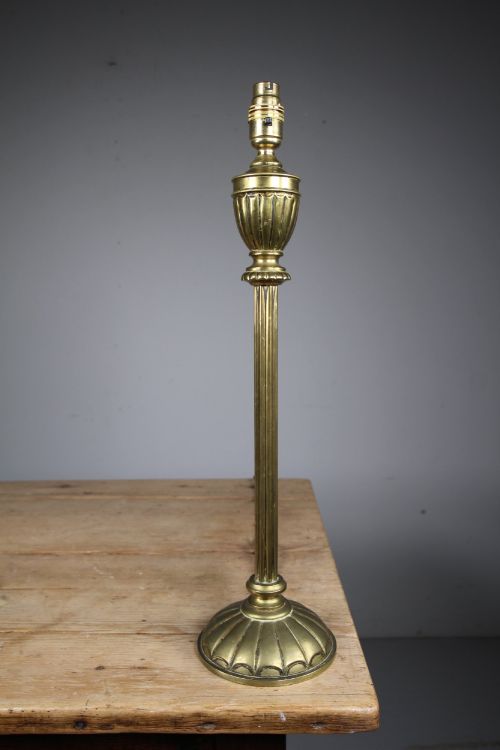
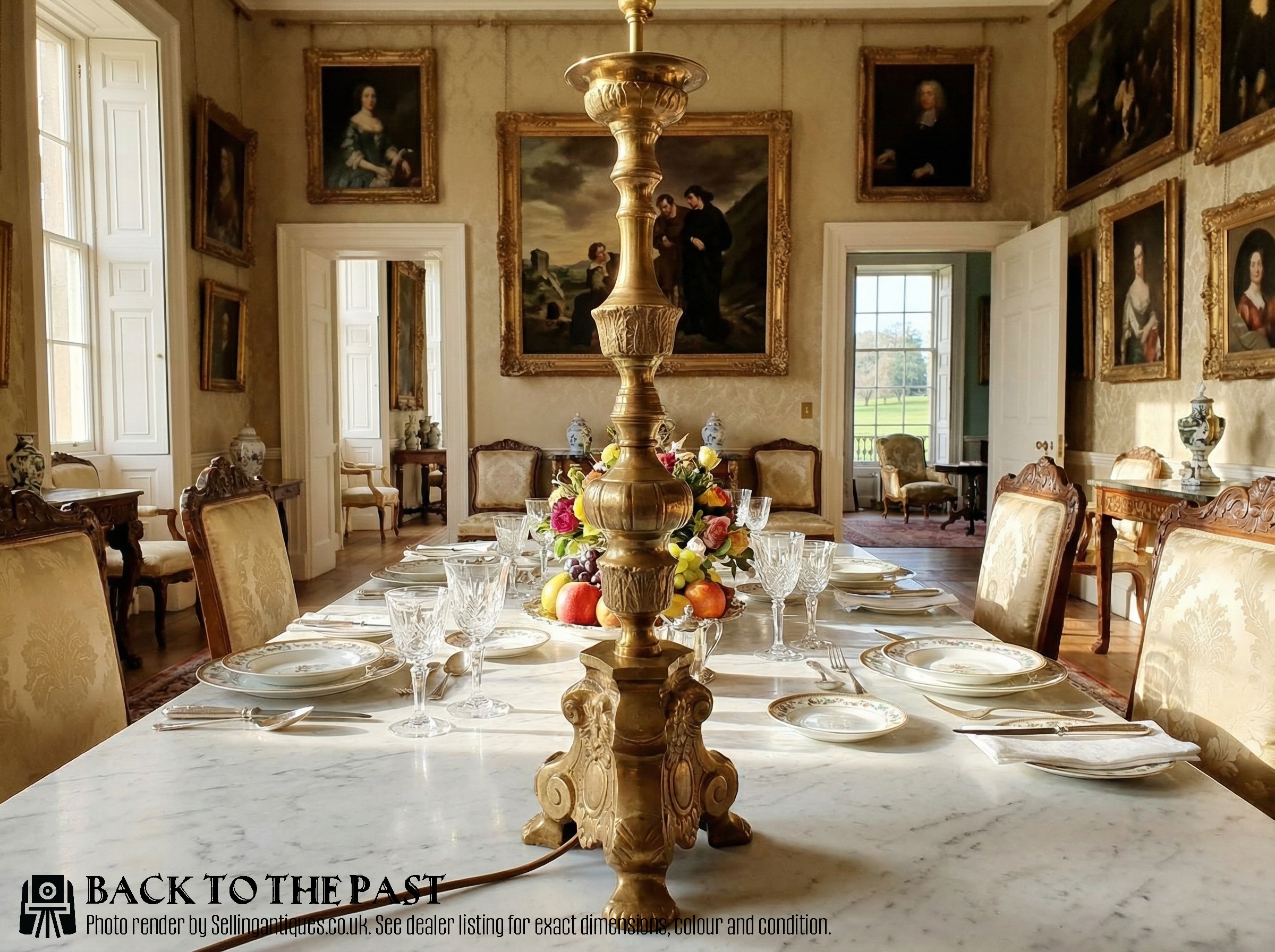
A tall brass table lamp brings upward proportion and warm metallic reflection to a room, drawing the eye naturally through its height.
Tall Brass Table Lamp
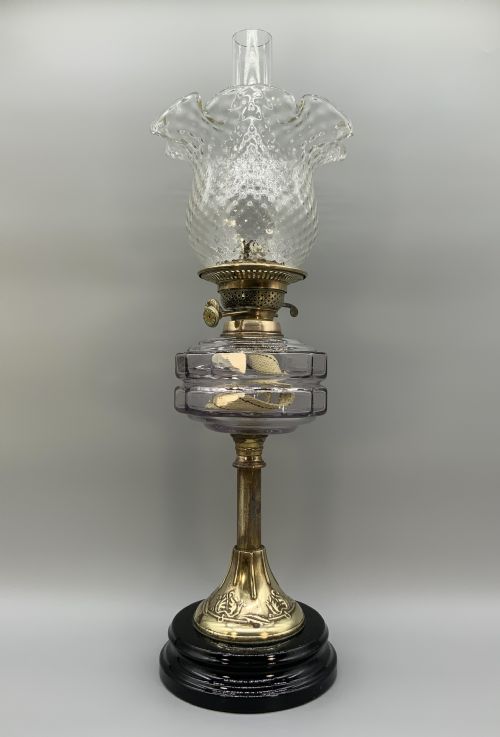
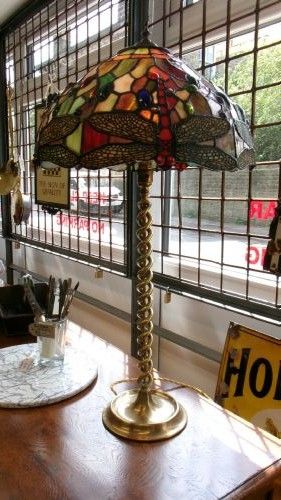
When you search for a tall brass table lamp, you encounter lighting fixtures shaped by Victorian, Edwardian, and early twentieth-century hands, often standing on substantial columns or twisted pillars.
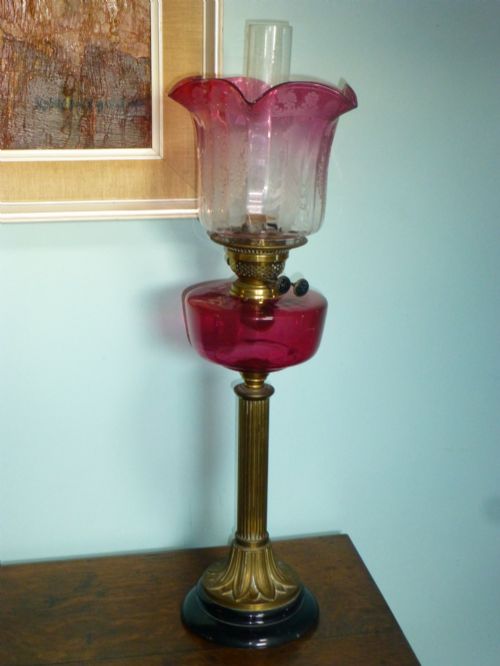
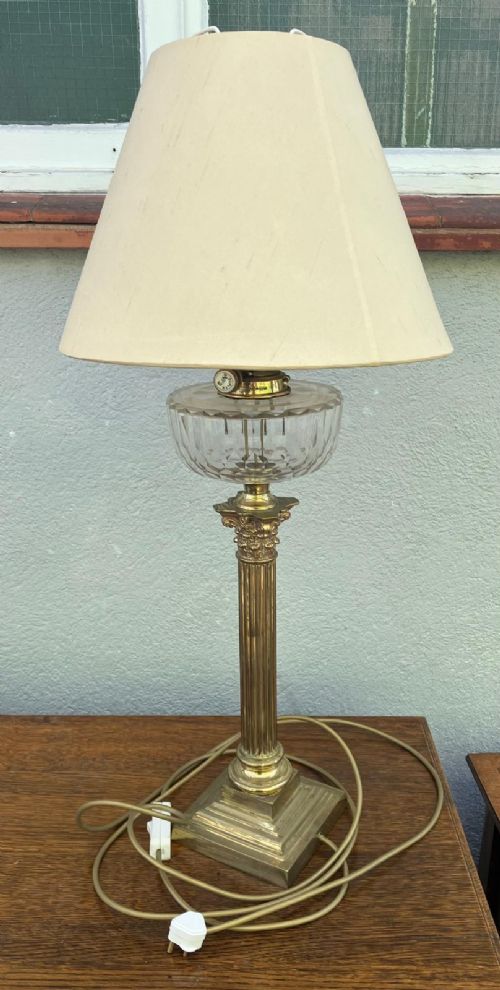
The most common examples on this page are Corinthian column designs and converted oil lamps that once burned fuel through glass or ceramic reservoirs before receiving modern electrical wiring.
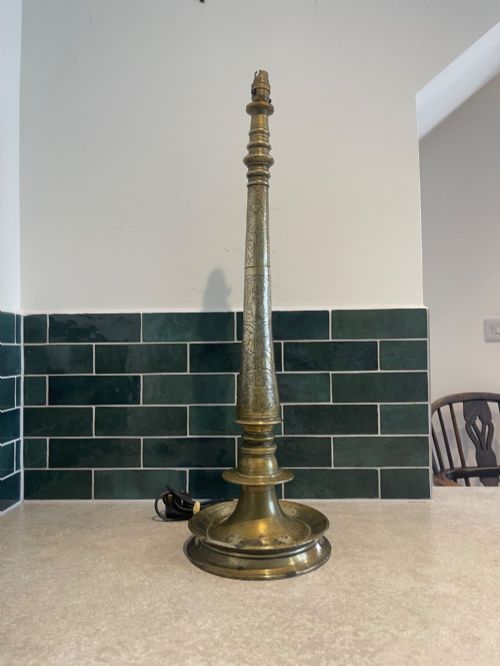
Many of these domestic fixtures originate as converted church candlesticks, desk reading lamps, or adjustable telescopic standards made from heavy cast and spun brass.

How they were made
Maker workshops utilised heavy brass casting, turning on lathes, and fine hand-chiselling to create rigid vertical shafts and stepped plinth bases.
Makers combined brass with contrasting materials such as cut cranberry glass, opaline glass, white marble, slate, and polished onyx to add weight and colour variety to the columns.
Many historical examples incorporate applied ormolu, silver plating, or embossed sheet metal wrapped around structural iron or timber cores.
Some nineteenth-century brass lamps feature an unusual clenched fist at the very top, gripping a decorative collar.
What varies in quality
Quality rests upon the crispness of the casting detail in capitals and flutes, where sharper acanthus leaves and deeper channel work denote superior metalworking skill.
The heft of the metal and the stability of the weighted base dictate the overall structural integrity, separating hollow, light pressings from solid, heavy columns.
The integrity of the original components, such as undisturbed patination, genuine glass reservoirs, and well-preserved surface plating, defines the desirability of each piece.
The Tall Brass Table Lamp Glossary
- Corinthian column
- A classical architectural column form featuring an ornate capital decorated with carved acanthus leaves, frequently utilised for tall nineteenth-century lamp standards.
- Ormolu
- Finely ground high-zinc brass applied as a rich, gold-coloured surface finish to decorative metalwork, common in French lighting pieces.
- Cranberry glass
- A rich red transparent glass created by adding gold chloride to the molten batch, often found in the reservoirs of converted oil lamps.
- Telescopic standard
- An adjustable brass shaft mechanism allowing the height of the lamp to be raised or lowered through a central sliding rod.
- Benson style
- A distinctive form of aesthetic movement lighting characterised by slender tripod bases and minimalist geometric brass construction.
Tall Brass Table Lamp: Frequently Asked Questions
How do I clean antique brass without removing the patina?
Gentle dusting with a dry microfibre cloth keeps dust from settling into the intricate recesses of cast capitals and embossed patterns.
Harsh chemical polishes strip away the aged dark oxidation that collectors value, so rubbing should be avoided entirely.
What is the difference between an oil lamp conversion and an original electric lamp?
Original electric pieces were manufactured specifically for wiring, whereas conversions started life burning paraffin or oil through glass or ceramic fonts.
Converted examples often retain heavier brass reservoirs and burner galleries fitted gracefully with modern bulb holders.
How can I tell a Victorian column from an Edwardian one?
Victorian models frequently display heavier classical proportions, slate plinths, and dark, patinated finishes combined with Cranberry glass reservoirs.
Edwardian examples often lean towards slender twists, bright polished brass, and lighter overall silhouettes suited for reading desks.