

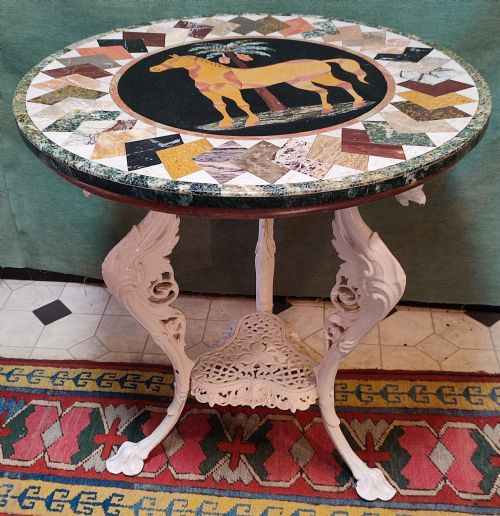


Vintage Marble Coffee Table
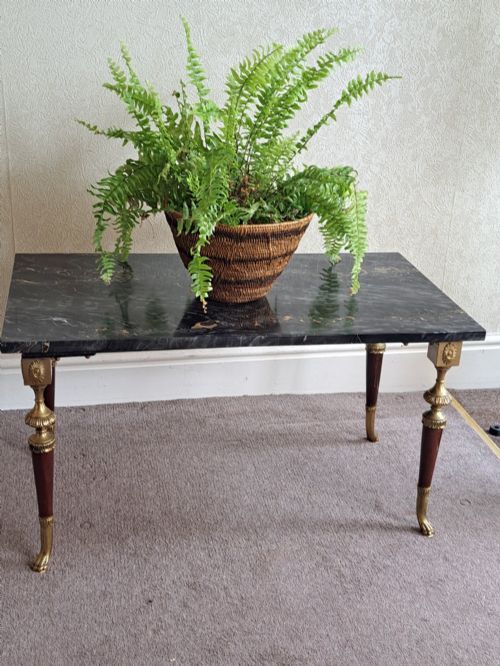
A vintage marble coffee table grounds a room with heavy stone and polished metal, bringing centuries of European and Asian craftsmanship straight to the hearth.
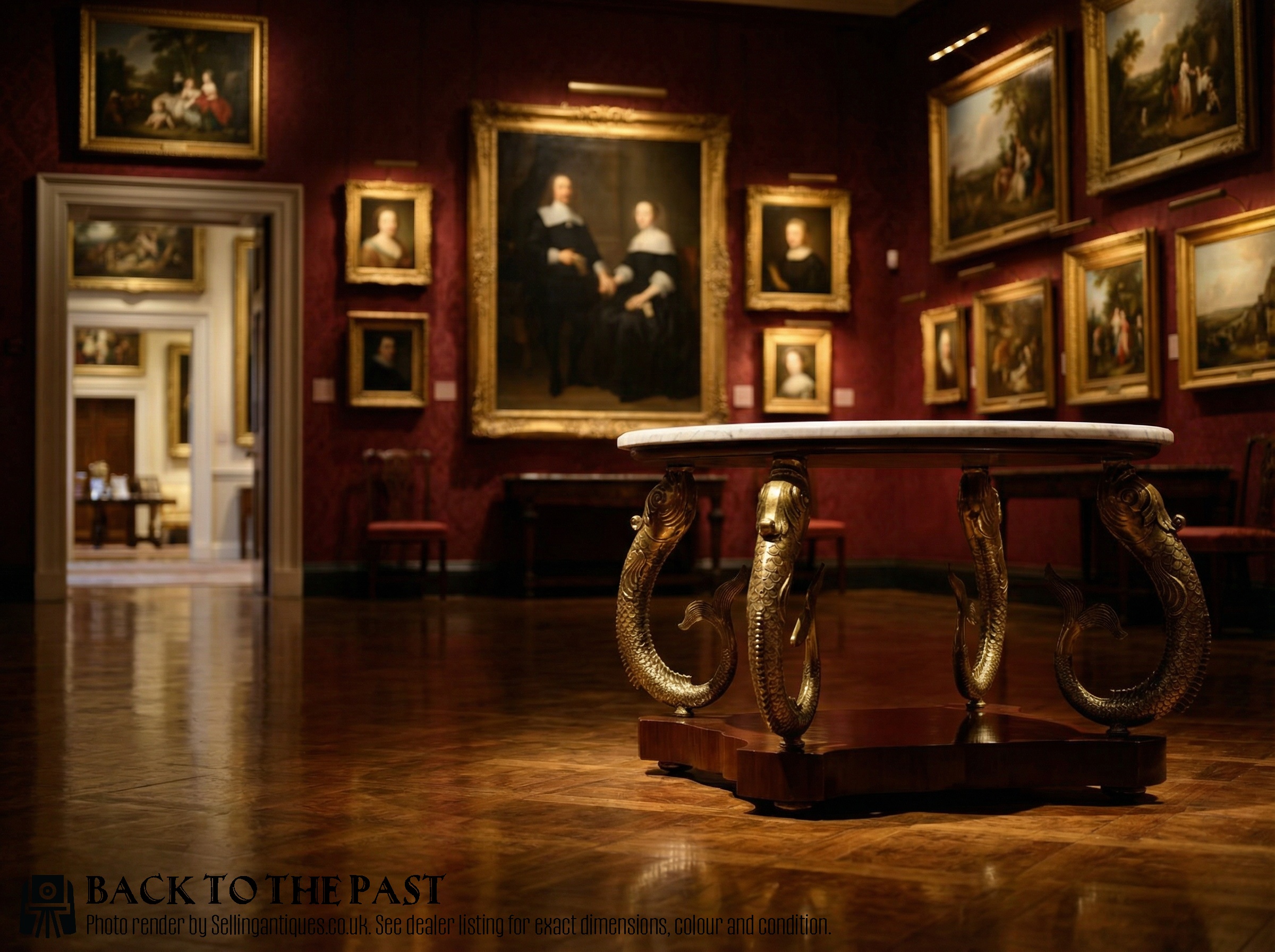
Vintage Marble Coffee Table
A vintage marble coffee table brings together heavy stone surfaces and sturdy frames from periods spanning the late nineteenth century to the mid twentieth century. Buyers seeking this phrase encounter low tables, plant stands, and occasional tables adapted for modern living.
French styles dominate the selections, alongside Italian neoclassical pieces and Anglo-Indian inlaid works. Walnut, giltwood, brass, and cast iron frequently form the supportive structures beneath the stone tops.
The inventory ranges from small bistro tables to grand carved walnut centre pieces. Each item reflects the domestic utility and decorative tastes of Edwardian and earlier households.
How they were made
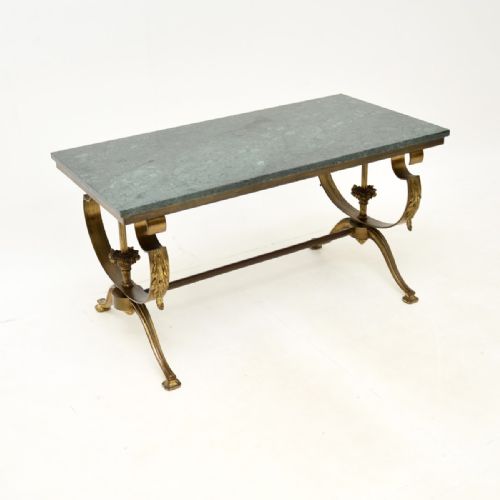
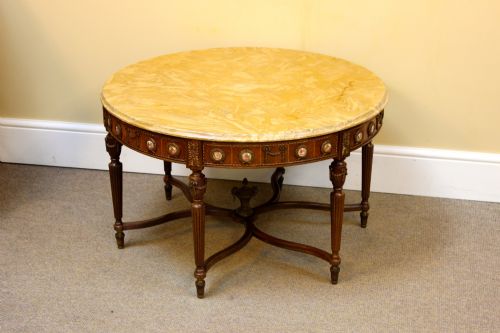
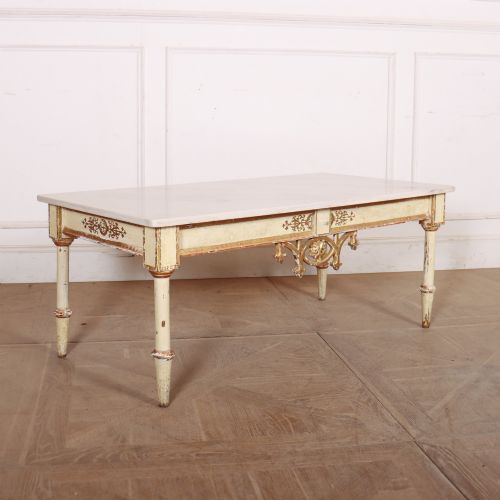
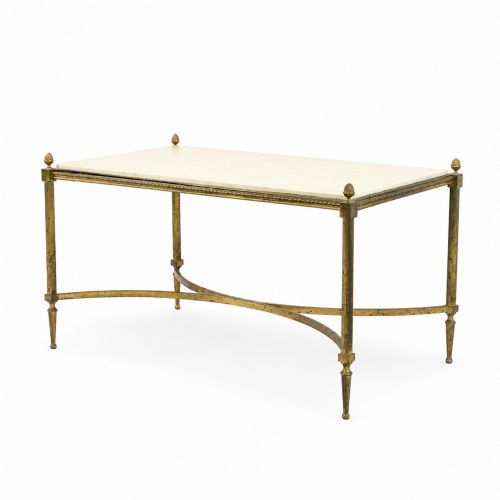
Craftsmen paired natural stone slabs with structural frames built from hardwood, walnut, giltwood, and painted wood. Brass and cast iron provided durable support for heavier tops, particularly in French and Italian workshops.
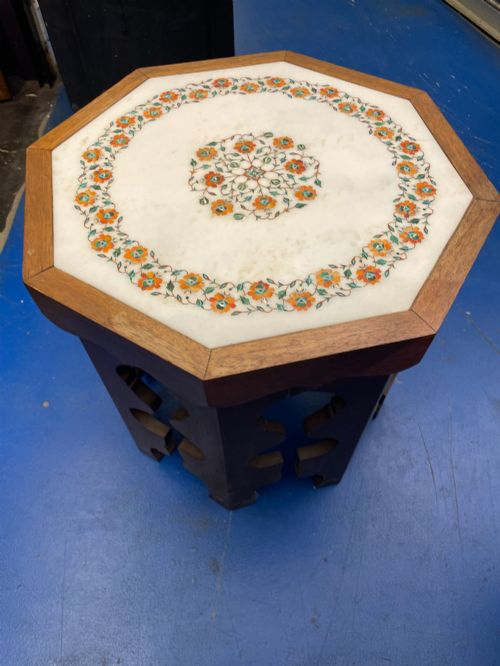
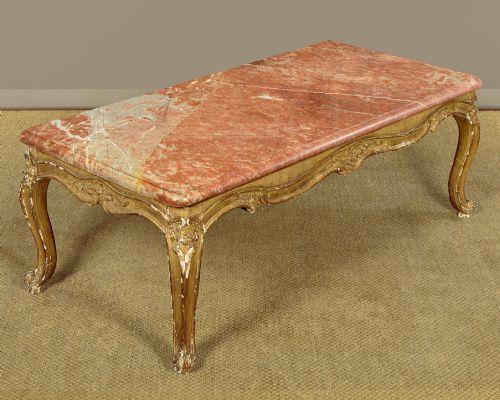
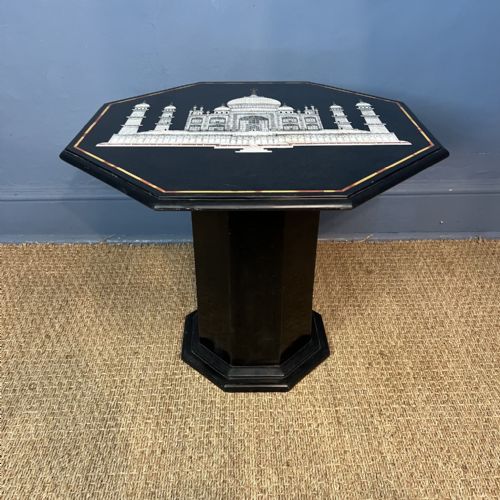
Surfaces often feature intricate inlays, such as specimen marble or Taj Mahal stone work set into the stone. Frames received detailed carving, gilding, or copper mounts to complement the polished mineral slabs.
Listings feature pieces utilising marble, brass, giltwood, walnut, and cast iron across periods from the nineteenth century to the nineteen-fifties.
What varies in quality
The refinement of the stone carving and the complexity of the frame dictate the standing of each piece. Finely cast brass mounts and intricate inlaid specimen tops distinguish superior examples from simpler utilitarian tables.
Materials such as giltwood and figured walnut elevate the status of a frame above basic painted wood or cast iron. The harmony between the stone top and its supporting structure defines the overall success of the design.
B Battioli, Varese
The Vintage Marble Coffee Table Glossary
- Specimen marble
- Stone tops composed of many small, different coloured marbles assembled in geometric or pictorial patterns. This technique demands immense skill from the lapidary worker.
- Giltwood
- Wood that has been coated with a thin layer of gold leaf. It is frequently seen on decorative frames from the nineteenth and early twentieth centuries.
- Cast iron
- An iron-carbon alloy poured into moulds to create rigid, ornate table bases. It provides heavy stability for stone tops.
- Occasional table
- A small, versatile table designed for general utility rather than a single specific purpose. These pieces easily move about domestic spaces.
Vintage Marble Coffee Table: Frequently Asked Questions
How do I clean a marble top?
Wipe the surface gently with a soft, damp cloth using mild, pH-neutral soap. Avoid acidic cleaners or harsh chemicals that can etch the polished stone.
Dry the table thoroughly afterwards to prevent water marks. Regular dusting keeps the mineral grain looking bright.
Can I use a plant stand as a coffee table?
Many smaller stands and occasional tables share similar heights and stone tops with traditional low tables. They function well beside seating areas for holding lamps or cups.
Check the dimensions of each piece to ensure it matches your furniture layout. Their compact footprints suit smaller sitting rooms.
How do I date an iron and marble table?
Examine the construction methods of the metal frame and the cut of the stone. Cast iron elements and French Provincial styling often point towards early twentieth century production.
Look for wear patterns on the underside and joints. Maker marks or stamps can also provide clues to the exact decade.