

Vintage Mantle Clock
These vintage mantle clock designs bring character and timekeeping craft into a room, spanning brass carriage pieces to bold Art Deco walnut models.

Vintage Mantle Clock
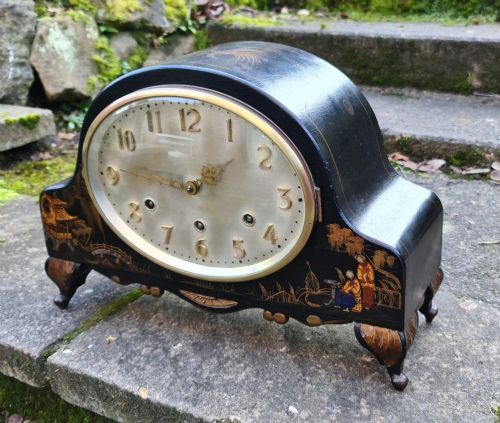
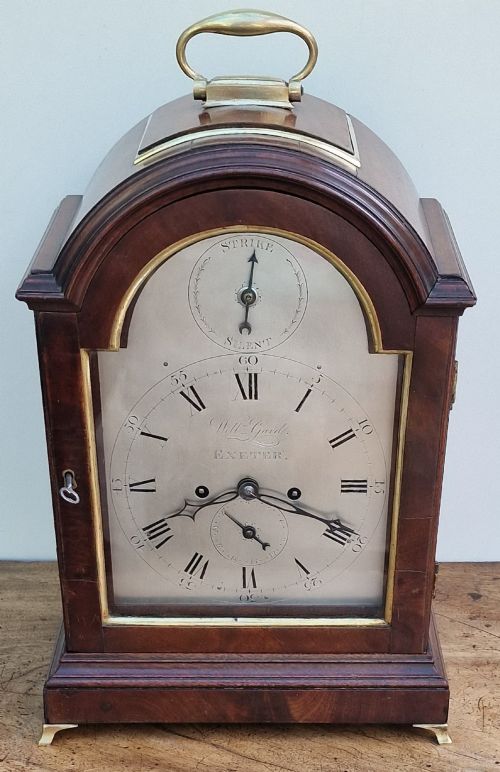
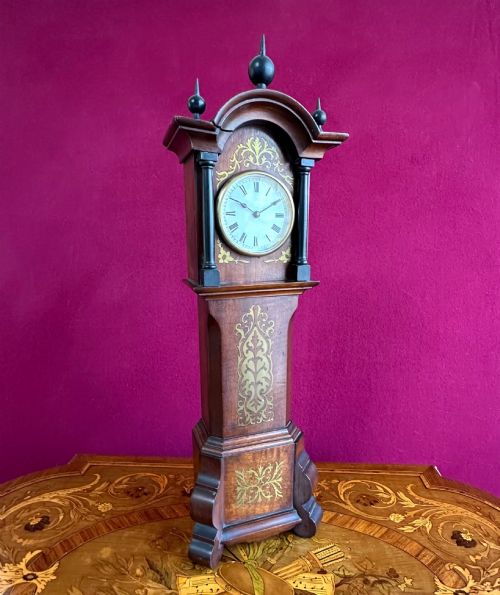
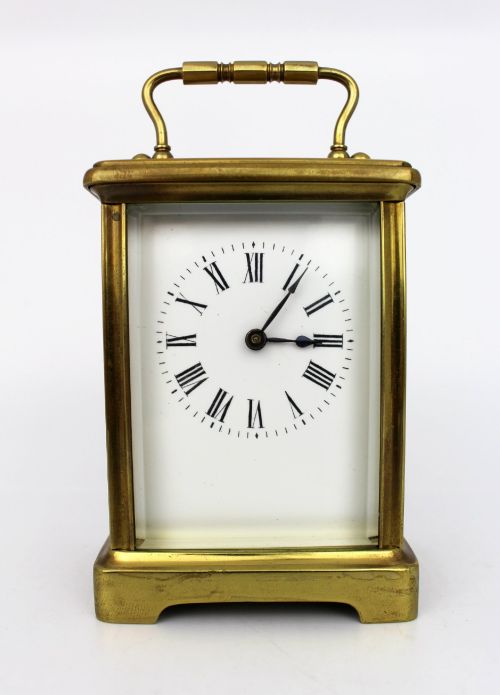
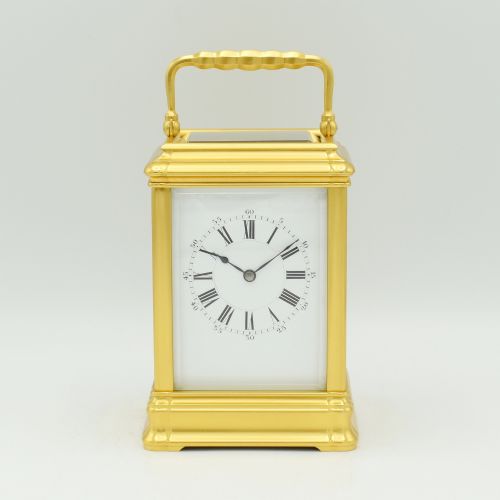
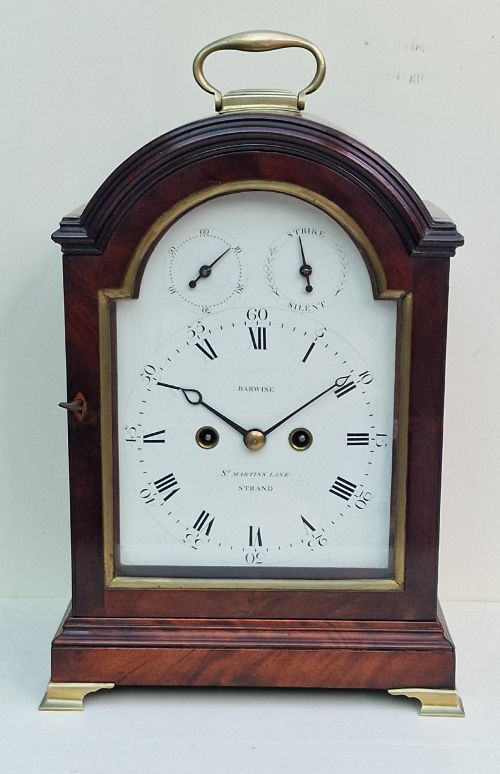
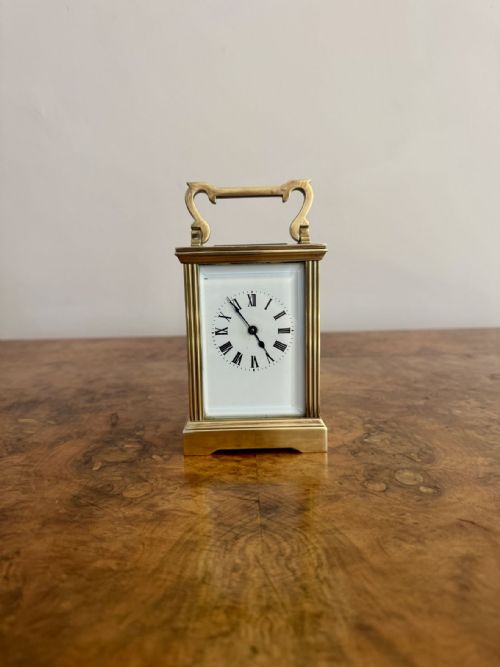
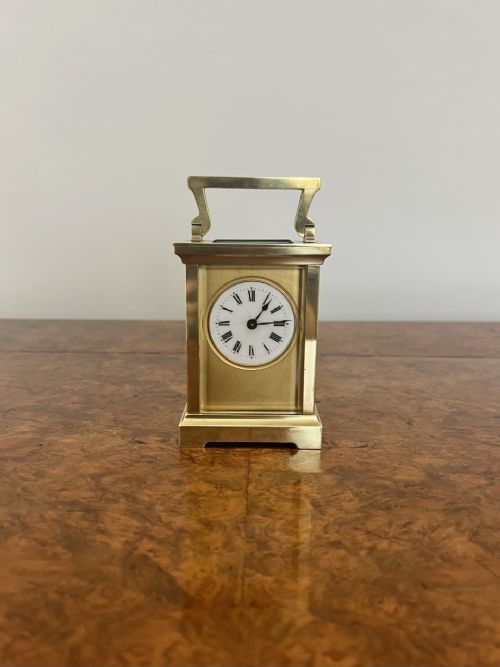
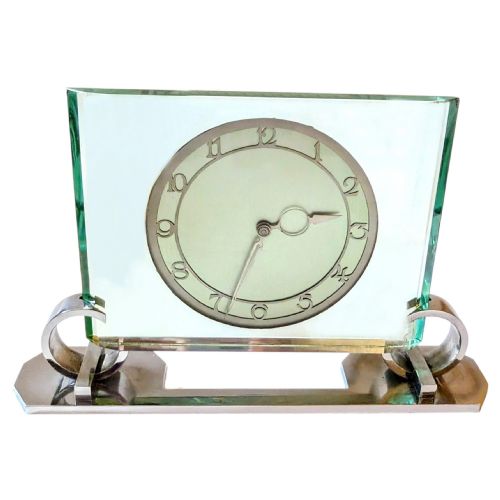
When you search for a vintage mantle clock, you encounter a wide selection of timepieces originating from the nineteenth and twentieth centuries. The assortment includes traditional wooden bracket clocks, brass carriage pieces with glass panels, and geometric models from the Art Deco period.
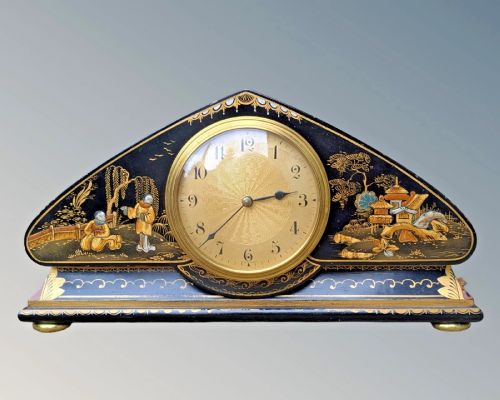
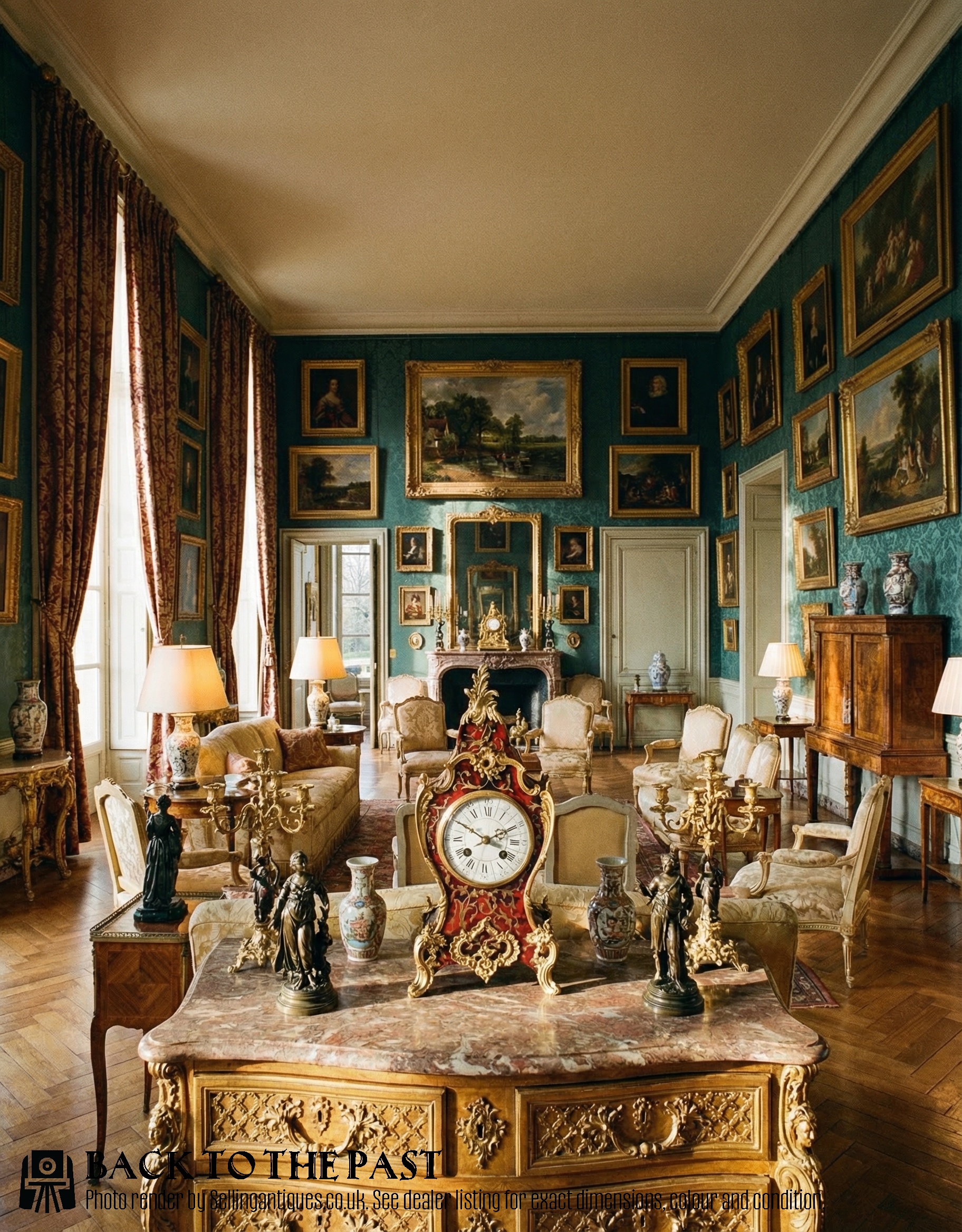
You are most likely to meet mahogany or walnut mantel clocks from the Edwardian and Victorian eras on this page, alongside Swiss and French movements housed in metal or lacquered cases. Styles range from simple Chinoiserie and Regency designs to elaborate ormolu figural pieces.
How they were made
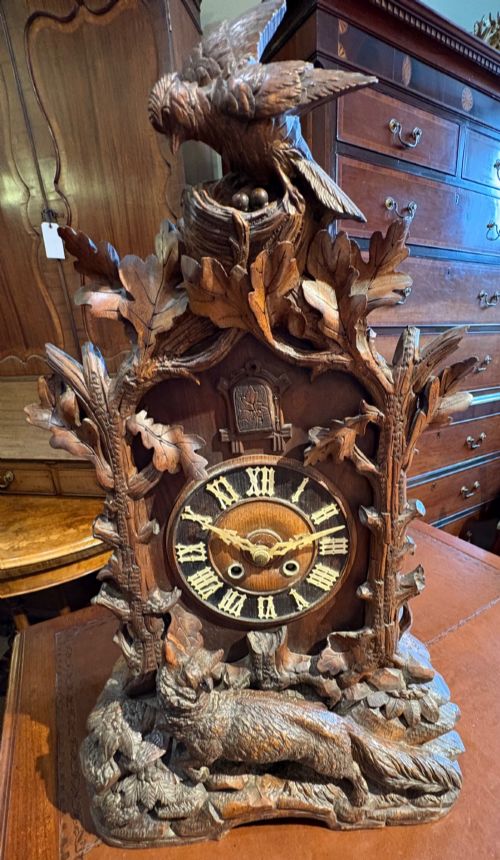
Cabinet makers utilised dense hardwoods such as mahogany, walnut, oak, and rosewood, often incorporating brass inlay, glass panels, and fine lacquer work to finish the wooden cases.
Metal components involved cast brass, chrome, ormolu, and silver, paired with enamel dials and mechanical movements driven by springs or weights.
Vintage Mantle Clock Retail Price Guide 2026
Typical asking prices for vintage mantle clock among the pieces listed under this phrase on Sellingantiques today, from the lower quarter to the upper quarter. They describe what is for sale here now, not the wider market.
What varies in quality
The standard of a clock rests on the precision of its movement and the execution of its exterior casework, separating mass-produced items from workshop pieces signed by named makers.
Materials dictate much of the worth, with solid figured timbers, fire-gilded ormolu, and hallmarked silver casework standing apart from simpler plated metals and secondary woods.
William Gard·Mappin & Webb·Henri Jacot·Smiths Clockmakers·John Morley
The Vintage Mantle Clock Glossary
- Bracket clock
- A portable timekeeper originally designed to sit on a wall bracket. They commonly feature striking mechanisms and fine wooden cases.
- Carriage clock
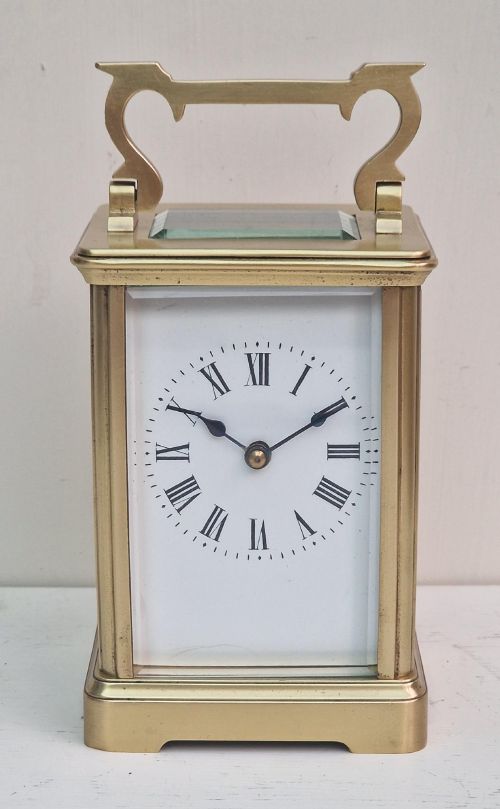
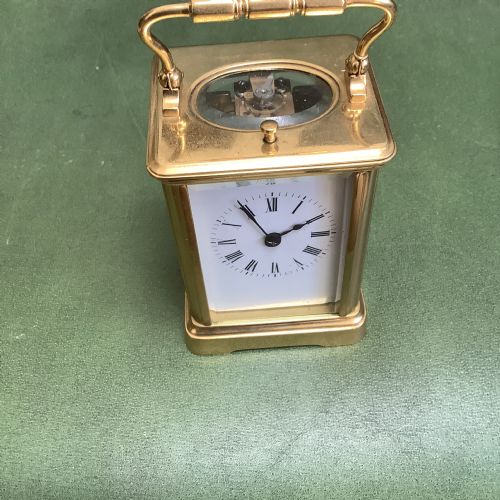
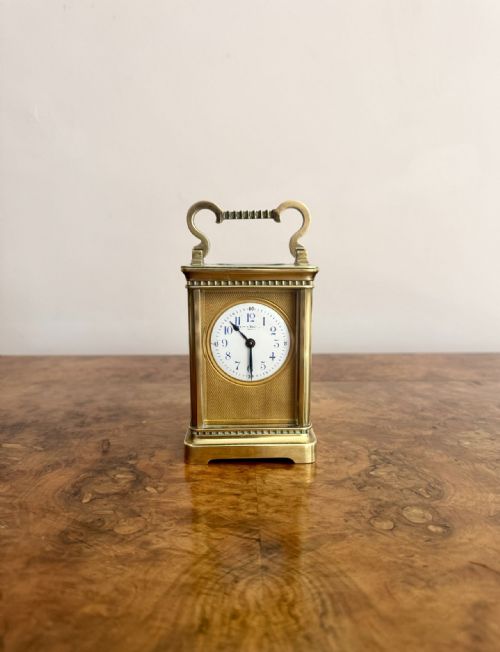
- A small, spring-driven timekeeper equipped with a carrying handle and glass panels. They were originally made for travel during the nineteenth century.
- Ormolu
- Gilded bronze produced by applying a mercury and gold amalgam to cast bronze. It provides a bright golden finish on nineteenth-century French pieces.
- Chinoiserie
- European decorative style reflecting Chinese artistic traditions. It appears on lacquered clock cases with painted or gilt motifs.
Vintage Mantle Clock: Frequently Asked Questions
How do I wind a mechanical mantle clock?
Wind the movement using the appropriate key inserted into the dial holes, turning gently until you feel resistance. Do not overwind, as this can damage the internal spring.
Ensure you match the key size correctly to avoid wearing down the winding square. Most eight-day movements require winding once a week.
Where should I place a vintage clock?
Position your clock on a level, stable surface away from direct sunlight, radiators, and damp areas. Wooden cases react poorly to extreme temperature fluctuations.
Mantels and sideboards provide ideal sturdy platforms that prevent vibrations from interfering with the pendulum or balance wheel.
How do I tell an Art Deco clock apart from a Victorian one?
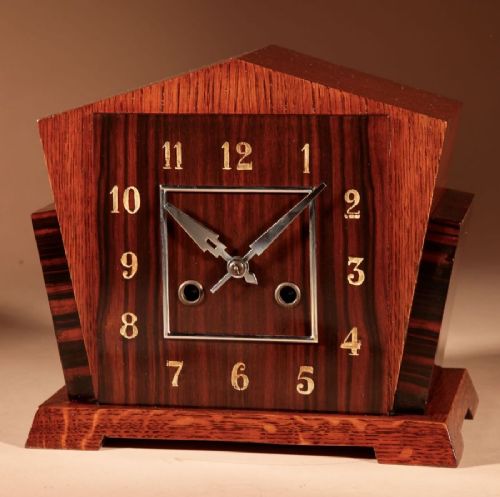
Art Deco clocks showcase geometric lines, chrome, Bakelite, and contrasting veneers like Macassar ebony. They typically date from the 1920s and 1930s.
Victorian pieces rely on traditional materials such as heavy brass, mahogany, and ornate ormolu, featuring curved floral or classical architectural motifs.
What is a carriage clock used for?
Carriage clocks served as portable timekeepers for travellers in the nineteenth century, often supplied with a leather travel case.
Today, they function as decorative desk or mantel timepieces, prized for their visible glass panels and brass frames.