


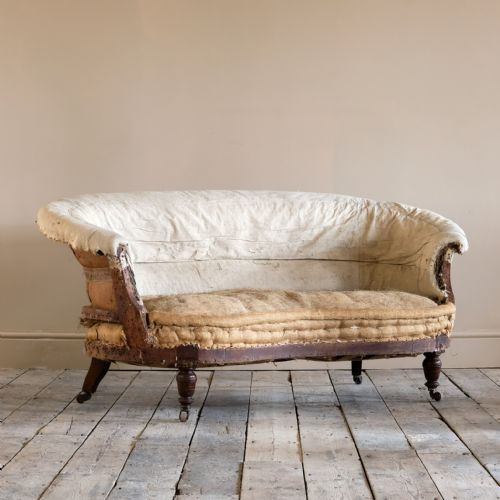

Vintage Mahogany Settee
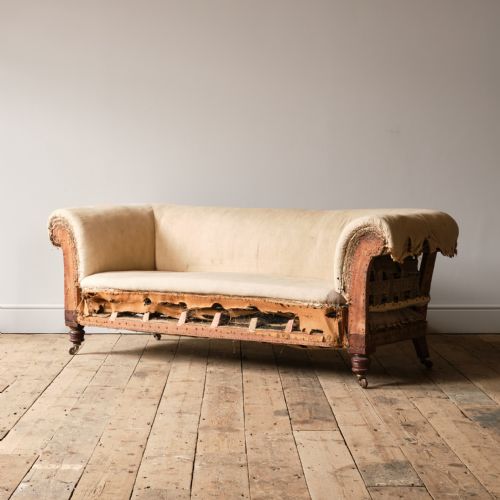
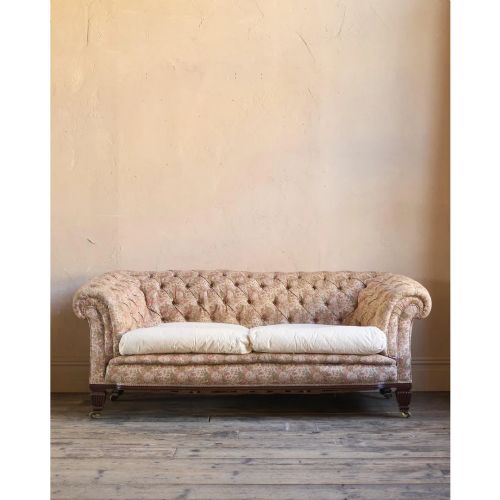
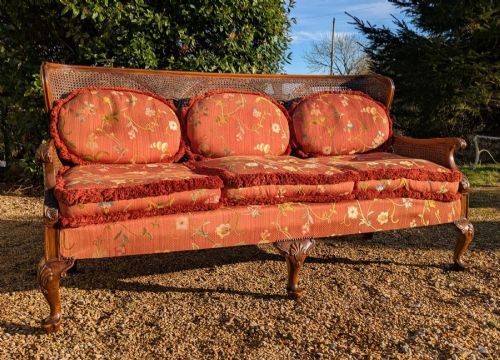
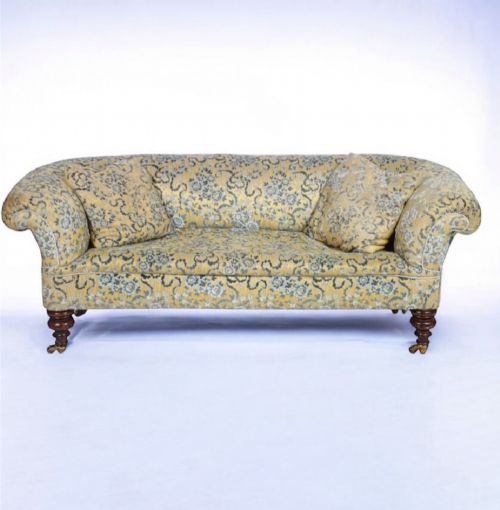
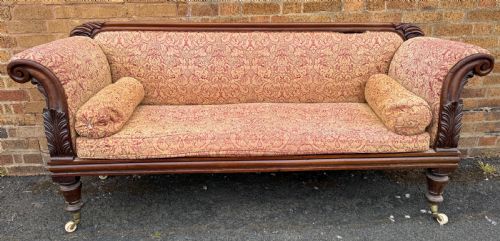
A vintage mahogany settee brings solid timber framing and classic upholstery together, offering substantial seating for a period interior.
Vintage Mahogany Settee
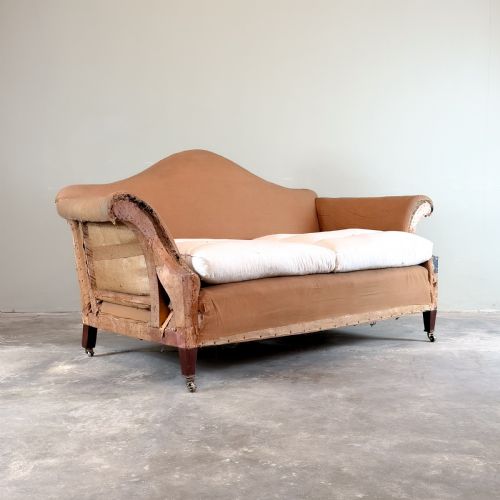
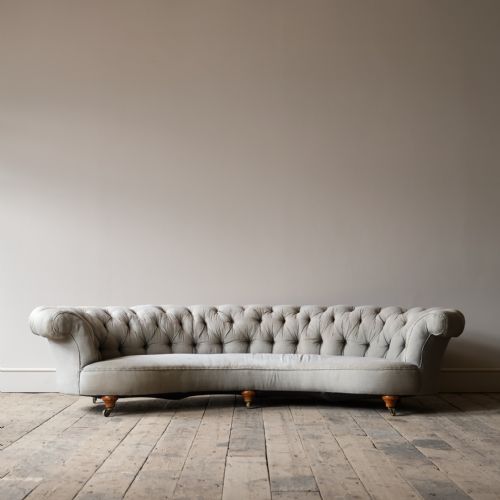
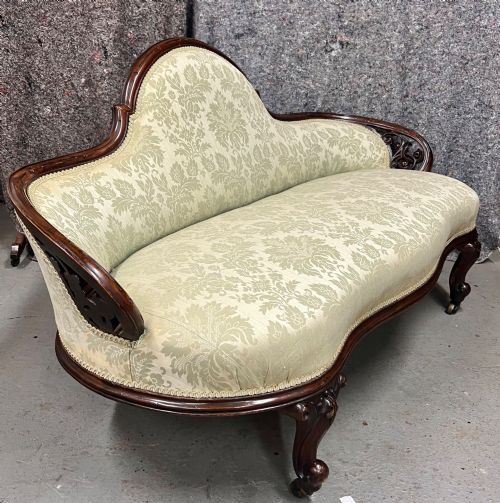
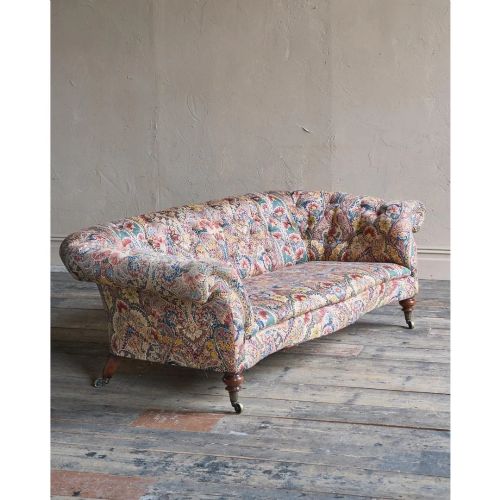
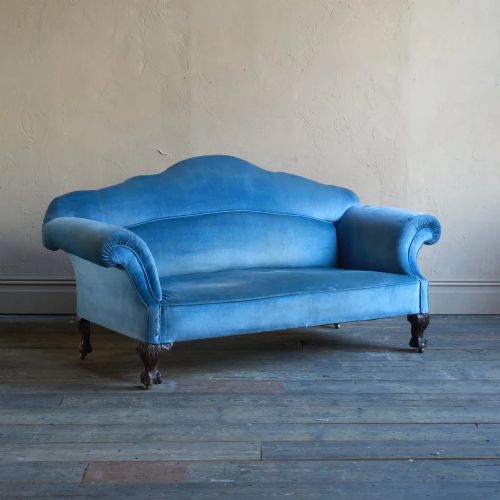
A vintage mahogany settee encompasses various seating forms designed across the nineteenth and early twentieth centuries, including camel back, scroll-end, and Chesterfield styles. These pieces range from compact Edwardian parlour seating to large nineteenth century country house sofas.
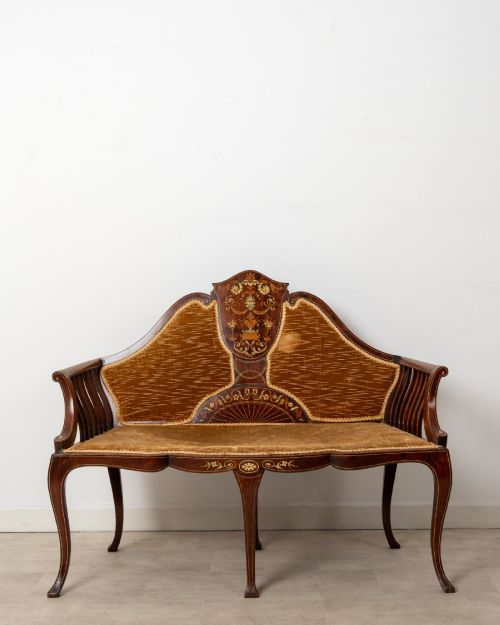
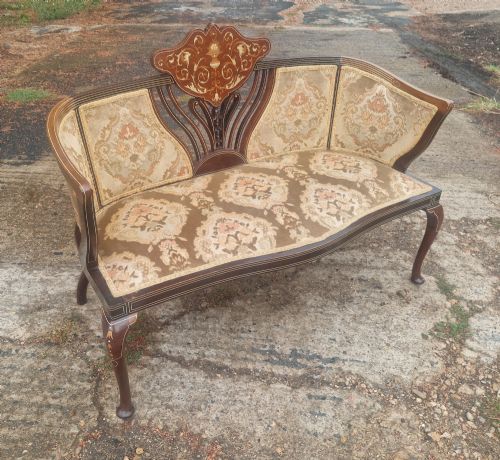
The most common examples on this page date from the Victorian and Edwardian eras, often displaying revival influences such as Chippendale and Georgian styles. Makers frequently incorporated satinwood inlay, brass details, and carved frames into these domestic seating arrangements.
Buyers will also encounter specific configurations like bergere sofas, double-ended couches, and chaise longues. These variations reflect the changing social habits and interior fashions of the periods spanning from eighteen-eighty to nineteen-thirty.
Materials and Construction
Carpenters built the primary frames of these settees using solid mahogany, sometimes enhanced with decorative satinwood inlay or intricate carved details. Structural stability often relied on robust hardwoods, occasionally supplemented with brass fittings on legs or castors.
Upholstery techniques varied widely according to the intended room and era, employing materials such as leather, velvet, damask, fabric, and hessian. Interior padding ranged from traditional horsehair and feather cushions to sprung foundations enclosed by durable textiles.
Some Edwardian settees served double duty at the foot of the bed, proving that Victorian comfort knew no bedroom boundaries.
Craftsmanship and Proportion
Quality in a mahogany settee rests upon the crispness of the timber carving, the balance of the proportions, and the integrity of the frame construction. Superior pieces maintain tight joinery in the mahogany structure and show refined execution in decorative elements like inlay and ball and claw feet.
The grade of the original upholstery materials and the retention of maker signatures or stamps further distinguish exceptional examples. Pieces from established cabinet makers or renowned workshops demonstrate a higher standard of design execution compared to standard commercial output.
Howard and Sons·Hampton and Sons·Jas Shoolbred
The Vintage Mahogany Settee Glossary
- Mahogany
- A durable tropical hardwood prized for its rich reddish-brown colour and fine grain. It served as the primary structural and decorative timber for high-quality nineteenth and early twentieth century furniture frames.
- Chesterfield
- A traditional upholstered sofa style characterised by deep buttoning, rolled arms, and a back of the same height. This form frequently appeared covered in leather or heavy damask within country house interiors.
- Bergere
- An enclosed upholstered armchair or sofa featuring cane panelling on the sides or back. These seating pieces typically incorporate loose feather or down cushions for comfort.
- Chippendale Revival
- A decorative style popular in the nineteenth and early twentieth centuries that reinterprets eighteenth-century designs. Pieces in this style often feature characteristic elements like carved ball and claw feet and elaborate camel backs.
- Satinwood Inlay
- A contrasting decorative technique where lighter yellowish wood veneer is inserted into recesses within the darker mahogany surface. This detailed craftsmanship frequently highlights Edwardian parlour furniture.
Vintage Mahogany Settee: Frequently Asked Questions
Where did these settees sit?
These seating pieces typically stood in grand drawing rooms, formal parlours, and country house reception halls. They served as central gathering furniture for entertaining guests and family members.
Smaller variants like end of bed seats and window benches found their places in private sleeping quarters and transitional hallways. Their versatile forms allowed them to adapt to both public reception spaces and private domestic rooms.
How do I clean the leather?
Maintenance of leather upholstery requires gentle dusting with a dry, soft cloth to prevent surface grit accumulation. Conditioning treatments help preserve the suppleness of older hides without altering their finish.
Harsh chemical detergents and excessive moisture should remain strictly avoided to protect the natural fibres. Professional conservation advice is recommended for historic or hand-dyed leathers found on nineteenth-century frames.
Can I use daily?
These antique settees accommodate everyday domestic use provided they receive sensible care and respect for their age. Solid mahogany frames offer robust structural support for daily seating.
Periodic checks of the internal webbing, springs, and joint stability ensure the furniture remains safe for regular occupation. Original upholstery may require delicate handling compared to modern manufactured alternatives.
Are cushions original?
Original padding and cushion fillings rarely survive intact across centuries of domestic use and wear. Many pieces have undergone reupholstering to maintain functional comfort while retaining historic frames.
Textiles and internal stuffings such as feathers or hessian frequently date from later restoration periods rather than the initial manufacture date. Evaluating the upholstery involves assessing both the period fabric choices and the underlying support structure.