
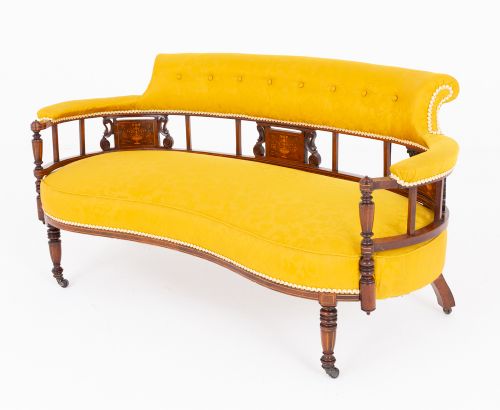
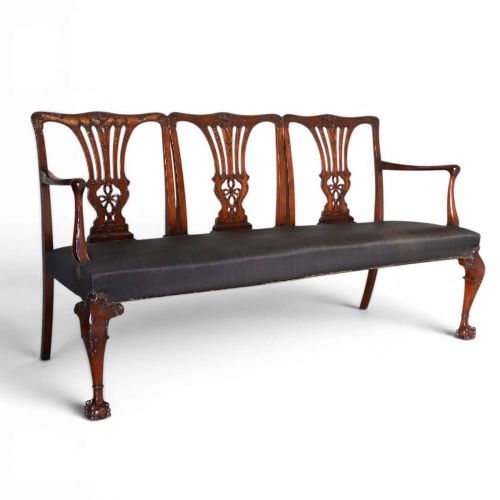
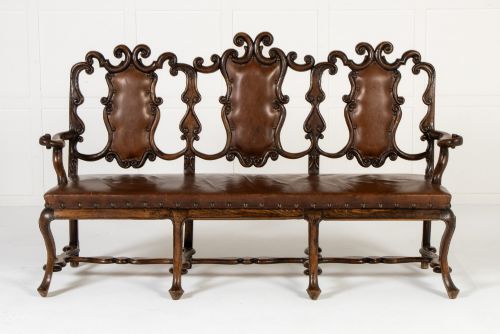
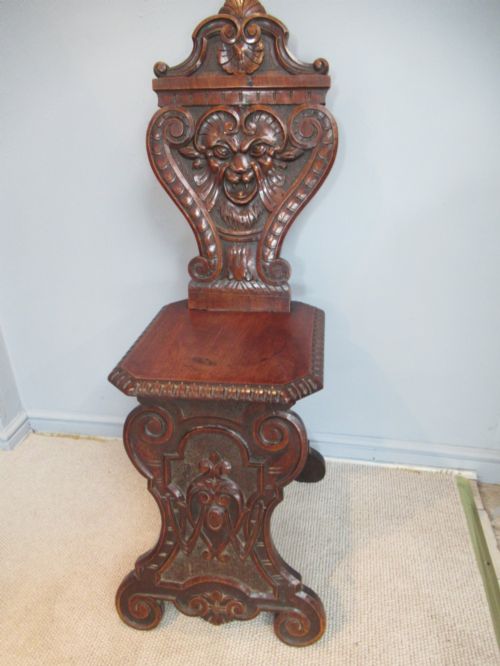
Chair Back Bench
A chair back bench brings together the upright formality of individual seating and the extended comfort of a settle, spanning Georgian elegance and country utility.
Chair Back Bench
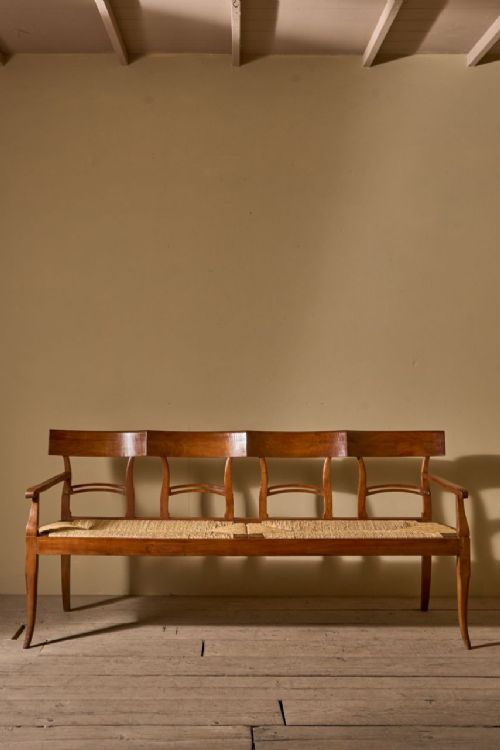
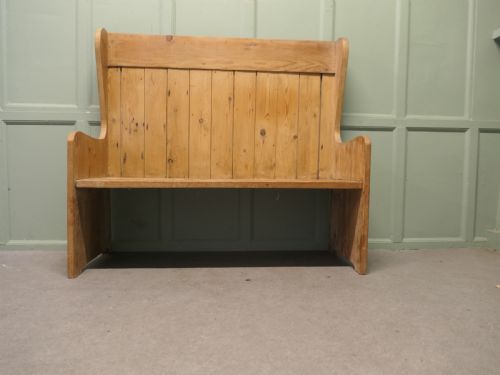
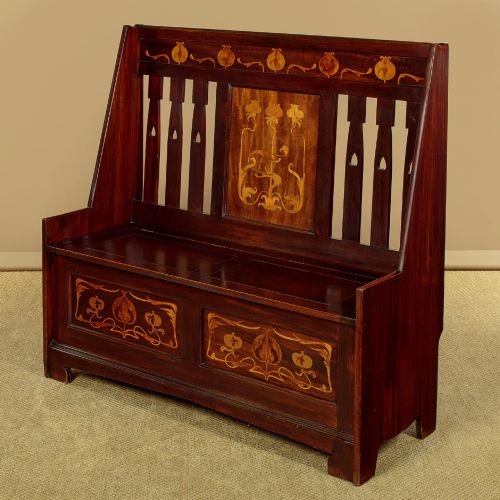
A chair back bench merges the timber structure of interconnected seating backs with a shared long seat, spanning diverse forms from robust country settles to refined drawing-room settees. When exploring a chair back bench, buyers encounter pieces configured as settles with storage boxes, open hall benches, and multi-seat garden forms.
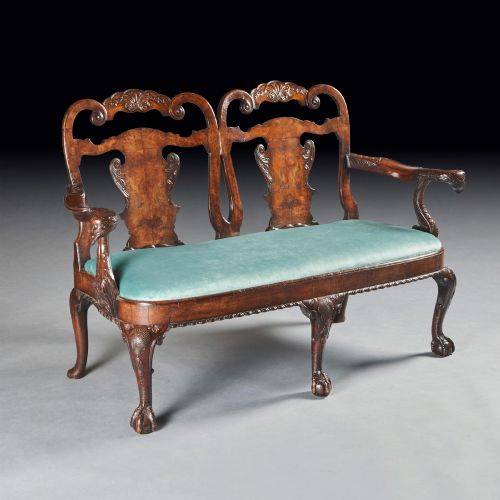
The historical spread reaches from 18th-century Georgian craftsmanship through Victorian revivals and Edwardian variations. Oak, mahogany, and painted pine dominate the domestic examples, while specific pieces adapt classical George II and Chippendale layouts into extended formats.
Materials and Technique
Cabinetmakers constructed these frames primarily using solid hardwoods such as mahogany, walnut, and oak, alongside softer domestic woods like pine, cherrywood, and elm. Joinery relied on traditional mortise and tenon frames, allowing the connected upright backrests to withstand regular pressure.
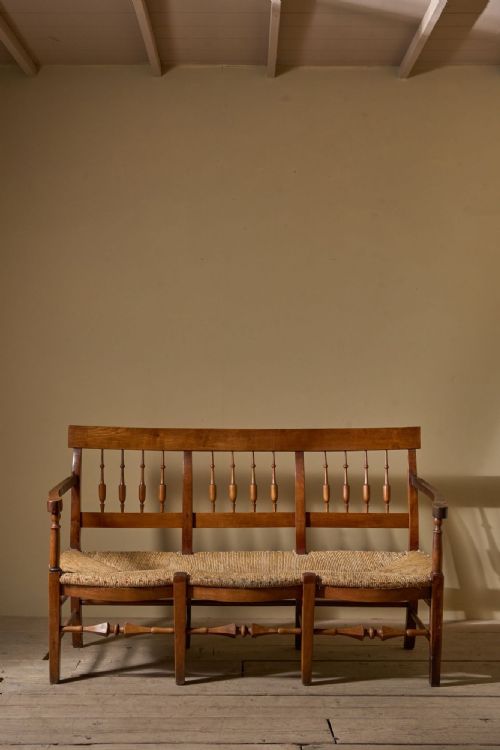
Surface treatments range from clear wax finishes highlighting natural grain to painted schemes, tulip decoration, and intricate strapwork. Seating surfaces incorporate solid timber, rush squabs, caning, or upholstered textile pads depending on the intended room.
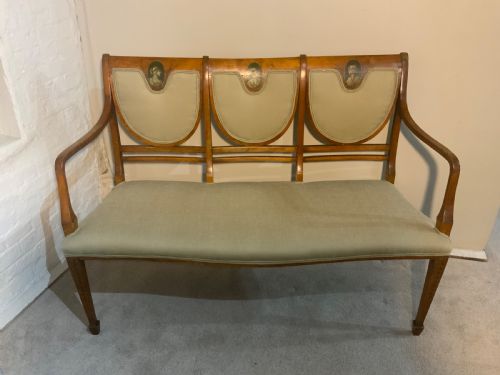
Listings demonstrate construction across walnut, mahogany, oak, pine, and satinwood, spanning Georgian, Victorian, and Edwardian eras.
Assessing Craftsmanship
The division between standard output and finer examples rests on the crispness of carved back splats, particularly in pieces following Chippendale or George II design vocabulary. Superior construction shows in the fluid integration of multiple chair backs into a single unified frame without awkward spacing.
Integrity of timber and originality of surface finish dictate long-term character, distinguishing honest country timber from later assembly. Subtle details such as hand-carved rail junctions, fluted legs, and intact rush or caned panels elevate the execution.
James Shoolbred & Co.
The Chair Back Bench Glossary
- Settle
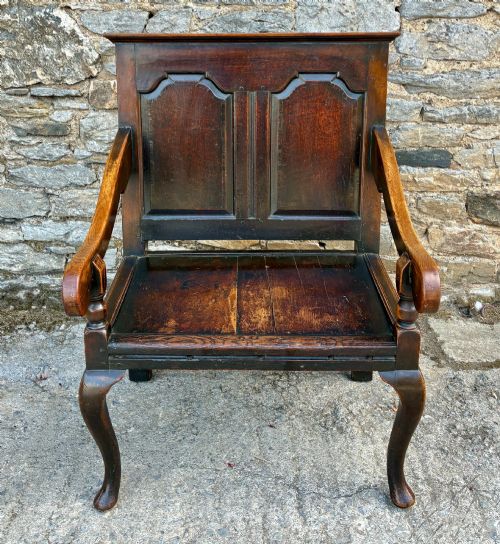
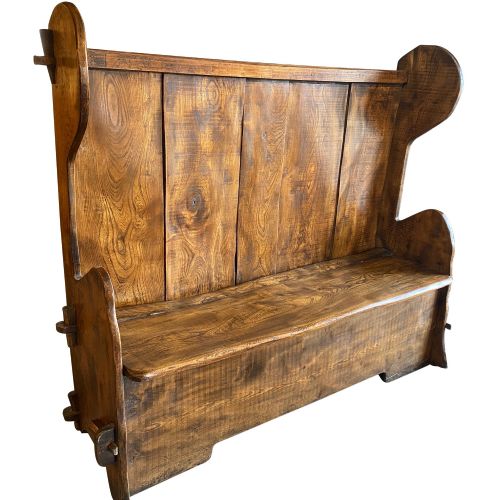
- A wooden bench featuring a high solid back, often fitted with armrests and a box seat for storage. This form protected occupants from draughts in older domestic interiors.
- Strapwork
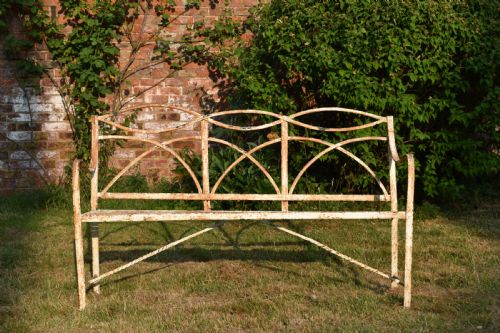
- Ornamental interlaced bands resembling leather straps, applied to carved chair backs or garden furniture. This decorative technique defines specific Regency and classical revival pieces.
- Chippendale Style
- A furniture design movement originating in the 18th century, distinguished by carved ribbon backs, cabriole legs, and intricate fretwork. Later revival pieces frequently adopt these distinct proportions.
- Rush Seating
- Woven dried marsh grass forming a durable, flexible seat pad within a timber frame. This traditional method appears frequently on country hall benches and provincial seating.
Chair Back Bench: Frequently Asked Questions
Where were chair back benches used?
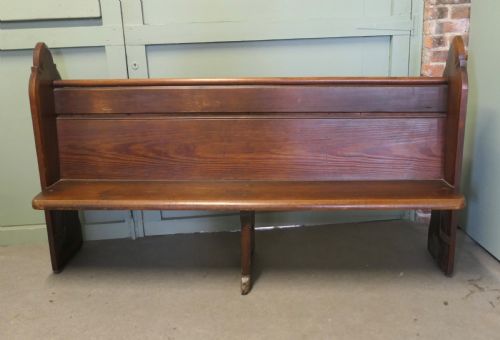
These pieces served practical roles in hallways, domestic kitchens, and fireside corners, providing extended seating where individual chairs took up too much space. Public houses and churches also utilised sturdy wooden settles for communal seating.
Finer decorative variations occupied grander reception rooms and drawing rooms, matching the formal seating arrangements of the period.
How do I identify a Georgian settle?
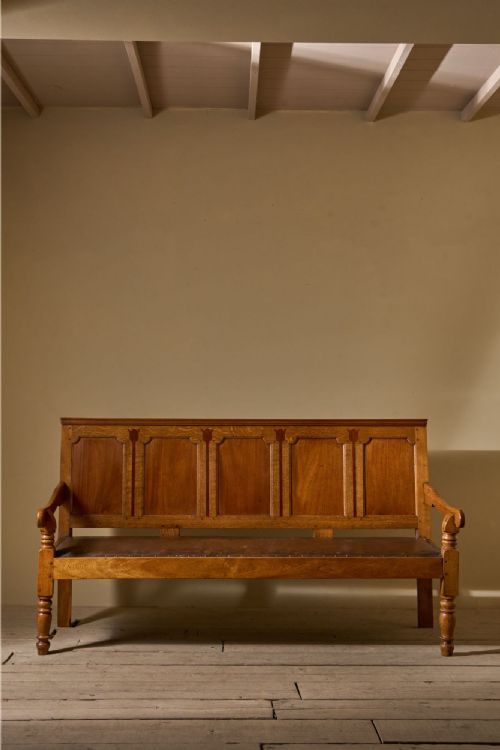
Authentic Georgian examples typically feature heavy oak or mahogany construction, showing simpler panelled backs or restrained carving rather than heavy revival ornamentation. Proportions remain functional and robust, often including integrated box storage beneath the seat.
Later revival pieces built in the 19th or 20th centuries often display softer timber ageing or machine-cut joinery components underneath the surface.
Can these benches be used outdoors?
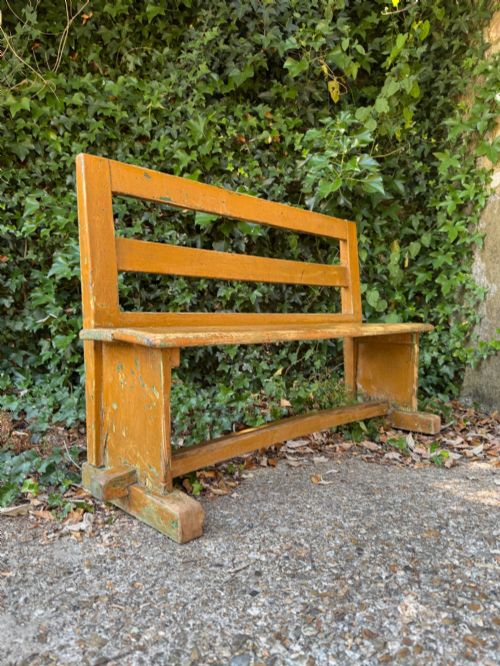
Certain surviving examples, particularly those designated as garden benches or constructed with weather-resistant timber and strapwork, suit outdoor placement. Most indoor settles and upholstered settees require a protected indoor climate to prevent timber splitting and fabric degradation.
Checking the original material and finish helps determine whether a piece belongs in a garden room or a formal interior space.
What is a box settle?
A box settle incorporates a hinged seat lid opening to a concealed storage compartment underneath, combining trunk functionality with bench seating. This dual-purpose design kept household blankets or dry goods secure in older homes.
Constructed mainly from solid pine or oak, these storage benches prioritised daily utility alongside fireside warmth.