
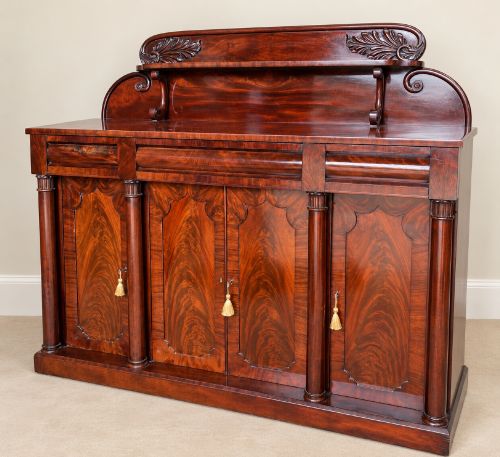
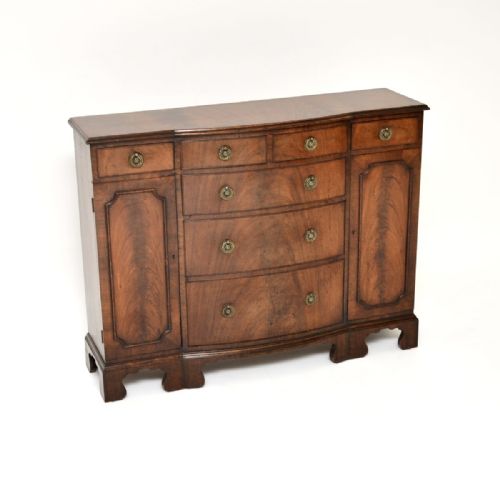
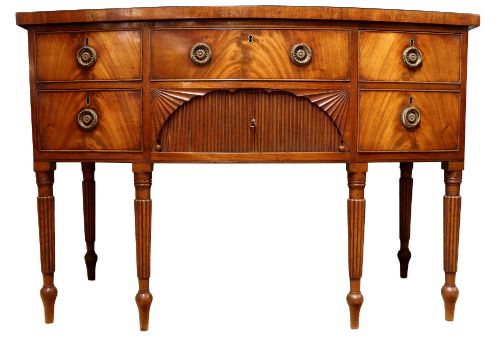
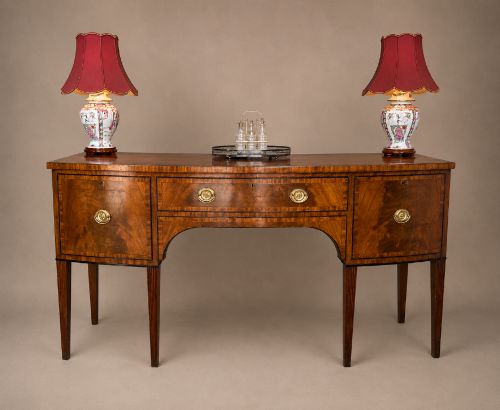
Vintage Mahogany Server Table
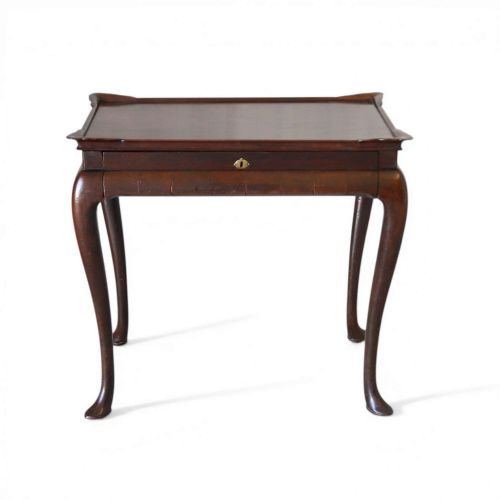
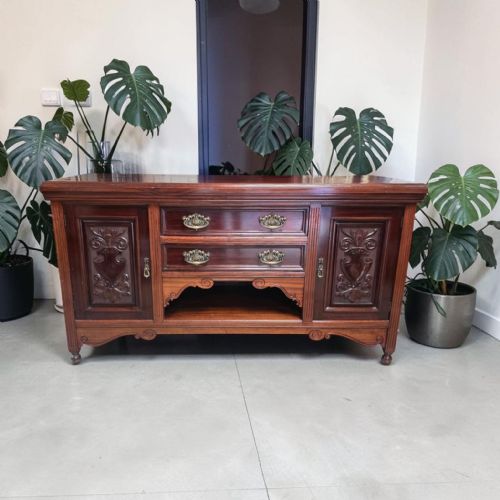
A vintage mahogany server table brings practical surface space and rich grain to a dining room or hallway.
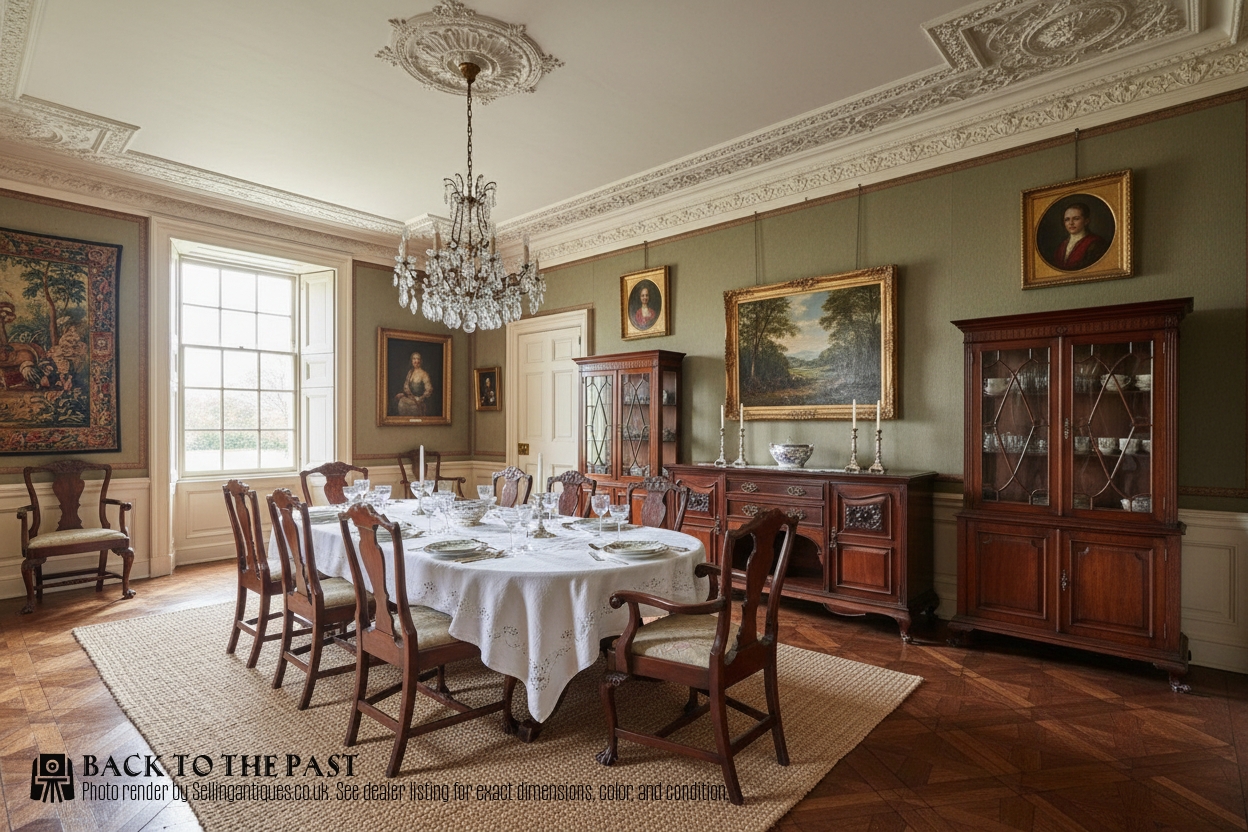
Vintage Mahogany Server Table
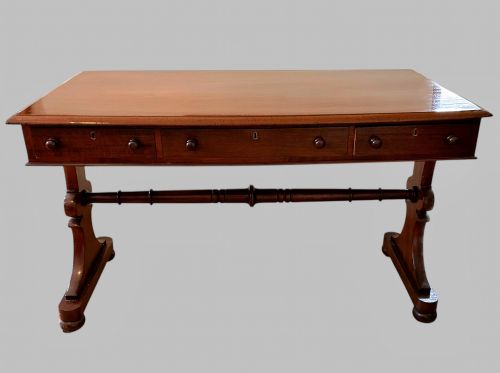
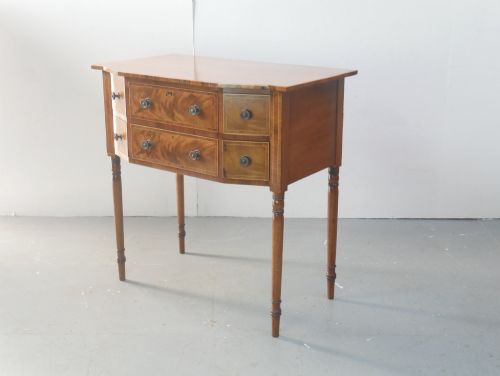
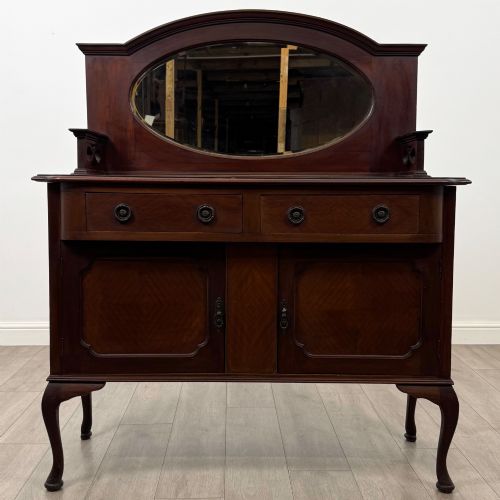
A vintage mahogany server table is a utilitarian dining room or hallway piece designed for serving food, holding platters, or displaying silver. When you search for a vintage mahogany server table, you encounter forms ranging from formal sideboard sideboards and console tables to side tables and narrow servers dating from the Georgian period through the Edwardian era and the twentieth century.
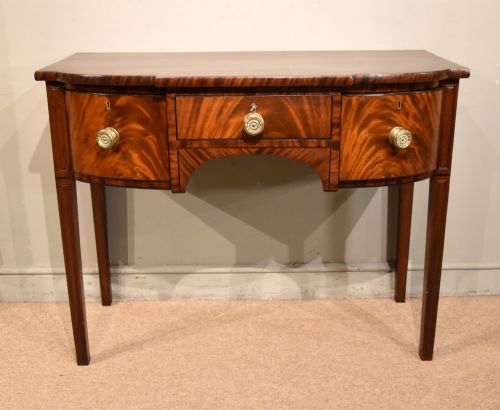
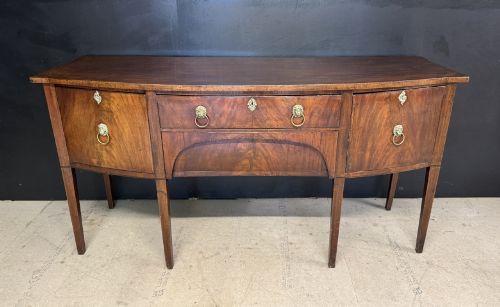
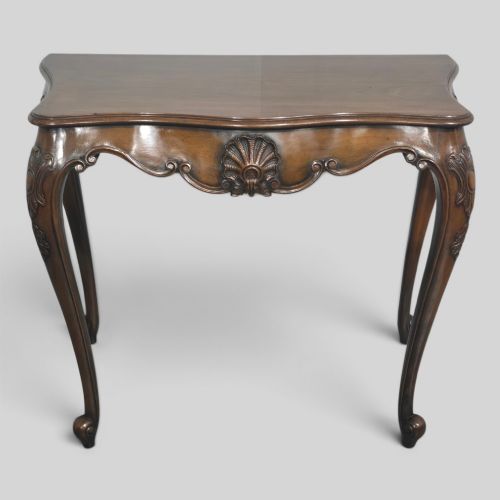
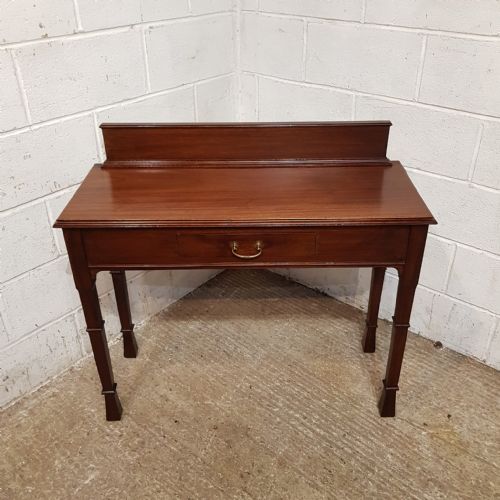
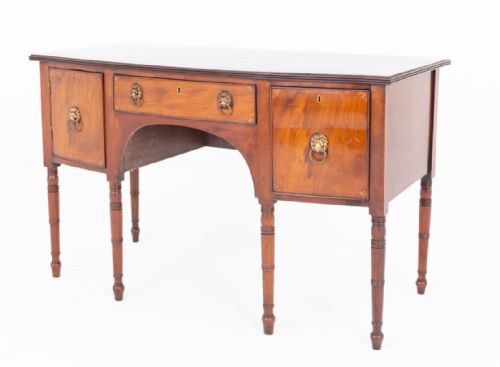
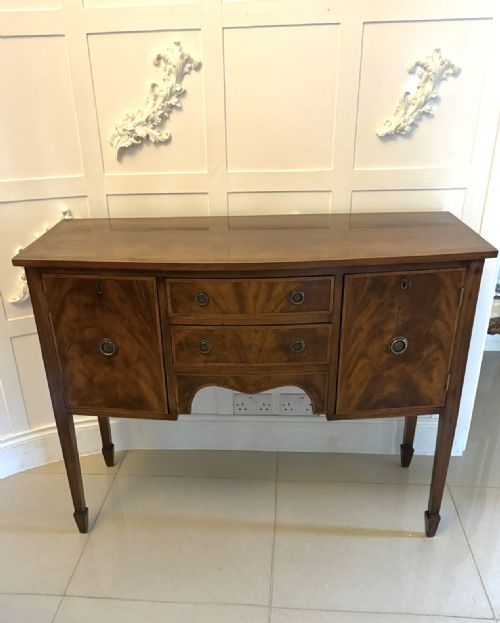
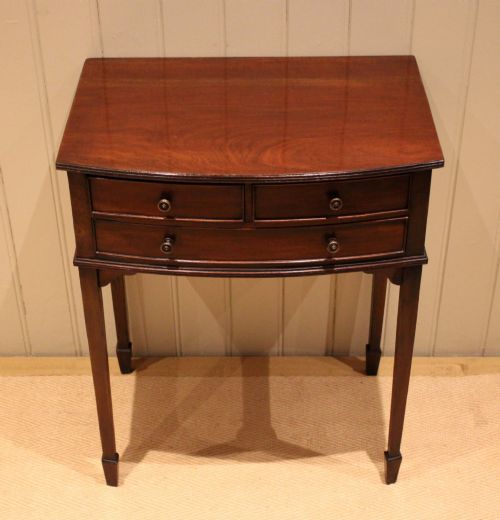
The versions you are most likely to meet on this page include bow-fronted sideboards, flat-fronted console tables, and small serving tables shaped in the Georgian, Regency, and Edwardian styles. Many examples feature simple pedestals, tapering legs, or shaped aprons built from solid timber or veneered carcases.
Makers and cabinet makers of these periods utilised the dense grain of mahogany to create functional furniture for country houses and town residences alike. The pieces listed combine storage capacity with narrow proportions suited to modern rooms that require depth-conscious surfaces.
How they were made
Cabinet makers built these servers using solid mahogany and flame mahogany veneer laid over secondary framing timbers, often adding contrast through delicate stringing and banding. Workshops applied satinwood inlay, boxwood lines, and brass hardware such as handles, drawer pulls, and campaign mounts to accent the dark timber.
Construction techniques combined traditional hand-cut dovetails for drawer boxes with mortise and tenon joinery for the frames and legs. Surface finishes relied on hand-rubbed wax or shellac polishes that accentuated the natural figure and deep reddish-brown tone of the wood.
The listings span the 18th, 19th, and 20th centuries, covering Georgian, Regency, Victorian, and Edwardian periods with both solid mahogany and veneered finishes.
What varies in quality
The primary distinction in quality lies in the selection of the timber and the precision of the cabinet work, particularly in figured mahogany veneers and matched grain patterns across drawer fronts. Superior examples display carefully chosen flame mahogany or satinwood inlay that aligns seamlessly across the structure, while simpler pieces rely on plain solid boards.
Structural integrity also separates standard utility pieces from finer creations, evident in the crispness of carved details, the neatness of inlaid stringing, and the original state of brass fittings and drawer linings. Better workshops invested greater skill in internal framing and smooth drawer action, ensuring longevity and reliable daily use.
M. D. Miller & Sons
The Vintage Mahogany Server Table Glossary
- Bow front
- A convex curved front facade common on sideboards and servers of the Georgian and Regency periods. This curved shape softens the profile of the room and allows for deeper central storage space.
- Flame mahogany
- A veneer cut from the fork of the mahogany tree where the branch meets the trunk. It creates a distinctive, fiery pattern with intense light-catching movement across the surface.
- Serpentine
- A gently undulating front edge that curves inward at the centre and outward at the ends, or vice versa. This sophisticated shaping requires high joinery skill and careful timber selection.
- Satinwood
- A pale, hard exotic wood utilised for contrasting inlay bands, stringing, and oval medallions on mahogany furniture. Its bright golden colour highlights darker field timbers.
- Stringing
- Very thin inlay lines of light or dark wood used to outline drawers, table tops, and cabinet doors. This decorative technique frames the primary mahogany panels with precise geometric borders.
Vintage Mahogany Server Table: Frequently Asked Questions
What is the difference between a server and a sideboard?
A server is generally a lighter, more compact table or low cabinet designed specifically for holding dishes during a meal. Sideboards often incorporate deeper cupboards, multiple drawers, and greater overall storage capacity for dining room china and linens.
While both terms overlap in nineteenth-century and twentieth-century catalogues, servers tend to occupy less floor space and feature open lower frames or simpler leg structures.
How do I tell a Georgian piece from a later revival?
Original Georgian pieces display construction methods appropriate to the eighteenth century, including hand-sawn timber, old secondary woods inside drawer boxes, and hand-cut joinery. Revival pieces made during the Edwardian period or the twentieth century often use standardised machine-cut elements, modern screws, or cleaner internal secondary timbers.
Examining the wear patterns, timber shrinkage, and finishing techniques inside the drawers helps clarify the actual age of the cabinet.
Can I use a server table in a hallway?
These tables function very well in hallways because their narrow profile leaves plenty of walkway clearance while providing a useful surface for keys, lamps, and decorative items. Bow-front and console variations fit neatly against narrow walls.
Their shallow depth makes them practical alternatives to standard desks or wide console tables in entrance spaces.
How do I care for mahogany furniture?
Mahogany surfaces respond best to regular dusting with a soft, dry cloth and occasional applications of traditional beeswax to nourish the timber. Avoid placing the table in direct sunlight or close to heat sources to prevent the wood or veneer from drying and cracking.
Keeping room humidity stable protects the joints and prevents movement in the solid timber and delicate inlay work.