
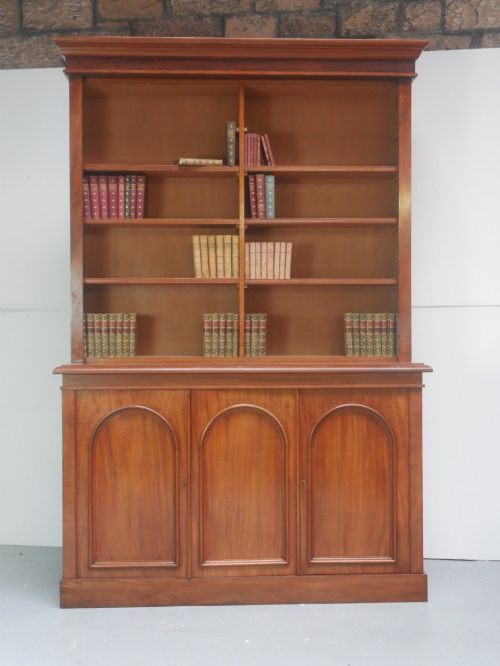
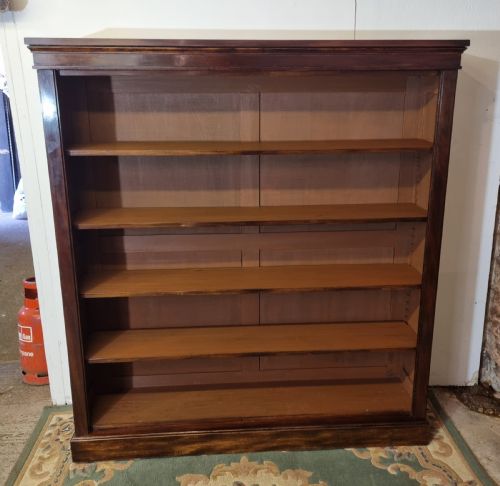
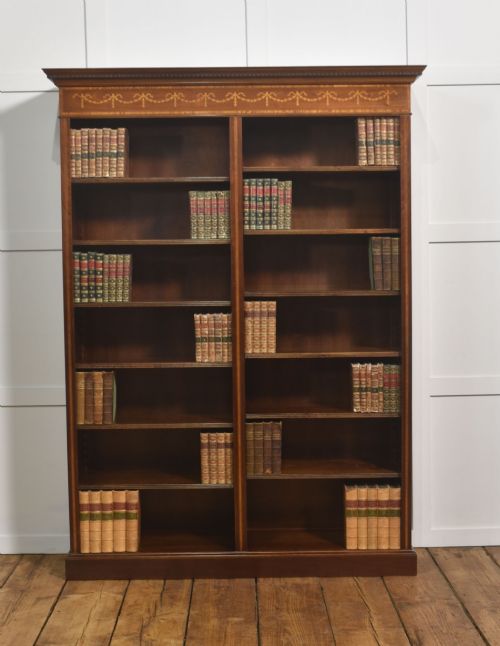
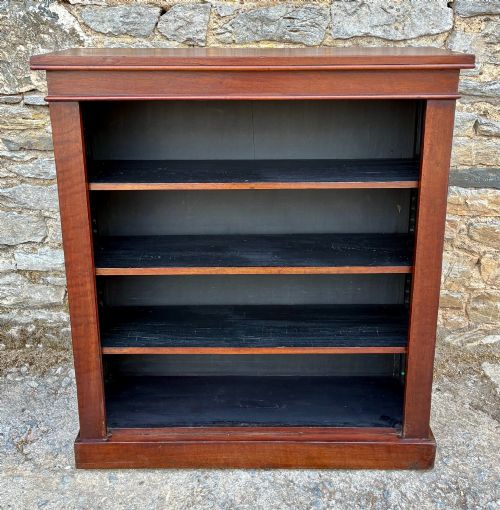
Vintage Mahogany Library Shelves
These vintage mahogany library shelves combine rich timber tones with practical storage, offering sturdy structure and timeless appeal for any book collection.
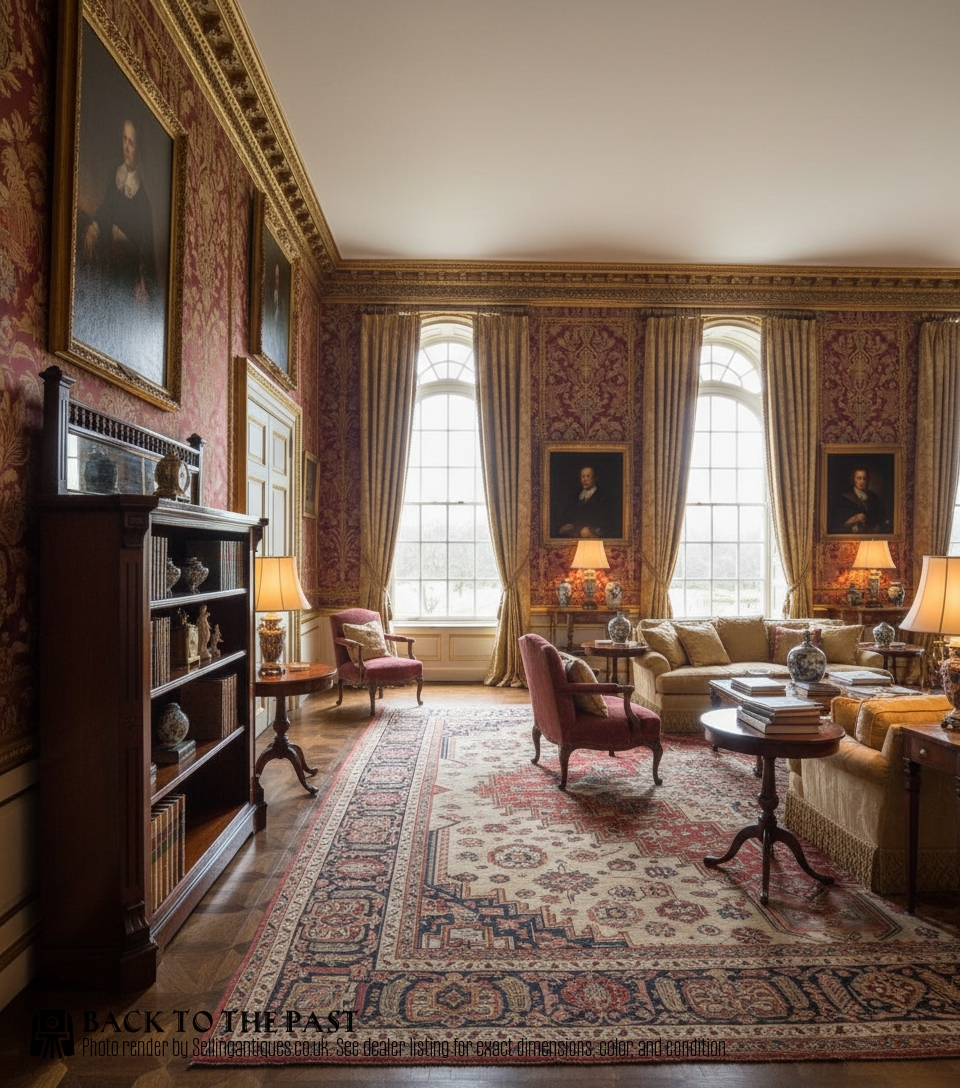
Vintage Mahogany Library Shelves
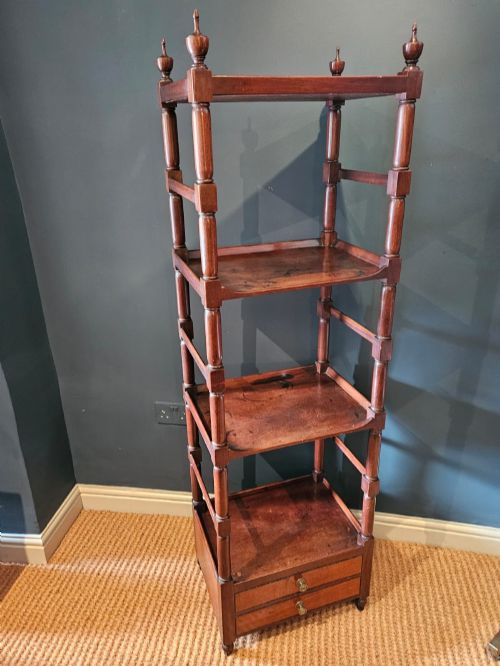
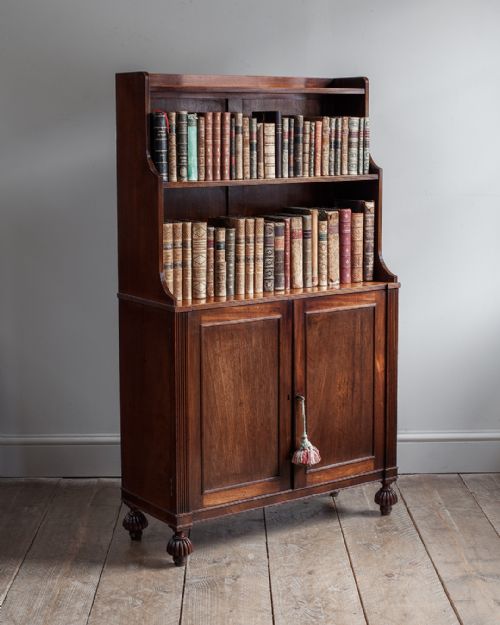
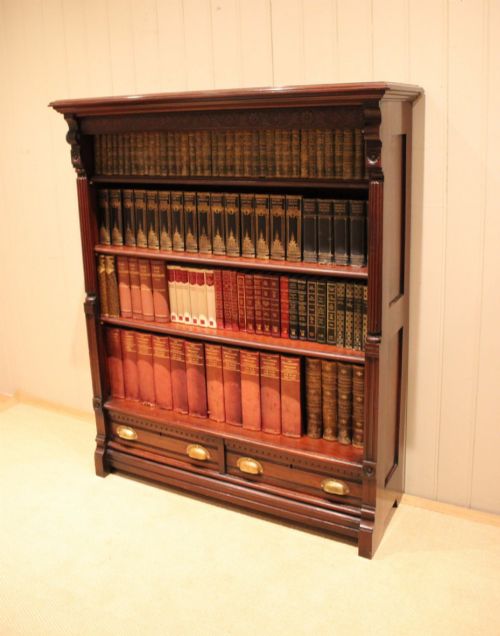
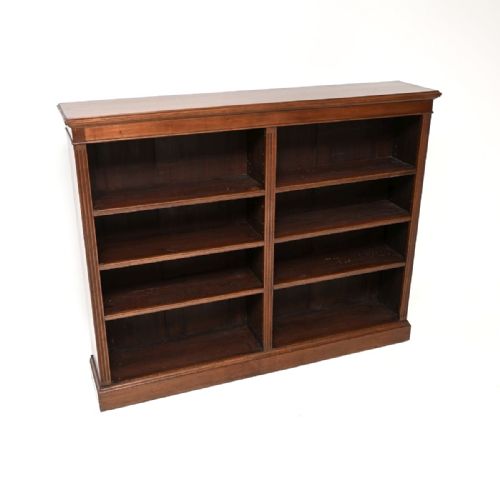
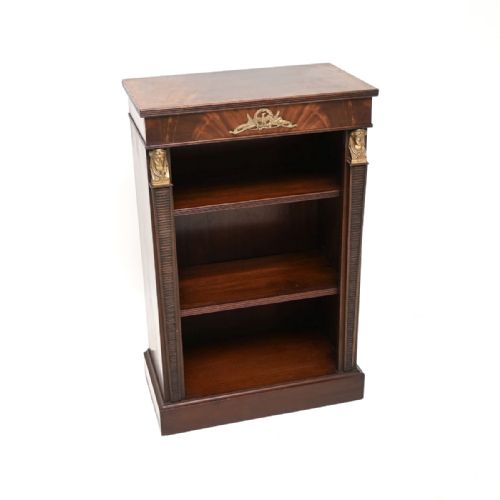
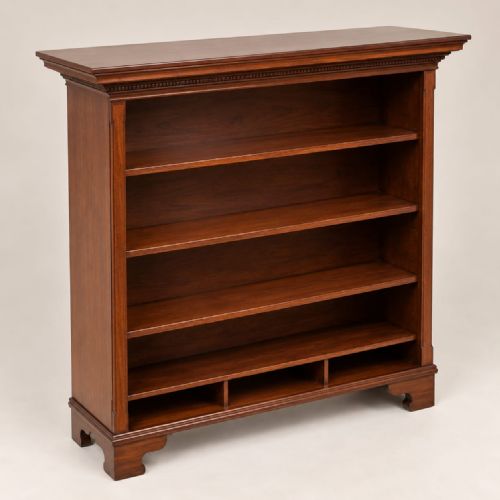
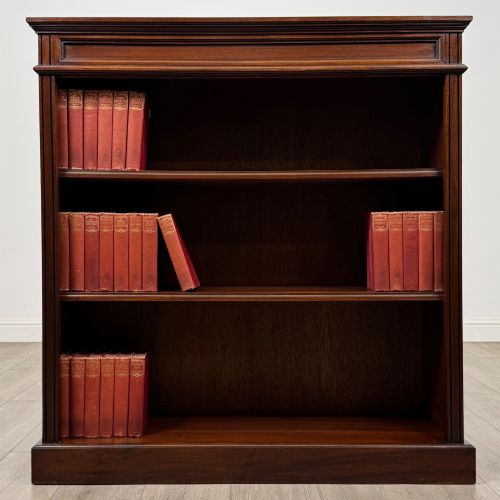
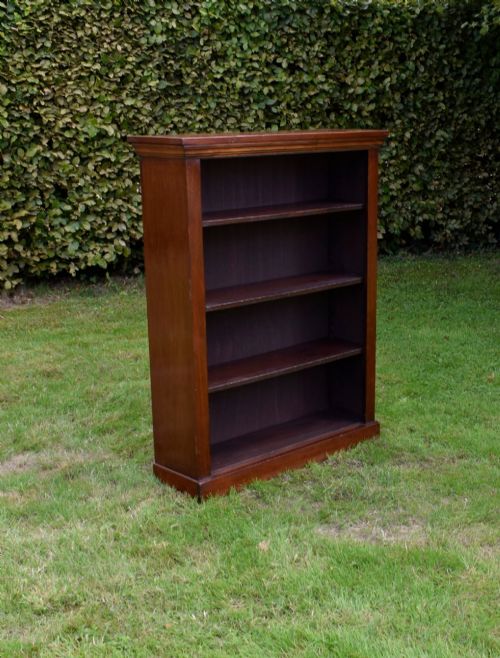
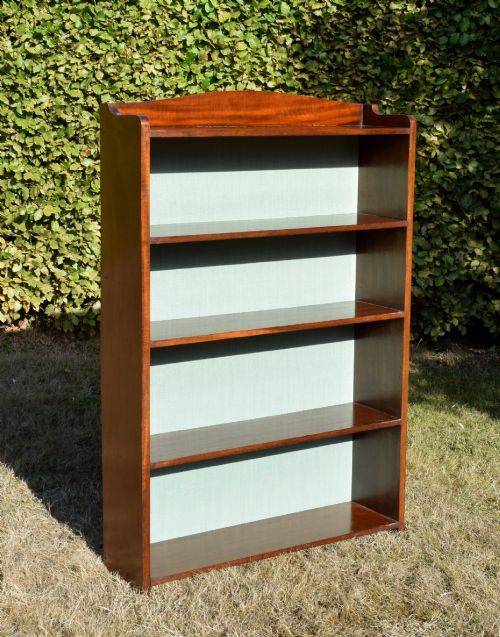
When you search for vintage mahogany library shelves, you encounter an array of open bookcases, revolving designs, and multi-tiered what-nots spanning the Victorian, Edwardian, and Regency periods. These pieces serve as functional storage for books and display objects while anchoring a room with substantial timber presence.
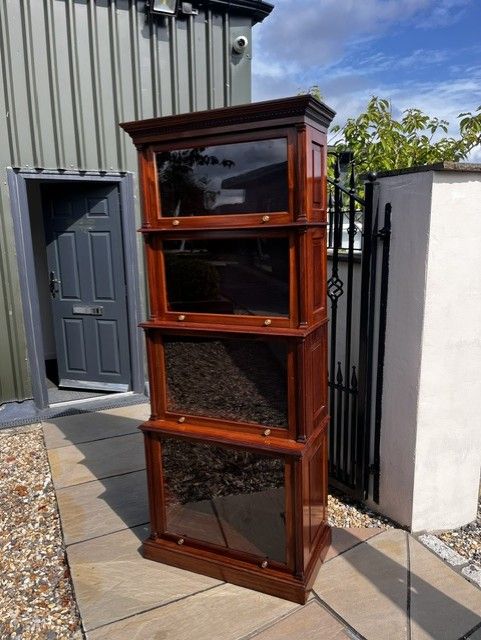
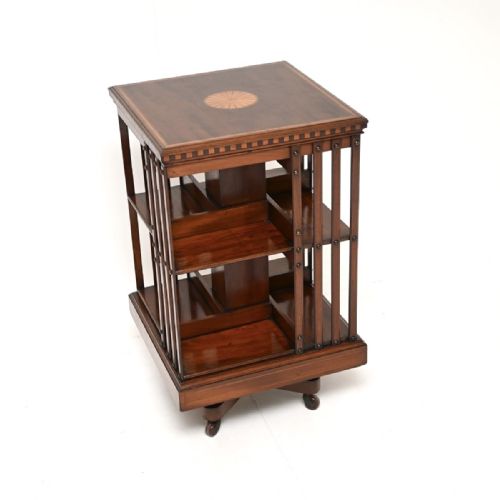
The selections on this page lean heavily towards late nineteenth-century and early twentieth-century examples, including sectional barristers and Sheraton Revival styles. Open formats and revolving variants dominate the forms, providing easy access to volumes from every angle in a study or drawing room.
Materials and construction methods
Makers utilised solid mahogany and mahogany veneers over secondary timbers like pine, often incorporating contrasting satinwood inlay for decorative detail. Structural stability relies on solid joinery, with brass castors fitted to heavier cabinet bases for mobility.
Surfaces feature polished finishes that accentuate the natural grain of the wood. Metal elements such as brass brackets and cast iron mechanisms appear in specific revolving and stacking variants to ensure smooth daily operation.
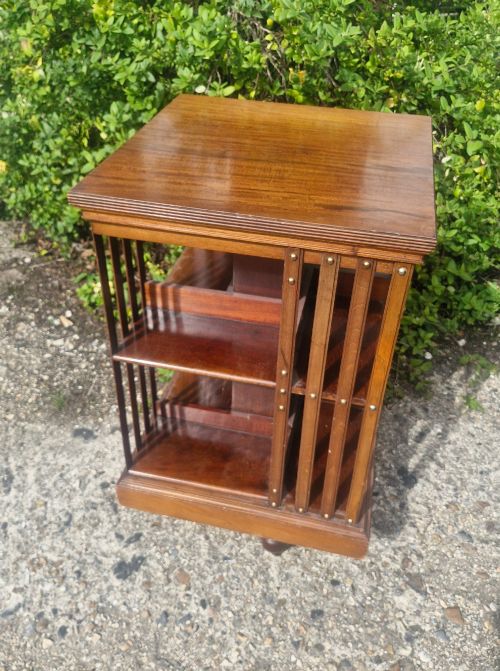
Certain revolving bookcases let you spin your entire encyclopedia collection with a gentle flick of the wrist while seated.
Distinguishing grades of craftsmanship
Superior examples demonstrate meticulous attention to timber selection, displaying rich, uniform grain patterns and precise inlay work without distraction. Finishes at this level retain depth and lustre through careful upkeep.
Construction rigidity defines the upper tier, where shelves remain level under heavy loads and adjustable mechanisms operate without binding. Simpler pieces rely on basic box construction with minimal decorative embellishment.
Waring and Gillows·Globe Wernicke·Lamb of Manchester
The Vintage Mahogany Library Shelves Glossary
- Mahogany
- A durable tropical hardwood known for its reddish-brown colour and fine grain. It forms the primary structural and visual base for these bookcases.
- What-not
- A multi-tiered piece of furniture designed for displaying ornaments or holding books. These items frequently feature slender upright supports between shelves.
- Revolving bookcase
- A low or table-height shelving unit mounted on a rotating pivot base. This design allows users to access volumes from a seated position.
- Breakfront
- A cabinet design where the central section projects forward from the flanking wings. This configuration adds architectural depth to larger library pieces.
- Satinwood
- A pale yellow exotic timber utilised for contrasting stringing and decorative inlay work. Craftsmen employ it to highlight drawer edges and shelf borders.
Vintage Mahogany Library Shelves: Frequently Asked Questions
How do I maintain mahogany library shelves?
Keep the wood nourished with appropriate wax polishes and avoid placing furniture in direct sunlight. This preserves the depth of the mahogany grain.
Dust regularly with a soft cloth to prevent particulate buildup on the polished surfaces.
Are these shelves suitable for heavy books?
Many Victorian and Edwardian open bookcases feature adjustable wooden shelves designed to hold substantial volumes. Solid construction methods ensure long-term structural support for dense libraries.
Check the thickness of individual shelves and the condition of their supports before loading heavy collections.
What is a revolving bookcase used for?
Revolving bookcases provide compact book storage beside a desk or armchair. Their rotating mechanism allows immediate access to dictionaries, reference books, or current reading.
These pieces typically occupy a smaller footprint than standard wall shelving units.
How do I date a mahogany bookcase?
Examine the timber selection, construction marks, and stylistic clues such as Sheraton Revival inlay or Empire proportions. Hardware components like brass castors also offer clues to the period.
Compare the backboards and internal joints with known examples from the nineteenth and early twentieth centuries.