


Antique Open Cabinet
When you search for an antique open cabinet, you encounter versatile storage and display furniture spanning the Victorian, Edwardian, and Regency periods.
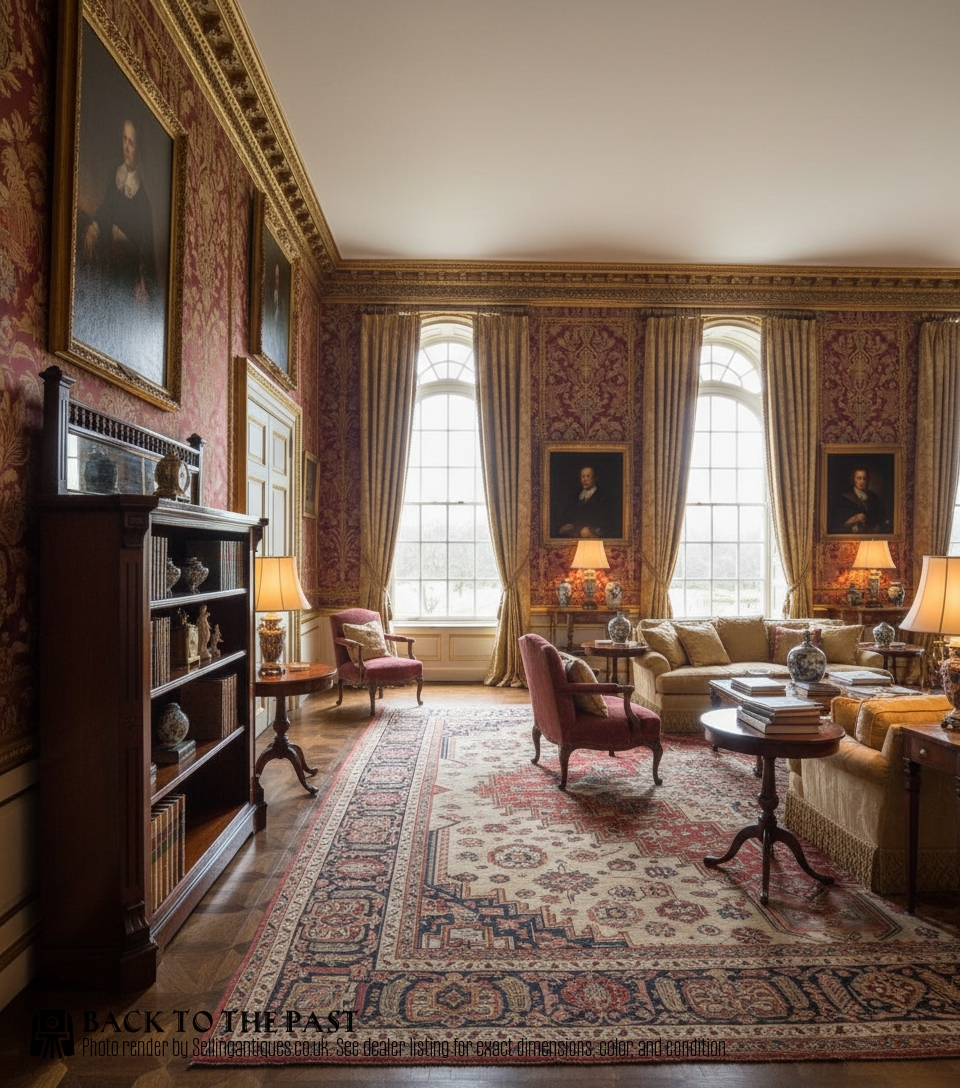
Antique Open Cabinet
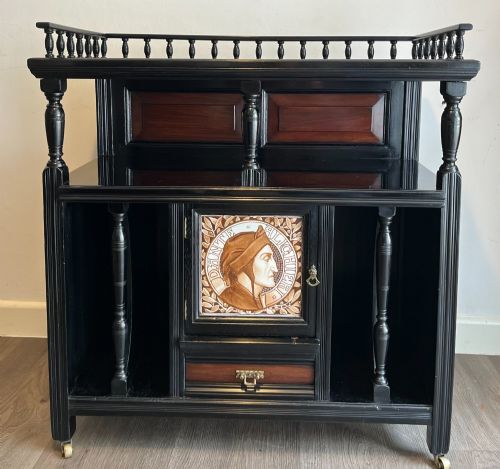
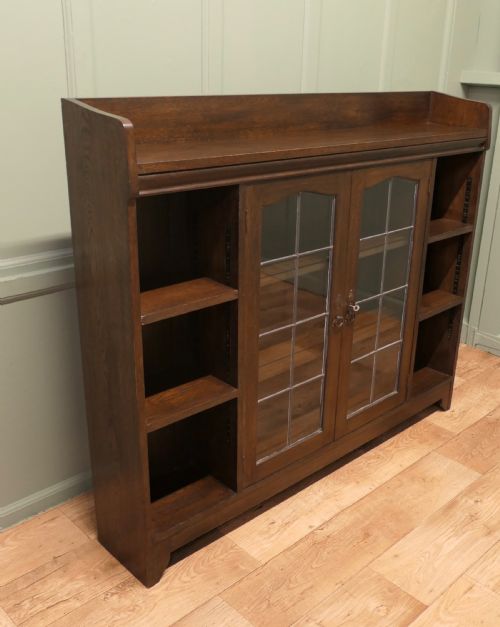
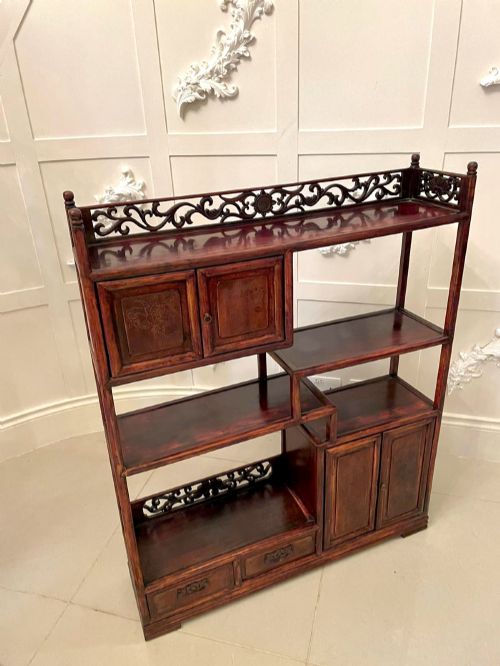
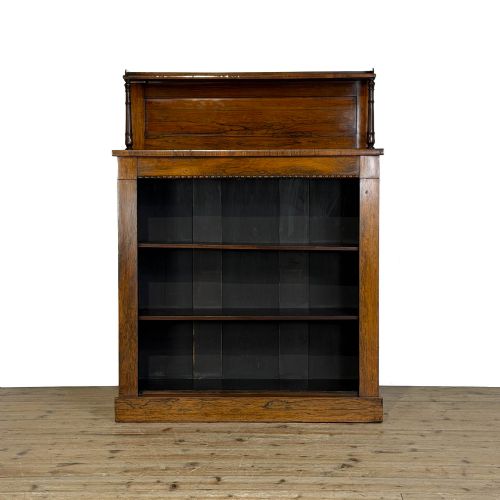
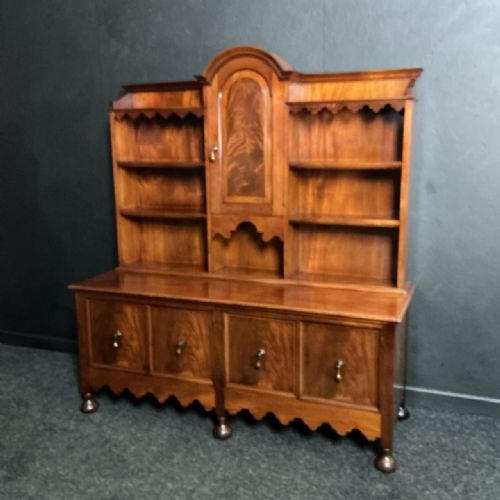
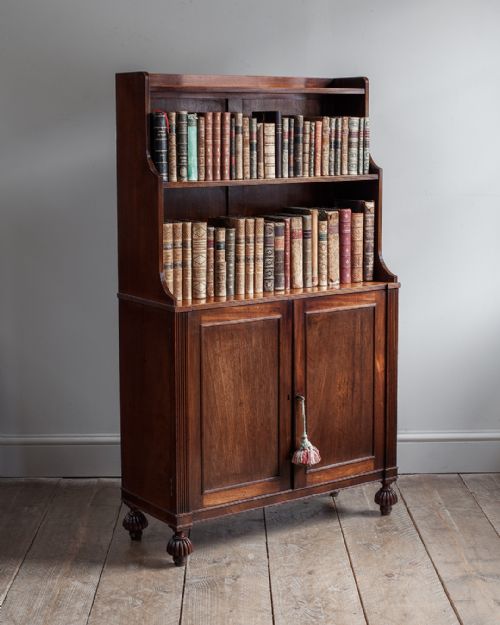
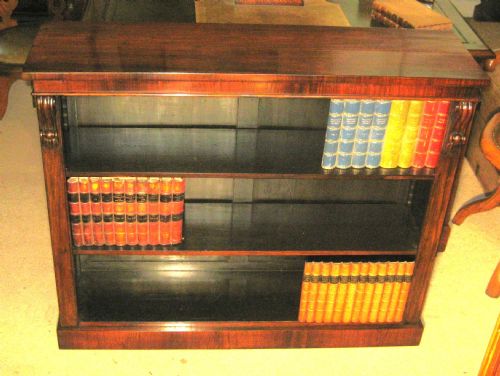
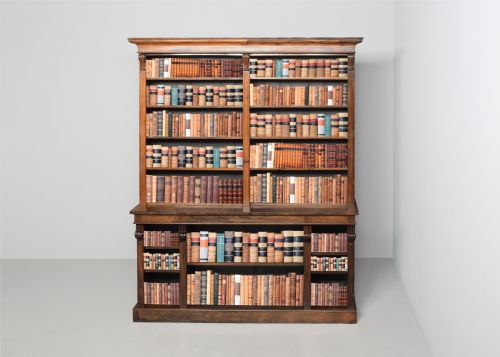
An antique open cabinet typically presents as a bookcase, credenza, dresser, or corner shelf designed for accessibility and display without traditional doors. These pieces span centuries of domestic design, emerging frequently in forms like the waterfall bookcase or library bookcase across the 19th and 20th centuries.
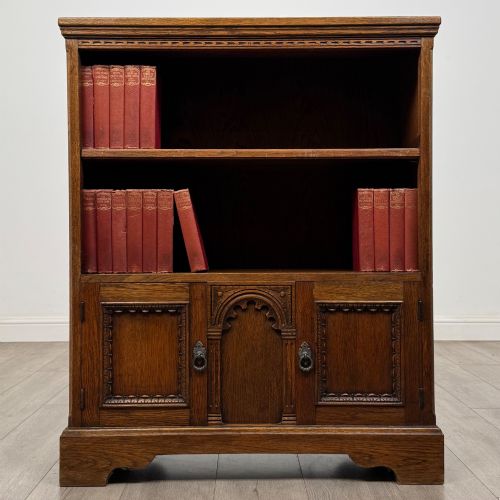
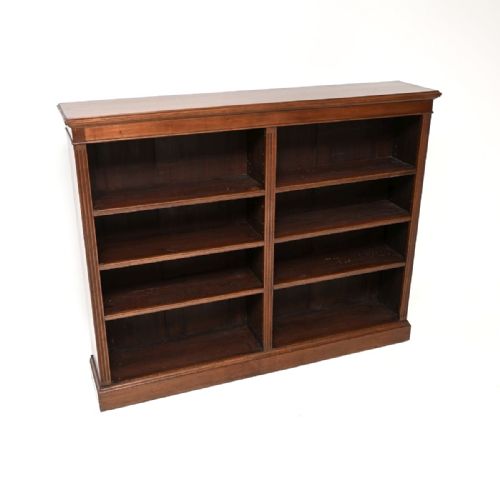
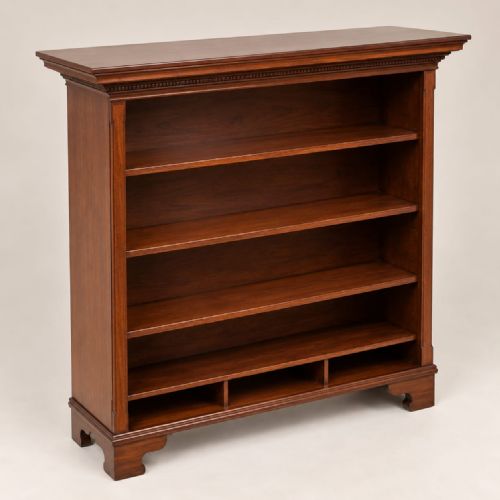
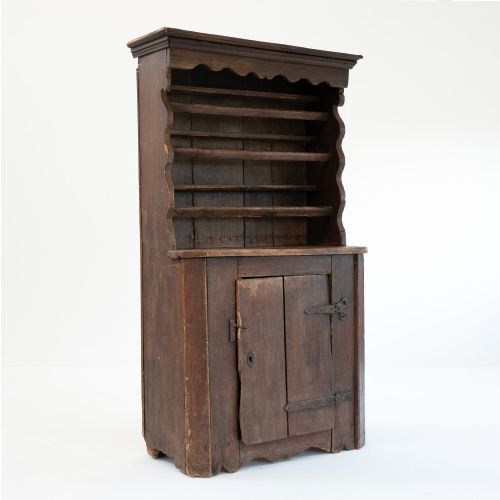
The version most commonly met on this page is the compact oak or mahogany bookcase from the Edwardian or Victorian eras, often featuring adjustable shelving. Larger library pieces and kitchen dressers also appear alongside smaller bedside tables and music cabinets.
Originating in diverse workshops across Britain and France, these items served varied domestic roles from holding household libraries to displaying decorative ceramics and kitchenware. Their open structure distinguishes them from closed cupboards, prioritising visible arrangement over concealed storage.
How they were made
Cabinet makers utilised dense hardwoods such as mahogany, walnut, and oak, frequently selecting burr walnut veneers or flame mahogany for decorative surfaces. Pine served as a sturdy secondary timber for internal framing and carcass construction in dressers and larger bookcases.
Construction techniques involved precise joinery, with brass castors fitted to grander pieces and ormolu mounts applied to decorative credenzas. Carved details, beaded edges, and leather-trimmed shelves display the manual labour invested by period artisans.
Listings feature items built from solid oak, mahogany, pine, and rosewood across Victorian, Edwardian, and Regency periods.
What varies in quality
The tier of a piece relies heavily on the selection of timber veneers and the crispness of any applied carving or brass ormolu mounts. Finer examples display symmetrical grain patterns, such as matched burr walnut, and robust structural joinery that withstands heavy loads of books.
Proportion and ingenuity of design separate standard utilitarian shelving from exceptional cabinet work, seen in graduated waterfall tiers or integrated lower cupboards. Original patination and untouched brass hardware further distinguish superior survivals from later restorations.
Gabriel Viardot·Johnstone and Jeanes
The Antique Open Cabinet Glossary
- Waterfall bookcase
- A shelving unit where each successive tier steps back from the one below it, creating a cascading profile popular in the Regency and Edwardian eras.
- Credenza
- A low-profile side cabinet, often embellished with ormolu mounts and burr walnut veneers, designed for display and storage in formal reception rooms.
- Chiffonier
- A compact sideboard or cabinet featuring a raised superstructure of shelves, combining open display space with lower enclosed cupboards.
- Ormolu
- Gilded bronze ornamentation applied to furniture, frequently seen on mid-19th-century walnut and mahogany pieces to add decorative contrast.
- Astragal glazed
- Fitted with narrow wooden bars holding small panes of glass within a cabinet door, sometimes paired alongside open shelving.
Antique Open Cabinet: Frequently Asked Questions
How do I date an open cabinet?
Dating relies on identifying timber choices, construction techniques, and stylistic markers characteristic of specific eras like the Regency or Edwardian periods. Burr walnut veneers and heavy carving often point towards Victorian production, whilst lighter oak finishes suggest early 20th-century manufacture.
Hardware such as brass castors and the presence of hand-cut dovetails offer further clues to a piece's age.
Where were open cabinets used?
These cabinets found places throughout the home, from formal libraries holding leather-bound volumes to kitchens displaying pine plate racks. Smaller bedside variations suited sleeping quarters, whilst corner units utilised awkward architectural angles.
Their open nature made them ideal for items requiring frequent access or visual appreciation.
How do I care for antique wood?
Maintaining antique wood involves keeping pieces away from direct heat sources and dramatic humidity fluctuations that cause timber to split. Regular dusting with a soft, dry cloth preserves the original patina without stripping historic finishes.
Applications of appropriate wax polish nourish hardwoods like mahogany and oak periodically.