

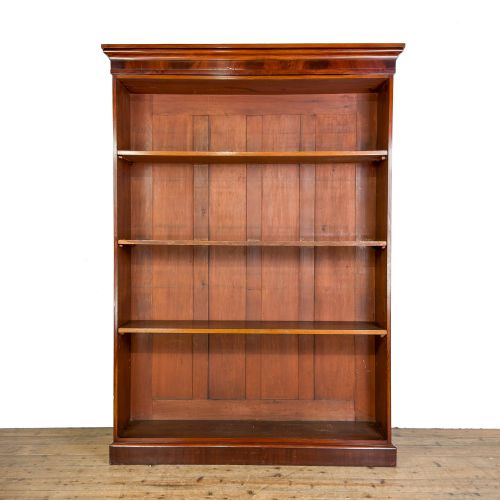


Red Mahogany Bookshelves
These red mahogany bookshelves bring warmth and architectural presence to a room, offering adaptable storage for collections and daily reading.
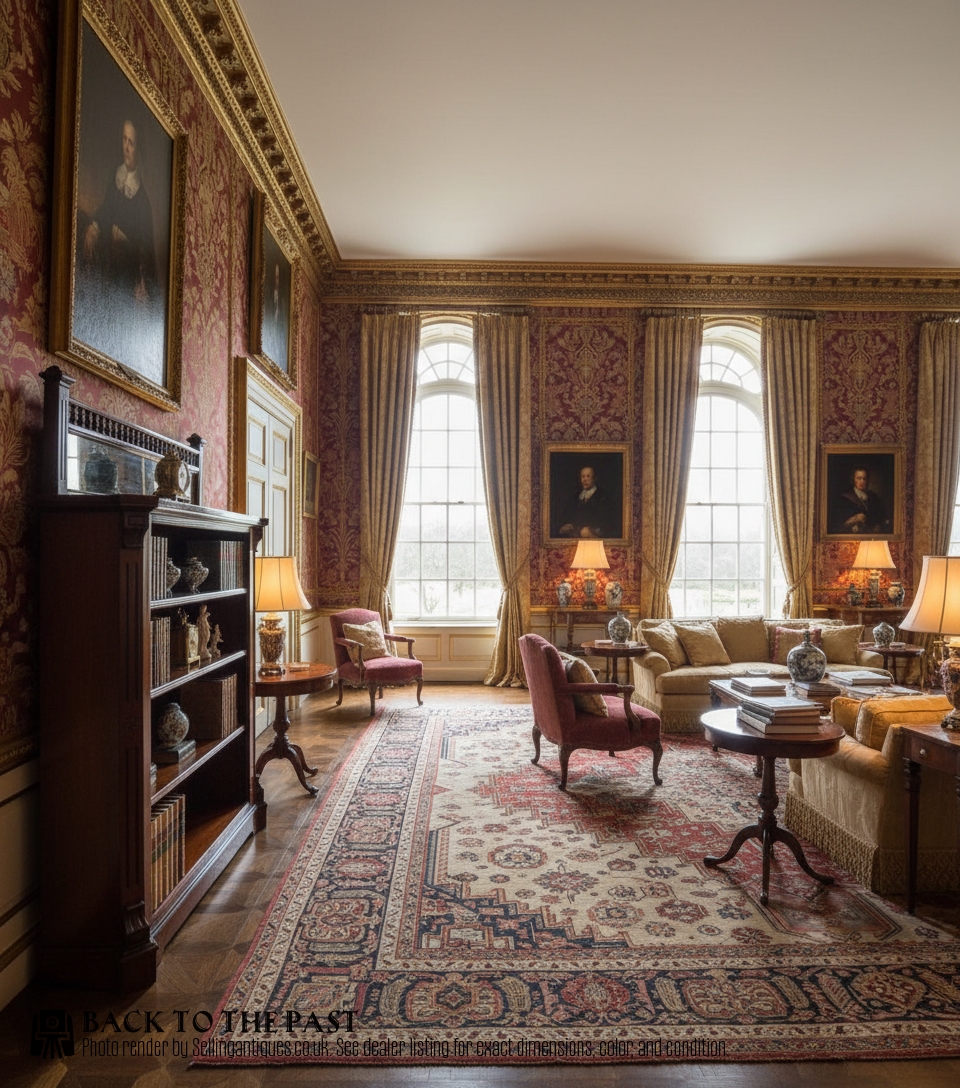
Red Mahogany Bookshelves
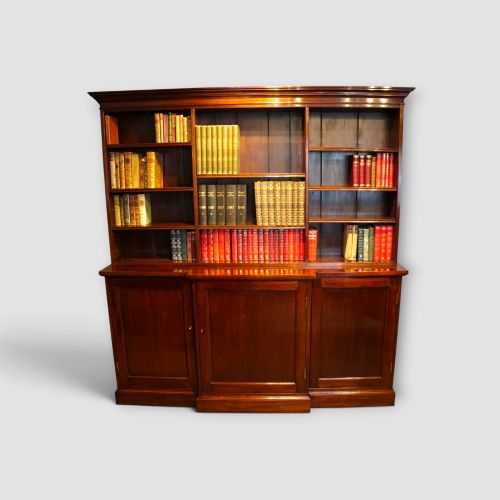
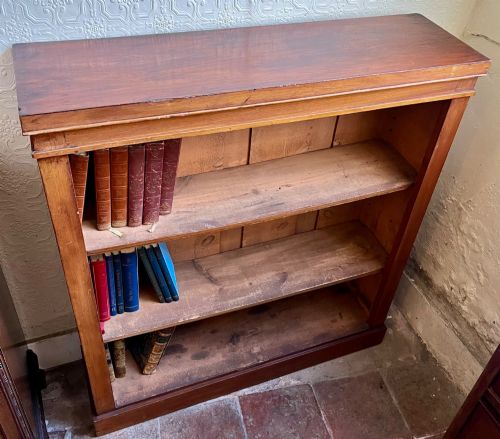
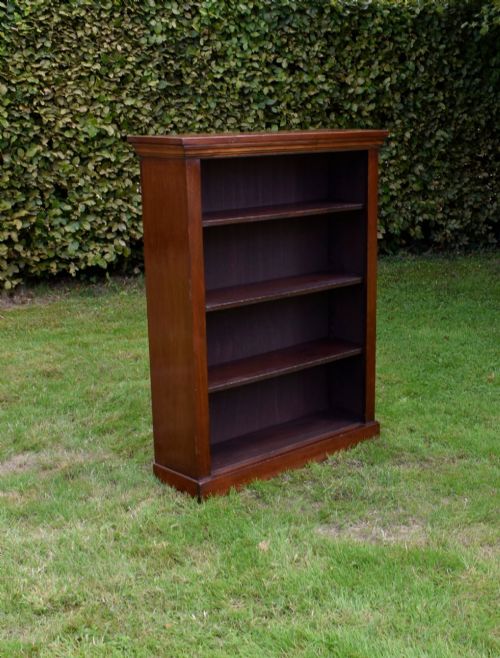
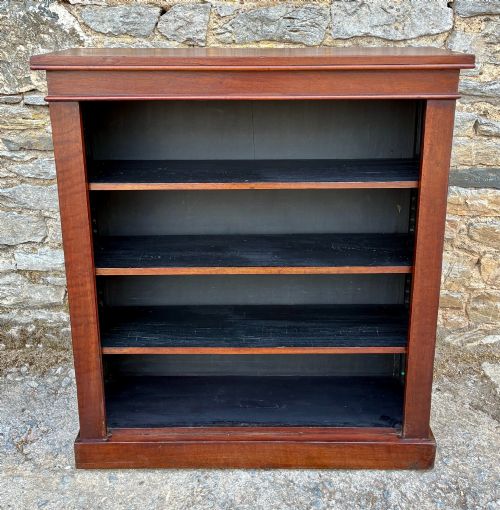
When you search for red mahogany bookshelves, you encounter pieces that span the nineteenth and early twentieth centuries, including the Victorian and Edwardian eras. These forms range from simple open standing bookshelves and dwarf low breakfront designs to tall open bookcases with adjustable shelves.
You will also find specialised variations such as bookcases with built-in cupboards, mirror backs, and tiered waterfall arrangements. Many pieces share classic proportions influenced by Regency and French nineteenth-century styles, serving both practical library functions and decorative display needs.
How they were made
The primary material across these pieces is mahogany, occasionally featuring distinctive grain variations such as plum pudding mahogany, paired with secondary elements like softwood. Construction often incorporates adjustable shelving mechanisms and fitted lower cupboards.
Cabinetmakers integrated functional hardware, including brass fittings, and decorative additions such as mirror glass panels and fabric accents. Painted finishes occasionally appear alongside the polished timber surfaces.
Red Mahogany Bookshelves Retail Price Guide 2026
Typical asking prices for red mahogany bookshelves among the pieces listed under this phrase on Sellingantiques today, from the lower quarter to the upper quarter. They describe what is for sale here now, not the wider market.
Plum pudding mahogany adds a speckled, decadent texture that makes everyday shelving look thoroughly extravagant.
What varies in quality
Quality reveals itself in the choice of timber figure, such as the richness of plum pudding mahogany, and the refinement of the proportions. Finer examples display thoughtful integration of architectural details, from open galleries to balanced breakfront profiles.
The sophistication of the internal arrangement, including the precision of adjustable shelving and the craftsmanship of built-in cupboards, separates standard utility pieces from more ambitious cabinet work.
The Red Mahogany Bookshelves Glossary
- Breakfront
- A cabinet or bookcase whose central section projects forward from the flanking sides. This classical architectural arrangement creates depth and visual rhythm in larger pieces.
- Waterfall bookcase
- A set of open shelves stepped back in successive tiers from bottom to top. This form creates an ascending profile well suited to display.
- Dwarf bookcase
- A low-standing bookcase designed to sit below window height or to allow display space on top. These low pieces maintain an open, airy feel in a room.
- Etagere
- A piece of furniture consisting of a set of open shelves for displaying small objects. They combine light construction with multiple tiers.
Red Mahogany Bookshelves: Frequently Asked Questions
What periods do these bookcases come from?
The pieces span the nineteenth and early twentieth centuries, encompassing Victorian and Edwardian eras. Regency and French nineteenth-century influences also appear frequently.
Dates generally range from around eighteen hundred through to nineteen hundred and the early twentieth century.
Are the shelves adjustable?
Many examples feature adjustable shelves, which allow you to alter the interior spacing to accommodate books of varying heights. This adaptability is particularly common in tall open bookcases.
Fixed shelving also occurs in certain traditional formats, depending on the specific cabinet design.
What other features do they include?
Some pieces incorporate built-in lower cupboards beneath the open shelving, providing concealed storage alongside display space. Mirror backs and tiered open galleries also feature in specific nineteenth-century variations.
Brass hardware and fabric details appear as supplementary decorative elements on select items.
How do dwarf bookcases differ from tall ones?
Dwarf bookcases are low-standing units designed with reduced height, often used to maintain an open sightline in a room. Tall bookcases extend significantly higher to maximise vertical storage capacity.
Both formats utilise mahogany, but their proportions serve different spatial requirements.