


Edwardian Shelving Cabinet
An edwardian shelving cabinet brings together functional storage and period display, offering a practical way to organise books and display objects.
Edwardian Shelving Cabinet
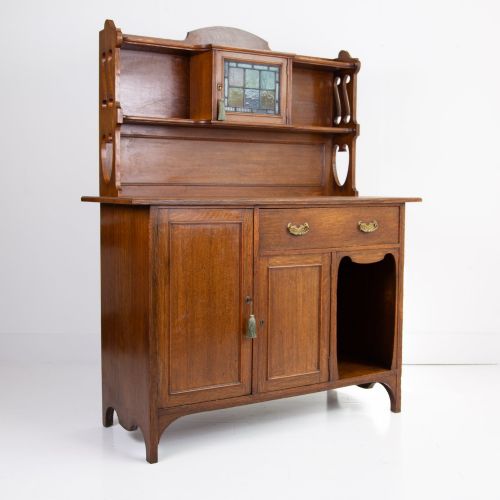
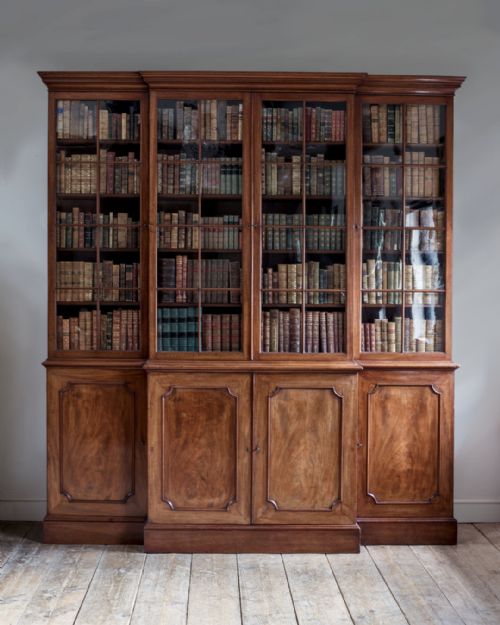
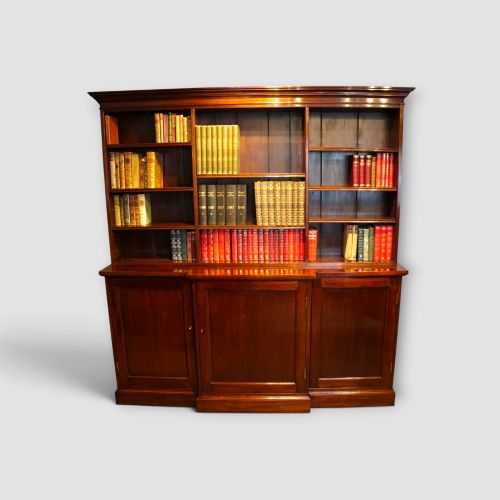
When searching for an edwardian shelving cabinet, buyers encounter a variety of forms designed to hold books, ceramics, and personal items. These pieces frequently take the shape of open bookcases, display cabinets, and bureaus originating from the Edwardian era alongside related late Victorian and early twentieth-century examples.
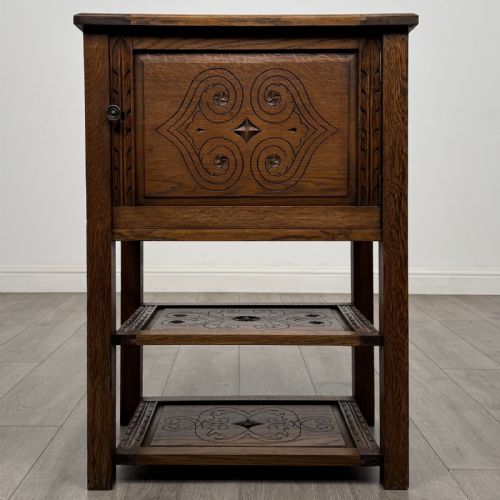
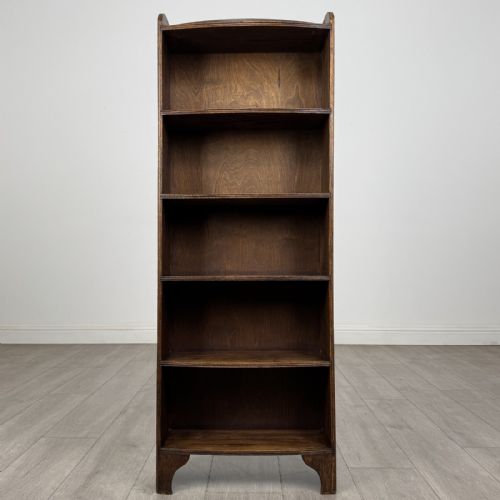
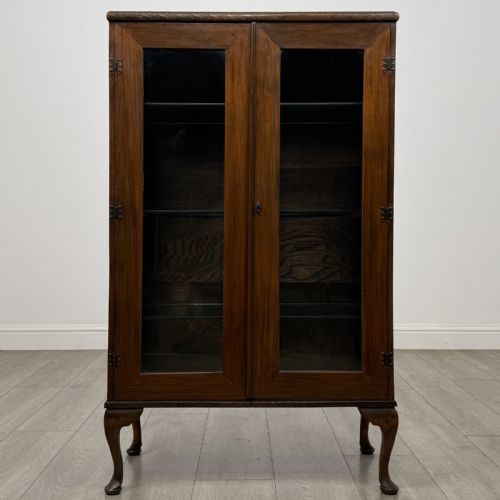
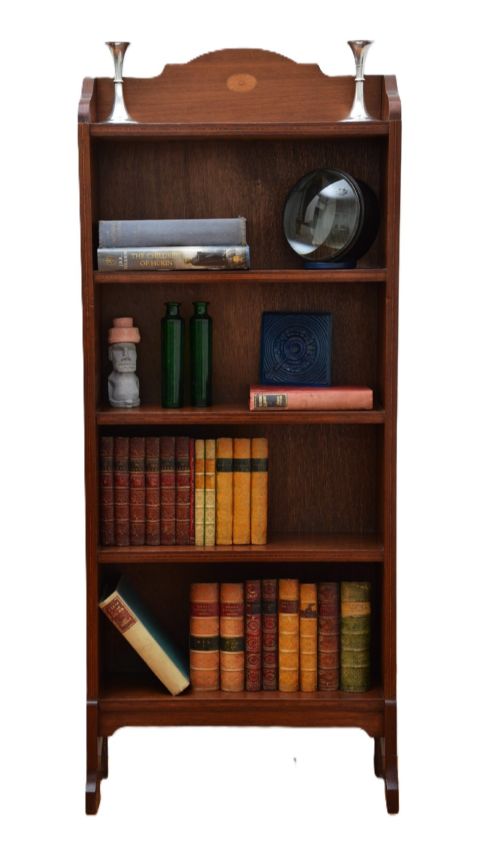
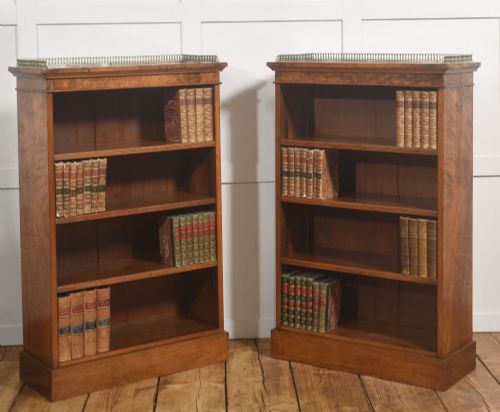
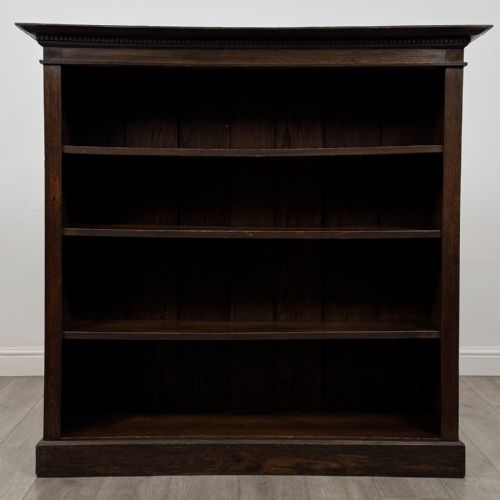
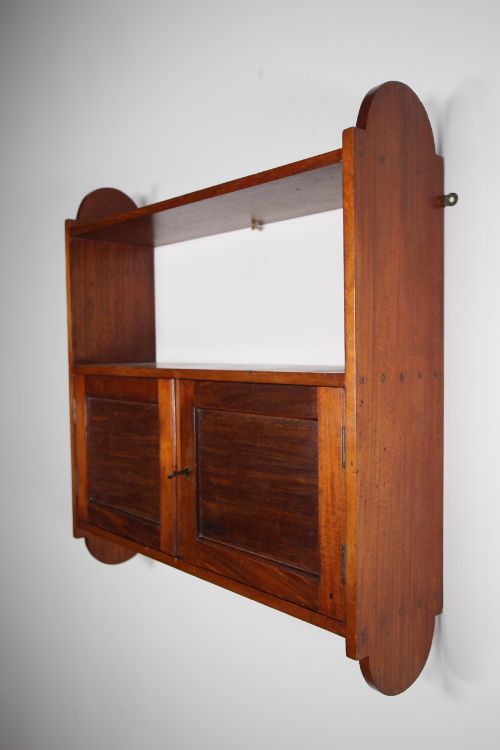
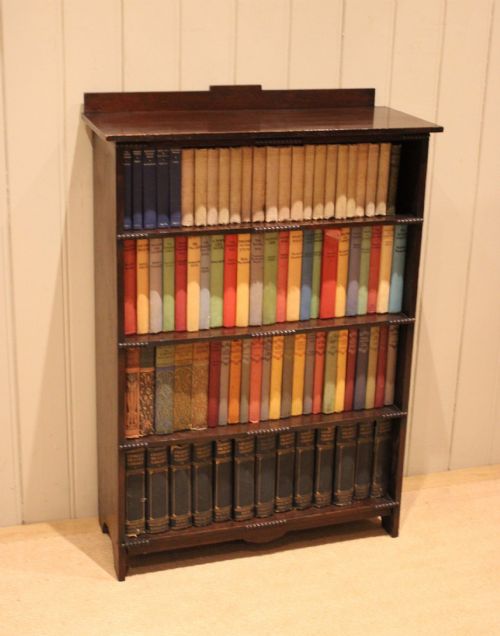
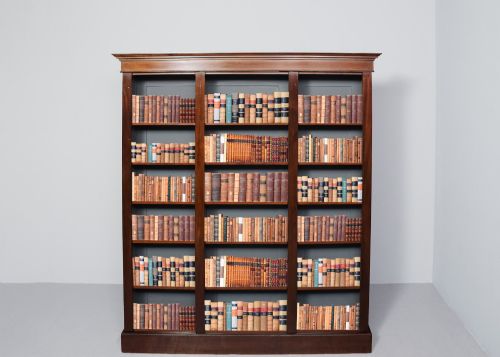
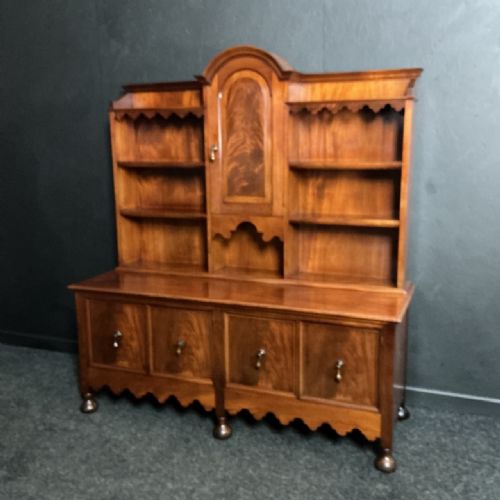
The selection on this page demonstrates that these forms often combine shelving with enclosed cupboards or glazed doors. Pieces range from compact open oak bookcases to inlaid mahogany display cabinets fitted with glass shelves.
Makers and workshops of the period utilised prevailing revival styles, producing items influenced by Sheraton, Jacobean, and Arts and Crafts designs. Buyers find both simple student desks with integrated shelving and larger dressers or wall cabinets across these listings.
Materials and Construction
Makers relied heavily on timbers such as mahogany and oak, frequently enhancing surfaces with satinwood inlay, burr walnut veneer, or contrasting beaded edges. Brass fittings, including castors and handles, appear on finer pieces to support mobility and decoration.
Construction techniques balanced sturdy framing with refined detailing, such as adjustable shelving and glazed panels for dust-free display. Workshops combined solid hardwoods with secondary veneers to achieve both structural stability and decorative grain patterns.
Edwardian Shelving Cabinet Retail Price Guide 2026
Typical asking prices for edwardian shelving cabinet among the pieces listed under this phrase on Sellingantiques today, from the lower quarter to the upper quarter. They describe what is for sale here now, not the wider market.
Bamboo and lacquer display shelves bring an unexpected touch of Victorian exoticism to the lineup.
Evaluating Quality and Detail
Quality in these cabinets rests upon the selection of timber and the precision of inlaid details rather than sheer scale. Finer examples display carefully matched grain, delicate satinwood stringing, and well-executed period revival motifs.
The integration of functional elements, such as smoothly operating drawers, adjustable shelf mechanisms, and original brass hardware, separates standard utility items from superior cabinetmaking.
Tudor & Burrey Shrewsbury·Maple & Co.·Edwards & Roberts·Globe Wernicke
The Edwardian Shelving Cabinet Glossary
- Open bookcase
- A piece of furniture featuring horizontal shelves for book storage without doors enclosing the front. These often stand at lower heights suitable for placing beneath windows.
- Inlay
- A decorative technique where contrasting pieces of wood or shell are inserted into depressions in the primary surface to create patterns. Satinwood and lighter timbers were frequently utilised for this purpose on dark mahogany bodies.
- Waterfall bookcase
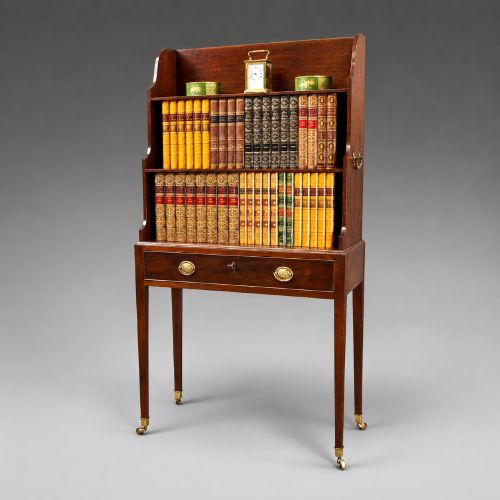
- A shelving unit where each tier recedes in depth from the one below, creating a stepped profile reminiscent of cascading water. These often incorporate lower cupboards or brass castors.
- Bonheur du jour
- A light lady's writing desk featuring a small cabinet, drawers, or shelves built into the upper surface. This form gained popularity during the late nineteenth and Edwardian periods.
- Sectional bookcase
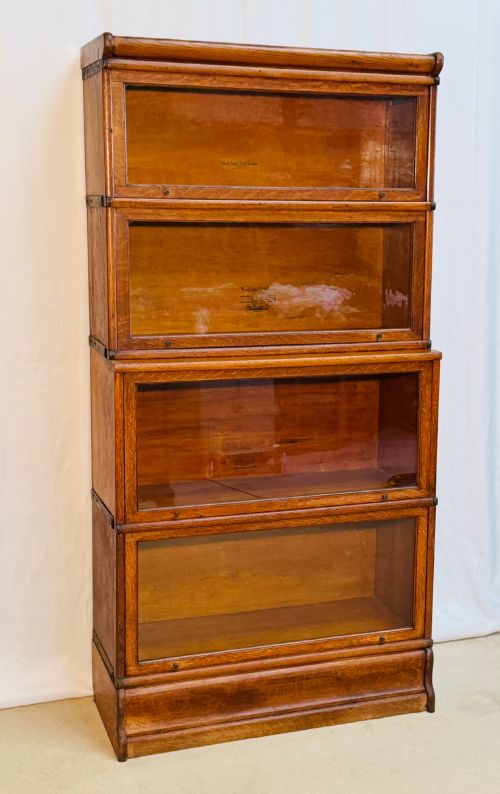
- A modular shelving system composed of stacking units with glass doors that lift and slide inward. These allowed owners to add tiers as their book collections expanded.
Edwardian Shelving Cabinet: Frequently Asked Questions
What defines an edwardian shelving cabinet?
An edwardian shelving cabinet typically combines open or glazed storage space with the lighter proportions characteristic of the early twentieth century. These items often feature inlaid timber details and revival styling.
They serve primarily to house book collections or display decorative objects while occupying a modest footprint in a room.
How do I care for mahogany and oak shelving?
Maintenance involves keeping wooden furniture away from direct heat sources and sudden humidity changes to prevent timber movement. Regular dusting with a soft cloth preserves the polished finish.
Avoid abrasive cleaners and rely on traditional wax polishes sparingly to maintain the natural lustre of the grain.
Where were these cabinets placed originally?
These cabinets found places in studies, libraries, and drawing rooms as practical storage for personal libraries and writing materials. Smaller open versions often sat beneath windows or against hallway walls.
Display variants were positioned in reception rooms to showcase porcelain and decorative curiosities.
How do I distinguish Edwardian pieces from Victorian ones?
Edwardian furniture generally exhibits lighter construction, brighter timber tones, and more restrained inlay inspired by Sheraton and neoclassical revivals. Victorian pieces tend to be heavier, employing darker woods and more exuberant carving.
Interiors from the transitional periods often blur these lines, combining late Victorian robust frames with early twentieth-century decorative lightness.