
Vintage Mahogany Dressing Mirror
A vintage mahogany dressing mirror brings warm timber tones and adjustable reflection to a bedroom, offering a functional piece of period craftsmanship.
Vintage Mahogany Dressing Mirror
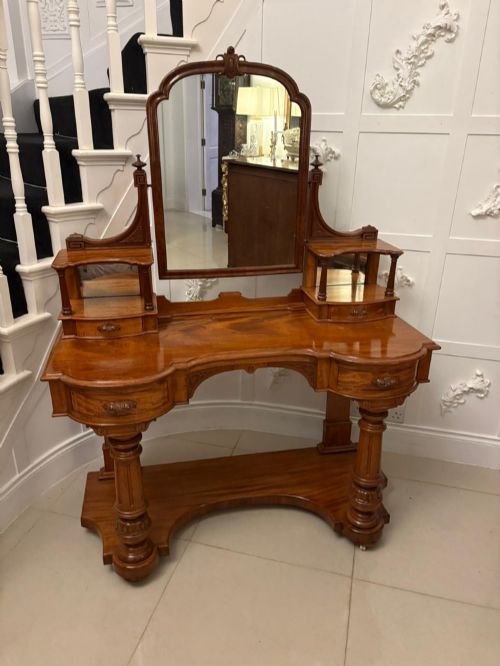
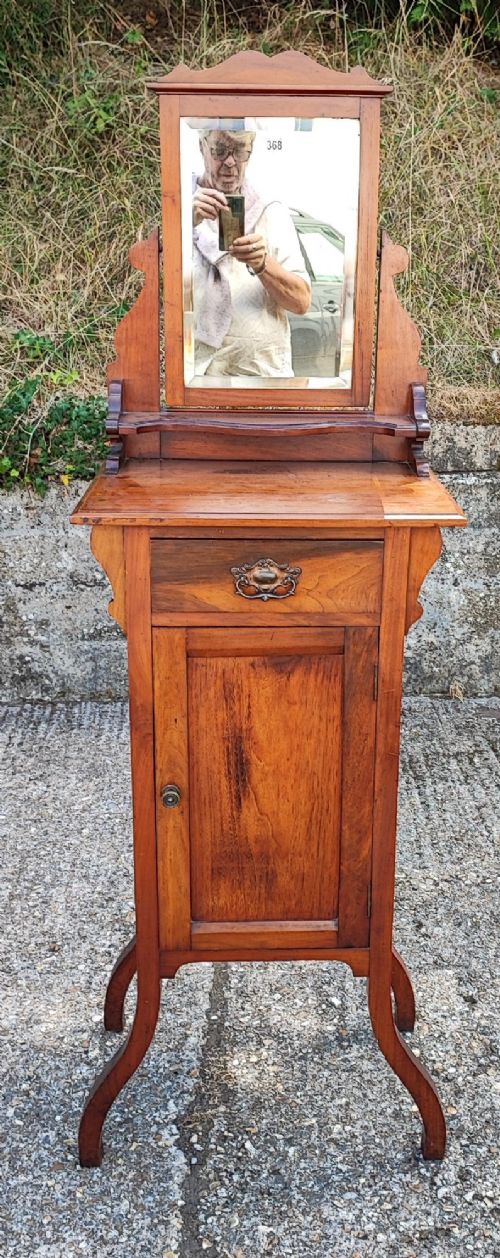
When searching for a vintage mahogany dressing mirror, buyers encounter a variety of forms designed for tabletop placement or full-length floor standing use. These pieces span multiple eras, with Georgian, Victorian, and Edwardian examples appearing frequently across the selection.
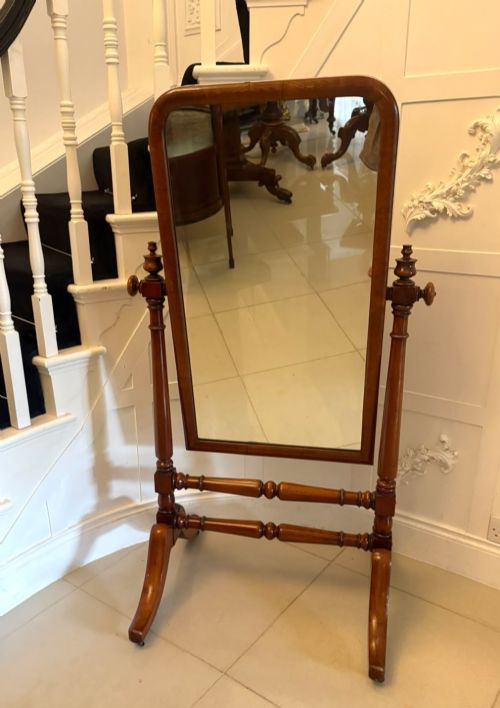
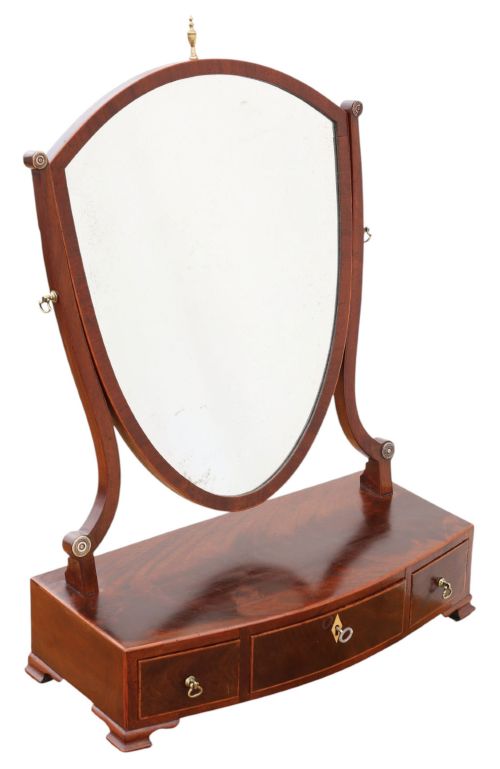
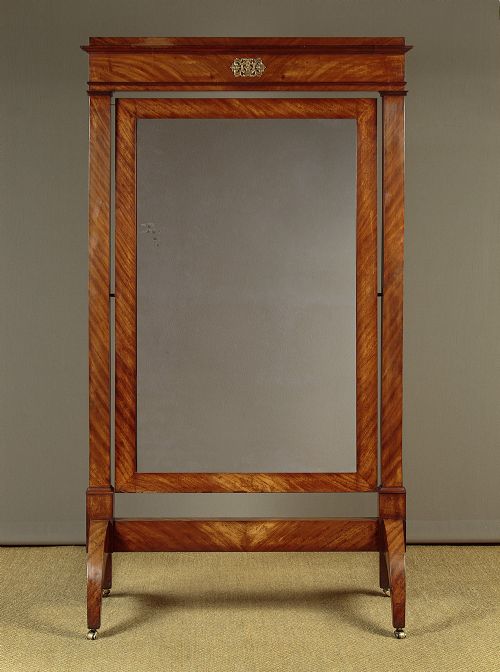
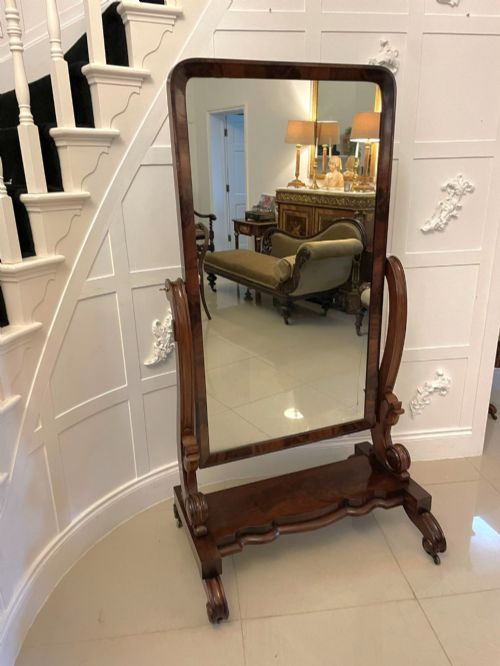
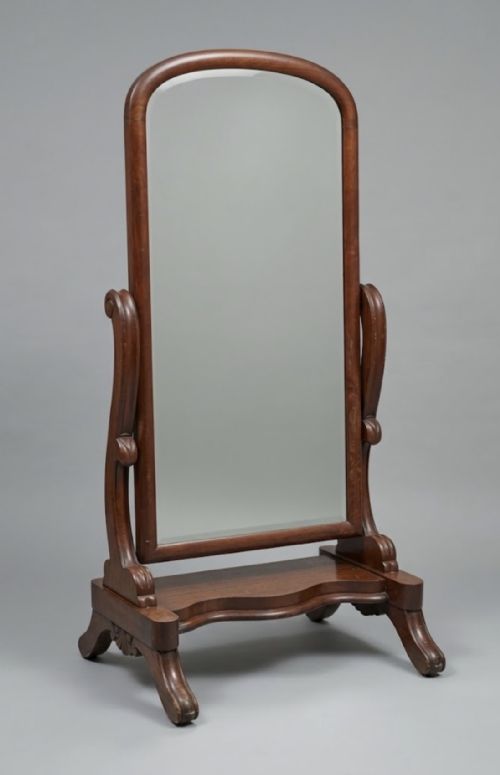
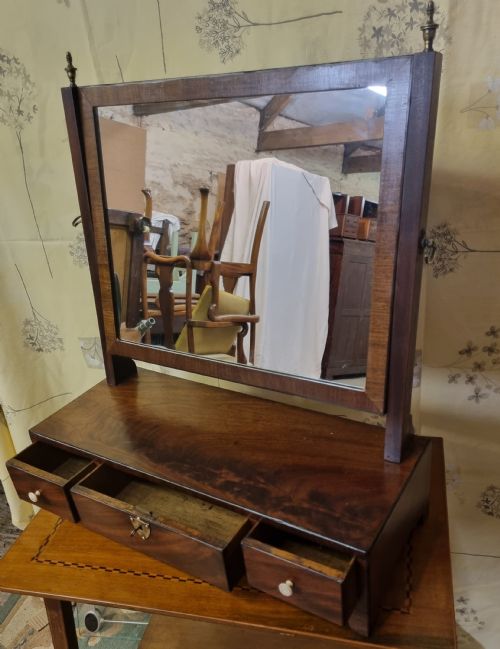
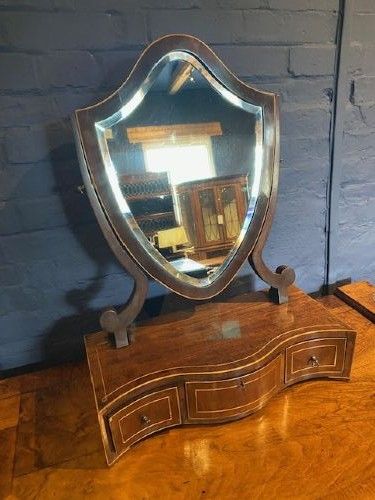
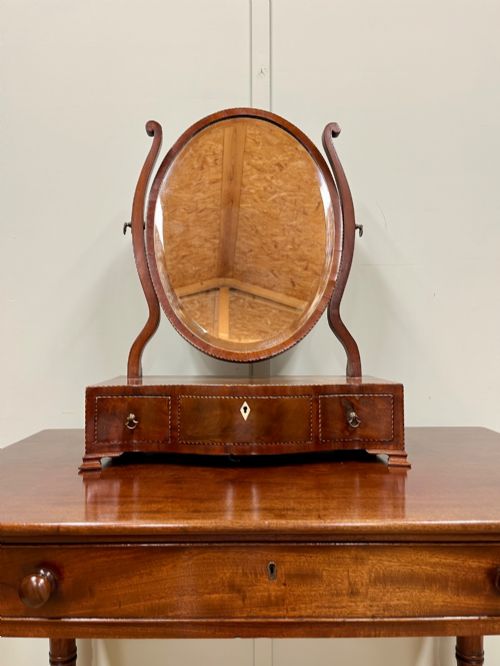
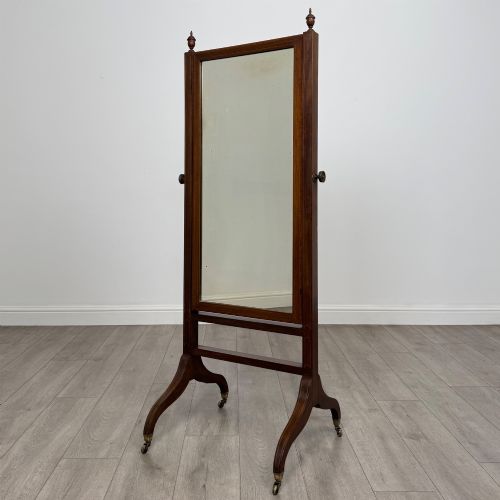
The inventory ranges from small swing mirrors with box bases and drawer compartments to large cheval mirrors mounted on freestanding frames. Tabletop models often feature shield or rectangular glass plates, while floor-standing versions provide full-length reflections supported by sturdy uprights.
Origins stretch from the eighteenth century through the nineteenth century and into the early twentieth century. Makers and retailers such as Heal and Sons and Harrods occasionally contribute to the variety of styles available.
How they were made
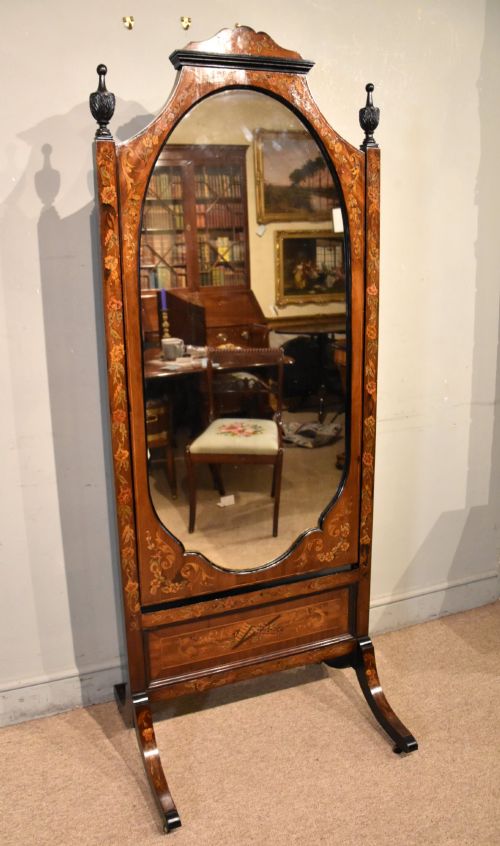
Cabinet makers utilised solid mahogany and Cuban mahogany veneers, frequently pairing the rich timber with secondary woods like maple and satinwood for contrast. Crossbanding and inlay work added decorative detail to the frames and drawer fronts of better examples.
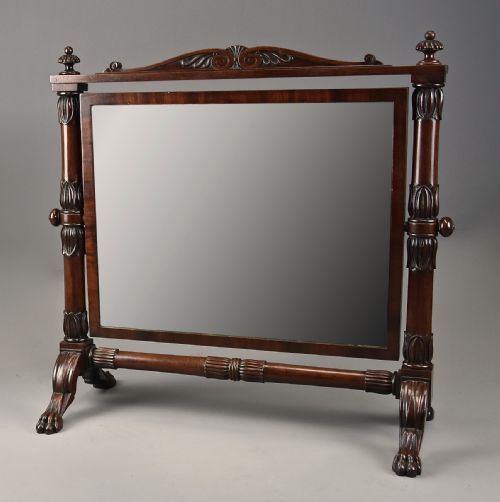
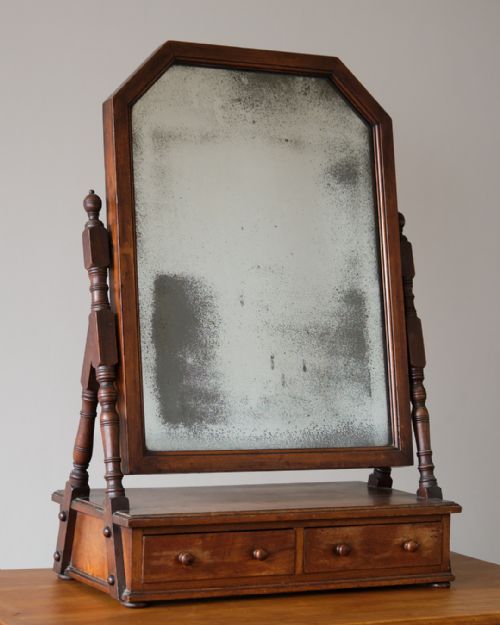
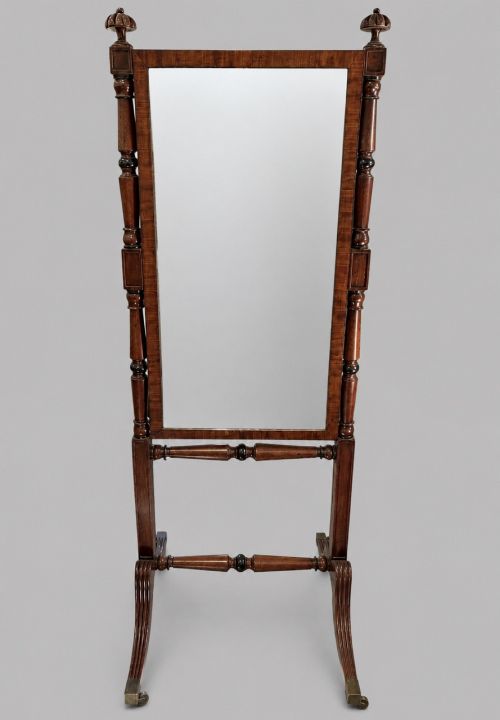
Glass plates were silvered and set into adjustable frames using brass pivots, pins, or screw mechanisms that allowed the user to tilt the angle of reflection. Structural support came from turned barley twist columns, scrolling arms, or substantial floor-standing cheval frames.
Listings feature mahogany dressing mirrors spanning the Georgian, Victorian, and Edwardian eras, incorporating brass hardware, glass plates, and satinwood inlays.
What varies in quality
The depth of colour and grain figuring in the mahogany set the visual standard, with Cuban mahogany often showing superior density and richness. Fine crossbanding, boxwood stringing, and well-executed carved details elevate an ordinary frame into a more refined object.
The original mirror glass and the stability of the pivoting mechanism determine authenticity and day-to-day utility. Pieces that retain their original brass hardware, fitted drawer boxes, and clear, undisturbed glass plates command greater appreciation among collectors.
Heal and Sons·Harrods
The Vintage Mahogany Dressing Mirror Glossary
- Cheval mirror
- A large freestanding floor mirror supported by a vertical frame and side pivots. This allows the entire frame to swing back and forth for full-length viewing.
- Swing mirror
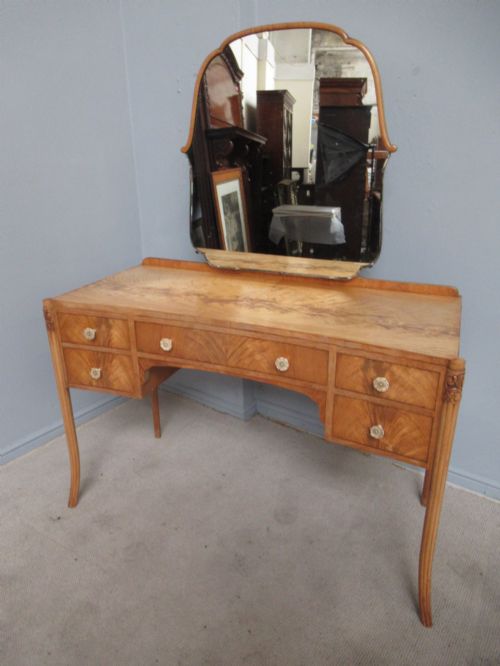
- A glass plate mounted on upright posts above a base or dressing chest, designed to tilt on central pins. These typically sit upon a tabletop or surface.
- Crossbanding
- A border technique where thin strips of veneer are laid perpendicular to the main grain of the wood. This frames the perimeter of a mirror surround or drawer front.
- Shield mirror
- A glass plate cut into the shape of a heraldic shield, popular during the Georgian period. It is usually set within a slender wooden frame on a serpentine base.
- Triplate dressing table
- A mirror setup featuring three hinged panels, allowing the user to view reflections from multiple angles. The side sections fold inwards toward the central glass.
Vintage Mahogany Dressing Mirror: Frequently Asked Questions
How do I date a mahogany mirror?
Dating relies on construction methods, timber choice, and the shape of the mirror frame. Georgian examples often feature slender proportions and ogee feet, while Victorian versions favour heavier mahogany frames and carved supports.
Hardware offers another clue, as hand-cut screws and original brass pivots generally point to earlier periods. Edwardian and later pieces tend to show machine-made fixings and lighter interior woods.
What is a cheval mirror used for?
A cheval mirror is designed for full-length personal grooming and checking an entire outfit. Its floor-standing design means it does not require a table or chest for support.
The pivoting frame allows the user to adjust the angle of the glass easily. These mirrors often stood in bedrooms or dressing rooms.
Are dressing mirror glasses original?
Many older mirrors retain their original glass, which can show foxing, minor speckling, or slight distortion. These signs of age indicate genuine historical preservation.
Replacement glass is common due to breakage over the centuries. A very clear, completely unblemished reflection on an eighteenth-century frame often suggests modern reglazing.
How do I maintain mahogany furniture?
Mahogany benefits from occasional application of quality wax to nourish the grain and protect the finish. Avoid placing timber pieces in direct sunlight or near heat sources to prevent warping.
Dusting with a soft, dry cloth keeps the surface clean without damaging the polish. Checking the brass pivots and tightening them gently ensures the mirror frame moves smoothly.