

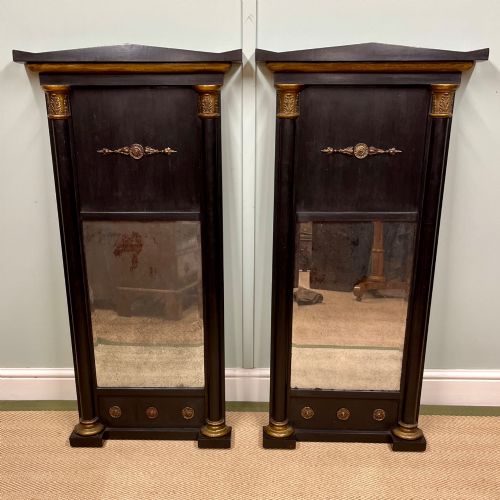


French Empire Wall Mirror
A french empire wall mirror brings architectural proportion and gilded dignity to a room.
French Empire Wall Mirror
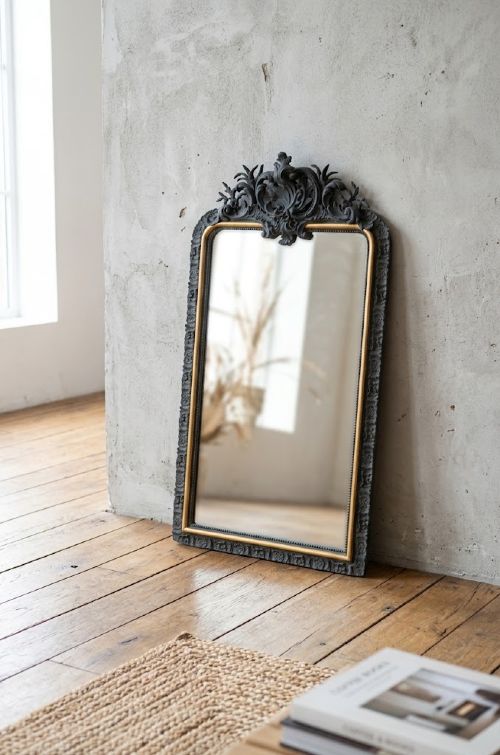
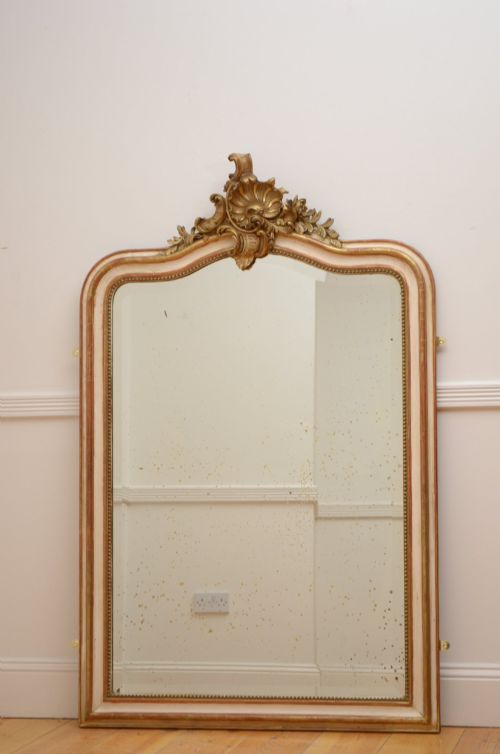
A french empire wall mirror delivers classical symmetry and imposing scale to an interior space. These pieces span the nineteenth century, including Napoleon III examples and later revival iterations, appearing as tall pier glasses, expansive overmantels, and compact cushion frames. Most examples integrate classical motifs derived from neoclassical design, anchoring a room with heavy vertical presence.
The dominant forms found here include large pier mirrors designed for placement between windows, alongside broad overmantels intended for mantelpieces. Buyers encounter both original period pieces and later nineteenth-century revival interpretations sharing the same classical vocabulary. Architectural framing and imposing vertical proportions define the selection.
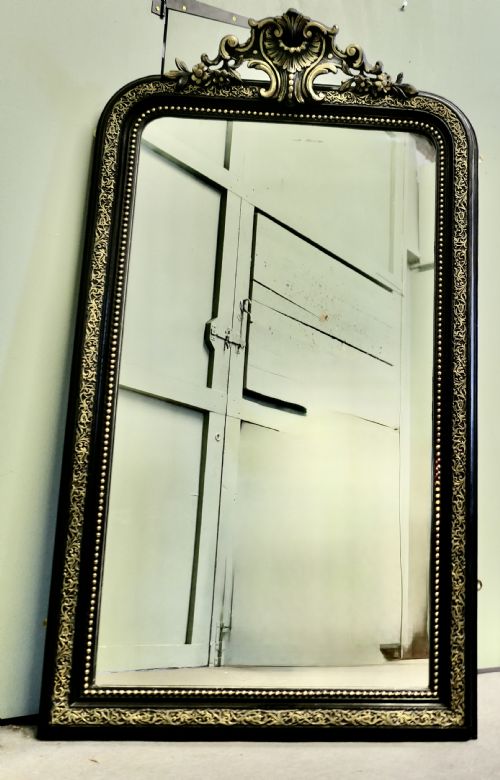
Originating predominantly from French workshops, these wall mirrors reflect the changing tastes of the nineteenth century through successive revival movements. Pieces range from austere mahogany frames mounted in ormolu to heavily gilded compositions with decorative relief panels. The enduring appeal lies in how these mirrors combine reflective depth with monumental classical detailing.
Materials and construction
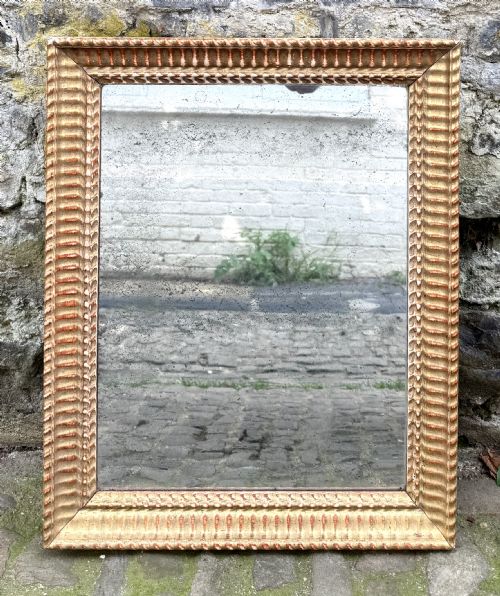
Makers utilised timber carcases of mahogany, walnut, and painted wood as the foundational structure for these mirrors. Applied ornamentation relied on carved gesso and wood, finished with gold leaf or metallic gilding to catch the light. Gilt bronze and brass mountings provide the characteristic contrasting accents seen across the frames.
Glass plates within these frames frequently exhibit period characteristics such as split plates or bevelled edges shaped by nineteenth-century glazing techniques. Giltwood and gesso elements were applied over prepared wooden grounds, allowing intricate classical relief panels depicting figures like Bacchus to retain crisp definition. Black lacquer and faux marble finishes provide the contrasting dark tones typical of the empire aesthetic.
Listings feature mahogany, walnut, and painted wood frames ornamented with gesso, gold leaf, and gilt bronze across the nineteenth century.
Distinctions in execution
The separation between standard and superior examples rests upon the depth of the carving and the quality of the gilding. Hand-applied gold leaf possesses a warmth and patina distinct from later metallic paints, while deep relief moulding on gesso displays sharper architectural definition. The integration of cast ormolu mounts rather than stamped brass indicates a higher grade of production.
Proportion and structural integrity dictate the standing of a piece within its type. Frames constructed from solid mahogany or burr walnut command attention through rich timber figuring, supported by original mercury or early plate glass retaining authentic depth. The precision of the joinery and the restraint or ambition of the neoclassical ornamentation determine the ultimate visual weight of the mirror.
The French Empire Wall Mirror Glossary
- Pier mirror
- A tall mirror designed specifically to hang on the narrow wall space between two windows. These vertical glasses maximise available light in nineteenth-century drawing rooms.
- Overmantel mirror
- A wide horizontal mirror built to sit directly above a fireplace mantelpiece. Their proportions usually match the width of the hearth below.
- Gesso
- A plaster-like mixture applied to wood frames to create a smooth surface for gilding or carving. Relief details are often moulded directly into this compound before finishing.
- Ormolu
- Finely chased and gilt bronze mounts applied to furniture and mirror frames. The technique creates bright metallic highlights against dark woods or black lacquer.
- Trumeau
- A decorative wall panel containing a painted scene or mirror within an architectural frame. They integrate mirrors directly into interior wood panelling.
French Empire Wall Mirror: Frequently Asked Questions
Where should I hang a french empire wall mirror?
These mirrors command attention when placed above a fireplace mantel or positioned between large windows as a pier glass. Their vertical proportions require substantial wall space to reflect light effectively.
Ensure the wall construction supports the considerable weight of carved wood and glass. Lower placements allow the mirror to interact naturally with console tables or room furniture.
How do I distinguish an original period piece from a revival?
Examine the construction of the wooden carcase and the composition of the glass plate behind the frame. Nineteenth-century examples often display hand-cut timber joinery and subtle imperfections in the reflective surface.
Revival pieces from later in the Victorian era frequently utilise machine-prepared boards and standardised brass mounts. Secondary wood types and the ageing pattern of the gesso provide further chronological clues.
What maintenance do antique gilded frames require?
Keep gilded surfaces free from dust using a soft, dry brush without applying chemical cleaning agents. Moisture damages delicate gold leaf and historical gesso composition.
Position mirrors away from direct sunlight and damp environments to preserve the integrity of the wood and the backing. Professional conservation is advised for loose or flaking gesso.
Why do some mirrors feature split glass plates?
Early manufacturing limitations restricted the maximum size of flawless glass sheets available to mirror makers. Splitting the glass plate horizontally or vertically allowed craftsmen to construct grander frames without technological failure.
This historical necessity evolved into a distinct stylistic feature characteristic of nineteenth-century decorative framing. Today, split plates confirm the period authenticity of the mirror.