
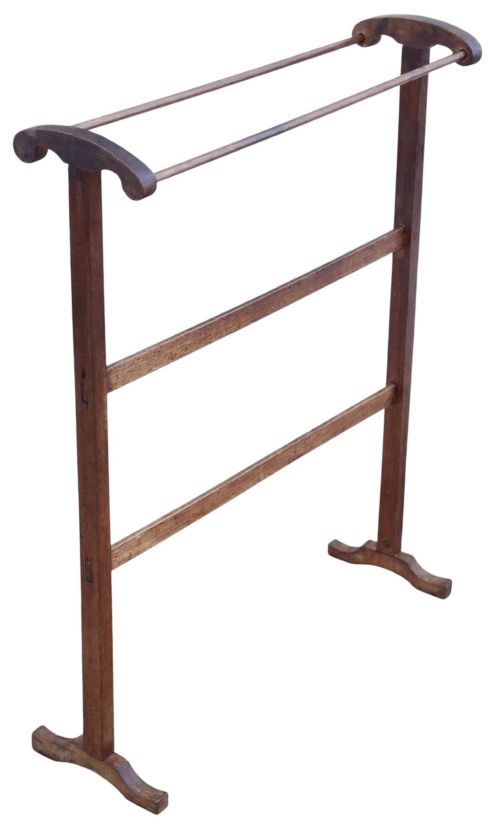
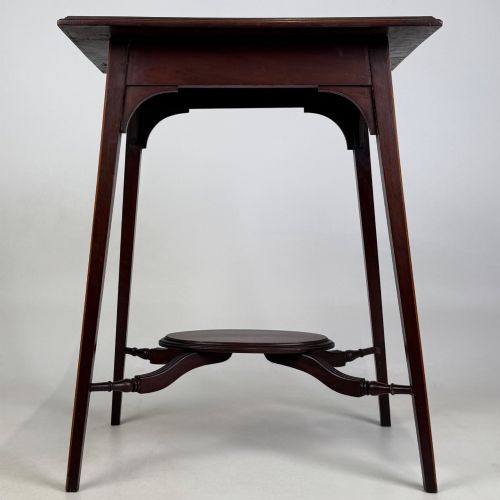
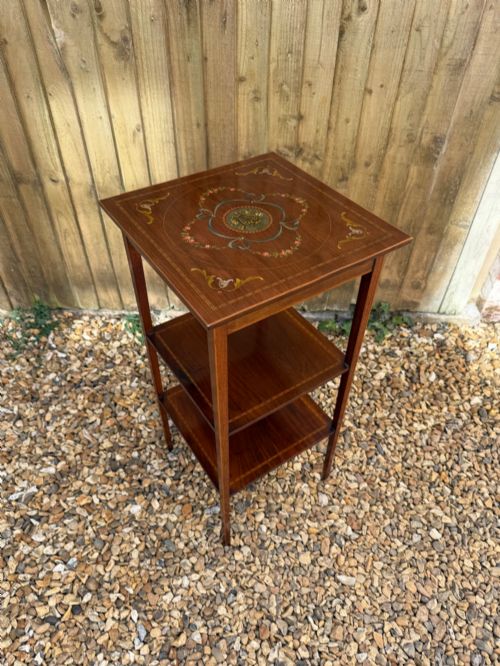
Vintage Mahogany Display Stand
A vintage mahogany display stand brings warmth and vertical interest to a room, holding everything from porcelain collections to plants.
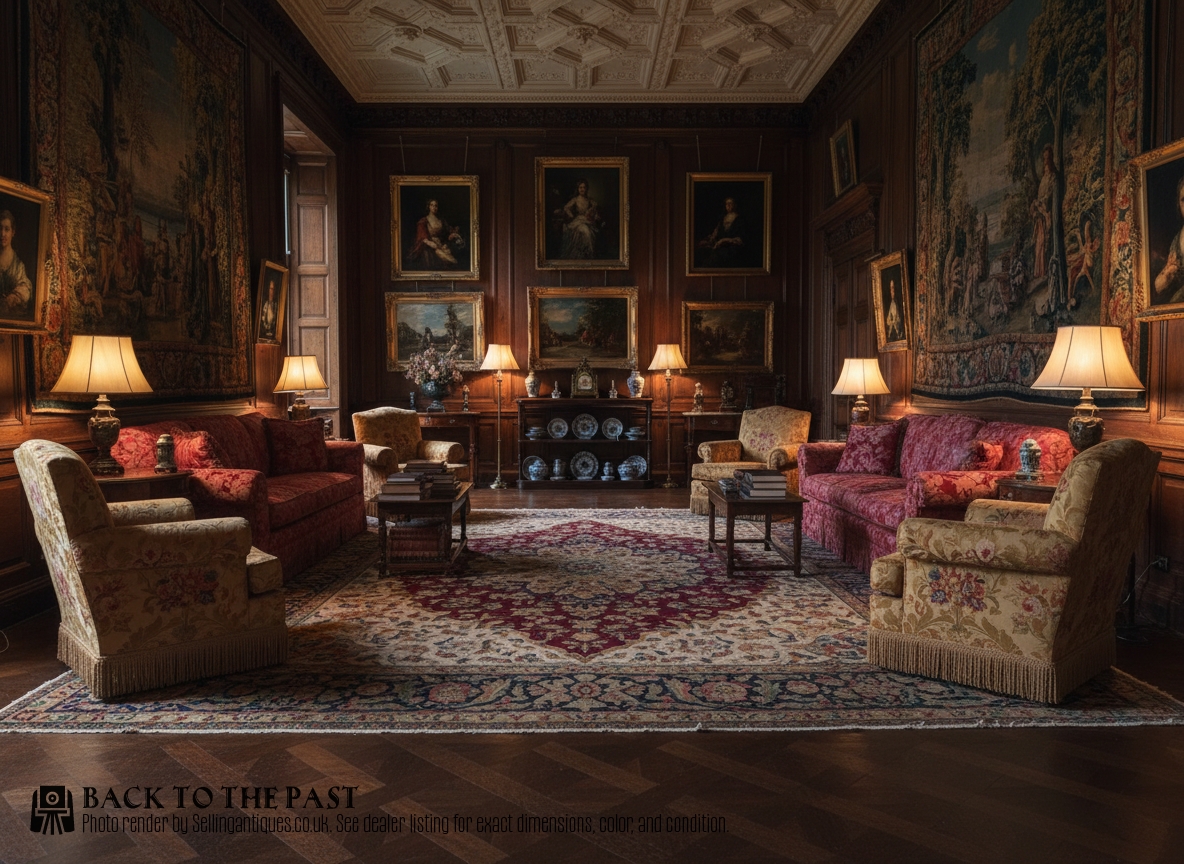
Vintage Mahogany Display Stand
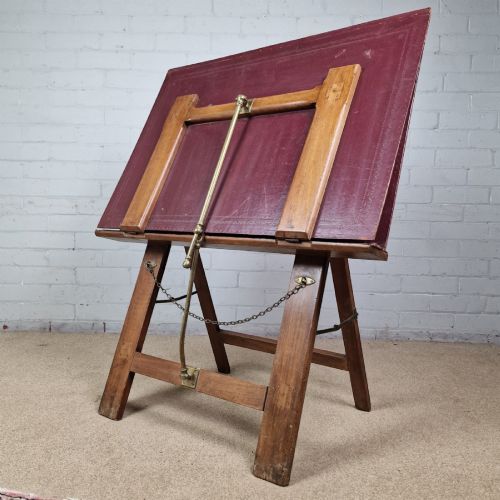
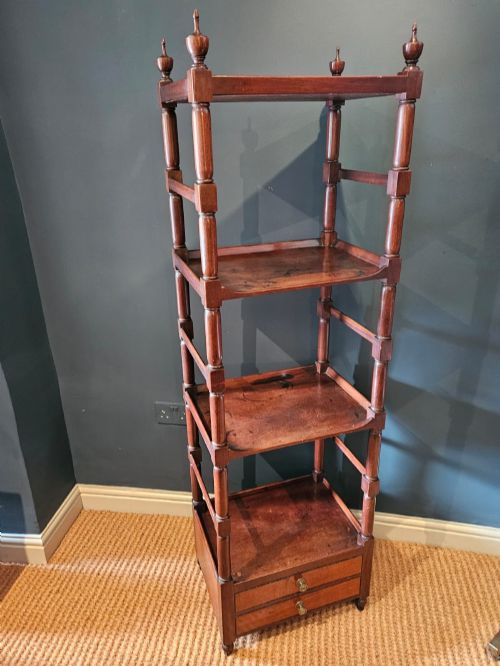
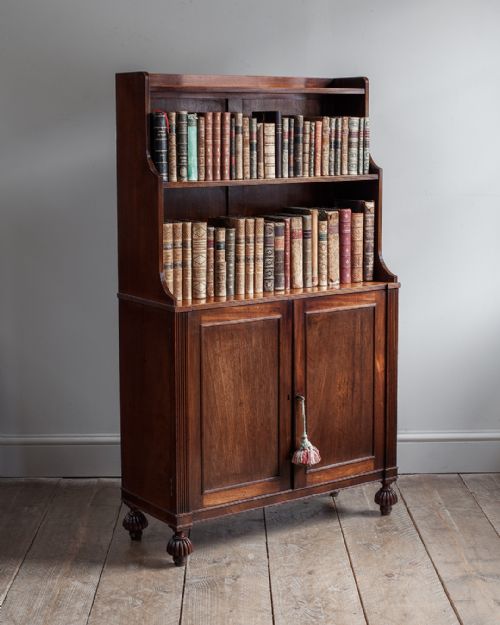
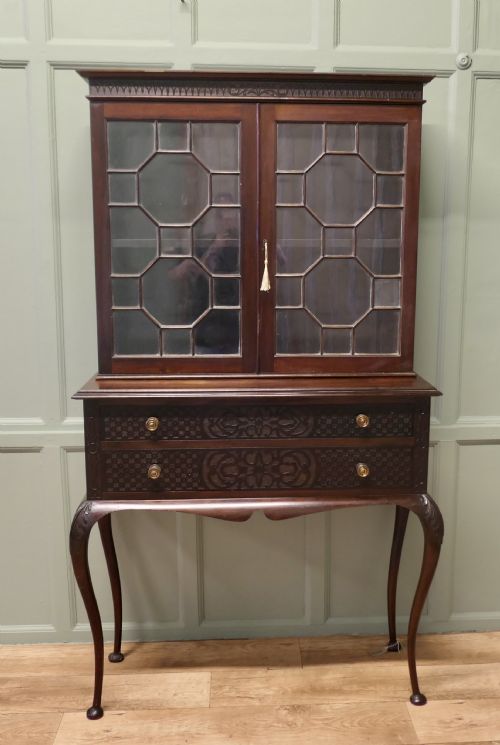
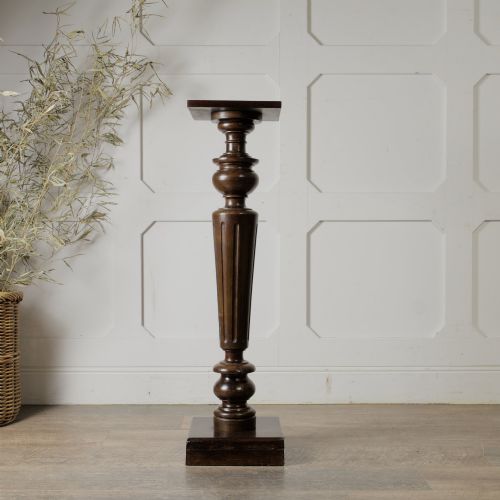
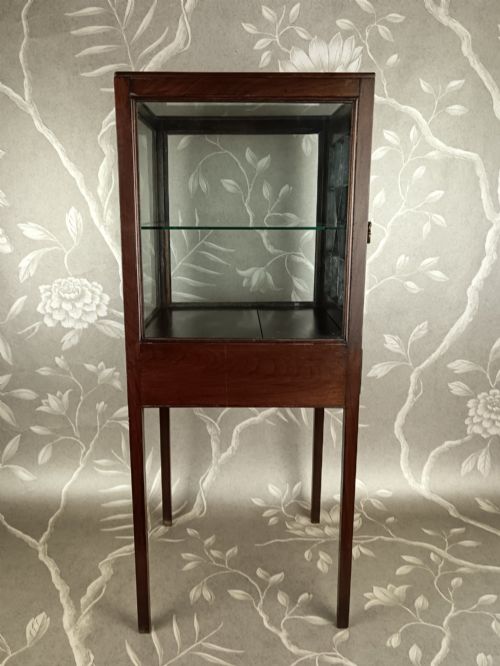
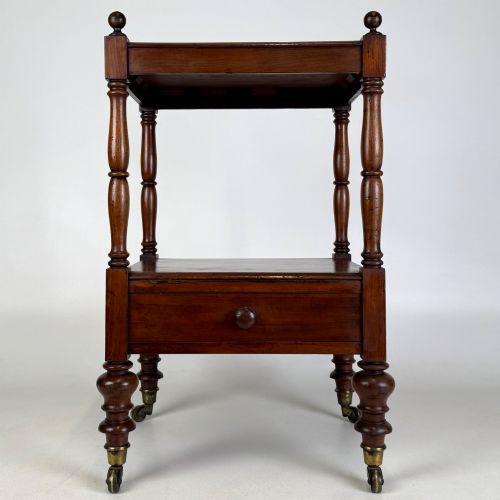
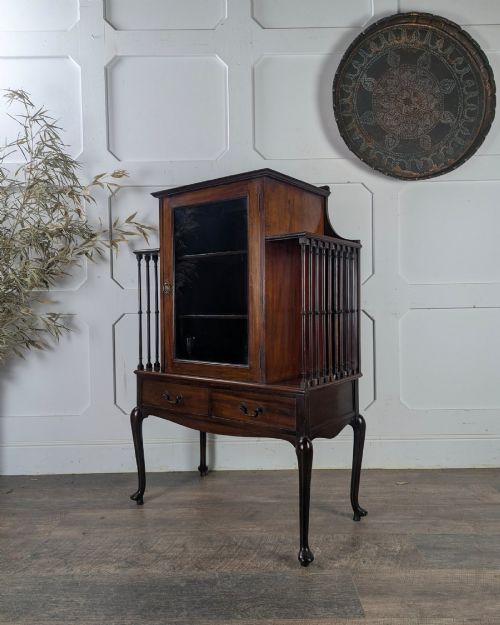
When you search for a vintage mahogany display stand, you encounter a variety of multi-tiered structures designed to elevate objects of interest. The pieces range from tall corner cupboards and glazed cabinets to open bookcases, tiered what-nots, and slender torchères.
The selection spans several distinct eras, drawing heavily on Edwardian, Victorian, and Georgian sensibilities. Revival movements such as Sheraton, Regency, and Chinese Chippendale also appear, showing how makers reinterpreted older aesthetics for later homes.
Materials and construction methods
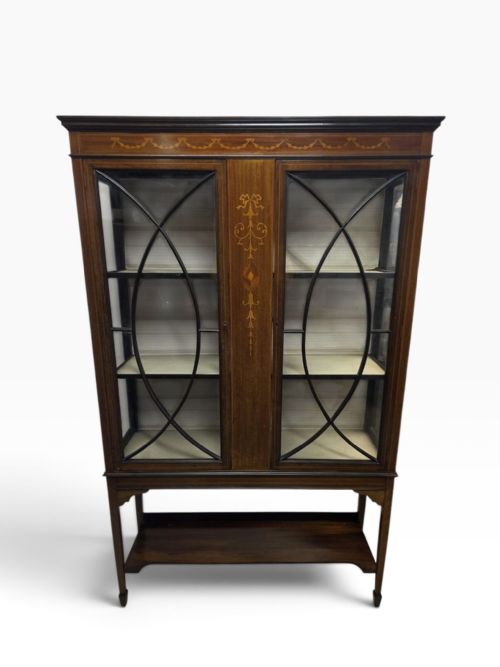
Makers relied on solid mahogany and carefully selected veneers, frequently embellishing surfaces with contrasting boxwood and satinwood inlay. Glass panels feature in display cabinets and vitrines, while brass hardware provides structural joins and functional handles.
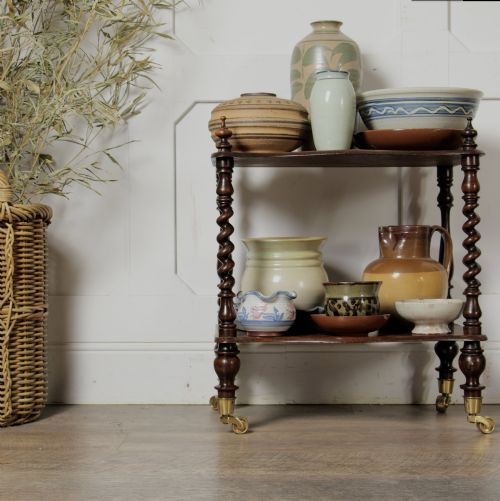
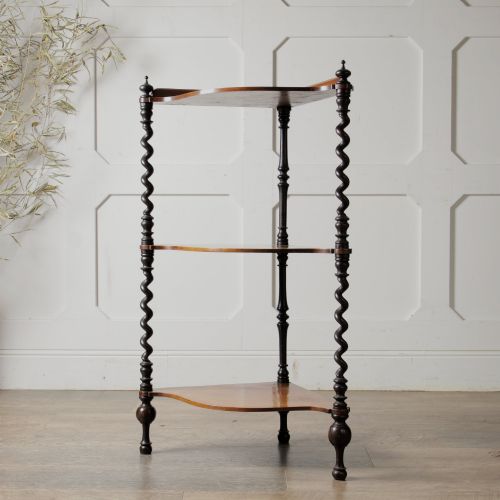
Support elements showcase traditional carpentry techniques, including turned columns, barley twist supports, and delicate column pedestals. Fabric and paint occasionally surface as supplementary materials within specific cabinets or etagères.
Cotton reel display trees appear alongside cake stands, proving that Victorian shops and tea parties shared a passion for tiered wooden tiers.
Distinctions in construction and ornament
The degree of detail in the timber preparation and inlay work marks the difference between standard production and finer pieces. Crisp carving on a torchère or precise stringing on an Edwardian cabinet indicates greater time spent at the bench.
Structural integrity relies on the original joinery of tiers, shelves, and revolving mechanisms. Heavier woods and solid turnings provide lasting stability compared to lighter, purely decorative alternatives.
Maple and Co
The Vintage Mahogany Display Stand Glossary
- What-not
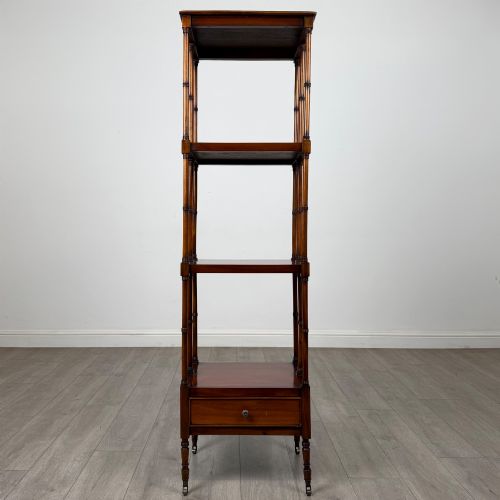
- A set of open shelves, typically with three or four tiers, designed for displaying small ornaments or books.
- Torchère
- A tall, slender stand or pedestal originally intended to hold a candle or lamp, now frequently used for plants.
- Vitrine
- A glass-fronted cabinet or display case designed to showcase porcelain, glassware, or small collections.
- Etagere
- A piece of furniture consisting of a number of open shelves for displaying articles.
- Inlay
- A technique of inserting pieces of contrasting wood, such as satinwood or boxwood, into depressions in the mahogany base to form decorative patterns.
Vintage Mahogany Display Stand: Frequently Asked Questions
How do I use a torchère stand?
A torchère provides a raised platform suitable for a tall green plant, a bronze figure, or a decorative vase.
Its slender footprint allows it to fit into unused corners without taking up floor space.
What is the difference between a whatnot and a bookcase?
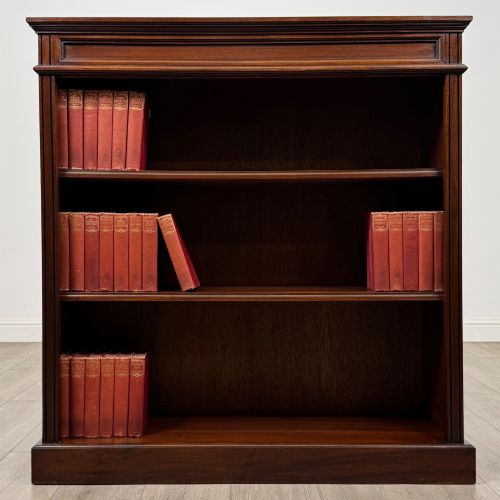
A whatnot consists of multiple open tiers intended for display rather than heavy storage.
Bookcases feature deeper, enclosed or open shelving specifically built to hold volumes upright.
How do I identify Edwardian inlaid mahogany?
Edwardian pieces often display lightwood stringing, such as boxwood and satinwood, set into the darker mahogany frame.
Maker details and lighter construction methods help distinguish them from earlier Georgian work.
Where should I place a corner display cabinet?
Corner cupboards utilise awkward junctions in a room, turning empty angles into functional display areas.
They work well in dining rooms or drawing rooms to hold glassware and ceramics.