
Vintage Low Bookcase
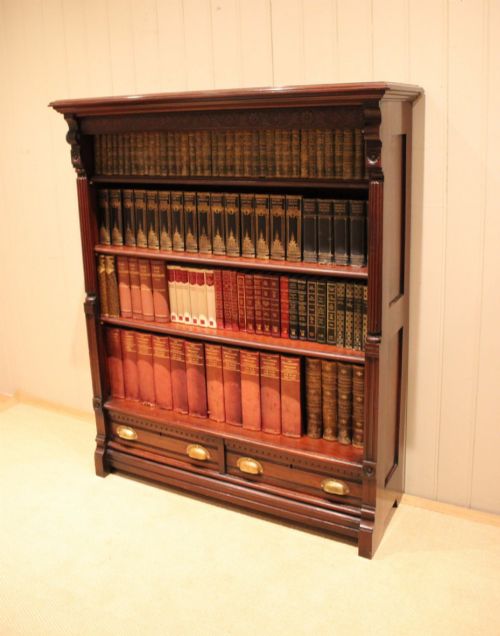
A vintage low bookcase keeps volumes at hand while fitting comfortably beneath a picture rail or window.
Vintage Low Bookcase
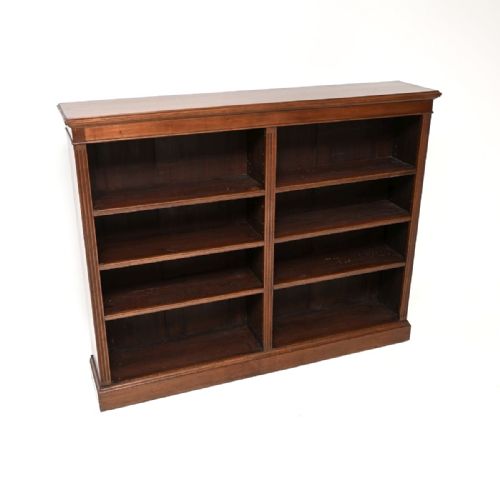
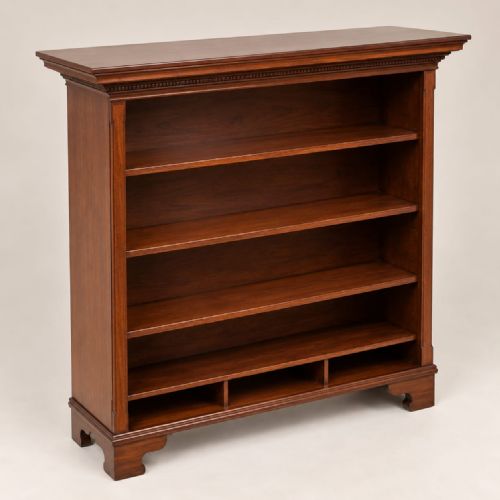
A vintage low bookcase provides accessible open shelving or enclosed display space without dominating the floor plan of a room. When you search for a vintage low bookcase, you encounter pieces originating from the Victorian, Edwardian, and Art Deco periods, alongside items from the 1920s and 1930s.
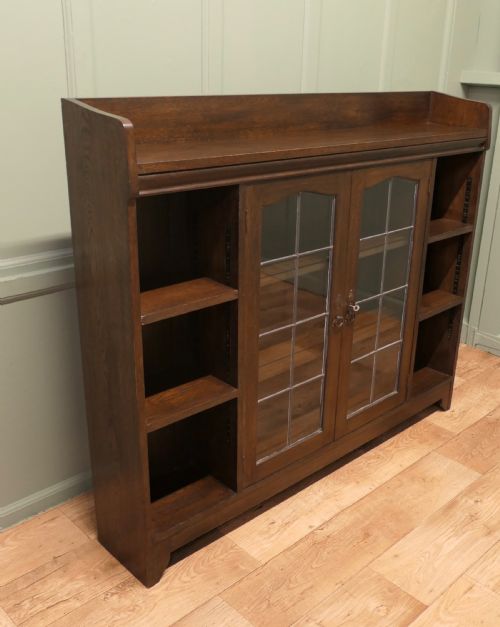
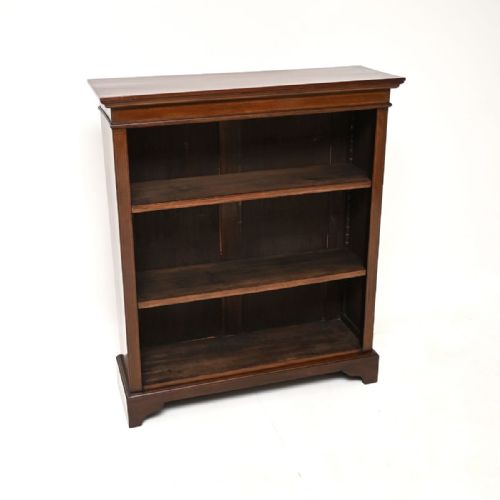
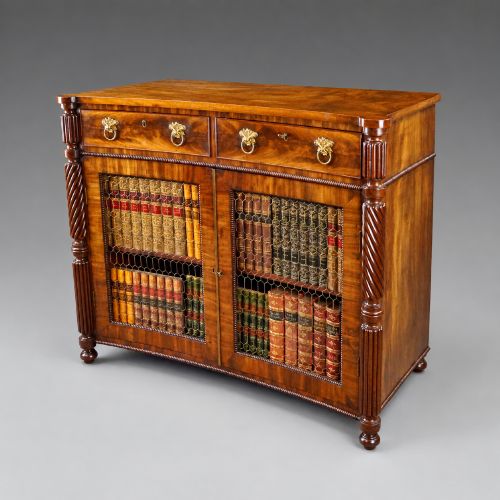
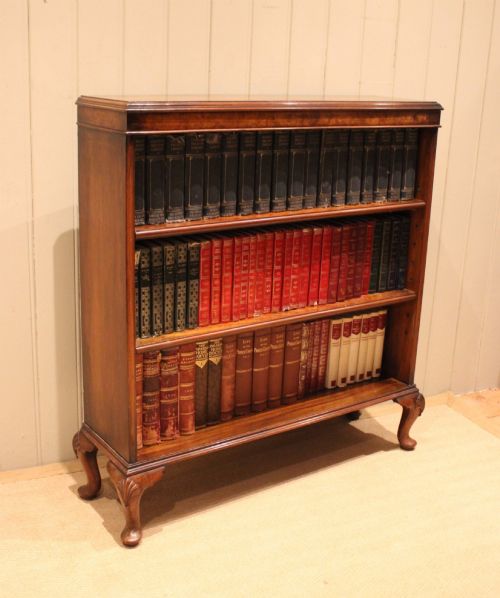
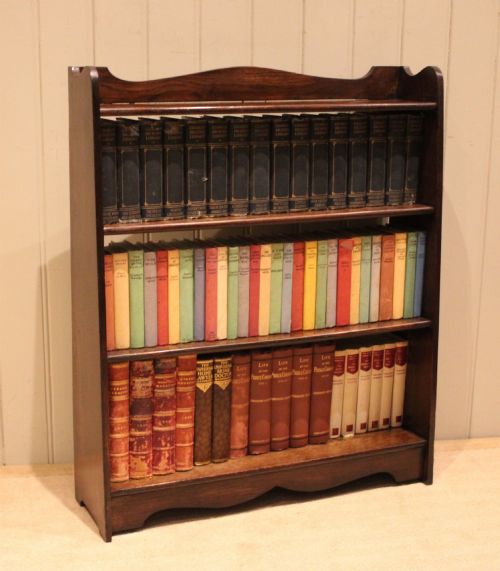
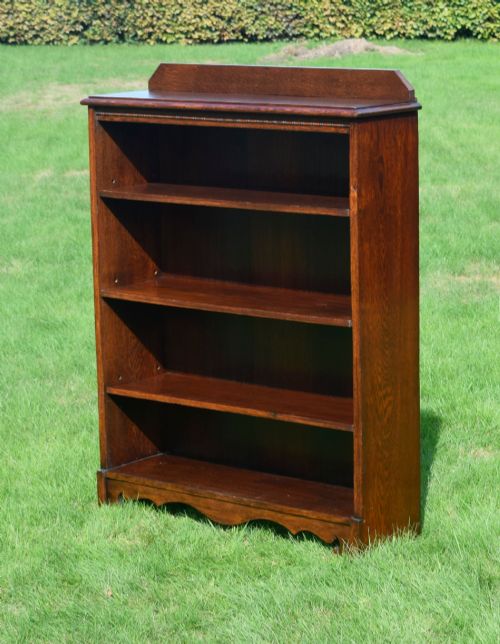
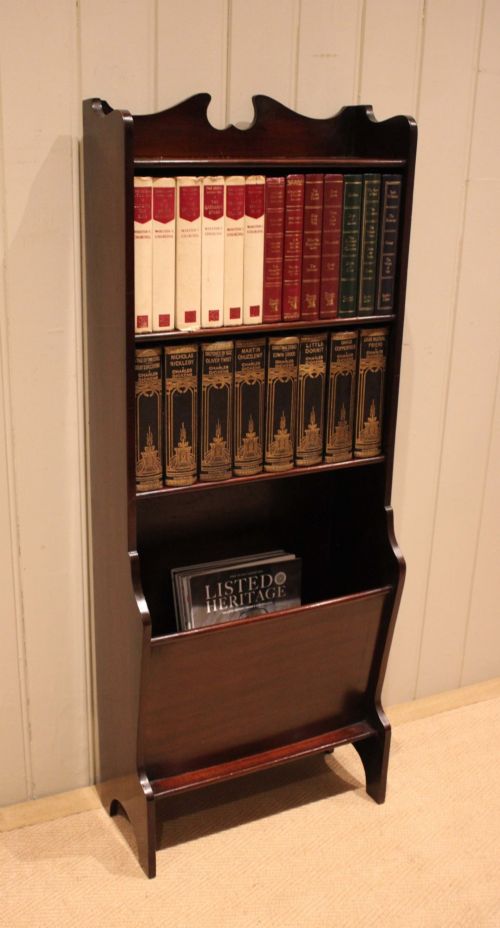
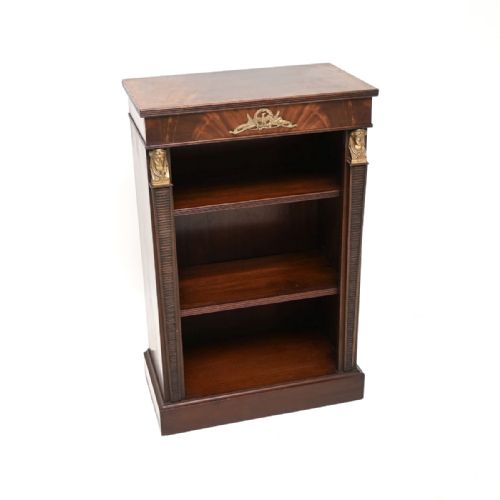
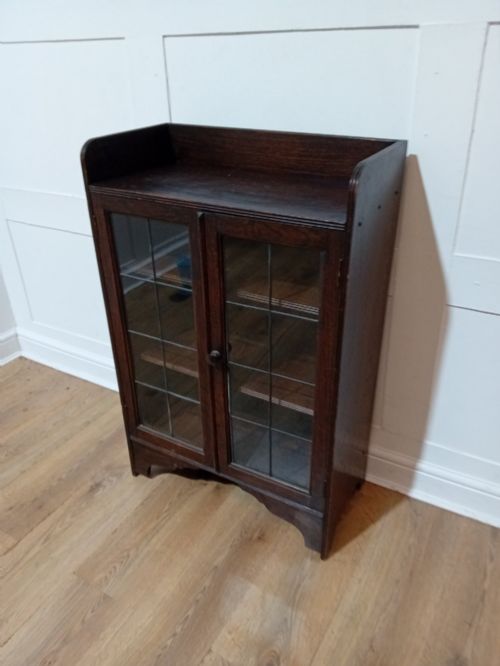
The most common forms on this page are open oak and mahogany bookcases standing at a reduced height, often featuring adjustable shelves for practical storage. Alongside standard open formats, you find dwarf cabinets, glazed display units, and small side cabinets with magazine racks.
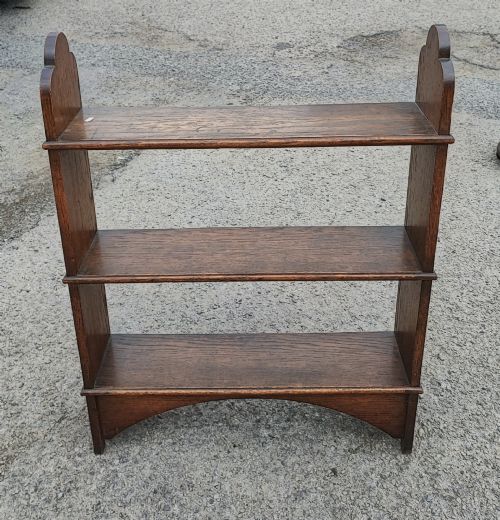
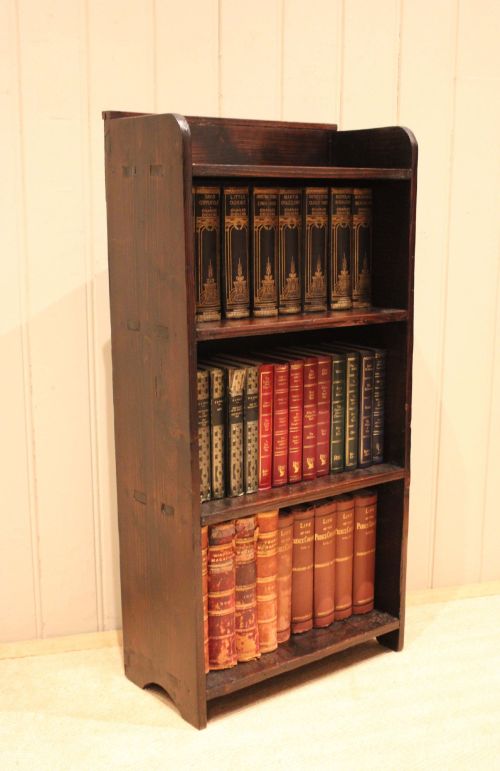
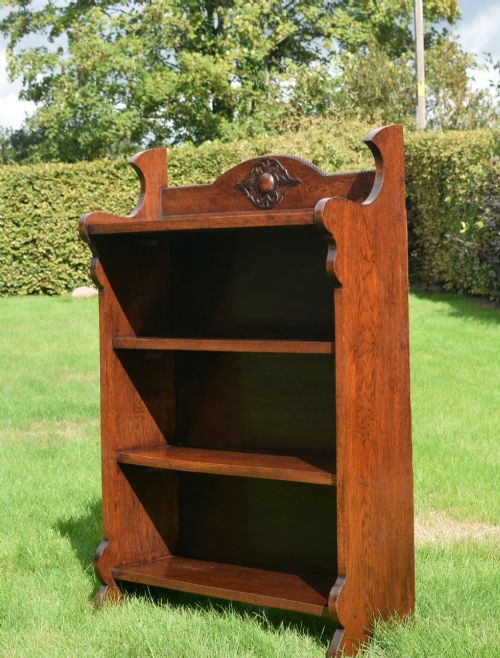
These items span styles from rustic country pine and Arts and Crafts oak to neoclassical Empire designs and sleek Swedish Art Deco satin birch. Their modest proportions make them adaptable for hallways, studies, and sitting rooms where taller furniture would feel heavy.
Materials and construction
Makers constructed these pieces primarily in solid timbers such as oak, mahogany, and walnut, frequently selecting plain or golden oak for Edwardian utility and rich mahogany for Victorian elegance. Pine appears in rustic country items, while specialty woods like ash and satin birch define later Art Deco examples.
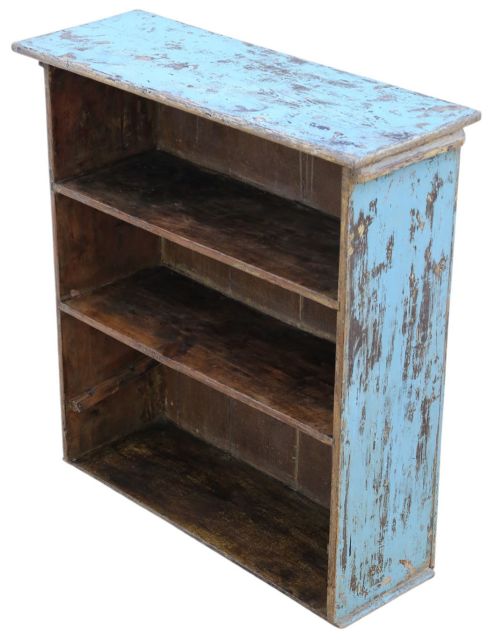
Construction techniques focus on stability and daily use, incorporating adjustable wooden shelves, beaded edges, and occasional brass hardware fittings. Surface finishes range from natural polished wood grains to painted blue treatments and distressed patinas.
Listings span multiple decades, incorporating Victorian pine, Edwardian oak, and 1930s Art Deco satin birch.
What varies in quality
The grade of a piece rests upon the selection of timber and the crispness of its joinery, where finely figured mahogany or quarter-sawn oak clearly separates standard workshop production from finer items. Structural integrity in the shelving supports and the smoothness of adjustable shelf mechanisms also determine the standing of an individual cabinet.
Subtleties of design, such as restrained neoclassical inlay, deliberate carved detailing, or balanced proportions in smaller frames, elevate certain examples above plain utility furniture. The integrity of the original surface finish, whether a warm polished patina or authentic painted layer, further distinguishes superior pieces.
Heal s
The Vintage Low Bookcase Glossary
- Dwarf cabinet
- A low-standing storage unit designed to sit beneath dado height, providing surface display space alongside lower shelving.
- Adjustable shelves
- Shelving supported by movable pins or tracks, allowing the interior height to change according to book sizes.
- Quarter-sawn oak
- Timber cut radially from the log to produce a distinct decorative grain pattern known as medullary rays.
- Neoclassical Empire
- A stylistic revival drawing on classical Greek and Roman motifs, visible in symmetrical proportions and restrained classical ornament.
- Open bookcase
- A shelving unit without doors, offering immediate access to the contents stored within.
Vintage Low Bookcase: Frequently Asked Questions
How tall is a low bookcase typically?
These pieces generally measure below standard desk or mantel height, allowing them to fit neatly beneath windows or picture rails without obstructing wall space.
Their reduced vertical span ensures that books remain within comfortable reach from a standing or seated position.
Are the shelves adjustable on these bookcases?
Many examples feature movable internal shelving supported by traditional wooden or metal ratchets, allowing you to accommodate volumes of varying heights.
Fixed shelves also appear frequently, particularly in simpler rustic or country pieces where structural rigidity takes priority over flexibility.
Where should I place a low bookcase?
Their compact dimensions make them suited for hallways, alcoves, or beneath windows where taller furniture would block light or overwhelm the room.
They also function well behind seating areas or in home offices where keeping reference volumes close at hand is useful.
How do I care for wood finishes?
Maintenance requires occasional dusting with a soft, dry cloth and the sparing application of traditional beeswax to nourish the timber surface.
Keep these cabinets away from direct heat sources and strong sunlight to prevent the wood from drying out or the polish from fading.