



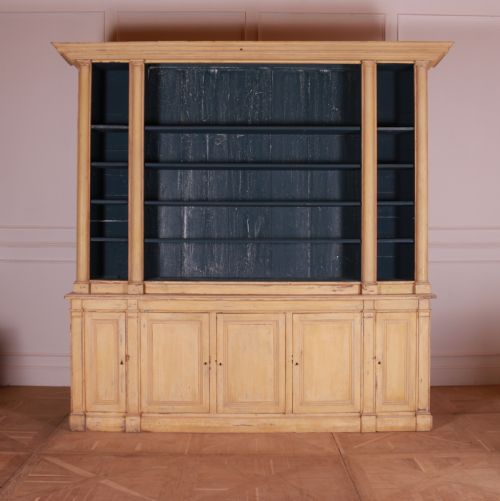


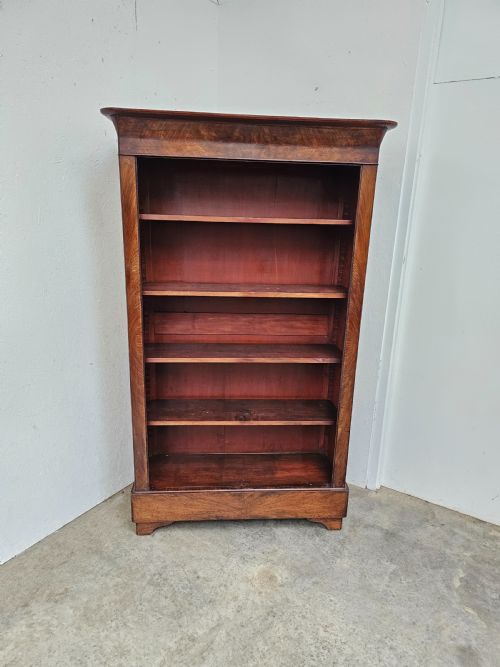

Provincial Open Bookcase
A provincial open bookcase brings rustic charm and practical display space to a room, offering sturdy shelving crafted for everyday utility.
Provincial Open Bookcase
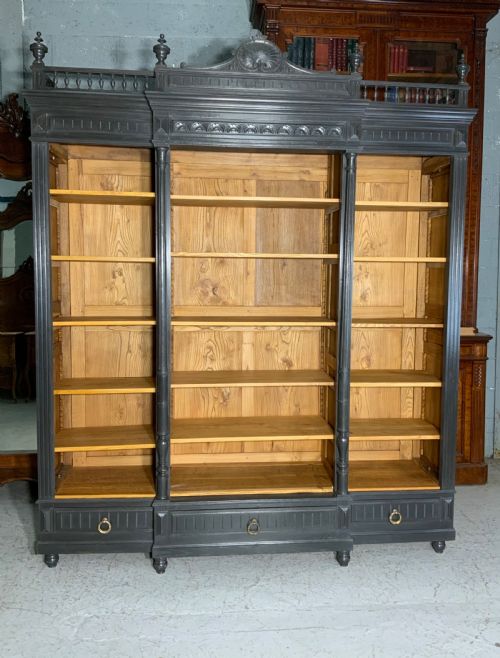
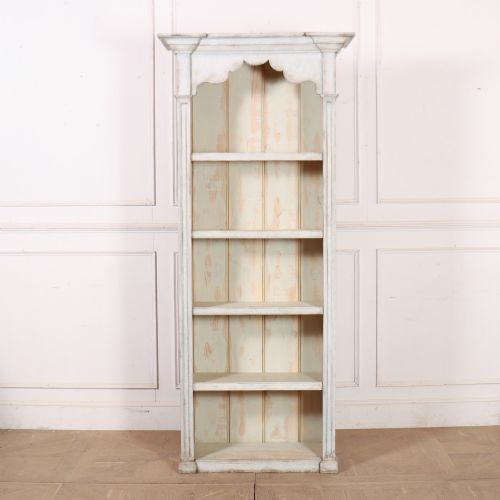
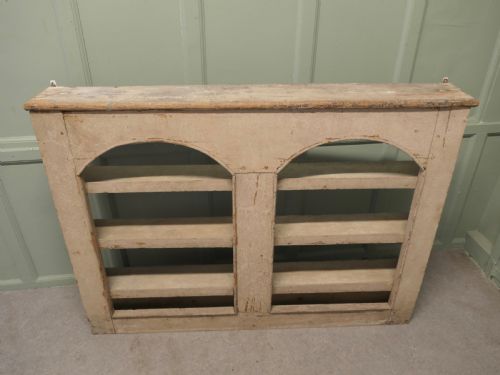
A provincial open bookcase provides accessible shelving for books and display items, taking the form of upright storage units or alcove shelving originating from regional workshops. When searching for a provincial open bookcase, buyers encounter pieces primarily from the nineteenth century alongside earlier eighteenth-century examples.
The regional character shows in straightforward forms like tall oak frames, diminutive dwarf bookcases, and turned-leg etageres. These items reflect French provincial, rustic farmhouse, French chateau, and French country styles tailored for domestic use.
How provincial open bookcases were made
Carpenters constructed these pieces using solid timbers such as pine, oak, and walnut, often selecting local woods suited to regional furniture traditions. Joinery relied on traditional methods to build sturdy carcasses and fixed or adjustable shelving.
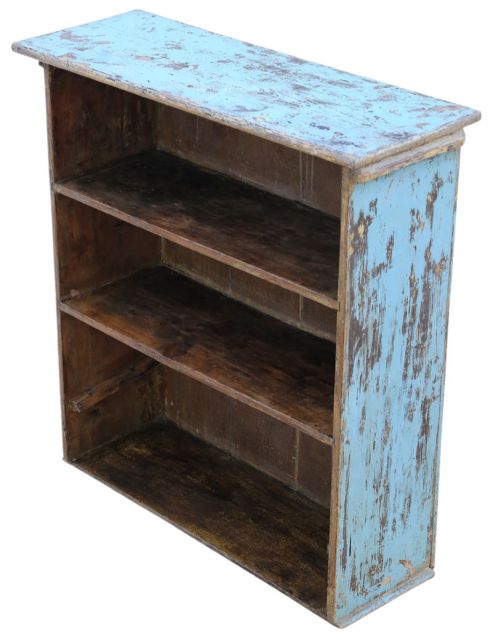
Many surfaces received applied finishes including distemper paint, blue paint, or hand carving to decorative elements. Brass details sometimes appeared on hardware, while other examples featured bleached oak or original painted surfaces.
Provincial Open Bookcase Retail Price Guide 2026
Typical asking prices for provincial open bookcase among the pieces listed under this phrase on Sellingantiques today, from the lower quarter to the upper quarter. They describe what is for sale here now, not the wider market.
What varies in quality
Quality rests on the selection of timber and the execution of hand-carved details or turned legs, where finer execution yields greater visual balance. The integrity of original painted finishes or bleached wood surfaces directly influences the aesthetic impact of each piece.
Proportions also distinguish finer examples, particularly in diminutive dwarf formats or tall oak structures where careful scaling creates a harmonious presence. The condition of the original structure and the authenticity of the surface finish separate standard utility items from more distinguished regional pieces.
The Provincial Open Bookcase Glossary
- Provincial
- Furniture made in the regions rather than a capital city. These pieces often display local stylistic traits and regional timber choices.
- Etagere
- A piece of furniture consisting of a set of open shelves for displaying small objects. This form offers versatile storage in domestic interiors.
- Distemper
- A water-based paint medium using size or glue as a binder. It produces a matt surface frequently found on older painted furniture.
- Alcove shelving
- Shelves fitted into a recessed wall space. This design maximises room utility by utilising awkward architectural voids.
Provincial Open Bookcase: Frequently Asked Questions
Where should I place a provincial open bookcase?
These bookcases fit well in living rooms, studies, or hallways where books and decorative objects remain within easy reach. Their open design keeps items visible and accessible for daily use.
Consider matching the wood tone or painted finish to existing room decor to maintain a cohesive visual balance within the interior space.
How do I care for painted wood surfaces?
Dust surfaces gently with a soft, dry cloth to prevent dirt accumulation without harming historic paint layers. Avoid harsh chemical cleaners that might strip distemper or original paint.
Keep pieces away from direct sunlight and extreme temperature changes to protect the timber and surface coatings from drying out.
What is a dwarf bookcase?
A dwarf bookcase is a low-height shelving unit designed to sit beneath window height or within smaller wall spaces. These diminutive pieces provide compact storage without dominating the room.
They offer a practical surface on top for displaying lamps or decorative objects while keeping books at a lower level.
How can I tell pine from oak on these pieces?
Oak exhibits a heavier weight, visible grain patterns with medullary rays, and a harder surface texture. Pine tends to be lighter in weight with a softer, straighter grain.
Examining the underside or interior parts often reveals the natural characteristics of the timber more clearly than finished exterior surfaces.