




Antique Pine Display Shelf
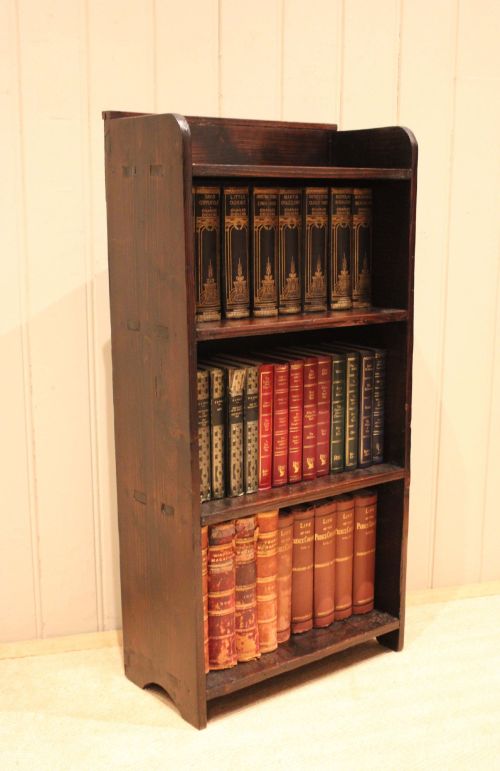
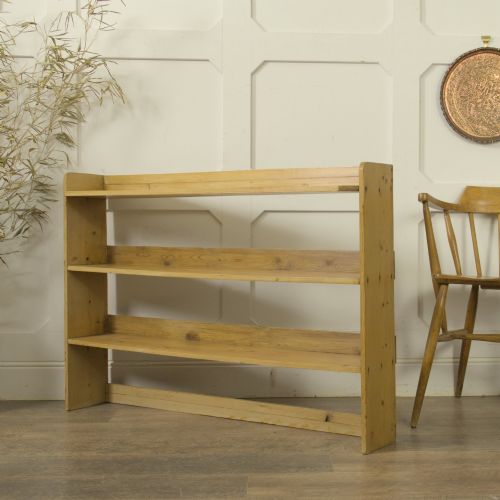
An antique pine display shelf brings warmth and practical storage to a room, offering open timber staging for books and collected objects.
Antique Pine Display Shelf
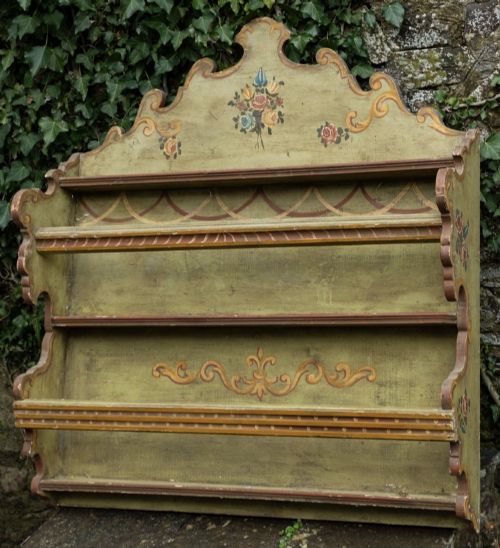
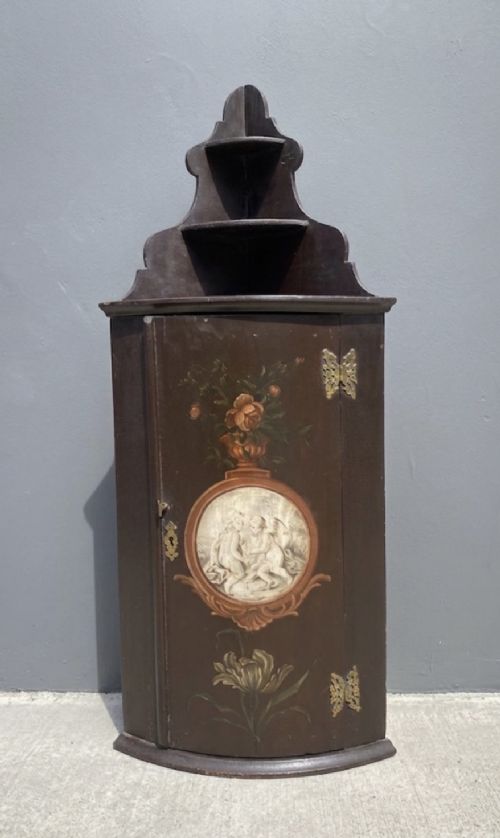
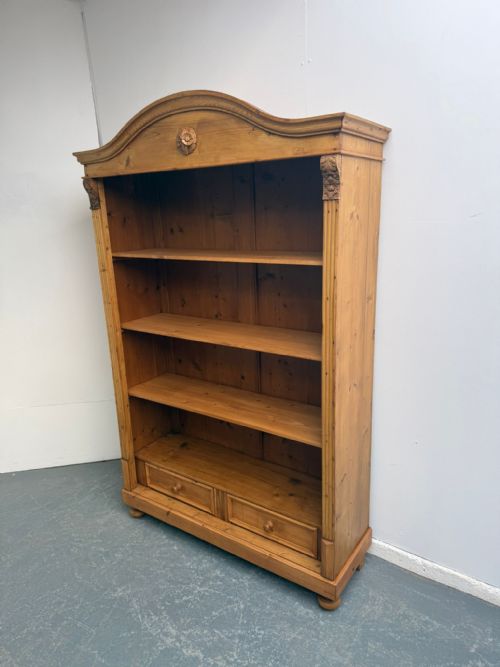
When searching for an antique pine display shelf, you encounter practical storage furniture built primarily from softwoods, frequently painted or waxed. These items take forms such as open bookcases, wall shelves, plate racks, and corner cabinets spanning the eighteenth, nineteenth, and early twentieth centuries.
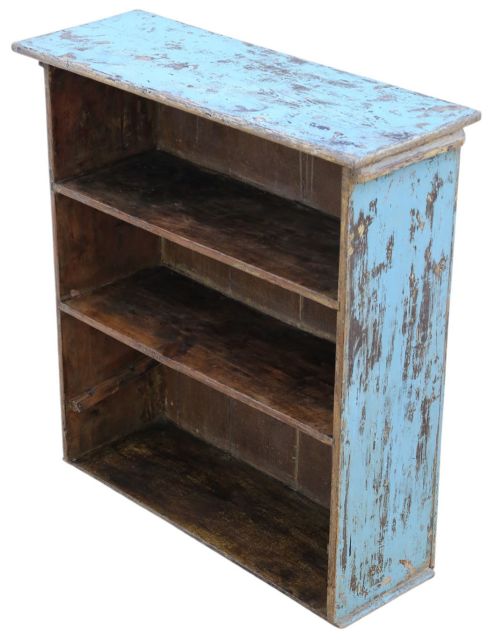
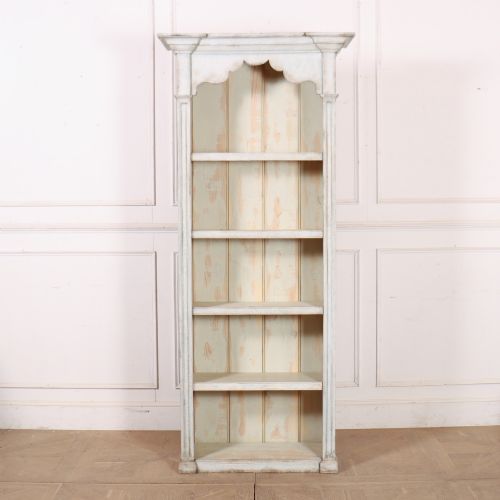
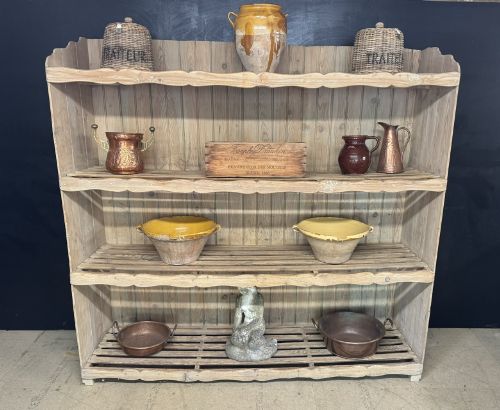
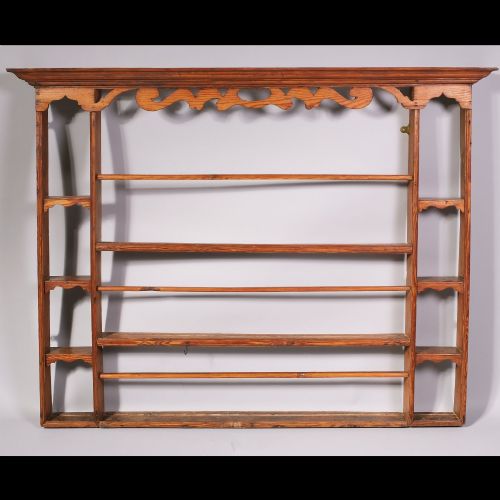
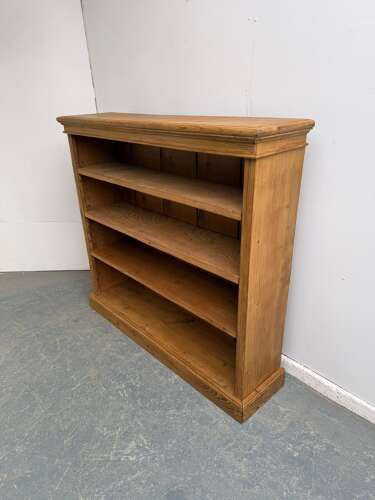
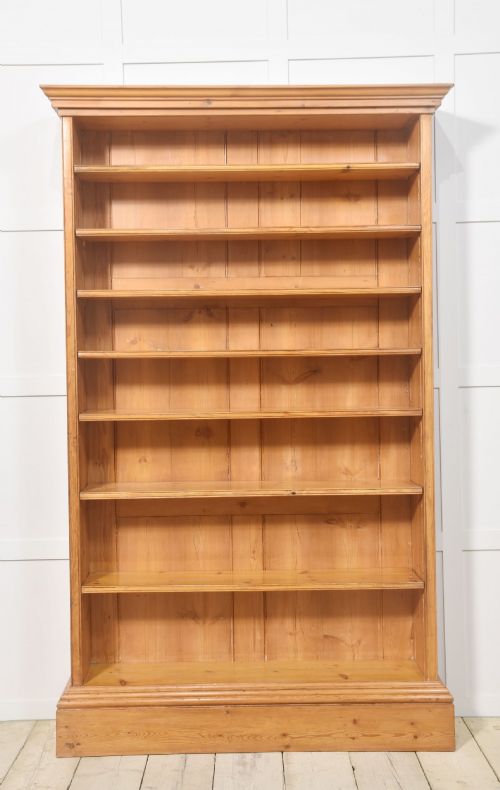
The most common versions on this page are nineteenth-century open bookcases and wall-mounted plate racks in stripped or painted deal and pine. Pieces range from simple rustic farmhouse shelving units to finer Georgian and Victorian items featuring decorative mouldings and adjustable shelves.
Origins stretch across English country workshops and French provincial settings, alongside occasional Swedish and Welsh examples. Buyers select these items to display books, ceramics, and kitchenware while introducing tactile historic wood grain or aged paint surfaces into domestic interiors.
How they were made
Makers constructed these display pieces using solid pine, deal wood, and occasional pitch pine, often pairing them with oak or walnut components. Surfaces received hand-applied lead or milk paint, traditional wax finishes, or plain staining to protect the softwood timbers.
Joinery techniques relied on traditional pegged and dovetailed joints for stability in heavy bookcases and dressers. Detail work included hand-carved fretwork, applied mouldings, turned columns, and brass hardware to elevate the simpler pine carcasses.
The documented forms span open bookcases, plate racks, corner cabinets, wall shelves, dressers, and provincial drapers tables.
What varies in quality
Construction methods determine the structural integrity of a display shelf, distinguishing pegged joinery and solid backboards from later nailed replacements. The thickness and stability of the pine boards dictate how well shelves bear the weight of heavy books and ceramics over time.
Surface preservation separates standard utilitarian items from finer examples, with original painted finishes, aged patination, and undisturbed wax surfaces commanding attention. Delicately executed fretwork, decorative cornices, and intact period hardware also elevate a piece above basic workshop production.
The Antique Pine Display Shelf Glossary
- Deal
- Softwood timber cut from pine or fir trees, widely used in British and European vernacular furniture production. It provides a lightweight yet sturdy material for cupboards and shelving units.
- Delft rack
- A wall-mounted or dresser-top shelving unit specifically designed for displaying plates and ceramic dishes. These racks incorporate narrow display ledges and plate retaining grooves.
- Pitch pine
- A durable resinous softwood variety valued for its distinctive grain pattern and strength. It appears frequently in nineteenth-century display bookcases and cabinetry.
- Fretwork
- Ornamental openwork pattern cut into thin boards using a fretsaw. This decorative technique appears on the friezes and pelmets of eighteenth and nineteenth-century shelving.
- Waxed finish
- A traditional surface treatment using beeswax or similar compounds rubbed into the timber. This method nourishes the pine while producing a soft, tactile sheen.
Antique Pine Display Shelf: Frequently Asked Questions
How do I secure a wall-mounted display shelf safely?
Wall-mounted shelves and plate racks require sturdy fixings into solid masonry or direct wall studs to support the weight of heavy books and ceramics securely.
Using appropriate brackets and weight-bearing screws prevents the timber from pulling away from older lime-plastered walls.
Can I adjust the shelf heights on older pine bookcases?
Certain Victorian and later bookcases utilise wooden tooth-rack supports or metal peg systems allowing moveable shelf placement. Fixed shelves remain common in eighteenth-century and rustic country pieces where boards were nailed or pegged permanently into the sides.
How should I clean a painted pine display shelf?
Dust surfaces regularly with a dry microfibre cloth and avoid harsh chemical sprays that might soften historic paint or wax layers. For stubborn marks, dampening the cloth slightly with plain water suffices before drying the timber thoroughly.
What is the difference between deal wood and pine?
Deal is simply a historical trade term for sawn softwood timber derived from pine or fir trees. Furniture described as deal wood shares the same botanical family as pieces listed specifically as pine.