


Antique Painted Shelving
Antique painted shelving brings colour and character to a room while holding books and objects.
Antique Painted Shelving
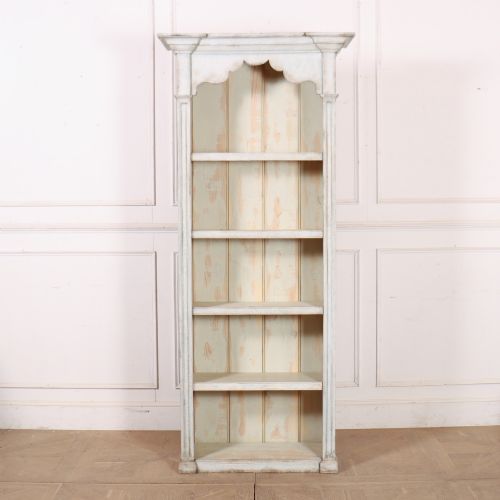
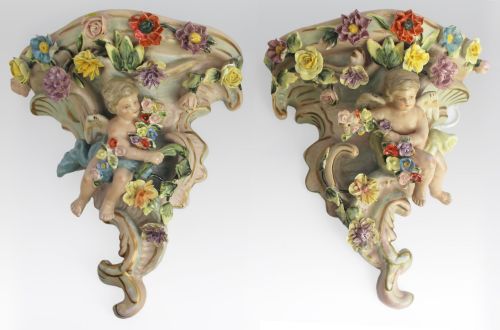
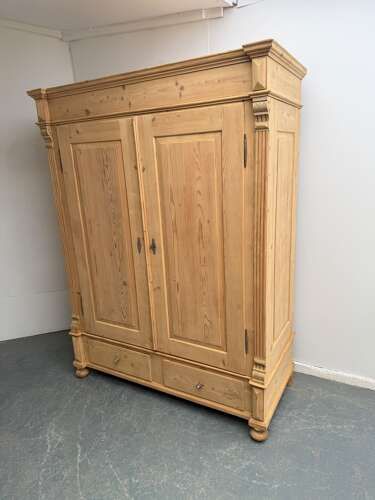
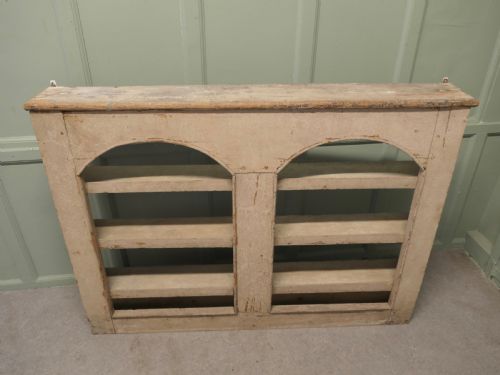
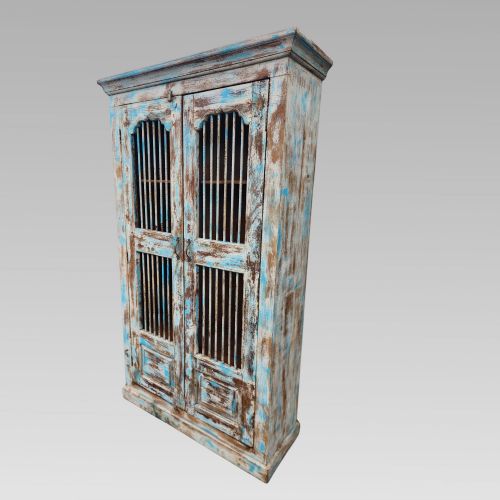
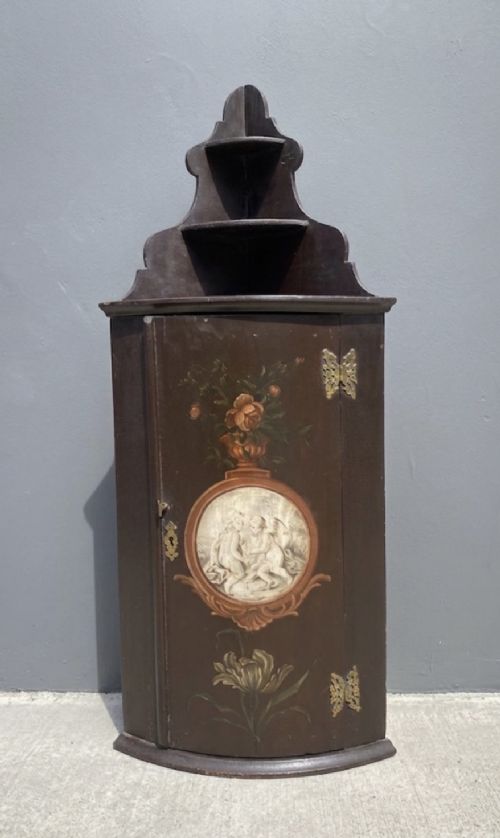
When you search for antique painted shelving, you find functional display units and storage pieces that bring colour and character to a room. The selection ranges from compact wall brackets and corner cupboards to tall open bookcases, room-filling wardrobes, and pigeon holes.
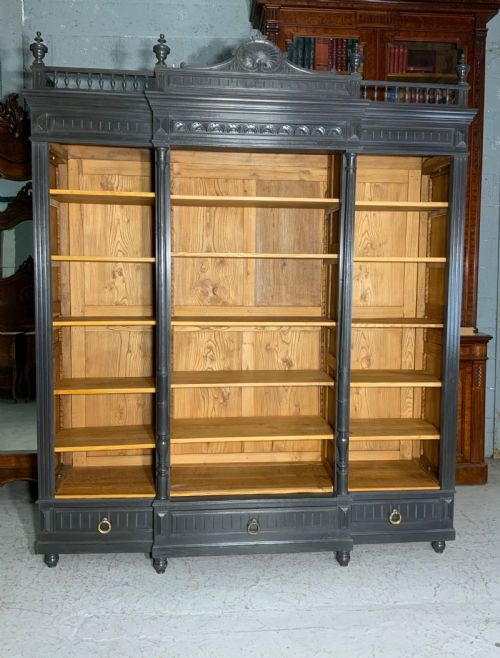
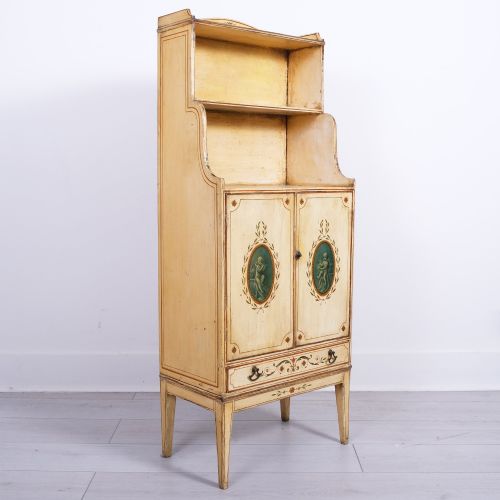
Pine is the predominant timber found in these listings, appearing across many of the 18th century, Georgian, and Victorian pieces alongside mahogany, rosewood, and ebonised wood. Simpler domestic forms sit beside decorative wall shelves, waterfall bookcases, and large baker's racks.
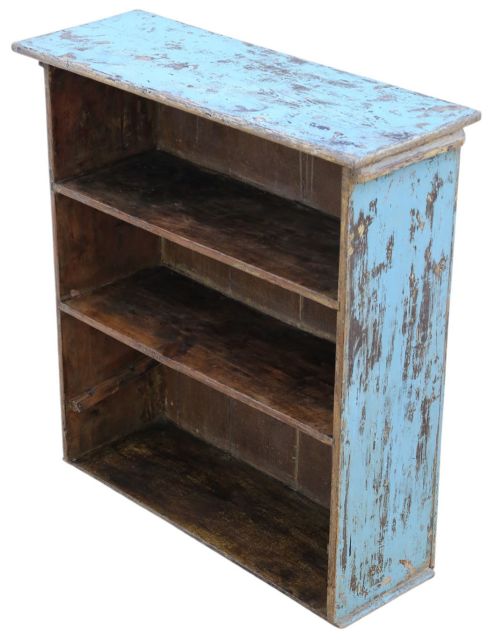
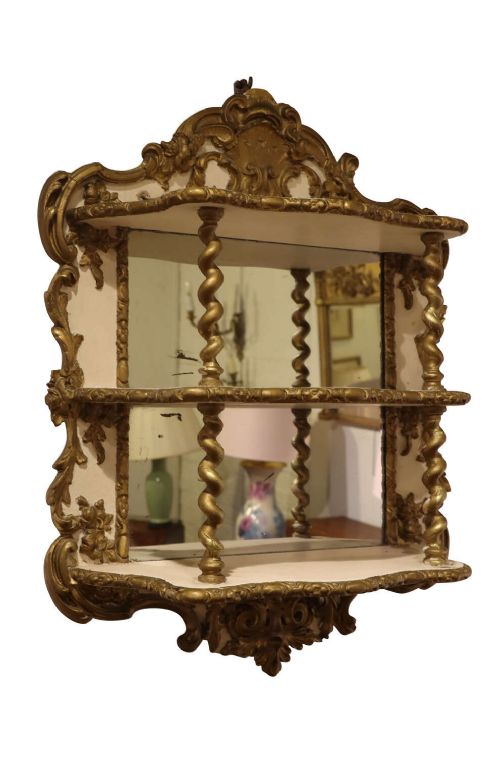
The finish defines the aesthetic, moving from distressed blue paint and red lacquer to simulated paint effects and gold leaf details. Buyers meet both original historical surfaces and pieces designed for wax or paint finishes.
How they were made
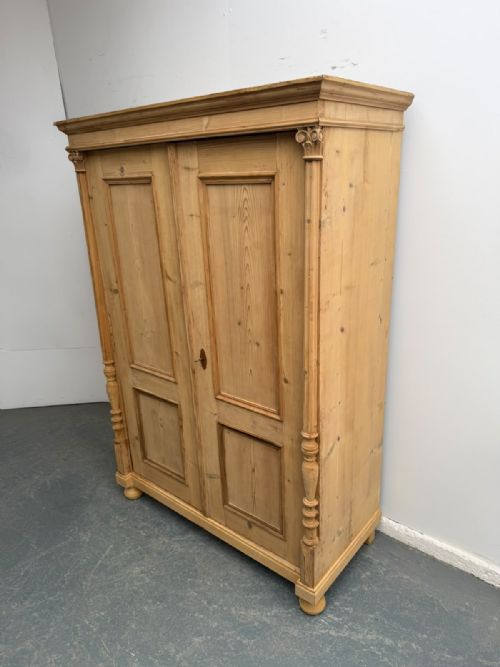
Makers utilised solid timbers such as pine, cedar, and mahogany, often constructing larger items like knockdown wardrobes and breakfront bookcases to be dismantled. Joinery methods included dovetailing for drawers and mortise and tenon frames.
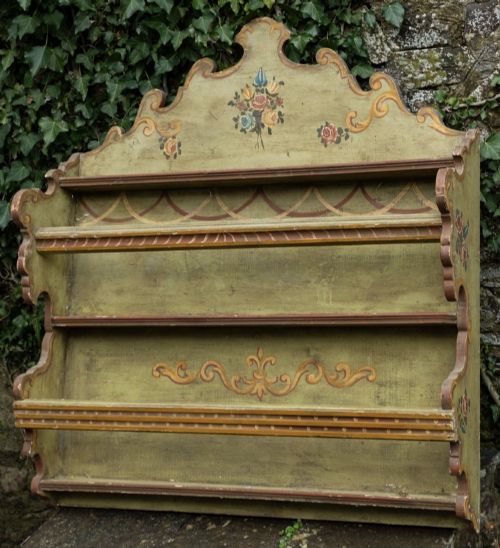
Surfaces received multiple coats of paint, lacquer, or simulated graining, sometimes enhanced with brass embellishments, glass panels, or parcel gilt accents. Many pieces show hand-painted decoration or distressed finishes developed over decades of use.
Listings feature items from the 18th century, Georgian period, Victorian era, and 1930s, constructed primarily in pine, mahogany, and painted wood.
What varies in quality
Quality depends upon the integrity of the original construction and the survival of early painted surfaces. Pieces retaining their initial decorative scheme or showing skilled simulated graining command greater interest than those stripped down or repeatedly repainted.
Proportion and detail elevate certain items, such as George III waterfall bookcases or fine brass-mounted open shelving, above standard utility cupboards. The balance of the proportions and the quality of the timber beneath the paint determine the standing of the piece.
Dubois of Lyon
The Antique Painted Shelving Glossary
- Breakfront
- A piece of furniture where the centre section projects forward from the side sections. This layout creates architectural depth in large bookcases and cabinets.
- Waterfall bookcase
- A set of open shelves where the sides step back in a downward cascade. This form became popular during the Georgian and 19th century periods.
- Ebonised
- Wood treated to imitate ebony by staining or painting it black. This finish was favoured during the Victorian and Aesthetic Movement periods.
- Pigeon holes
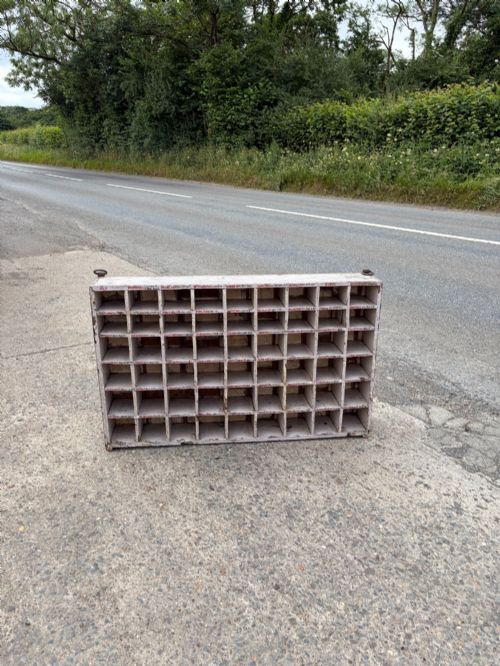
- Small, open compartments grouped together for sorting documents or letters. They appear in desks and dedicated wall units.
- What not
- A set of small open shelves used for displaying ornaments or books. These freestanding tiers date frequently from the Regency and Victorian eras.
Antique Painted Shelving: Frequently Asked Questions
How do I date antique painted shelves?
Dating relies on construction methods, timber choice, and the style of the mouldings or painted finish. Georgian and Victorian pieces often show hand-cut joinery and specific proportions that help determine their era.
Paint analysis also assists, as early surfaces use historical pigments and binders distinct from modern formulations. Comparing the carcass construction to dated examples provides further guidance.
Are painted shelves durable for daily use?
Solid timber construction makes these shelves sturdy enough for holding books, ceramics, and daily household items. Many historical pieces were built as utility furniture and designed for heavy use in domestic or institutional settings.
Care should be taken with original historical painted surfaces to avoid moisture damage and scratching. Modern placement away from direct heat sources helps preserve the timber and the paint layer.
How should I clean painted wood?
Dusting gently with a dry, soft microfibre cloth prevents dirt buildup on delicate painted surfaces. Avoid harsh chemical cleaners or excessive water, which can lift old paint or damage the wood underneath.
If the piece has a waxed finish, applying a suitable specialist wax occasionally helps nourish the wood. Professional advice should be sought for fragile or original antique paint finishes.