




Vintage Log Supports
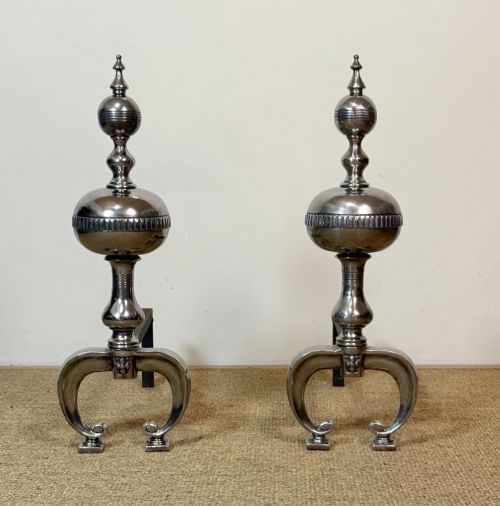
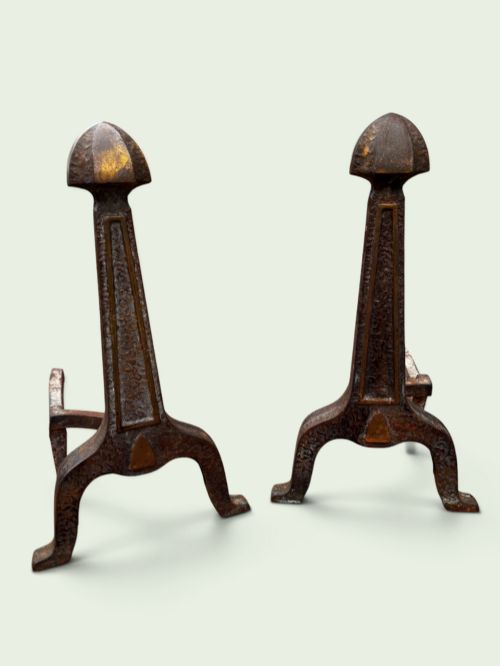
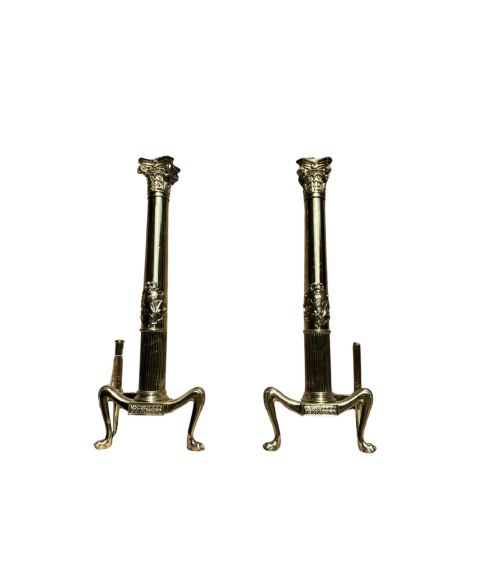
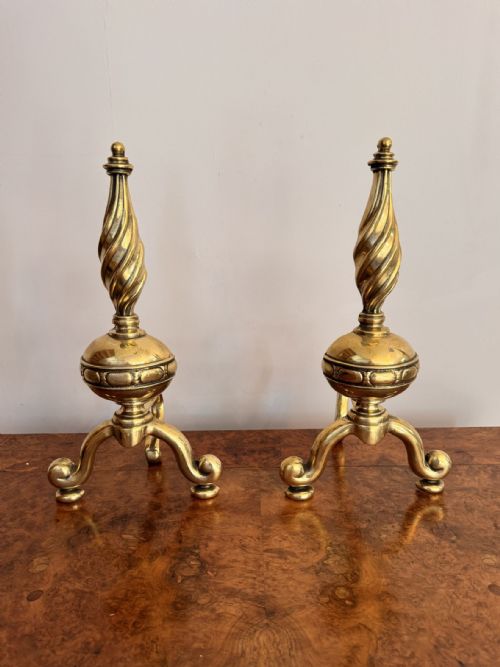
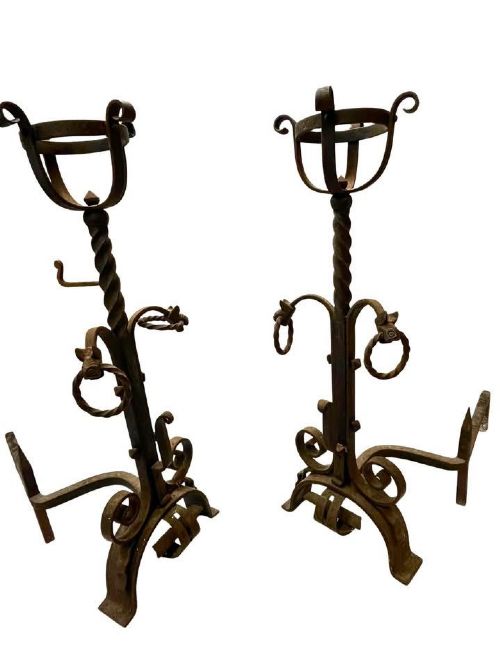
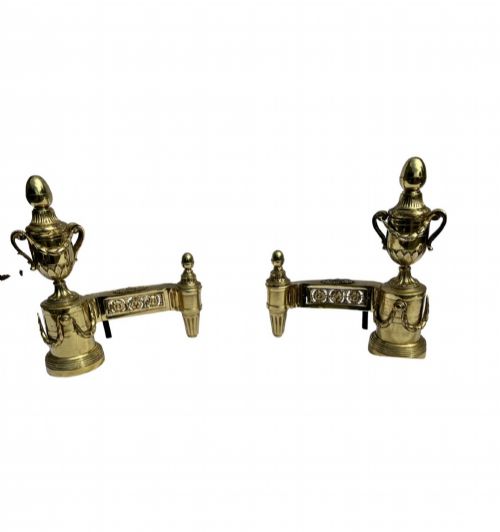
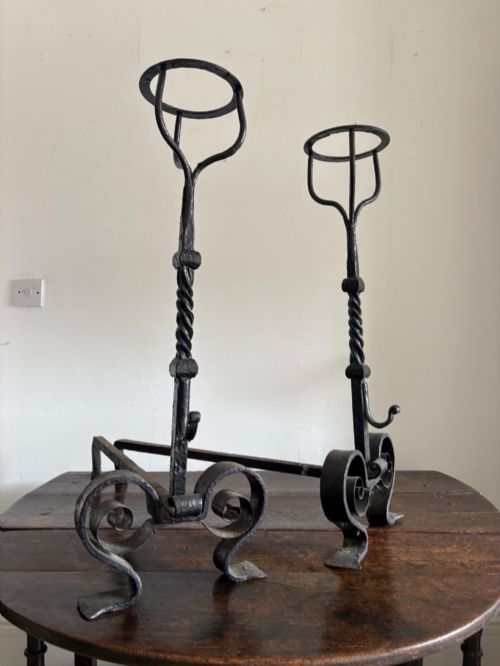
These vintage log supports, commonly known as andirons or firedogs, hold logs above the hearth to improve airflow and heat your room.
Vintage Log Supports
Vintage log supports serve to elevate firewood within an open hearth so air circulates underneath for a better burn. When you search for vintage log supports, you encounter robust pairs designed to sit at either side of the fireplace.
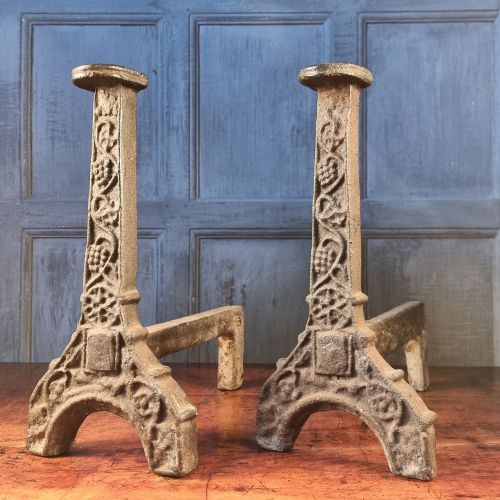
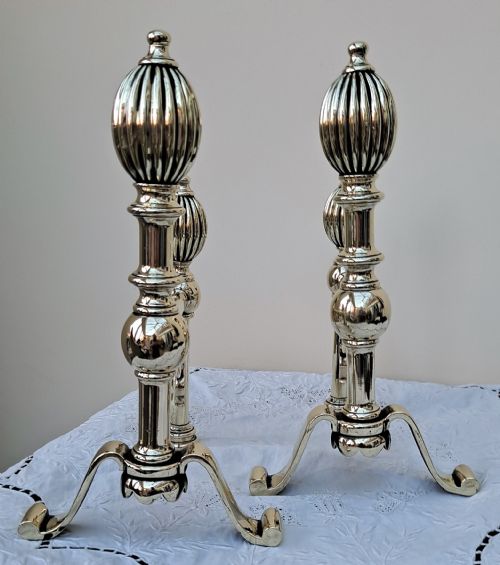
The selections span multiple centuries, ranging from heavy 16th century cast iron examples to polished Victorian brass pieces and later Edwardian wrought iron designs.
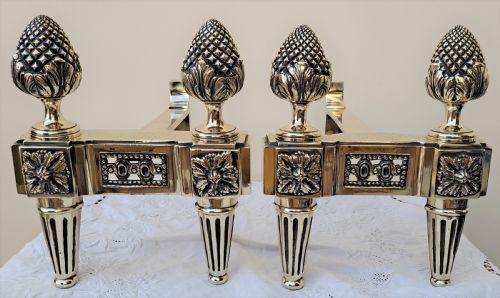
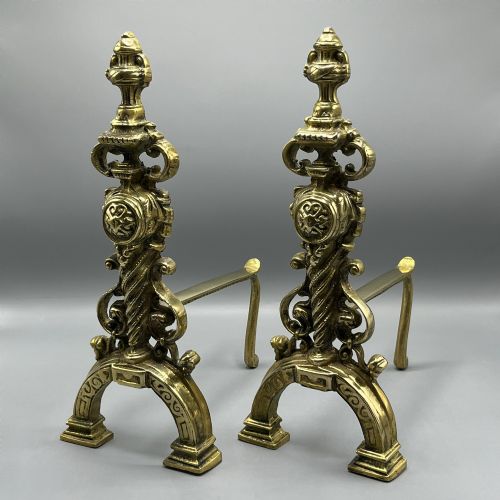
Forms vary from utilitarian forged bars to ornate Gothic Revival and neoclassical shapes featuring decorative standards and sturdy billet bars.
How they were made
Blacksmiths and founders shaped these hearth pieces using cast iron, wrought iron, and heavy brass, often combining materials to balance strength with a polished appearance.
Cast iron and forged iron elements provided the structural resilience needed to bear the intense heat of burning timber over decades.
Brass components were cast and polished to create bright, reflective fronts that caught the flickering light of the hearth fire.
Some sixteenth century examples bear precise casting dates, proving that hearth tenders have been checking the time on their irons for over four hundred years.
What varies in quality
Quality rests upon the weight of the metal and the integrity of the joinery between the vertical standard and the horizontal billet bar.
Finely cast or hand-forged details show crisp execution without weakness in the load-bearing sections, separating everyday utility items from superior decorative work.
The Vintage Log Supports Glossary
- Andiron
- A horizontal iron bar supported by legs, used for burning logs on an open hearth. They usually come in pairs and feature an upright decorative front.
- Firedog
- An alternative term for an andiron. The name derives from the animal shapes often cast into the front standards during earlier periods.
- Billet bar
- The horizontal leg extending backward from the front standard. This part directly holds the weight of the logs.
- Standard
- The upright front portion of the log support. This section is often shaped, cast, or decorated to be seen when no fire burns.
Vintage Log Supports: Frequently Asked Questions
How do you use andirons?
Place the pair of log supports inside the hearth with their billet bars pointing backward into the fireplace. Lay your firewood across the horizontal bars to lift the timber above the hearth floor.
This elevation allows air to circulate beneath the logs for a cleaner, hotter fire while protecting the masonry base from direct heat.
Can you burn wood on them?
These pieces are built precisely to hold burning timber within an open fireplace. Their heavy iron and brass construction handles high temperatures safely.
Ensure the size of the logs matches the length of the billet bars so the wood remains stable during the burn.
How do I clean brass fire dogs?
Dust the metal regularly with a soft cloth to prevent soot buildup. If you choose to polish the brass fronts, use a mild metal cleaner suitable for vintage surfaces.
Avoid abrasive pads that can scratch the aged patina built up over decades of fireside use.
What is the difference between cast and wrought iron?
Cast iron is poured into a mould while molten, allowing for intricate decorative patterns and heavy ornamental standards. Wrought iron is heated and hammered by hand into shape.
Wrought iron pieces generally display simpler, more robust lines resulting from the forging process.