
Vintage Log Bin
These vintage log bin examples bring utilitarian utility and heavy metal or timber presence to a hearth, offering sturdy storage for winter fires.
Vintage Log Bin
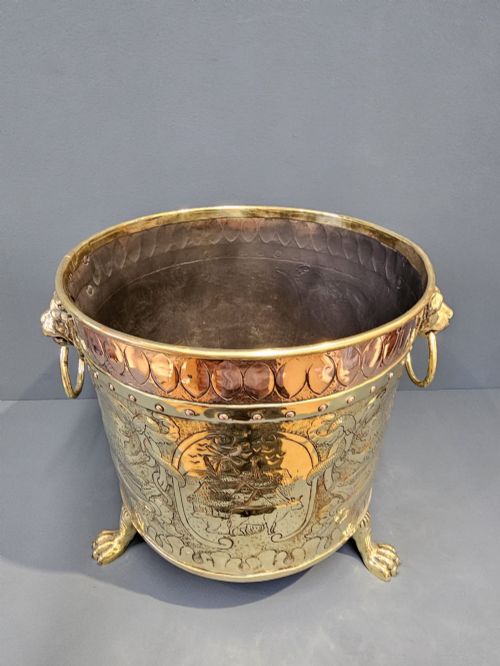
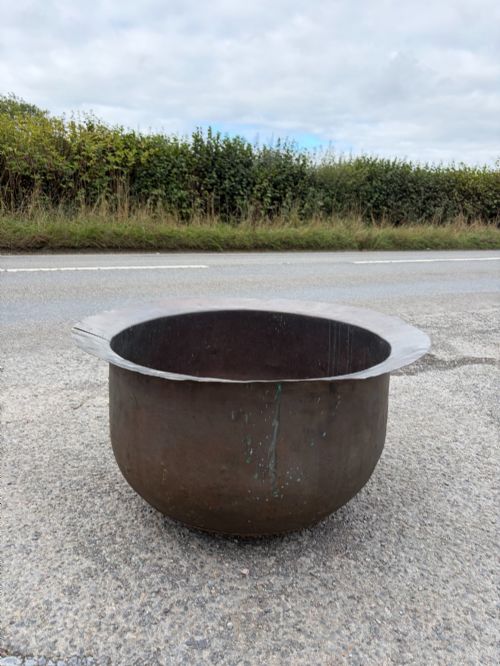
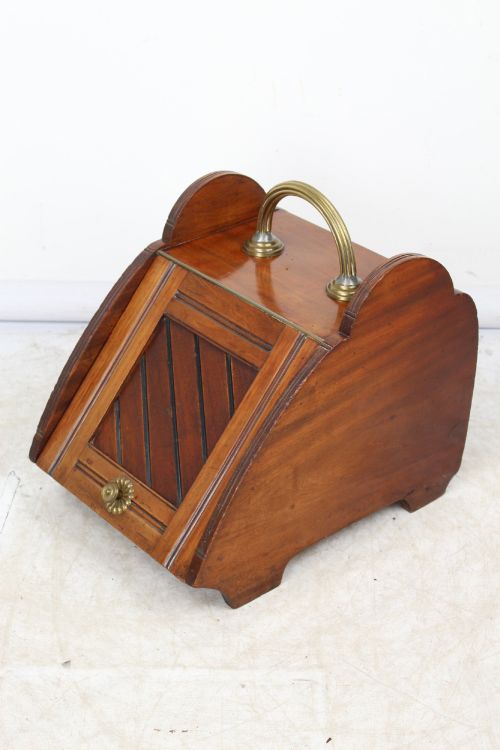
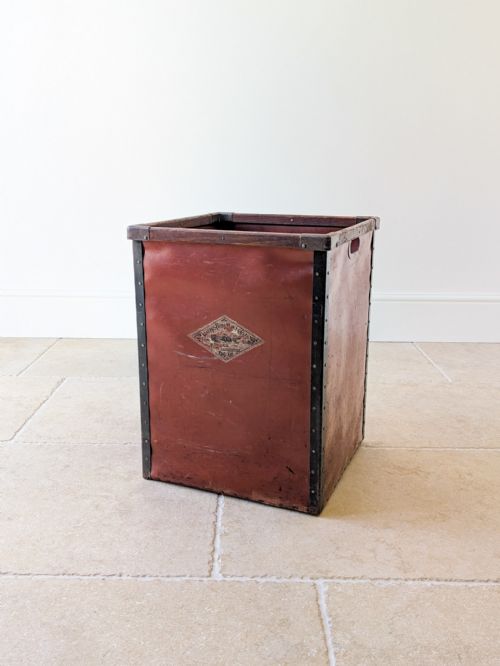
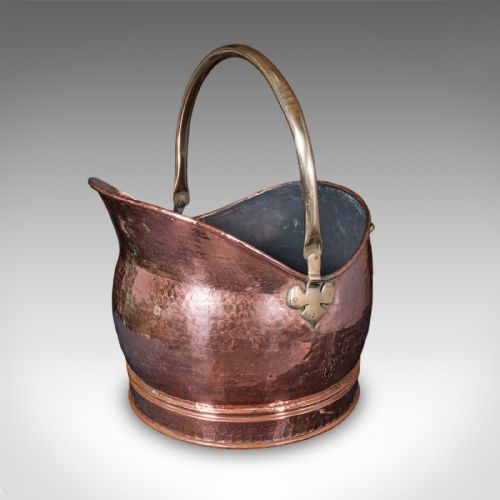
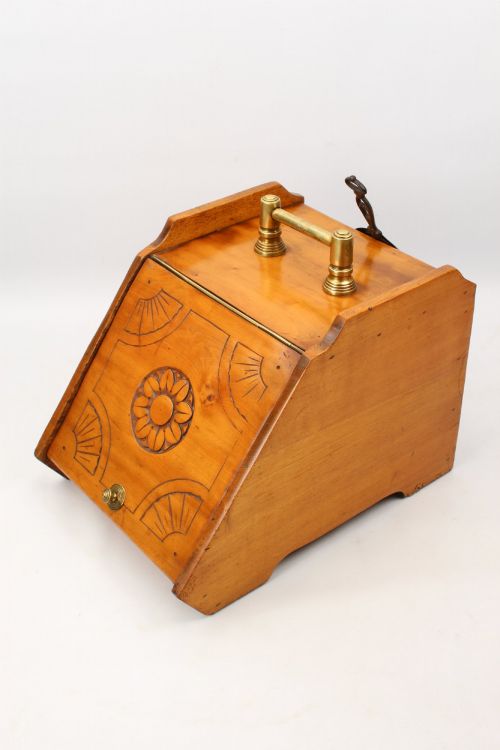
A vintage log bin gathers the fuel for an open fire, taking forms such as coal boxes, buckets, scuttles, and large pots originating from the nineteenth century into the twentieth. These hearth containers serve dual functions as robust storage vessels and decorative objects beside the fireplace.
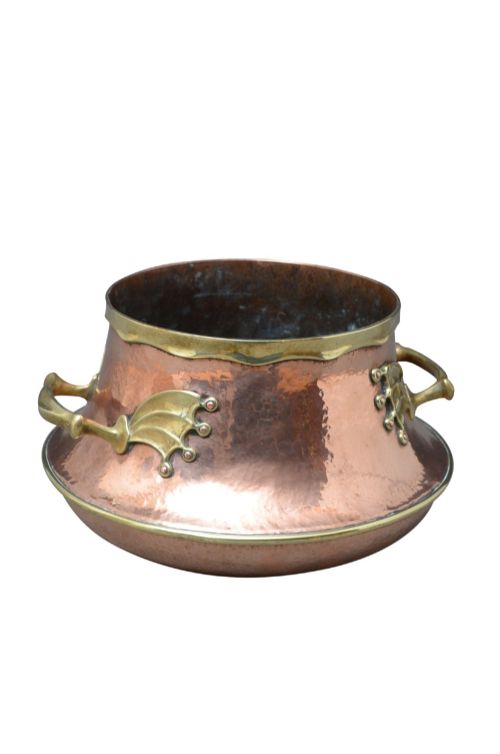
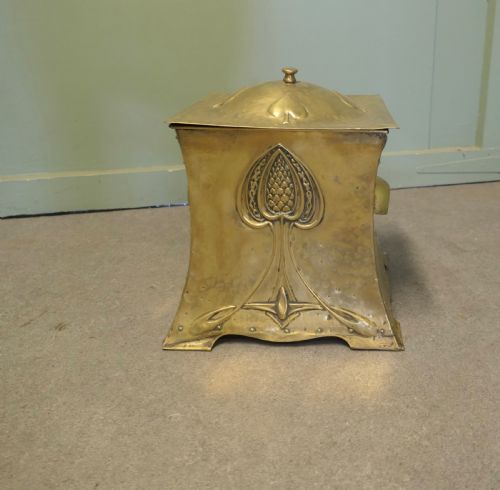
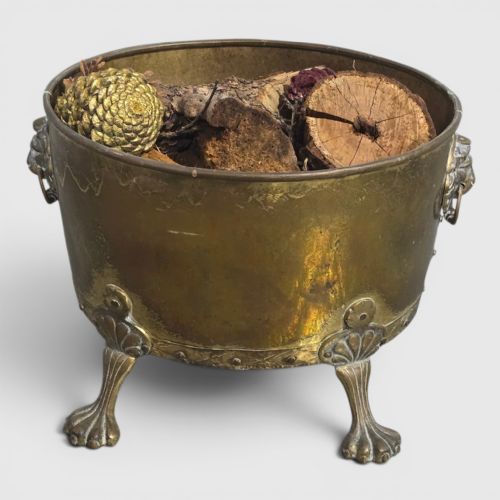
The selection here draws heavily from Victorian and Edwardian periods, alongside Georgian and Arts and Crafts examples. Materials range from hand-riveted copper and brass to heavy oak, mahogany, and wrought iron.
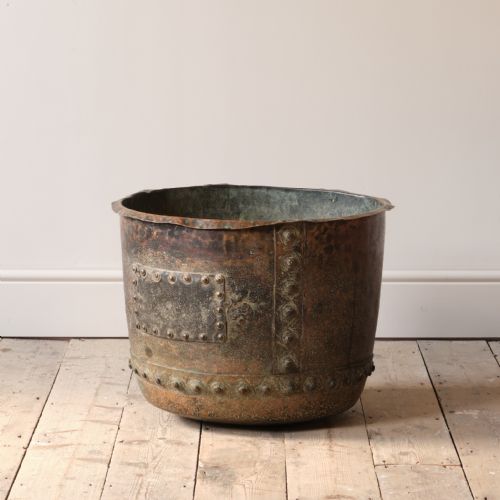
Many items double as planters, jardinières, or wash tubs, showing how functional utility items find new purpose over time. Buyers encounter everything from rustic country wooden boxes to embossed metal vessels.
How they were made
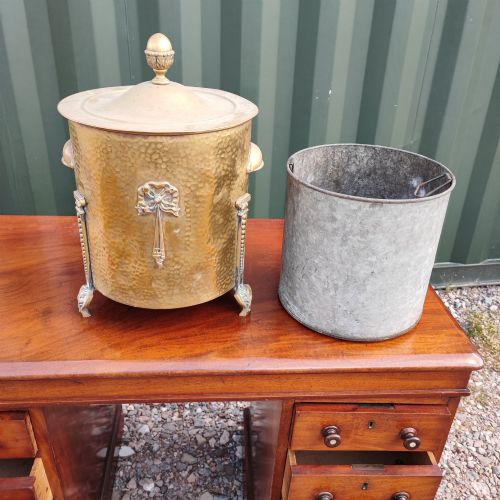
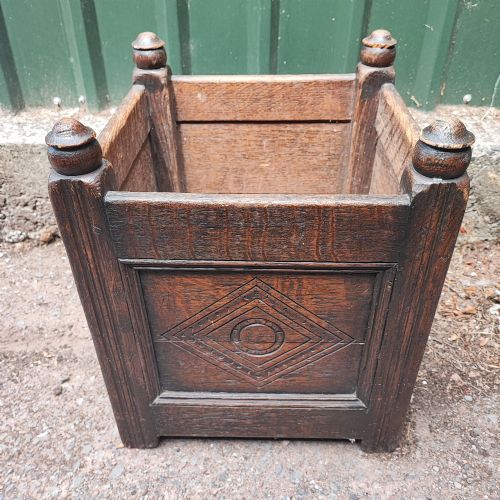
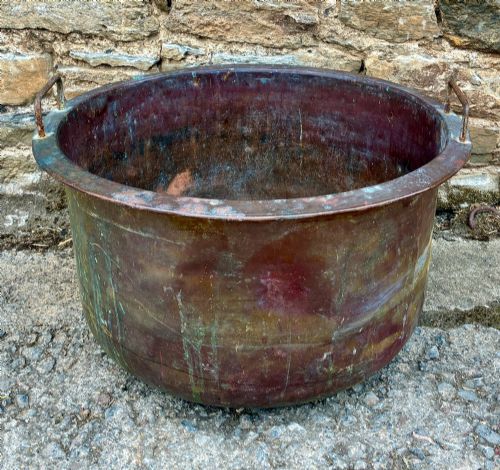
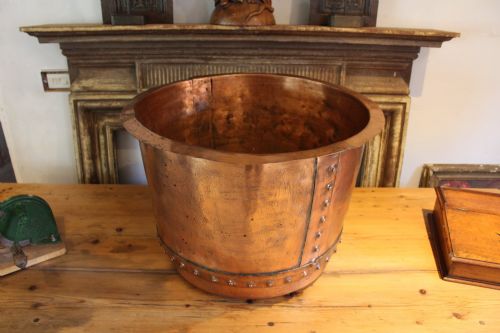
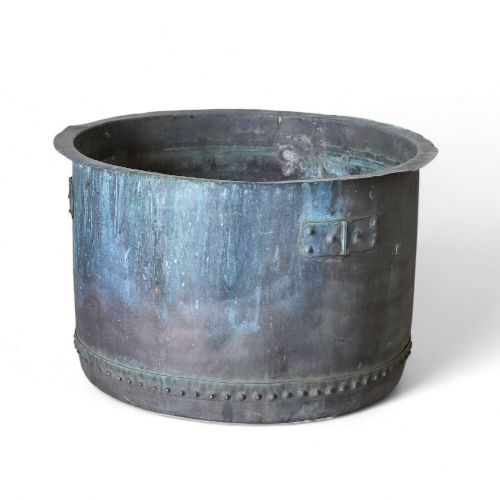
Makers utilised heavy sheet metals like copper and brass, frequently joining the seams with hand-riveting for structural strength. Wrought iron and timber such as oak were deployed to build rigid frames, handles, and coopered stave bodies.
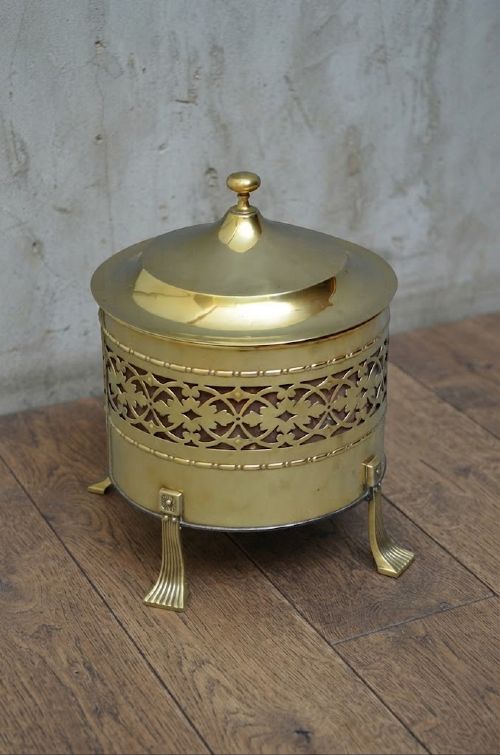
Surfaces received hand finishes, including embossed patterns, hammered textures, fretwork designs, and verdigris patination. Iron frames, wheels, and swing handles were incorporated to manage the heavy weights involved in carrying coal and logs.
Listings feature items built from brass, copper, iron, oak, and mahogany across Victorian, Edwardian, and Georgian periods.
What varies in quality
The integrity of construction separates standard items from superior pieces, particularly in the weight of the metal gauge and the tightness of wooden coopering. Hand-riveted seams and original iron frames demonstrate higher workshop standards than mass-produced later iterations.
The richness of the natural patina and the presence of original decorative details like brass bands, embossed motifs, or matching shovels dictate the visual distinction of an object.
Richard Arkwright Masson Mills
The Vintage Log Bin Glossary
- Coopered
- Built from curved wooden staves bound together with metal hoops, much like a traditional barrel. This technique ensures watertight or sturdy dry storage.
- Verdigris
- A green patina formed naturally on copper, brass, or bronze through atmospheric weathering over long periods. Collectors often value this aged surface coloration.
- Jardinière
- An ornamental pot or stand designed to hold growing plants or flowers. Many metal vessels originally used for coal or grain are catalogued under this term.
- Scuttle
- A metal bucket or coal box with a sloping mouth and handle for tipping fuel onto a fire. These often include a matching shovel.
- Fretwork
- Ornamental design executed by cutting patterns through metal or wood with a fretsaw. This technique appears on Edwardian brass buckets.
Vintage Log Bin: Frequently Asked Questions
Can I use these for actual logs?
Most of these metal and wooden vessels were originally engineered to hold heavy fuel like coal or logs, meaning they easily accommodate firewood today.
Check the internal capacity and weight to ensure the container suits your hearth space.
How do I clean copper log bins?
Wipe surfaces gently with a soft cloth to preserve the accumulated natural patina and historical verdigris finish.
Avoid harsh chemical polishes that strip away the aged character characteristic of antique metalwork.
Are these pieces waterproof?
Coopered wooden buckets and riveted metal vessels often hold moisture, which is why many survive as plant pots and jardinières.
Inspect the base for historical repairs or drainage holes before using them for indoor planting.
How do I identify a Victorian piece?
Look for heavy-gauge hand-riveted copper, brass banding, and deep embossed decoration typical of nineteenth-century workshops.
Stylistic cues like Arts and Crafts motifs or heavy iron frames also point toward the Victorian and Edwardian eras.