


Vintage Liqueur Glasses
These vintage liqueur glasses bring small-scale elegance to after-dinner drinking, spanning decades of fine glassmaking from the Victorian era to Art Deco decanter sets.
Vintage Liqueur Glasses
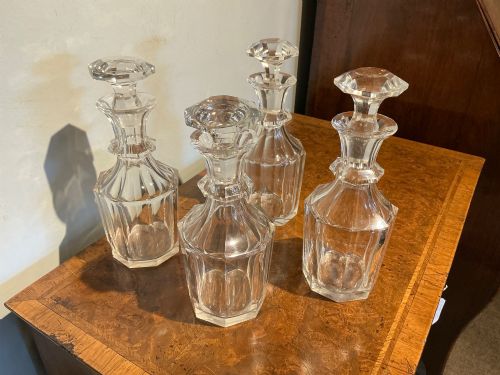
Vintage liqueur glasses encompass small stemware and shot glasses designed for serving strong after-dinner spirits. They appear here alongside matching decanters, ewers, trays and fitted presentation boxes such as caves à liqueur.
The selections span the nineteenth century through the Edwardian period and into the 1930s. Buyers frequently encounter complete matched sets paired with decanters, alongside individual pieces of coloured or enamelled glass.
Origins range across British, French and central European workshops. Many items integrate metalwork, incorporating silver plate, brass or solid silver mounts alongside cut and moulded crystal.
How they were made
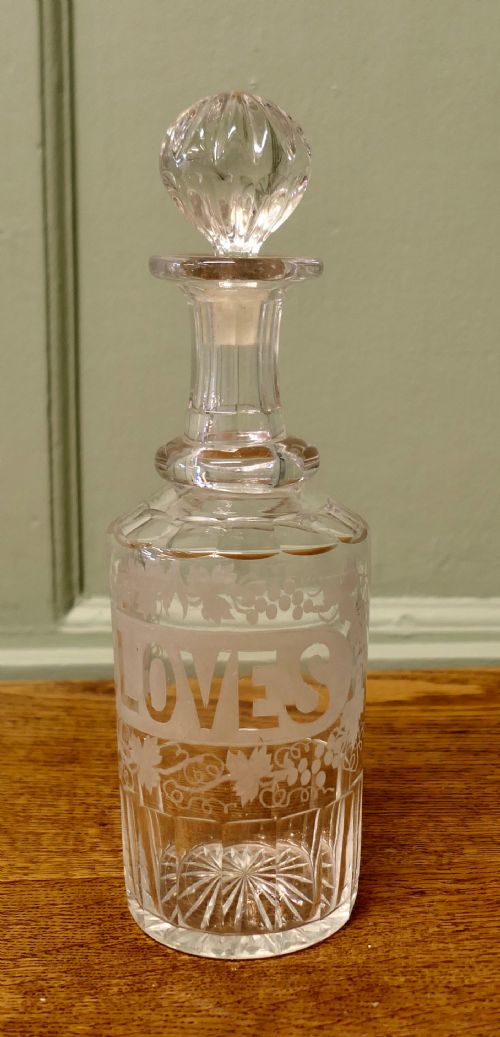
Glass production relies on traditional blowing and moulding techniques executed in lead crystal, coloured glass and standard clear material. Artisans applied surface decoration through wheel-cutting, acid-etching and hand-enamelling.
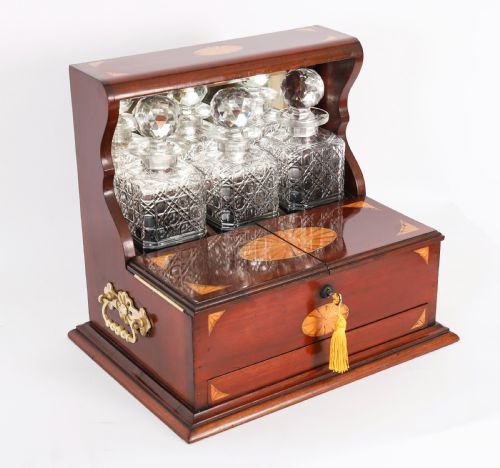
Metal components utilise silver plate, brass and solid silver for mounts, stands and trays. Fitted wooden cases combine satin wood inlay and carved elements to house portable drinking services securely.
Black Forest wooden tantalus sets double as miniature chalets guarding spirits from thirsty but prohibited guests.
What varies in quality
Quality rests in the crispness of glass cutting and the precision of hand-applied enamel work. Maker attribution to notable houses elevates historical interest significantly.
The integrity of fitted presentation cases and matching metal mounts dictates overall desirability. Complete sets retaining every original glass demonstrate superior survival compared to assembled groups.
Baccarat Crystal·Saint Louis·Val Saint Lambert·Theresienthal·Moser Glass·Salviati·Elkington·Karl Palda
The Vintage Liqueur Glasses Glossary
- Cave a liqueur
- A portable fitted wooden box or chest containing decanters and matching glasses. These luxury containers often feature lockable lids and internal velvet or silk linings.
- Tantalus
- A locking beverage stand that displays decanters while preventing unauthorised access. The wooden frame secures the necks of the decanters until a key is turned.
- Ewer
- A large jug with a wide spout used for pouring liquids. In vintage barware, these pieces serve as decorative water or mixer jugs accompanying spirit sets.
- Lead crystal
- Glass containing metal oxides that increases brilliance, weight and clarity. This heavy material allows for deep, sharp wheel-cut facets.
Vintage Liqueur Glasses: Frequently Asked Questions
What are liqueur glasses used for?
These small vessels serve potent after-dinner cordials, schnapps and digestifs in measured quantities. Their diminutive size concentrates aromas while limiting the pour.
Historically, they formed part of elaborate tableside entertaining rituals alongside matching decanters and silver trays.
How do I date an antique decanter set?
Dating relies on stylistic markers, glass manufacturing techniques and any accompanying metal mounts. Art Deco sets from the 1930s favour geometric Czech designs, whereas Victorian pieces display heavier cutting and etched motifs.
Signatures or factory marks etched onto the base of the crystal provide definitive chronological clues.
What is a cave a liqueur?
A cave à liqueur is a portable wooden presentation box fitted with a set of decanters and matching glasses. Originating in nineteenth-century France, these luxury chests were kept in drawing rooms for entertaining guests.
They frequently feature fine woodwork, brass inlays and secure lockable mechanisms.
How should I clean antique crystal?
Wash vintage glassware by hand using warm water and mild detergent rather than placing them in a dishwasher. Thermal shock and harsh machine chemicals can damage delicate enamel and historic crystal.
Dry them immediately with a lint-free cloth to maintain clarity and prevent water spots.