

Vintage Library Seating
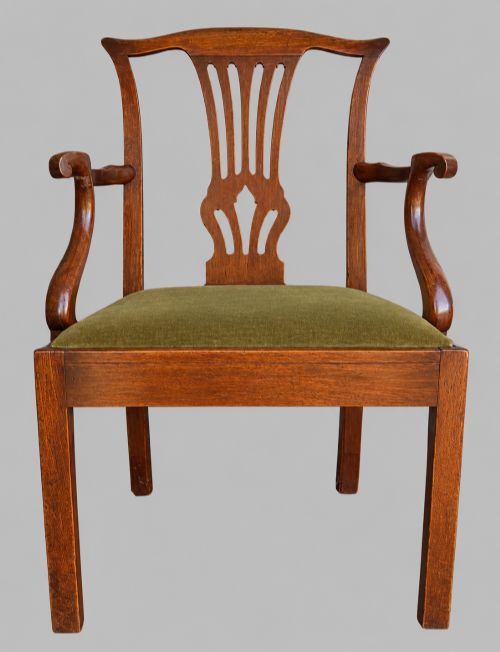
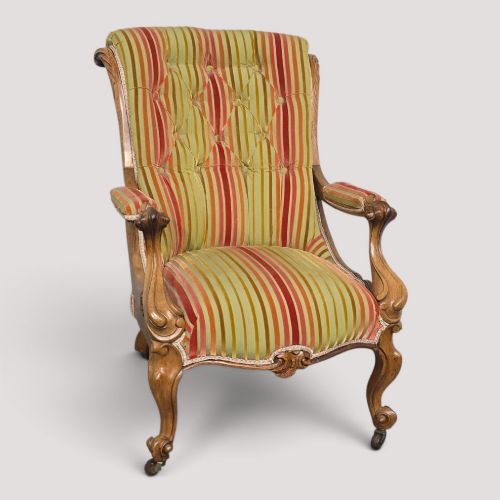
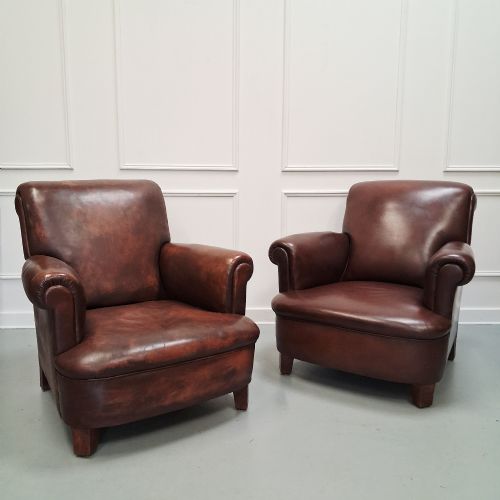
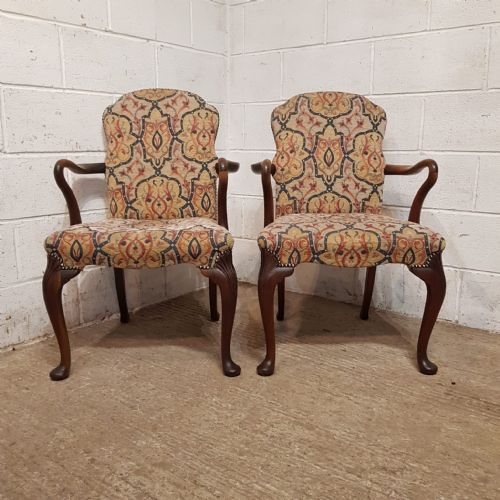
Vintage library seating brings heavy mahogany frames and deep leather upholstery together to anchor a room.
Vintage Library Seating
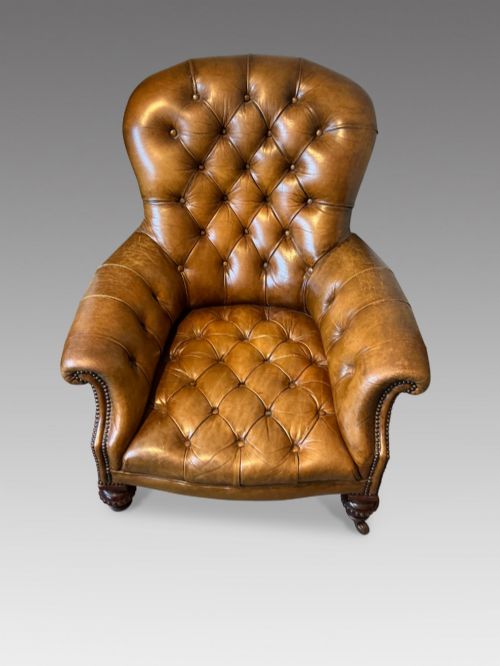
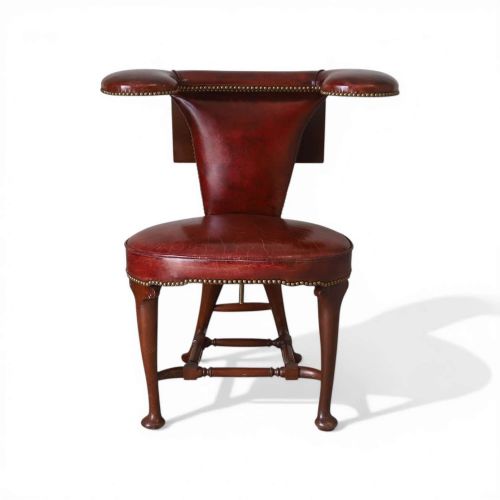
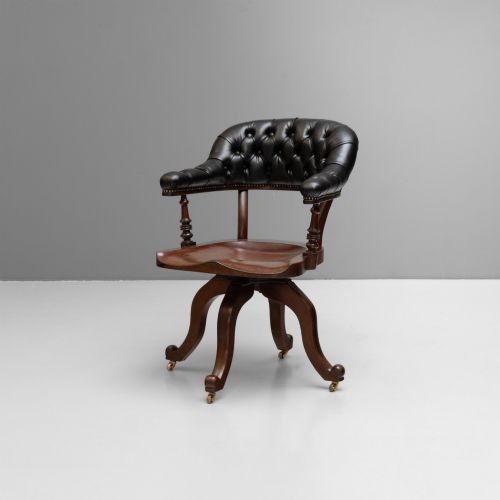
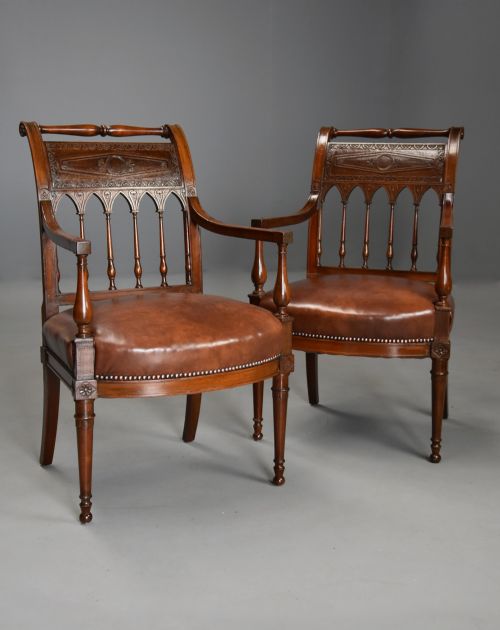
Vintage library seating covers heavy armchairs, desk chairs, reading chairs, sofas and stools built for comfort and study across the centuries. A buyer searching for vintage library seating encounters pieces ranging from formal Georgian and Regency mahogany frames to Victorian leather armchairs and later club chairs.
The selection on this page draws heavily from Victorian and 19th Century origins, alongside Georgian, Edwardian, and 1930s examples. Forms vary from low fireside chairs and open armchairs to large country house seating and campaign chairs.
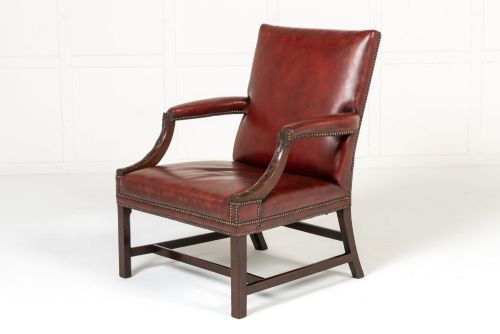
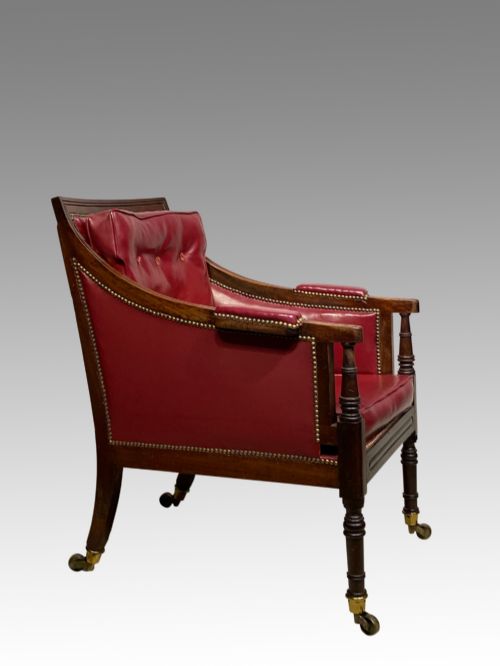
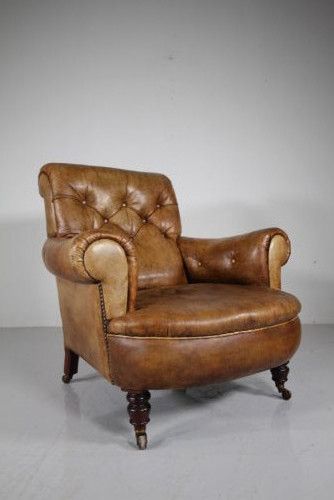
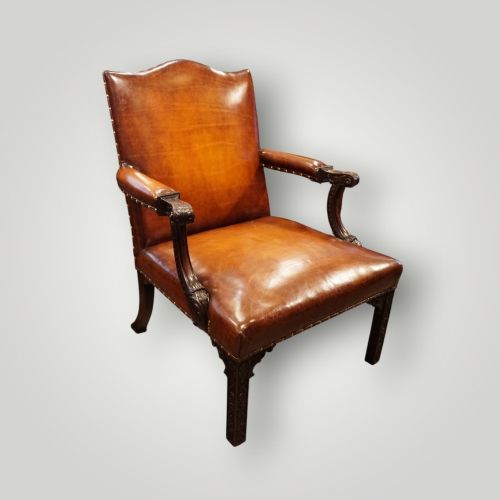
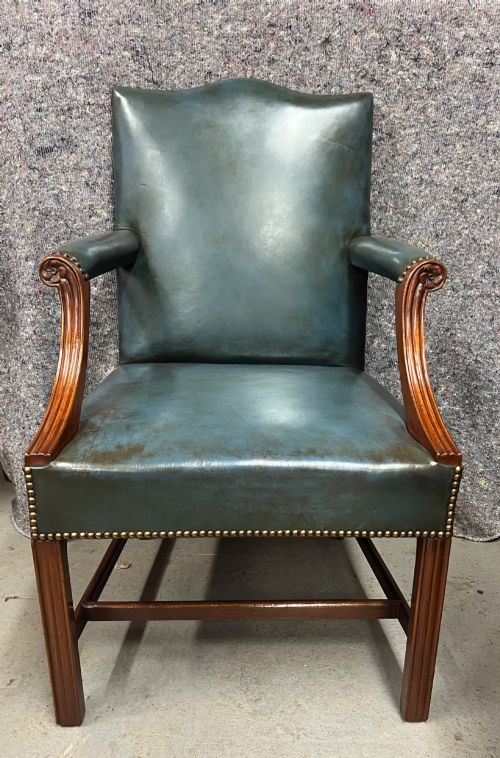
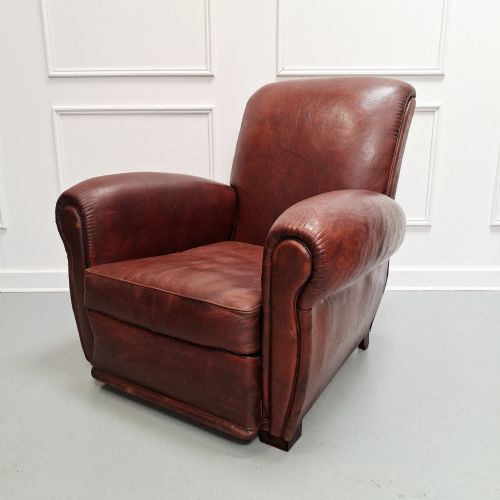
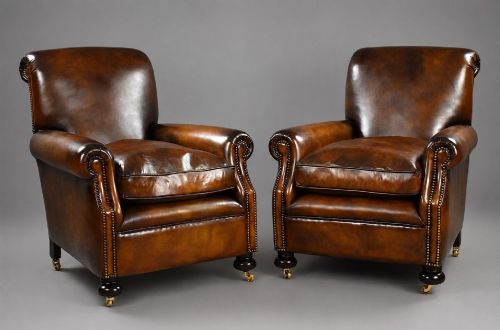
Many of these pieces utilise traditional forms such as the Gainsborough chair, the bergère with cane panels, or the deep club chair upholstered in hide. They were built for domestic studies, large libraries, and country houses where durability mattered as much as proportion.
Materials and construction
The frames rely heavily on solid timbers including mahogany, walnut, oak, and rosewood, shaped by hand with carved details or turned supports. Joinery is robust, using traditional methods to support heavy daily use over generations.
Listings here span the 18th, 19th, and 20th centuries, covering materials from solid ebony and mahogany to cane, velvet, and hand-dyed leather.
Evaluating quality in older seating
Quality rests in the timber selection and the crispness of any carved enrichment, such as blind fretwork on mahogany legs or the turning on structural members. Better examples maintain balanced proportions and tight joinery that resists movement under weight.
The depth and hand-dyeing of the leather upholstery separate standard pieces from superior examples. Original cane panels and secondary woods that match the primary show a level of workshop care that elevates the finished seat.
The Vintage Library Seating Glossary
- Bergère
- An enclosed upholstered armchair with cane work panels to the sides and back. This French form offers a lighter appearance while retaining a solid wooden frame.
- Gainsborough chair
- A wide, open-armed armchair with a padded seat and back, standing on short legs. They date back to the 18th Century and were designed for desk or library use.
- Campaign chair
- Portable furniture designed for travel by officers in the field. These pieces often feature folding mechanisms or clever disassembly points.
- Club chair
- A deep, comfortable armchair upholstered in leather or heavy fabric. They gained popularity in the early 20th Century for domestic comfort.
- Blind carving
- Carving applied to a flat surface in low relief, often seen in Chinese Chippendale style furniture. It decorates chair rails without altering the structural profile.
Vintage Library Seating: Frequently Asked Questions
How do I care for leather upholstery?
Feed the leather periodically with a suitable conditioning wax to keep the hide supple and prevent cracking. Avoid placing antique seating near direct heat sources or strong sunlight.
Dust regular crevices gently with a dry cloth and address spills immediately with a soft, damp cloth without harsh detergents.
Are these chairs suitable for daily desk work?
Many of these pieces, particularly desk chairs and reading chairs from the Victorian and Edwardian periods, were built for extended sitting. Their ergonomic proportions suit modern study spaces.
Check the seat height and depth relative to your desk before purchase, as older dimensions can sometimes run lower than modern office standards.
How can I tell a Georgian chair from a Victorian copy?
Look closely at the secondary woods underneath the seat and inside the frame, as Georgian pieces typically utilise oak or pine internals characteristic of the period. Tool marks and construction methods offer further clues to the workshop era.
Revival pieces from the late 19th or early 20th Century often feature machine-cut elements or timber patination that differs from genuine 18th Century output.