




Occasional Leather Chair
An occasional leather chair brings tactile warmth and useful seating to a room, offering practical comfort without dominating the floor plan.
Occasional Leather Chair
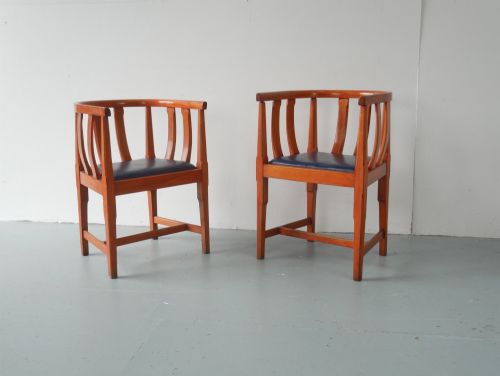
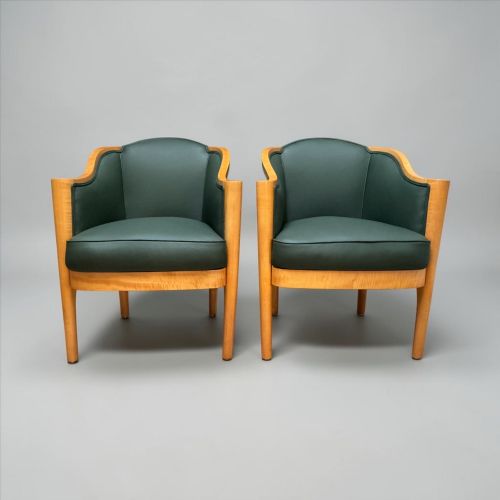
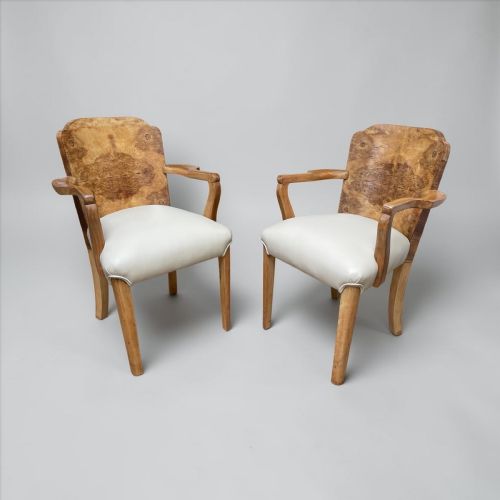
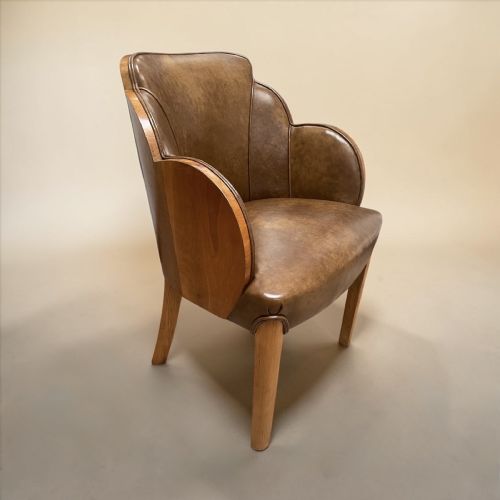
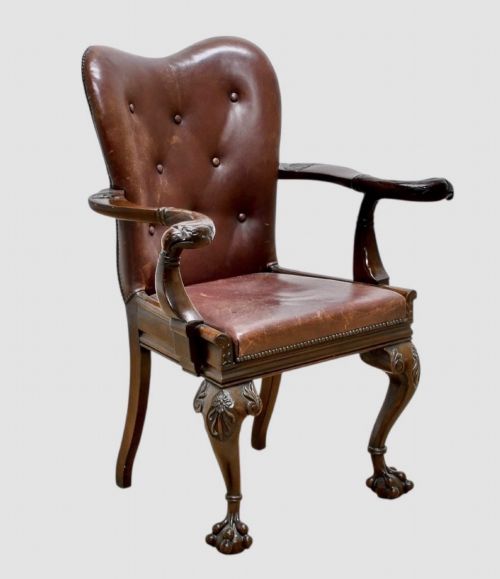
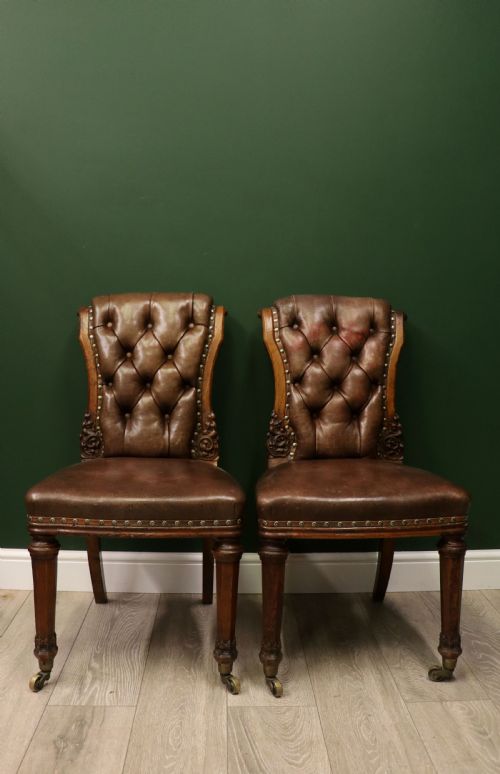
An occasional leather chair is a versatile seating option designed to be moved easily around a room as needed, combining practical utility with distinctive period style. The pieces seen here span from the robust craftsmanship of the nineteenth century through Edwardian designs to the sleek lines of the nineteen-thirties.
You are most likely to meet armchairs and side chairs constructed during the Victorian period or the Art Deco era. These range from substantial library armchairs to lighter bridge chairs and hall side chairs.
Origins represented across these listings include classic British cabinetmaking traditions alongside French Riviera and Art Deco continental influences. Each piece brings a distinct regional character to the domestic interior, whether through carved woodwork or streamlined upholstery.
How they were made
The framework of these chairs relies on traditional timber construction using oak, mahogany, walnut, and satinwood, often shaped with hand-carved details or bentwood techniques. Artisans selected these hardwoods for their structural integrity and grain pattern, ensuring the frame could support daily use.
Upholstery centres on durable leather, frequently secured with brass studs and paired with supportive internal padding. Frames incorporate wrought iron or specialised joinery depending on the stylistic period, from nineteenth-century library seating to twentieth-century Art Deco club designs.
Occasional Leather Chair Retail Price Guide 2026
Typical asking prices for occasional leather chair among the pieces listed under this phrase on Sellingantiques today, from the lower quarter to the upper quarter. They describe what is for sale here now, not the wider market.
Listings feature woods including oak, mahogany, walnut, satinwood, and burr walnut alongside leather and brass.
What varies in quality
Quality in an occasional leather chair is defined by the selection of timber and the fidelity of the period detailing, such as carved mahogany flourishes or precise Art Deco geometric lines. Superior examples display thoughtful proportions and harmonious integration between the wooden frame and the leather upholstery.
The handling of the leather itself distinguishes standard utility seating from finer workshop productions, visible in the suppleness of the hide and the neatness of the brass studwork. Finer chairs exhibit meticulous attention to structural joinery that maintains stability without sacrificing elegance.
Maurice Adams·Hille·Harry and Lou Epstein·Gillows
The Occasional Leather Chair Glossary
- Bridge chair
- A compact armchair designed originally for card games, offering lightweight portability and supportive armrests. These pieces typically feature leather upholstery suited to active domestic use.
- Library armchair
- A substantial seating form with upholstered arms and back, built for extended reading and study. These chairs often incorporate mahogany or oak frames with brass detailing.
- Side chair
- A small, back-supported chair without arms, intended for occasional seating around a room or hall. They utilise minimal floor space while providing decorative character through timber frames.
- Art Deco
- A design style from the nineteen-thirties characterised by streamlined forms, smooth surfaces, and modern geometric styling. Chairs from this period prioritize clean silhouettes and contrasting materials.
Occasional Leather Chair: Frequently Asked Questions
What is an occasional leather chair used for?
These chairs provide flexible seating that can be moved between rooms as social gatherings or daily requirements change. They serve well in studies, bedrooms, and sitting rooms where permanent seating is not strictly needed.
Their compact scale allows them to fit into corners or beside tables without crowding the living space, while leather upholstery provides a durable surface for everyday use.
How do I care for antique leather?
Leather benefits from regular dusting with a soft, dry cloth and occasional treatment with appropriate conditioning balms to keep the material supple. Avoiding direct sunlight and strong heat sources prevents the hide from drying out.
Gentle maintenance preserves the natural patina and ensures the leather remains resilient through years of domestic life.
How can I tell a Victorian chair from an Art Deco one?
Victorian chairs often feature heavier mahogany or oak frames with carved details, button-tufting, and traditional cabriole or turned legs. Their silhouettes emphasise ornate craftsmanship and robust comfort.
Art Deco chairs from the nineteen-thirties display smoother, more streamlined lines with polished wood or metal elements. Their design focuses on geometric simplicity and unadorned leather surfaces.
Where should I place an occasional chair?
An occasional chair suits dead spaces such as empty corners, bedroom window bays, or reading nooks where a full sofa would not fit. Pairing one with a small side table creates an inviting spot for reading or conversation.
Because they are lightweight, you can easily shift their position to accommodate guests or adjust the room layout.