


Vintage Leather Wingback
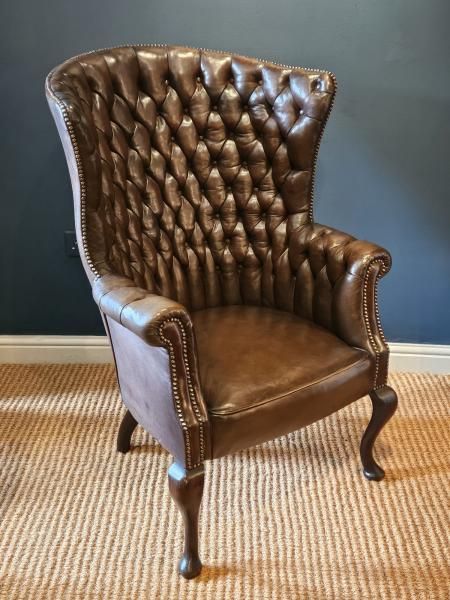
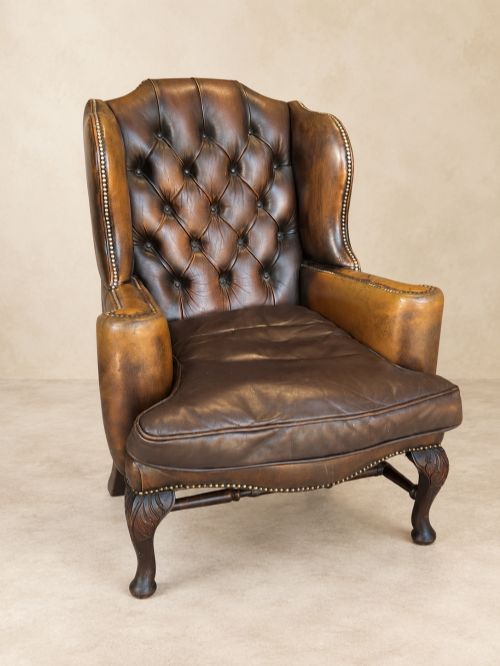
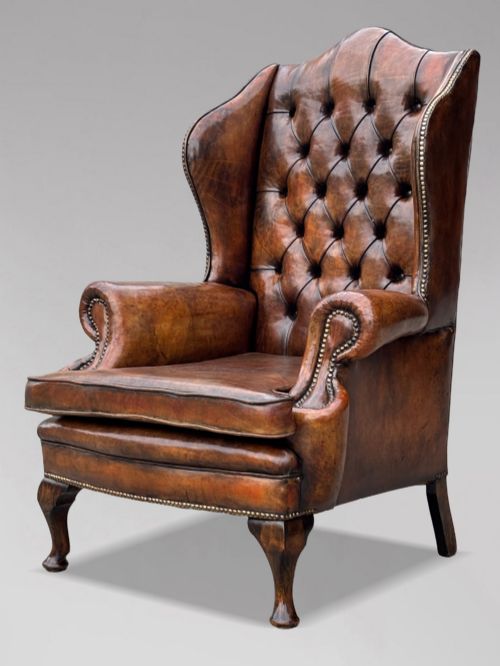
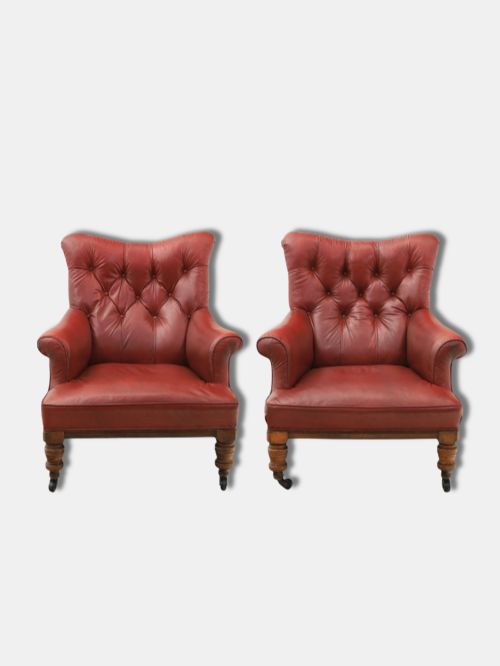
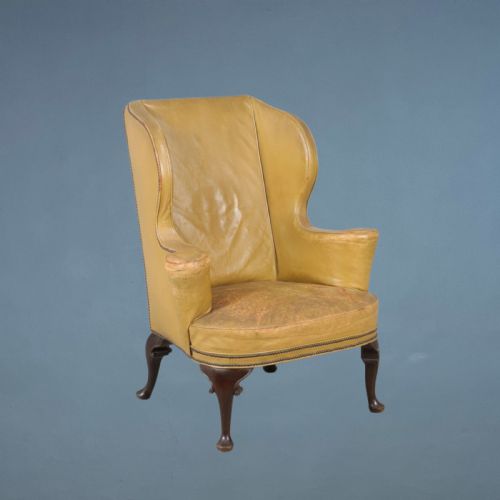
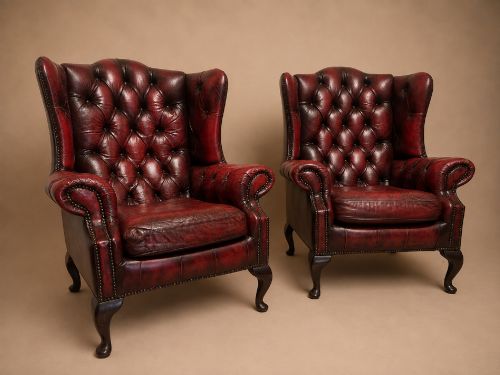
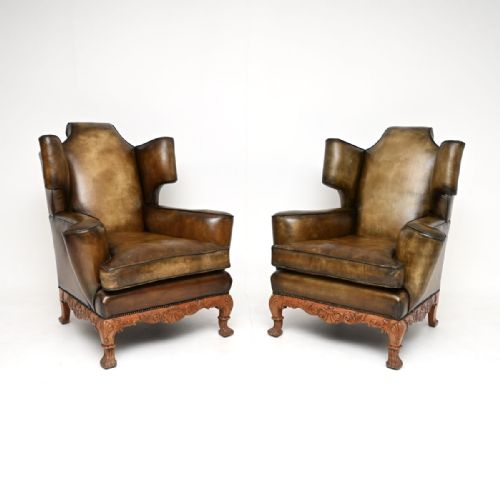
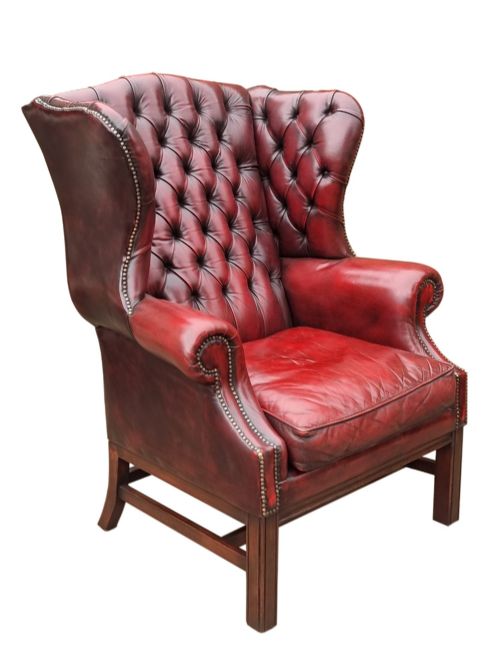
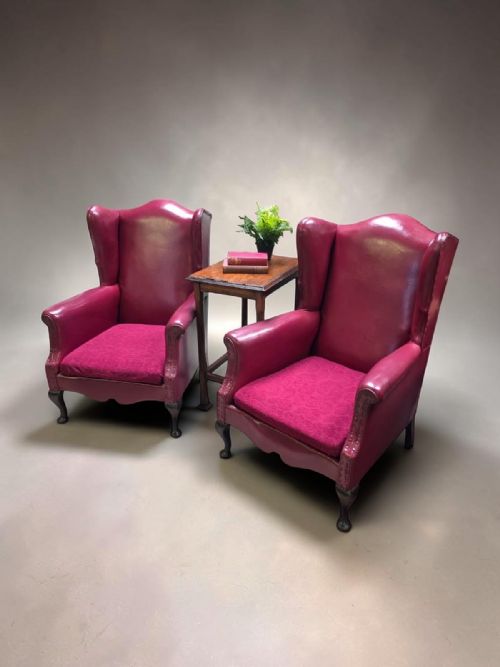
These vintage leather wingback chairs bring substantial presence and deep-seated comfort to a room, built to last for generations.
Vintage Leather Wingback
A vintage leather wingback chair provides deep-seated comfort with high backrests and characteristic side panels designed originally to shield the sitter from draughts. When searching for a vintage leather wingback, buyers encounter armchairs and sofas spanning periods from the eighteenth century through to the nineteen-thirties.
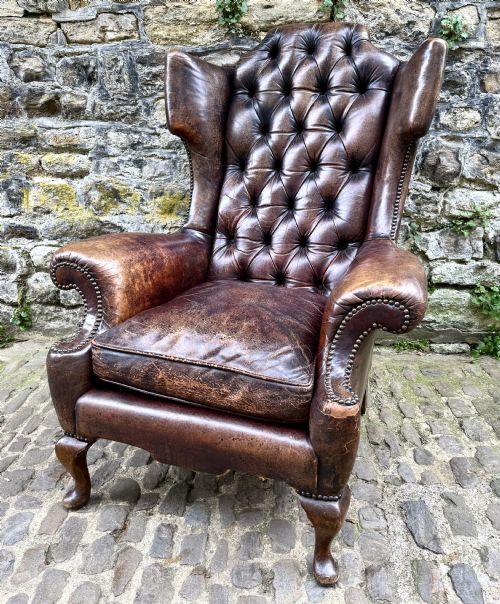
Many pieces reflect specific historical revivals, showing traditional proportions combined with hand-dyed hides, button tufting and nailhead trim. Buyers will find individual library chairs, larger Chesterfield styles and porters' chairs among the current offerings.
Materials and construction methods
Frames are constructed from sturdy timbers such as oak, mahogany, walnut and general hardwoods, providing a robust structural skeleton beneath the upholstery. These wooden elements sometimes feature exposed framing, carved details or straightforward legs finished with brass castors.
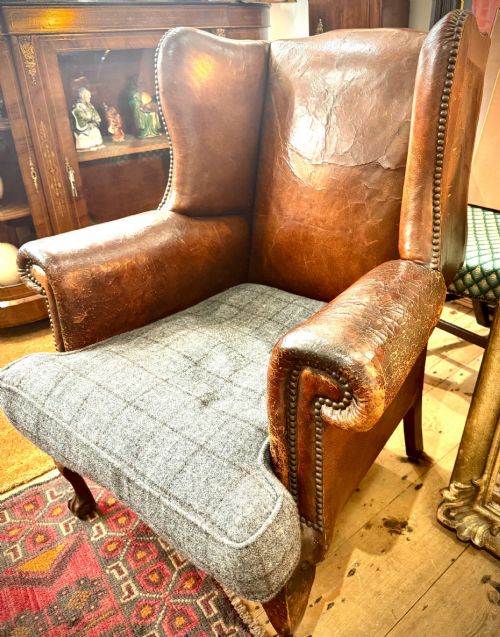
Upholstery relies on traditional leather and hide alongside alternative surfaces like Rexine, complemented by brass stud work securing the edges. Button-back padding techniques create the distinctive tufted surfaces seen across many nineteenth-century and twentieth-century models.
Available seating forms include single armchairs, matched pairs, suites and two-seat sofas.
Factors determining quality
Quality rests upon the integrity of the timber frame and the condition of the leather upholstery, where hand-dyed hides and deep buttoning indicate finer craftsmanship. The weight and stability of the wooden structure, whether mahogany, oak or walnut, set superior examples apart from standard builds.
Proportion and stylistic adherence also divide pieces, with revival models capturing the refined lines of George III and Queen Anne precedents more convincingly than simpler interpretations. The execution of fine details, such as brass studding and hand-carved supports, marks the upper tier of production.
The Vintage Leather Wingback Glossary
- Wingback
- An armchair featuring protective side panels attached to the arms and rising to the backrest. These wings historically blocked cold draughts in large rooms.
- Chesterfield
- A deep-buttoned upholstered sofa or armchair traditionally finished in leather. It is characterised by arms and back of the same height.
- Rexine
- A leathercloth material manufactured from cotton fabric coated with nitrocellulose. It served as a durable upholstery alternative during the early twentieth century.
- Porters chair
- A high-backed enclosed armchair designed to keep out drafts in hall entrances. Porters sat in them while monitoring who entered a building.
- Button back
- An upholstery style where depressions are created across the backrest using tight buttons. This technique secures internal padding and adds texture.
Vintage Leather Wingback: Frequently Asked Questions
How do I identify a Georgian style wingback?
Georgian style wingbacks typically display characteristic cabriole legs, scroll arms and traditional proportions inspired by eighteenth-century furniture design.
Revival versions produced later often emulate these classical silhouettes using walnut or mahogany frames.
What is the difference between hide and Rexine?
Hide refers to genuine animal leather that develops a natural patina and softens over prolonged use. Rexine is a coated fabric substitute introduced to mimic leather durability.
Genuine leather shows distinct grain variations, whereas Rexine maintains a uniform manufactured texture.
Where should I place a wingback chair?
Wingbacks suit studies, libraries and living rooms where their high backs create a defined seating nook. They pair well beside fireplaces or bookshelves.
Their substantial forms allow them to anchor large spaces effectively as standalone statement pieces.
How do I care for antique leather?
Antique leather benefits from regular dusting with a soft cloth and occasional treatment with appropriate conditioning balms. Keeping pieces away from direct sunlight prevents the hide from drying out.
Avoiding excessive moisture preserves both the leather surface and the underlying wooden frame.