
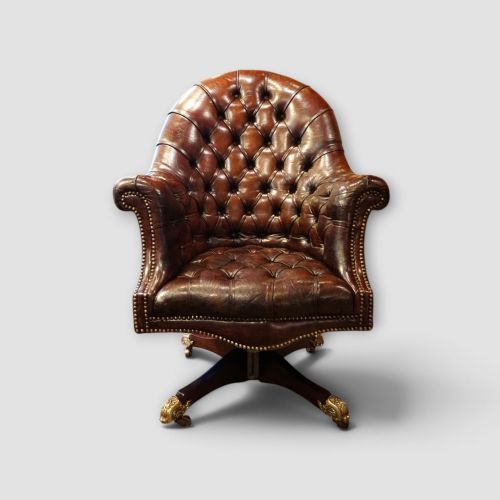

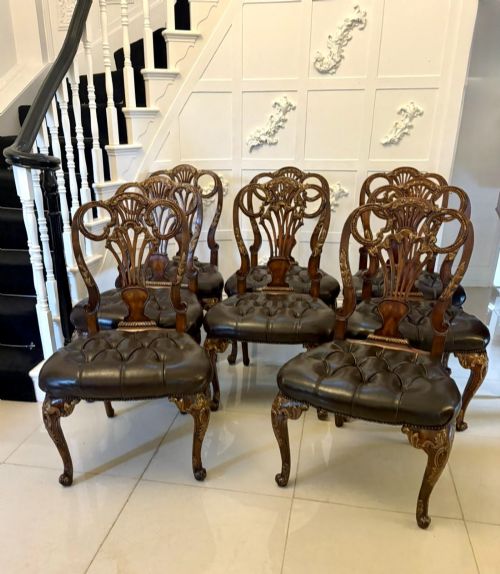
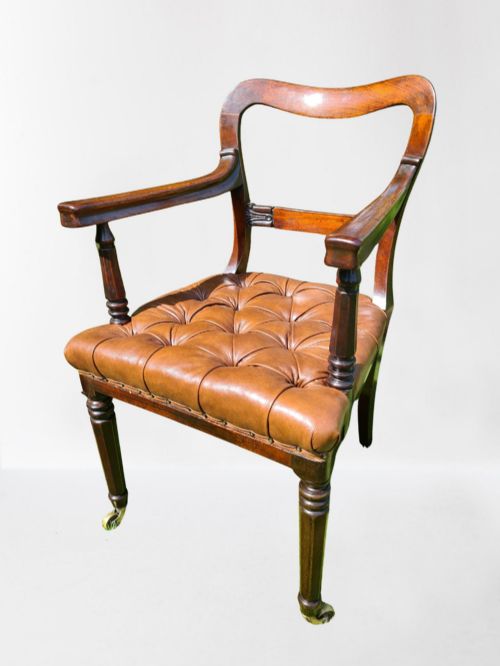
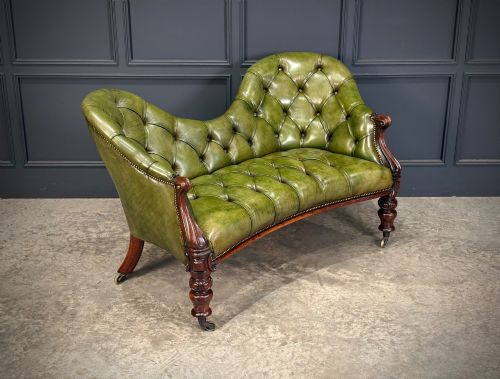

Tufted Leather Seat
Tufted leather seat designs range from sturdy Victorian library armchairs to low Swedish club chairs, built for comfort and enduring use.
Tufted Leather Seat
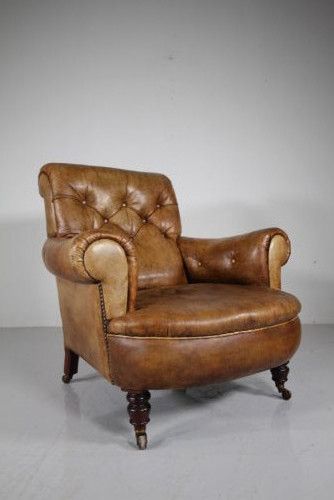
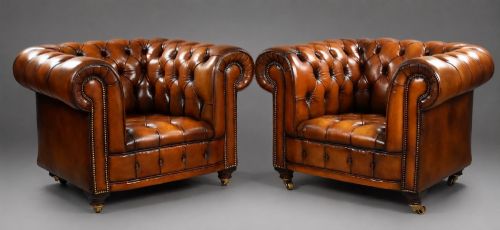
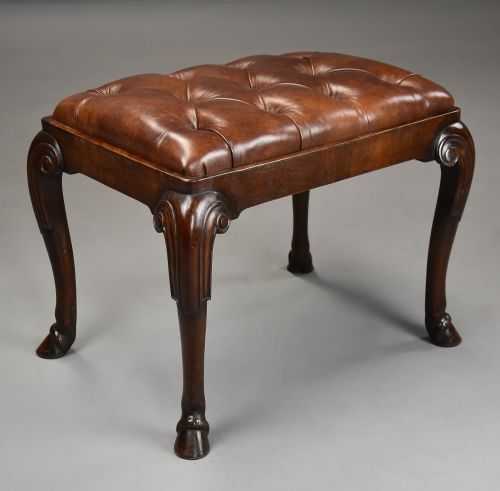
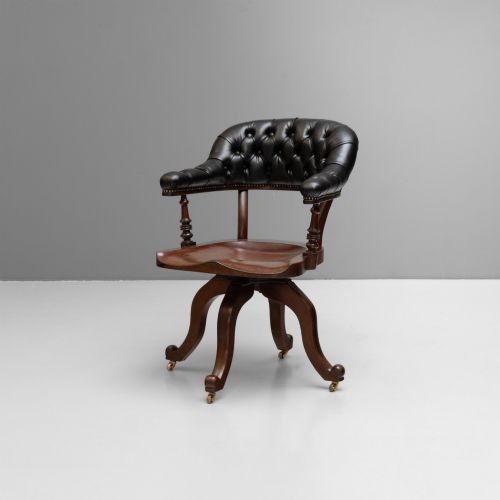
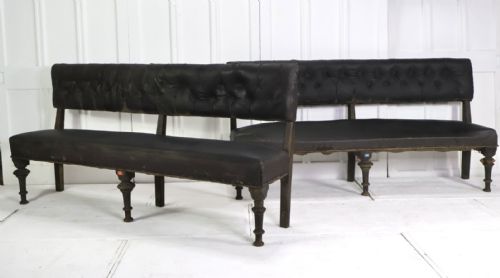
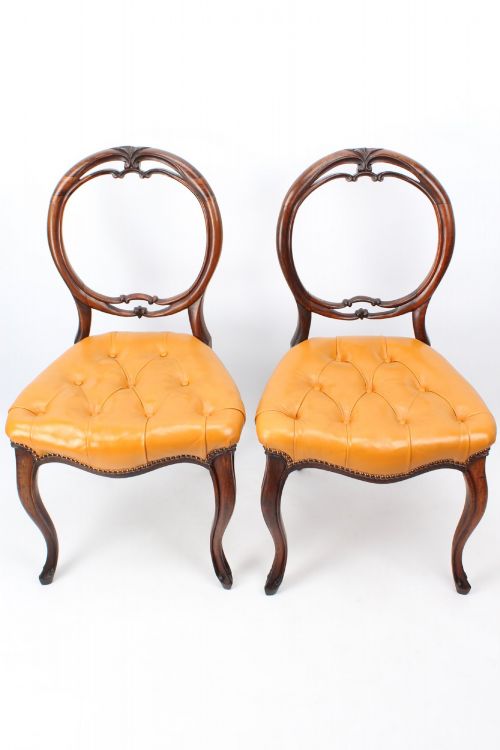
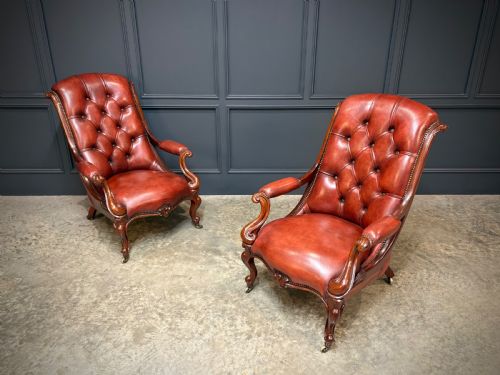
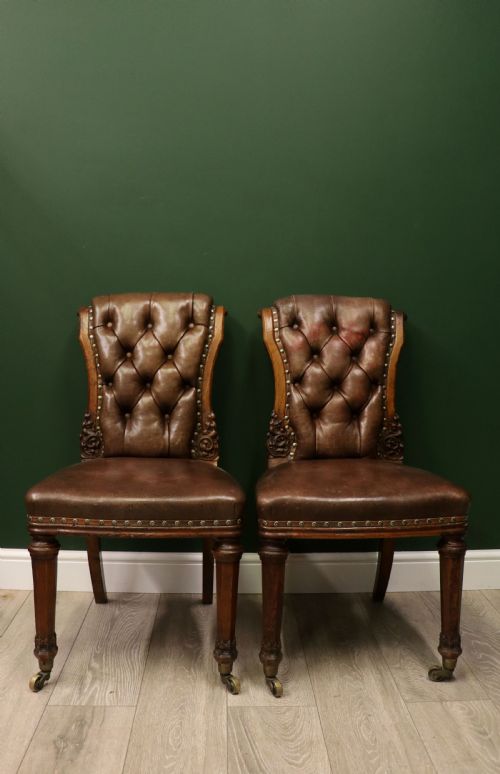
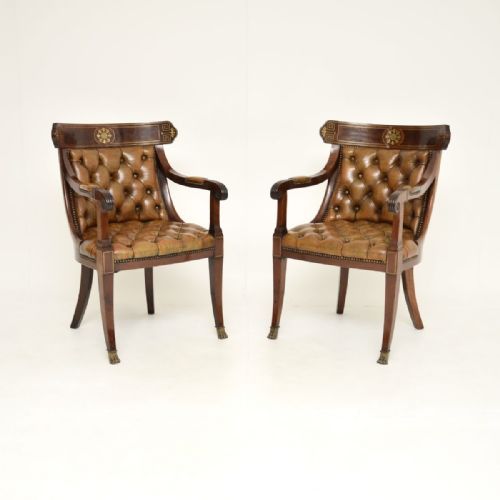
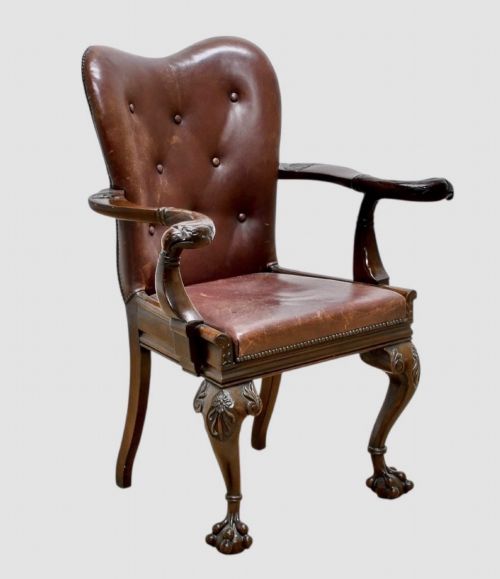
When you search for tufted leather seat options, you encounter a wide array of historical forms spanning armchairs, desk chairs, sofas, stools, and club fenders. The most common examples on this page are Victorian and nineteenth-century library or desk chairs featuring buttoned leather upholstery.
The selection extends from compact Edwardian and twentieth-century club armchairs to large Regency and George III seating. Makers utilised various traditional formats, including double spoon-back sofas, corner sofas, nursing chairs, and brass-inlaid mahogany benches.
Origins vary across English country houses, traditional workshops, and continental makers such as Swedish modern designers. Buyers select these pieces for studies, libraries, and living spaces where practical seating meets period character.
How they were made
The construction of a tufted leather seat relies on substantial hardwoods such as mahogany, oak, walnut, rosewood, and beech for the primary frames. Artisans shaped these timbers into cabriole legs, fluted supports, and carved armrests before applying dense padding.
Upholsterers secured the leather tightly across the springs and webbing, employing deep buttoning techniques to create the characteristic tufted surface. Metal components, including brass studs, brass inlay, and cast steel, frequently accent the woodwork and leather borders.
Materials recorded on this page include mahogany, oak, walnut, rosewood, brass, and cast steel.
What varies in quality
The distinction between standard examples and the finest pieces rests on the execution of the woodwork and the integrity of the original materials. Superior items display crisp hand-carving on mahogany or walnut frames and retain their structural stability without heavy timber replacement.
Leather quality and buttoning depth define the upper tier of the range, where supple hides age gracefully while maintaining tight tufting. Subtle details, such as precise brass inlay, original castors, and patinated frames, separate exceptional commissions from ordinary production.
Howard And Sons
The Tufted Leather Seat Glossary
- Club Fender
- A low, U-shaped fireside seat featuring upholstered leather pads surmounting a metal or brass frame. These fixtures often incorporate open wirework or solid bases designed for hearthside seating.
- Bergère
- An enclosed armchair with upholstered back and sides set within an exposed wooden frame. These seats frequently utilise cane panels or padded leather inserts.
- Cabriole Leg
- A furniture leg that curves outward at the knee and tapers inward toward the foot. This classical shape appears frequently on eighteenth and nineteenth-century seating.
- Spoon-Back
- An upholstered chair back shaped in the contour of a spoon to support the human spine. This ergonomic Victorian form often frames tufted leather tightly within carved wood.
Tufted Leather Seat: Frequently Asked Questions
What is a tufted leather seat?
A tufted leather seat is a piece of antique or vintage furniture where the leather upholstery is pulled deep into the padding using buttons to form a diamond pattern. This technique secures the internal stuffing and creates a firm, supportive surface.
Such seating includes library armchairs, desk chairs, and sofas produced across the nineteenth and early twentieth centuries using hardwood frames.
How do I care for antique leather?
Antique leather requires gentle cleaning with a soft, dry cloth to remove dust without stripping the natural oils. Conditioning products formulated for historical leather help maintain flexibility and prevent cracking over time.
Keep these seats away from direct sunlight and heat sources to preserve the original hide and prevent the timber frames from drying out.
How can I date a leather armchair?
Dating a leather armchair involves examining the wood species, joinery methods, and framing style beneath the upholstery. Victorian pieces often display heavy mahogany or walnut frames with hand-turned legs, whereas earlier Regency examples incorporate brass inlay.
Makers' stamps, hardware types, and construction wear also provide reliable clues to the exact decade of manufacture.
Where were club fenders used?
Club fenders were originally placed around open hearths in country houses and gentlemen's clubs to provide close fireside seating. The elevated padded leather tops allowed members to sit comfortably near the fire.
Today, these brass and metal pieces serve as versatile fireside benches or hallway seating in traditional interiors.