

Vintage Leather Side Chairs
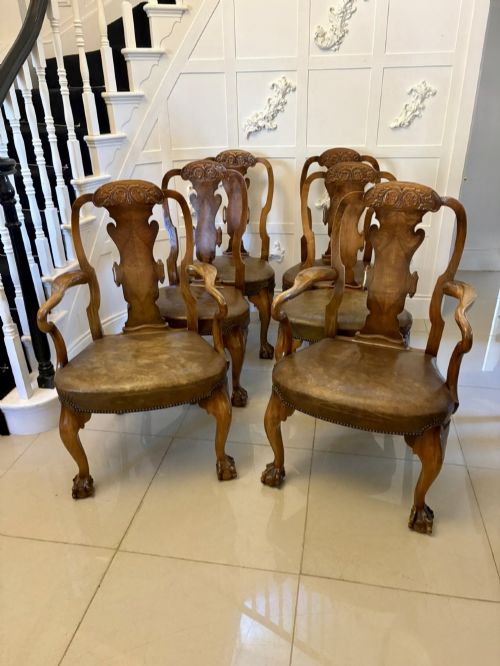
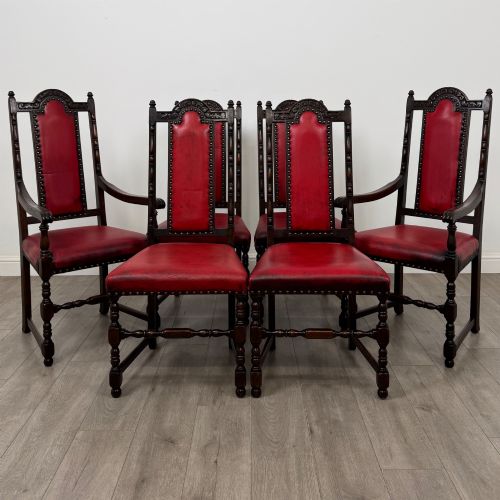
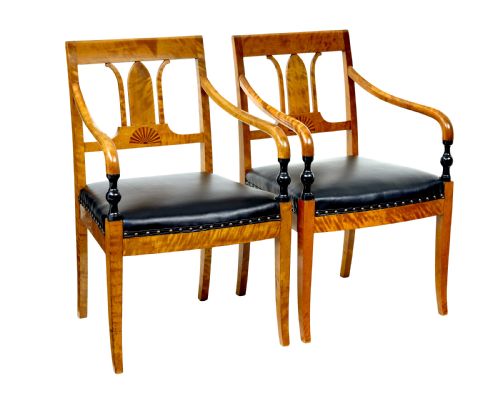
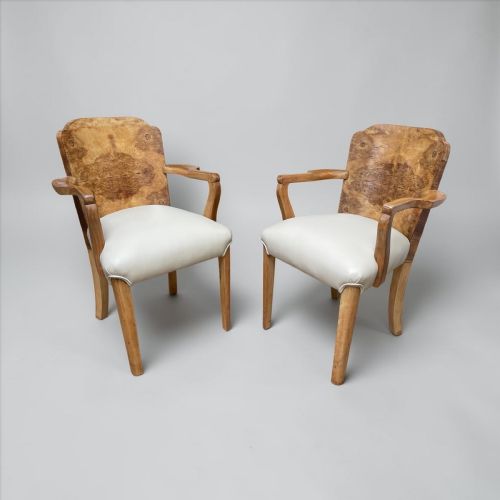
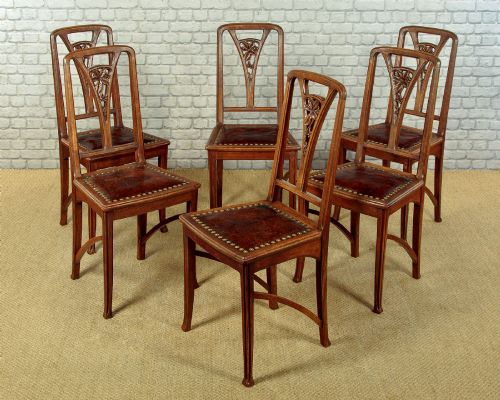
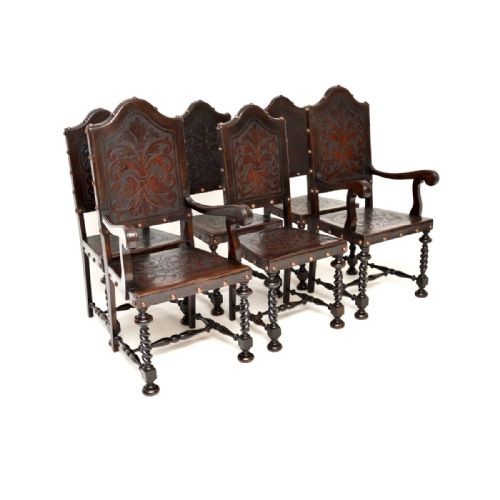
These vintage leather side chairs bring substantial timber frames and patinated hides together for seating that suits dining rooms, libraries and desks alike.
Vintage Leather Side Chairs
The timber frames supporting these hides draw on traditional cabinet-making materials like mahogany, oak, and walnut, frequently shaped into regional revival designs or clean twentieth-century lines. Many pieces function naturally around a dining table or sit quietly beside a library bookcase.
Origins vary from English workshops to Scandinavian, French, and Anglo-Indian makers, introducing diverse carving details, wood grains, and upholstery treatments. Whether finished with embossed details or plain tan hides, each chair reflects the domestic requirements of its original era.
How they were made
Makers built these frames using durable hardwoods including mahogany, oak, and walnut, often joining the structural components with traditional mortise and tenon joinery to ensure lasting stability. Turned legs, cabriole shapes, and carved crest rails emerge directly from the timber through skilled hand woodworking.
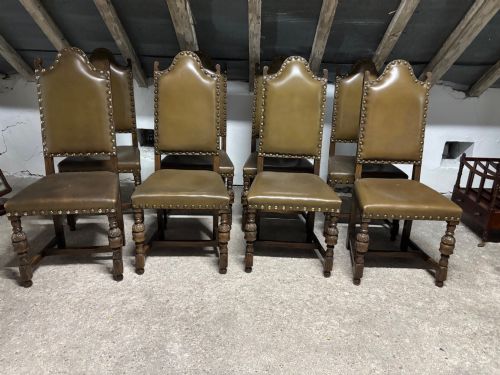
Upholstery methods paired firm stuffing materials with durable leather hides, which were secured to the wooden frames using brass studs or decorative nailing. Embossed patterns, buttoning, or plain stretched panels define the leather surfaces across different periods.
Vintage Leather Side Chairs Retail Price Guide 2026
Typical asking prices for vintage leather side chairs among the pieces listed under this phrase on Sellingantiques today, from the lower quarter to the upper quarter. They describe what is for sale here now, not the wider market.
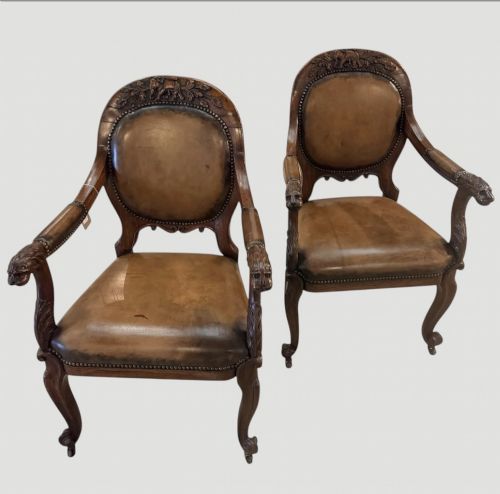
An Anglo-Indian rams head wedding chair stands ready to officiate dinner conversations with unusual carved authority.
What varies in quality
Quality rests upon the integrity of the timber frame and the depth of character in the leather, where well-chosen mahogany or walnut and a rich, natural patina elevate a piece above standard utility furniture. Refined carving, balanced proportions, and substantial weight signal superior craftsmanship.
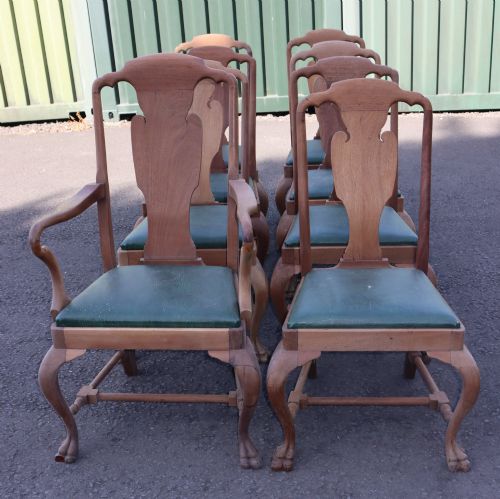
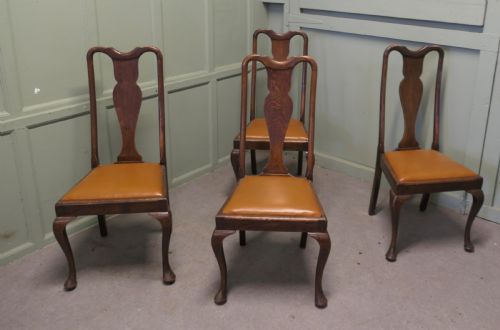
The distinction between ordinary and exceptional examples also lies in the execution of stylistic details, such as crisp joinery on revival Chippendale or Queen Anne backs and the careful tension of original or traditional leather upholstery.
Harry and Lou Epstein·Heals of London·Hille
The Vintage Leather Side Chairs Glossary
- Side chair
- A chair without arms, designed primarily for dining or occasional placement around a room. These forms offer a compact profile that fits neatly beneath table edges.
- Bergère
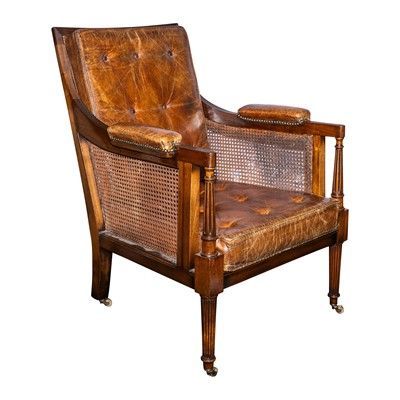
- An enclosed upholstered armchair with wooden framing and cane or upholstered sides. This French-inspired form provides a deep, comfortable seat for libraries and sitting rooms.
- Shield back
- A chair back shaped in the outline of a heraldic shield, popular in eighteenth-century designs and later nineteenth-century revivals. This silhouette often incorporates carved splats and mahogany framing.
- Cabriole leg
- A furniture leg that curves out gracefully and tapers inward, mimicking the legs of an animal. This classic shape appears frequently on Queen Anne and related revival styles.
- Embossed leather
- Leather stamped with raised patterns using metal dies or rollers. This decorative technique adds texture and visual depth to chair upholstery.
Vintage Leather Side Chairs: Frequently Asked Questions
How do I care for vintage leather?
Clean the surface gently using a soft, dry cloth to remove dust, avoiding harsh chemical cleaners that strip natural oils. Apply a suitable leather conditioner periodically to keep the hide supple and prevent cracking.
Keep these chairs away from direct sunlight and heat sources, which dry out vintage leather and cause timber frames to warp. Maintaining stable room humidity preserves both the wood and the upholstery over decades of daily use.
Can I use these chairs daily?
Most vintage side and dining chairs are structurally robust enough for regular use, provided the joints remain tight and secure. Oak, mahogany, and walnut frames built with traditional joinery handle routine sitting comfortably.
Heavier everyday wear suits sturdy hardwood frames better than lighter decorative occasional pieces. Checking the stability of the legs and seat frame ensures safe daily enjoyment around a busy dining table.
How do I identify the period?
Examine the timber species, construction methods, and stylistic cues such as carved details, leg shapes, and upholstery styles. Victorian and Edwardian pieces often display heavier proportions and distinct revival motifs, while 1930s examples lean towards cleaner geometric lines.
Comparing the hardware, such as brass studding or castor fittings, also helps narrow down the manufacturing era. Subtle tool marks and wood ageing provide physical evidence of a piece's age.
What is a side chair?
A side chair is an armless seat intended for dining tables, desks, or occasional placement against a wall. Its compact dimensions allow multiple chairs to fit easily around a table.
These pieces provide versatile seating that moves between rooms without dominating the floor space. Their simple profiles highlight the quality of the wood and leather work.