


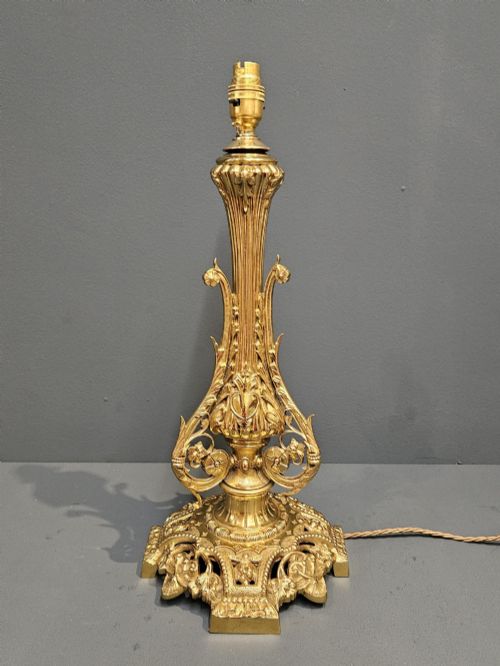
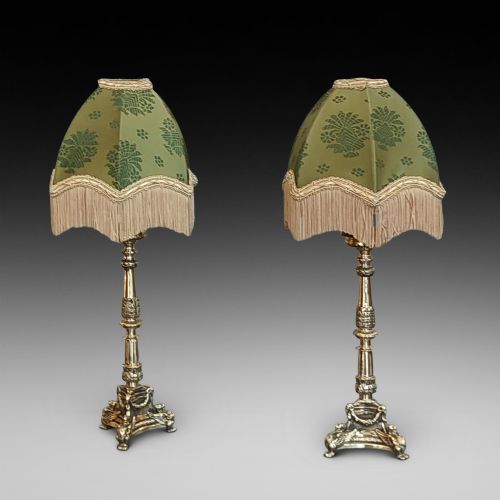
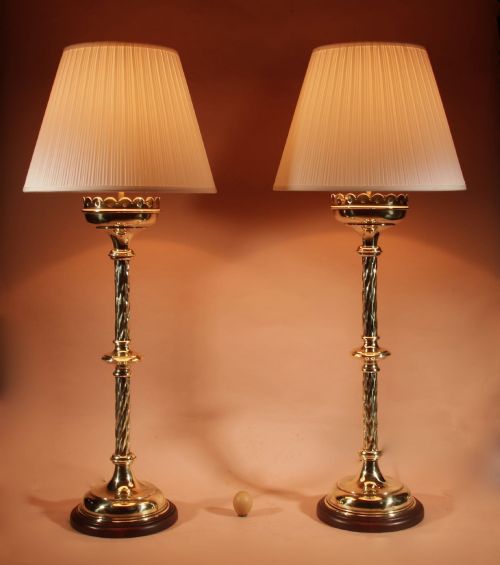
Vintage Lamp Table
A vintage lamp table provides a sturdy surface for illumination while grounding a room with period character.
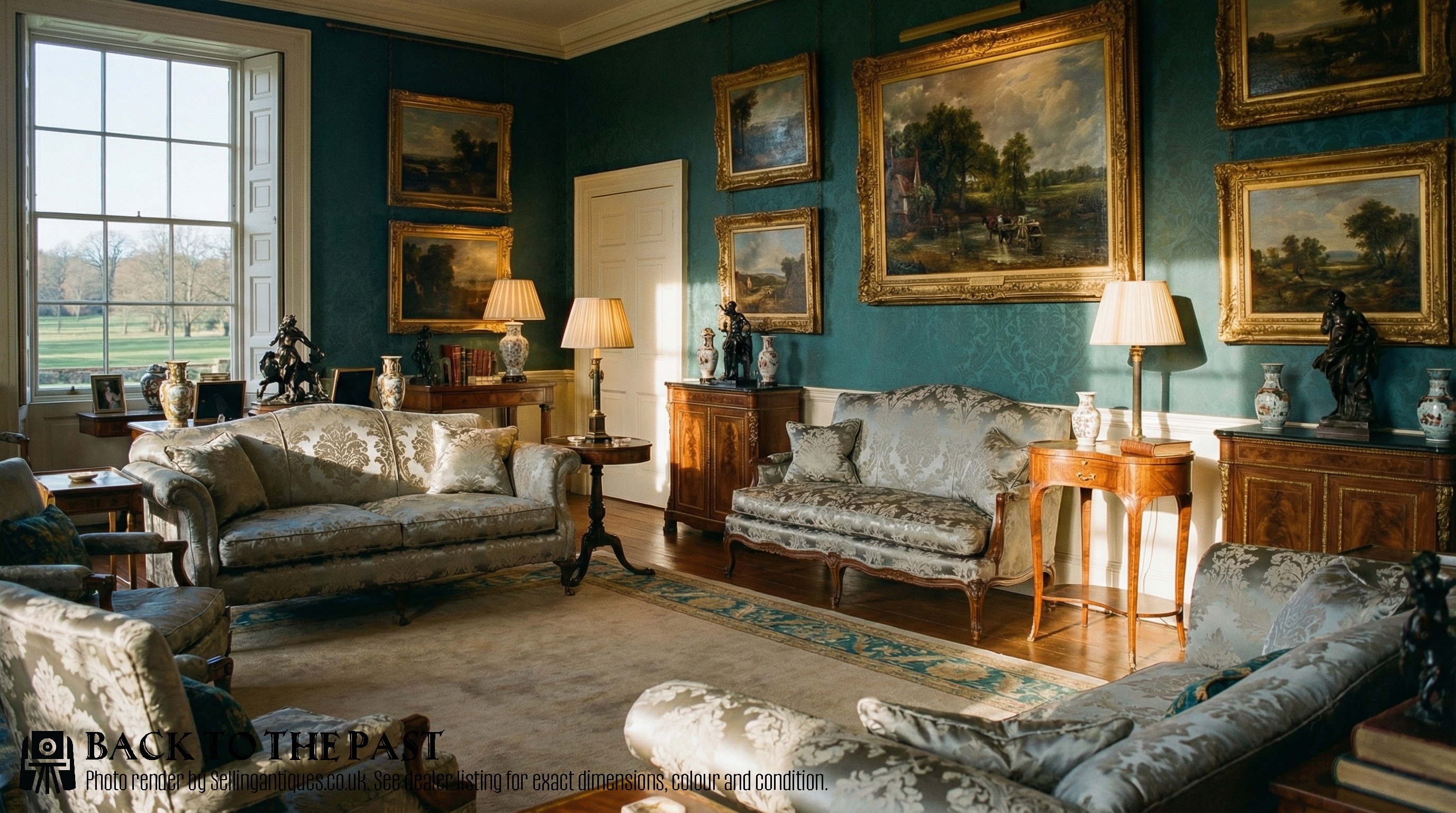
Vintage Lamp Table
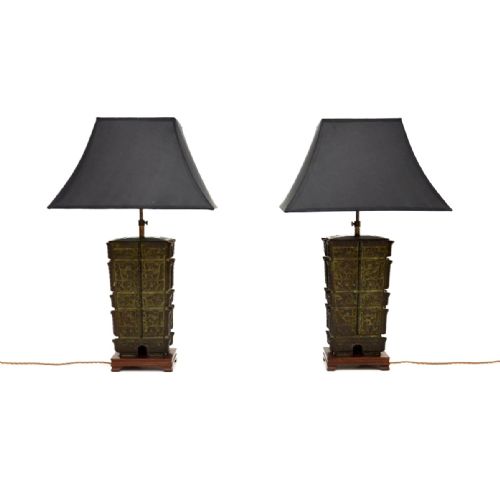
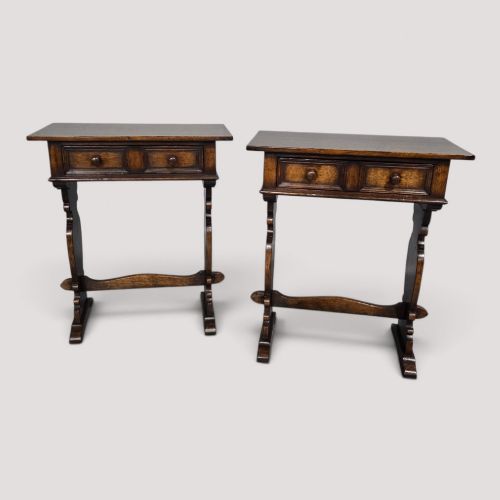
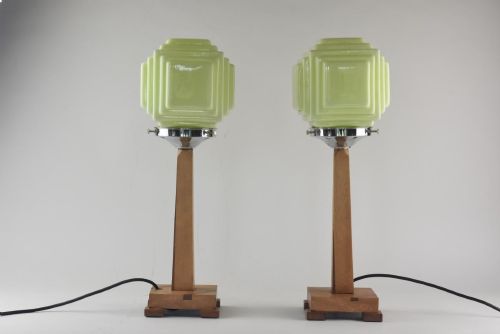
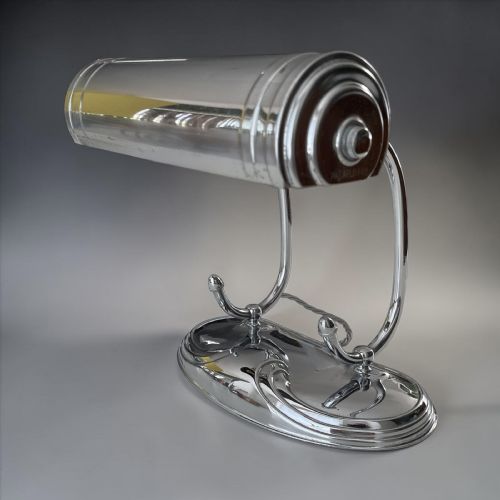
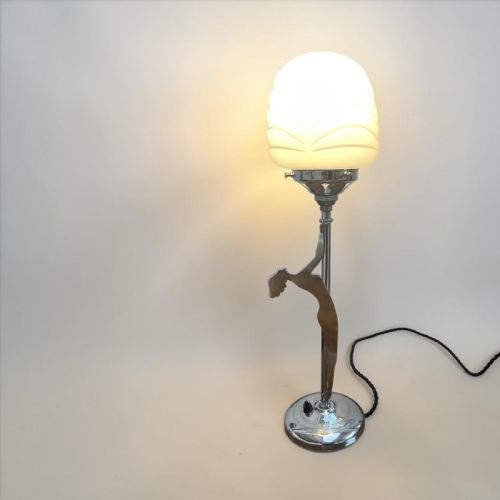
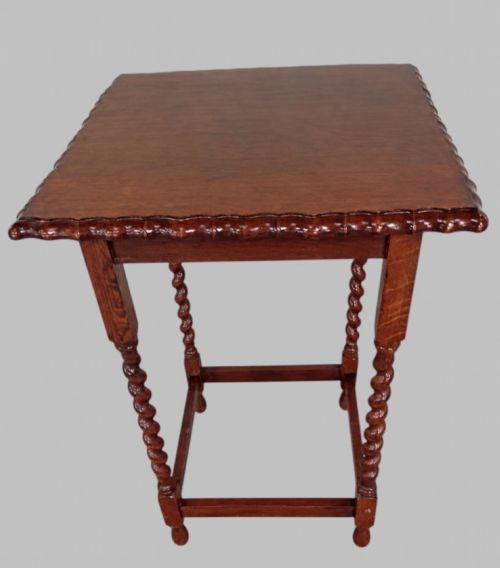
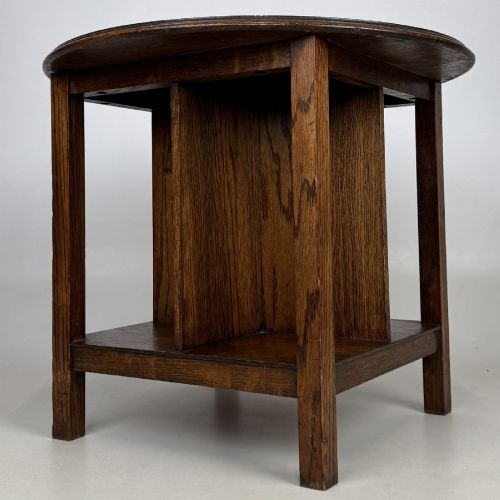
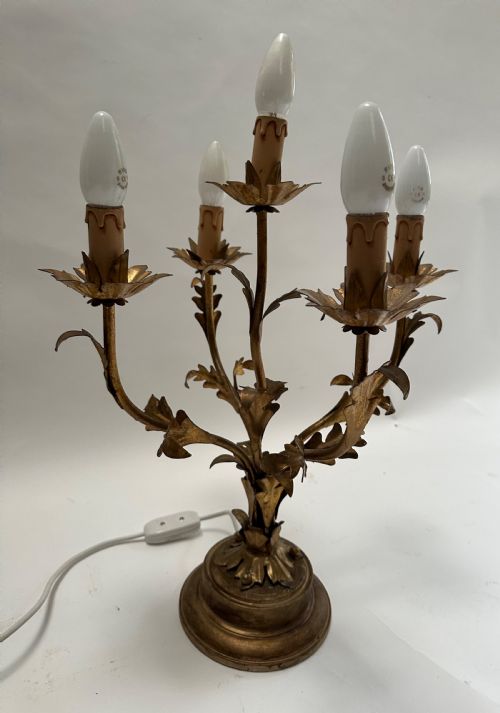
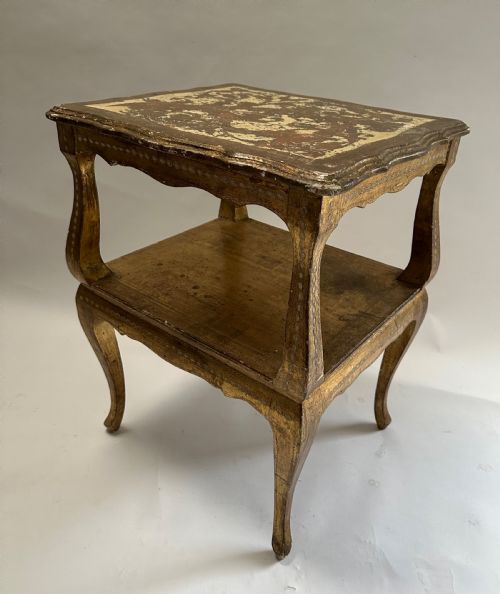
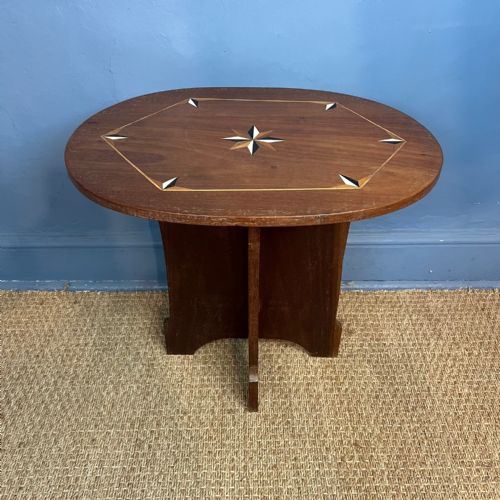
A vintage lamp table encompasses occasional tables, side tables, and centre tables designed to support lighting or function directly as a lamp base. These pieces emerge primarily from Victorian, Edwardian, and Art Deco periods, drawing on styles such as Jacobean Revival and Hollywood Regency.
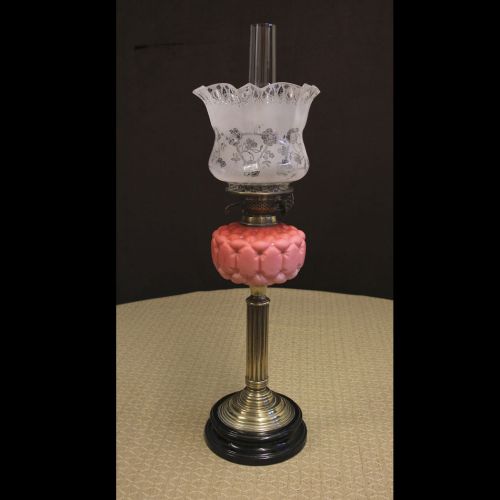
The most common formats met on this page include mahogany and oak side tables alongside brass, ceramic, and marble-mounted table lamps. Buyers also encounter multi-tiered occasional tables, nests of tables, and specialised stands adapted for oils, porcelain, or glass lighting.
How they were made
Construction relies heavily on timbers like oak, mahogany, walnut, and kingwood, frequently enhanced with marquetry inlay, lacquered chinoiserie, or carved detailing. Joinery methods range from traditional mortise and tenon in earlier oak pieces to fine cabinet work in Edwardian and Art Deco examples.
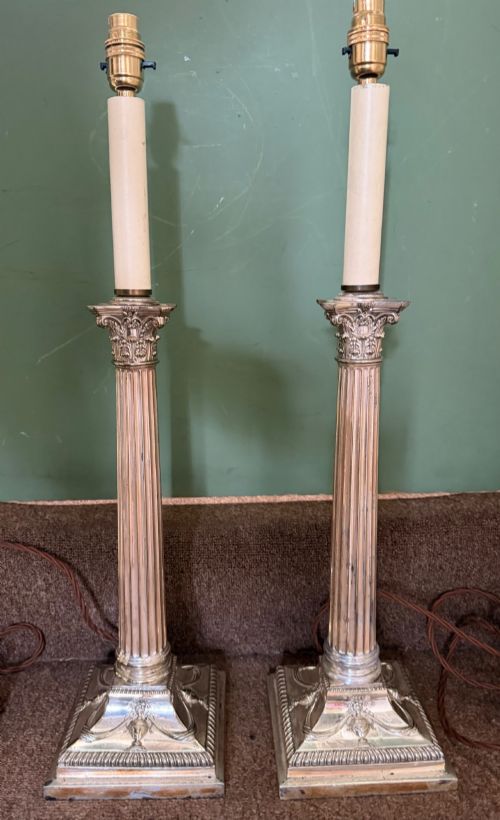
Metal components utilise cast brass, gilt bronze, and silver plating, often shaped into Corinthian columns or classical revival forms. Marble and onyx tops, alongside glass elements such as Murano millefiori, demonstrate specialised cutting and mounting techniques common to French and Italian workshops.
Vintage Lamp Table Retail Price Guide 2026
Typical asking prices for vintage lamp table among the pieces listed under this phrase on Sellingantiques today, from the lower quarter to the upper quarter. They describe what is for sale here now, not the wider market.
Period origins range from mid-nineteenth-century Victorian creations through Edwardian designs to Art Deco modernism.
What varies in quality
The standard of a vintage lamp table depends largely on the selection of timber and the precision of its decorative execution. Superior examples display figured grain patterns, intricate marquetry, or hand-painted lacquer work rather than simple applied veneers.
Metalware quality divides cast pieces with sharp, hand-finished detailing from softer, mass-produced alternatives. Structural integrity, seen in the weight of marble tops and the stability of tripod or column bases, separates utilitarian items from fine salon furniture.
The Vintage Lamp Table Glossary
- Champlevé
- An enamelling technique where vitreous enamel is applied to depressions carved into a metal surface. This process creates richly coloured decorative patterns often found on brass and bronze frames.
- Marquetry
- The art of applying pieces of veneer to a structure to form decorative patterns and pictures. Craftsmen utilise contrasting woods to achieve tonal depth.
- Chinoiserie
- European theatrical interpretations of Chinese and East Asian artistic traditions. This style frequently employs lacquered surfaces and painted motifs.
- Corinthian column
- An architectural order adapted for table lamp stems and candlesticks, characterised by ornate capitals decorated with acanthus leaves.
- Occasional table
- A small, moveable table designed for specific, intermittent uses within a room. These formats include tripod bases and two-tier designs.
Vintage Lamp Table: Frequently Asked Questions
How do I choose the right size lamp table?
Consider the height of your seating and the scale of the lighting placed upon the surface. Side tables should generally sit level with or slightly below the arm of an adjacent chair.
Floor space dictates whether a compact tripod table or a larger two-tier occasional table suits the room. Proportions matter most when pairing heavy ceramic or bronze lamp bases with the supporting furniture.
Can these tables support heavy lighting?
Solid wood construction in oak, mahogany, or walnut provides natural stability for substantial table lamps. Heavy marble-topped and bronze designs easily bear the weight of large oil or porcelain lamp bases.
Lighter bamboo or smaller occasional tables require careful balancing to ensure tall or weighted fixtures remain secure. Check the footprint and leg spread before placing top-heavy illumination.
How do I care for antique wood and marble?
Polishing timber surfaces with traditional wax preserves the natural grain and protects antique finishes from moisture. Avoid placing damp items directly onto unsealed wood or porous stone.
Marble and onyx tops benefit from gentle cleaning with a soft cloth and mild soap. Regular maintenance prevents staining while retaining the subtle sheen developed over decades of use.
What distinguishes Edwardian tables from Victorian ones?
Victorian pieces often favour heavier timbers, rich marquetry inlay, and robust classical proportions. They frequently incorporate darker woods like walnut alongside elaborate brass and porcelain detailing.
Edwardian designs tend towards lighter forms, utilising lighter oak and mahogany alongside simpler geometric lines. Arts and Crafts influences during this later period prioritized visible construction and unadorned utility.