


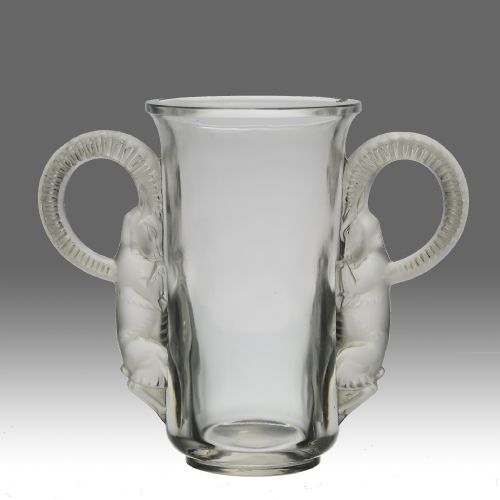


Vintage Lalique Vase
A vintage lalique vase brings tactile French glass artistry into your home, combining sculptural form with signature translucent finishes.
Vintage Lalique Vase
When you search for a vintage lalique vase, you encounter sculptural glassware designed primarily during the early twentieth century. These pieces encompass notable Art Deco creations featuring botanicals, animal motifs, and classical figures.
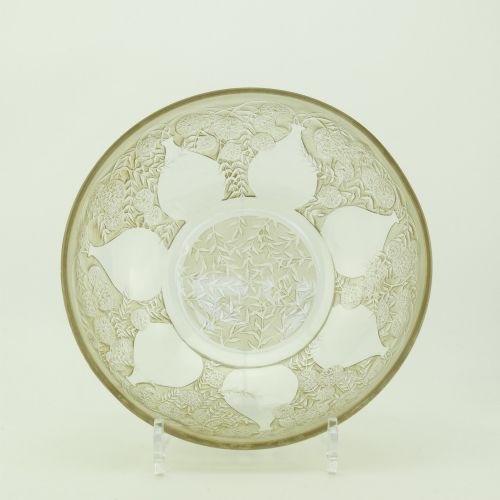
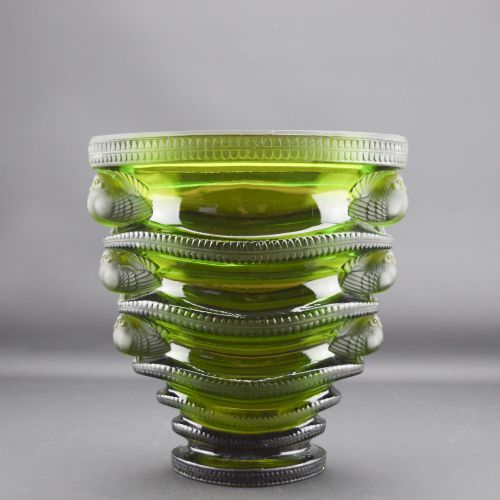
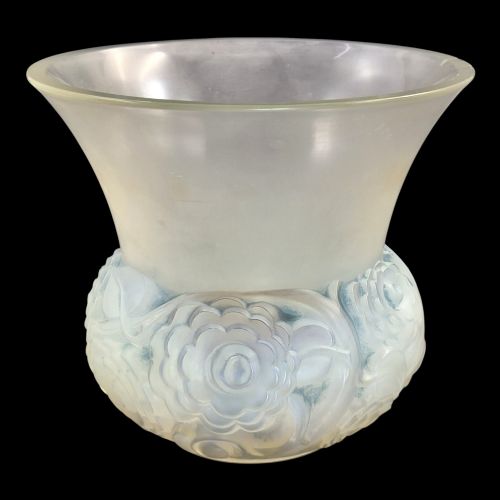
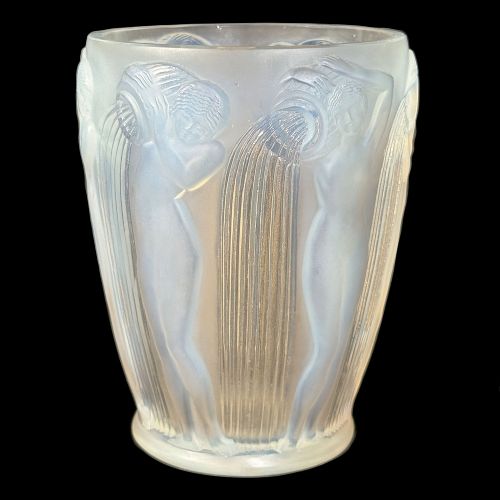
The selection on this page centres on moulded, pressed, and crystal glass vessels. Vases such as the Ceylan, Danaides, and Saint-Marc demonstrate the characteristic forms available to collectors.
How these glass vessels were shaped
Makers utilised press-moulded and clear glass techniques to achieve deep relief and dimensional depth. Molten material was driven into complex metal moulds to shape intricate botanical patterns like Gui, Renoncules, and Laurier.
Surface treatments define the aesthetic, combining frosted glass, crystal, and opalescent glass. Artisans frequently applied blue staining or contrasting finishes to accentuate the raised details of the design.
Rams, water carriers, and tumbling vines share shelf space here, proving that twentieth-century glassmakers found endless inspiration in mythology and garden thickets.
What separates differing examples
Depth of relief and clarity of the moulded detail distinguish the finest examples. The precision in executing complex motifs, such as water carriers or rams, marks the skill involved in production.
The quality of the opalescent effect and the subtlety of coloured staining dictate visual impact. Superior pieces display a dynamic interplay of light across frosted and clear surfaces.
René Lalique
The Vintage Lalique Vase Glossary
- Opalescent glass
- Glass that diffuses light to display a milky or bluish iridescence. This quality shifts tone depending on the angle of illumination.
- Frosted glass
- Glass with a textured, matte surface created by acid-etching or sandblasting. It softens light and highlights high-relief decorative elements.
- Press-moulded glass
- A manufacturing technique where molten glass is pressed into a metal mould using a plunger. This process allows for consistent production of heavily ornamented vessels.
- Art Deco
- A design style characterised by sleek geometric lines, stylised natural motifs, and modern industrial materials. It dominates the aesthetic of twentieth-century French glassware.
Vintage Lalique Vase: Frequently Asked Questions
What is an opalescent vintage lalique vase?
An opalescent vintage lalique vase uses specialised glass formulation to refract light, creating a milky blue or amber glow across the surface.
This optical effect highlights the moulded botanical or figurative designs characteristic of early twentieth-century French production.
How do I identify a vintage lalique vase?
You identify these vessels by examining the crispness of the moulded relief, the quality of the frosted or clear crystal, and specific named motifs like Ceylan or Renoncules.
Signatures or moulded marks embedded in the glass further help establish the origin and production period.
What styles define these glass vases?
Art Deco and French Neoclassical styles heavily influence the appearance of these decorative vessels. The ornamentation ranges from stylised flora and fauna to classical figures.
Sculptural handling of the glass surface remains a central characteristic across the diverse forms.
How were these decorative glass pieces used?
These vessels functioned primarily as decorative art objects within elite interiors, often displayed on mantels or central tables. Their substantial weight and sculptural presence allowed them to stand alone without floral arrangements.
When utilised for display, their opalescent and frosted finishes interacted dynamically with natural daylight.