




1930s French Glass Vase
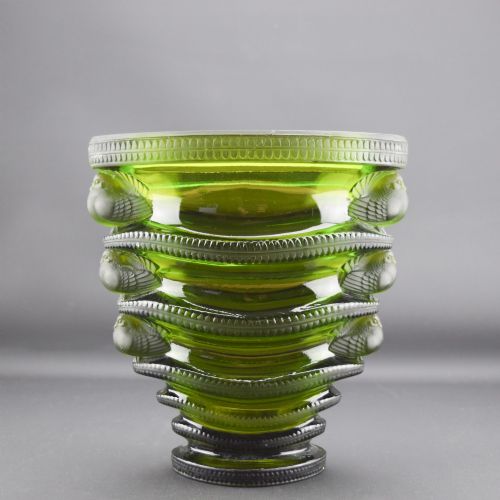
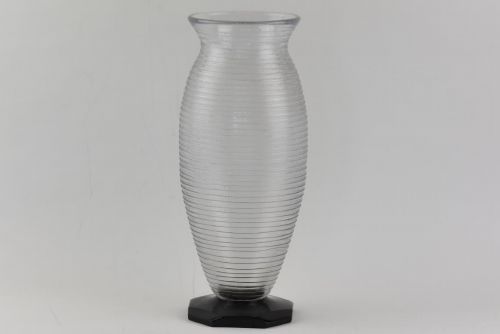
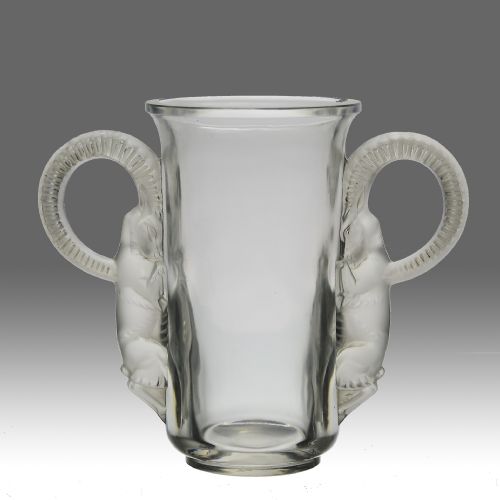
A 1930s French glass vase brings striking Art Deco geometry and tactile opalescence to a room.
1930s French Glass Vase
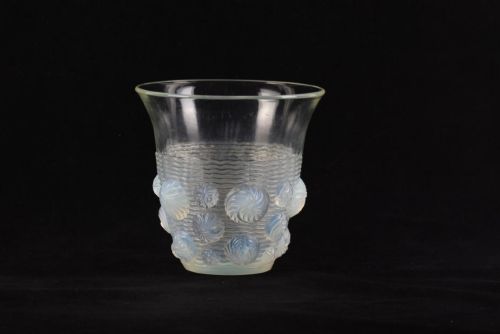
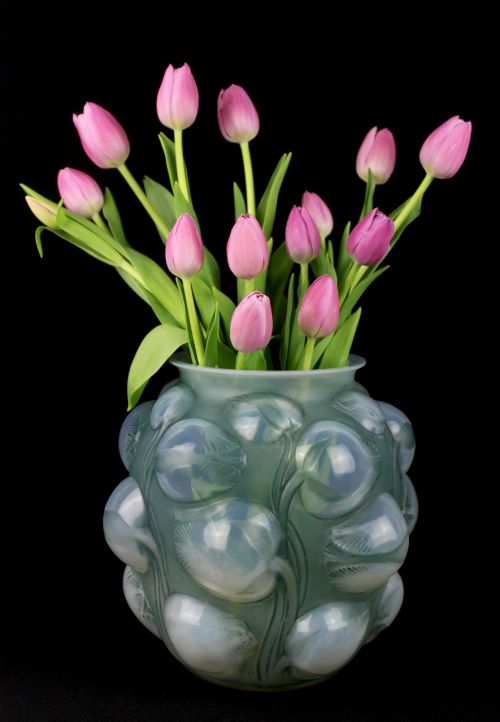
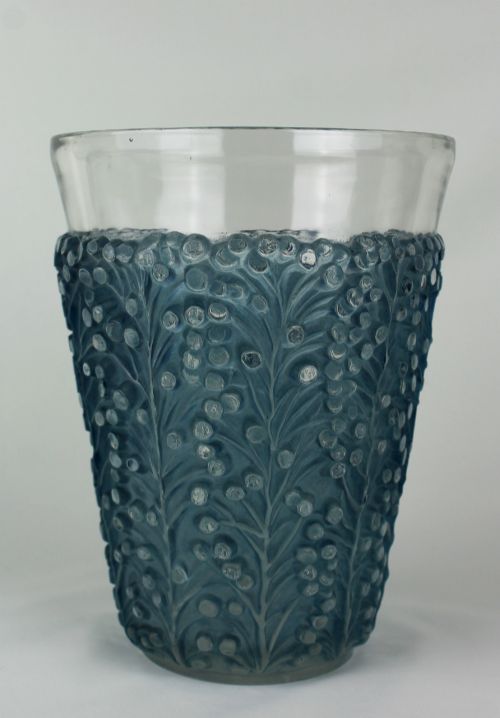
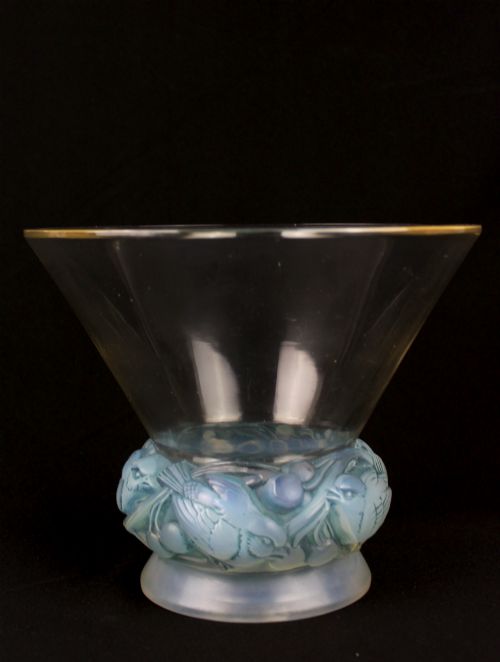
When you search for a 1930s French glass vase, you enter a distinct realm of Art Deco design and tactile glassmaking. These vessels range from monumental centrepieces to sculptural desk items, capturing the creative energy of twentieth-century French studios.
You are most likely to meet pieces produced during the interwar years, predominantly featuring moulded, frosted, or opalescent glass. Forms span from naturalistic floral motifs to bold, modernist geometric cuts.
Methods of manufacture
Maker workshops utilised glass moulding and blowing techniques to shape molten material into robust, substantial vessels. Master glassmakers achieved translucency and heft through careful annealing in high-temperature kilns.
Surface decoration frequently involved deep acid-etching or frosting to create contrast against clear or tinted bodies. Some designs incorporated supplementary elements such as silvered metal mounts or black marble bases.
1930s French Glass Vase Retail Price Guide 2026
Typical asking prices for 1930s french glass vase among the pieces listed under this phrase on Sellingantiques today, from the lower quarter to the upper quarter. They describe what is for sale here now, not the wider market.
Distinctions in quality
Quality rests in the crispness of the moulded relief and the subtlety of the opalescent fire within the glass. Superior pieces display precise edge definition and harmonious proportions that reward close inspection.
The sophistication of the surface finish distinguishes standard production from exceptional studio work. Deep, even etching and careful hand-polishing elevate a vessel's tactile presence.
René Lalique·Daum·Jean Luce·Julien Glass France
The 1930s French Glass Vase Glossary
- Opalescent Glass
- Glass that milky-blue or amber sheen which shifts colour depending on the angle of light. It scatters light across the moulded relief of a vase.
- Acid-Etched
- A decorative technique using hydrofluoric acid to bite designs into the glass surface. This method creates frosted textures and deep contrasts.
- Moulded Glass
- Molten glass pressed into a metal or wooden mould to form complex shapes and patterns. It allowed workshops to replicate sculptural details reliably.
- Art Deco
- The dominant design style of the interwar period characterised by symmetry, geometric lines, and stylised natural forms. It defined French decorative arts between the wars.
1930s French Glass Vase: Frequently Asked Questions
How do I clean a vintage glass vase?
Wash the vessel gently by hand using lukewarm water and mild soap. Avoid abrasive scrubbers that might scratch the delicate frosted or etched surfaces.
Dry the glass immediately with a lint-free cloth to prevent water spots from dulling the opalescent finish.
What defines the Art Deco style?
Art Deco emerged in France during the early twentieth century, favouring streamlined forms and repeating geometric patterns. It rejected Victorian ornamentation in favour of modern industrial aesthetics.
In glassware, this translated to stylized floral motifs, symmetrical reliefs, and heavy, substantial proportions.
Where were these pieces made?
These vessels originate from French glassworks and studios active during the 1920s and 1930s. Prominent centres of production included Paris and regional manufacturing hubs.
Many bear signatures or moulded marks attributing them to specific master glassmakers and commercial potteries.
Can I display fresh flowers in them?
Most of these vessels function well as traditional flower holders, provided you handle them with care. The thick glass walls offer solid stability for heavy stems and arrangements.
Take care when placing or removing woody stems to avoid chipping the inner rim or base.