

Vintage King Bed
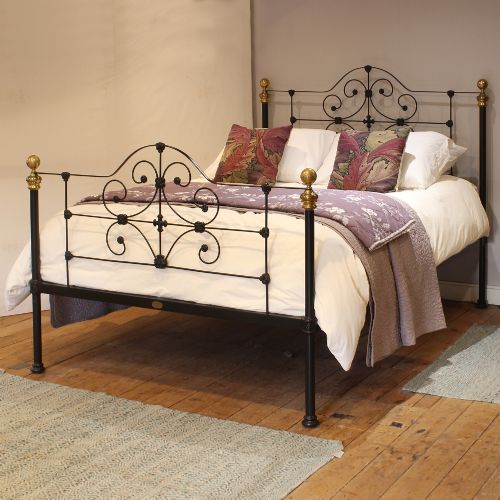
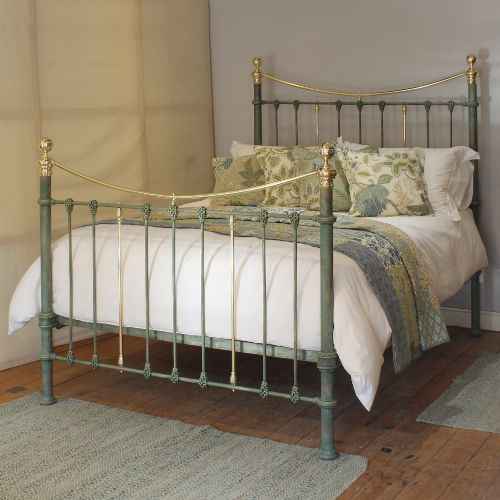
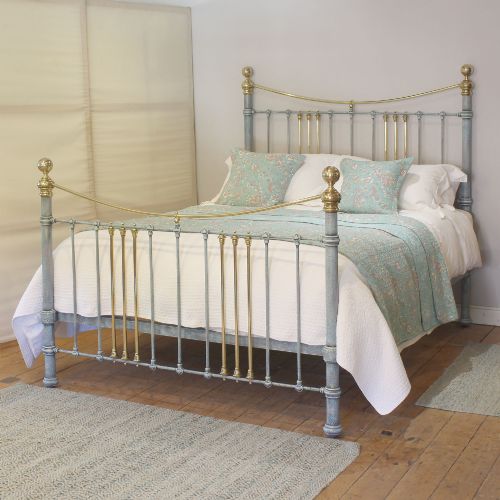
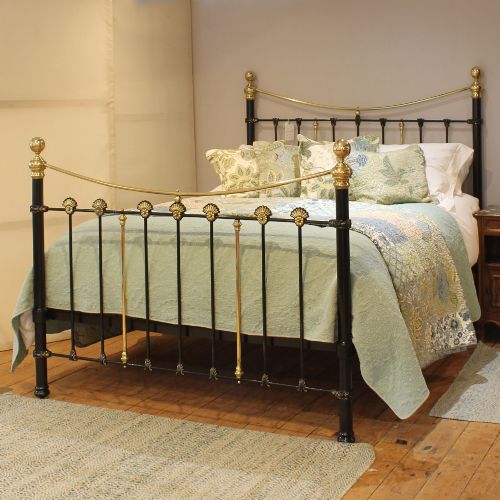
A vintage king bed brings substantial presence to a bedroom, offering generous proportions through period timber and metal framing.
Vintage King Bed
When searching for a vintage king bed, buyers encounter large-scale sleeping furniture spanning the Victorian and Edwardian eras, alongside various French regional styles. These frames accommodate modern mattress dimensions while retaining historical character through nineteenth and early twentieth century craftsmanship.
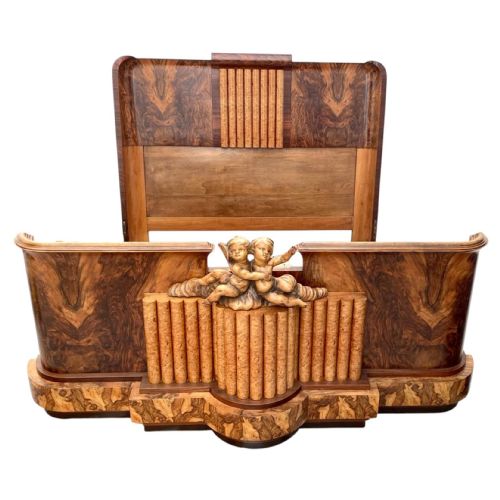
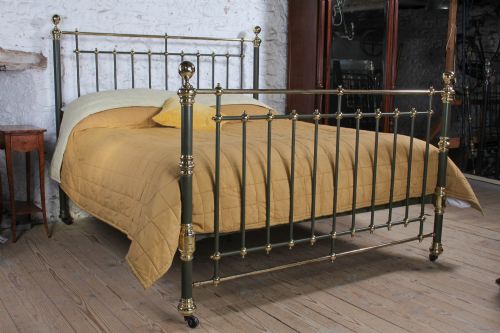
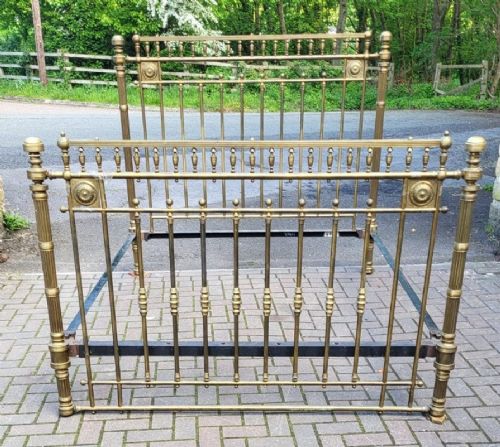
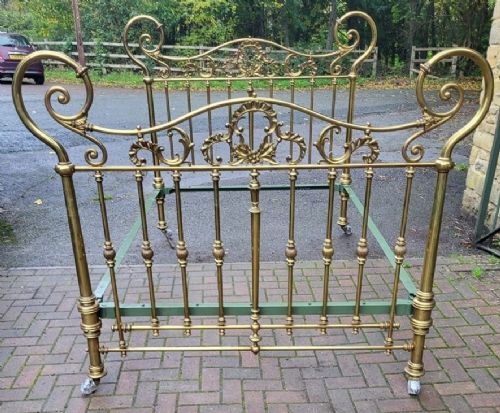
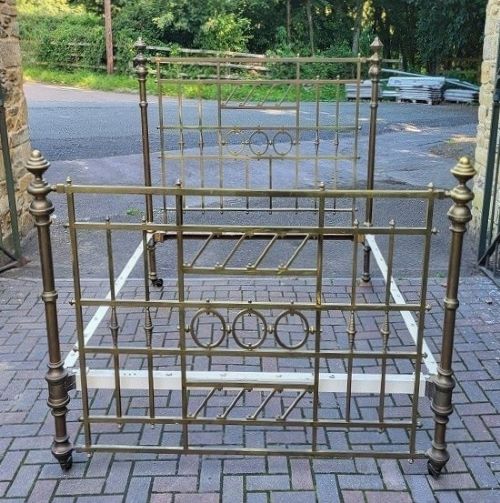
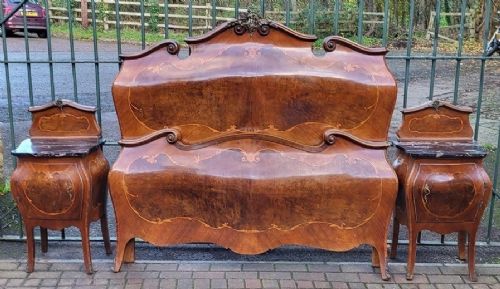
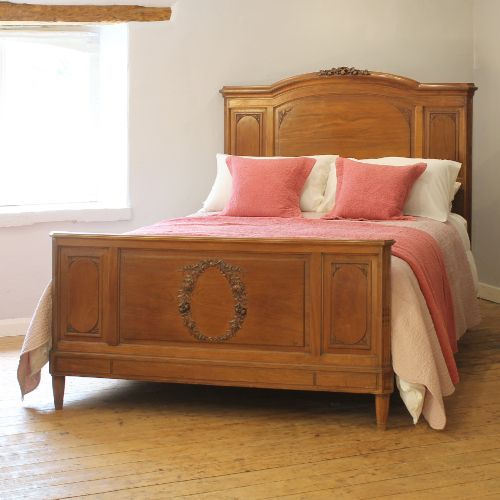
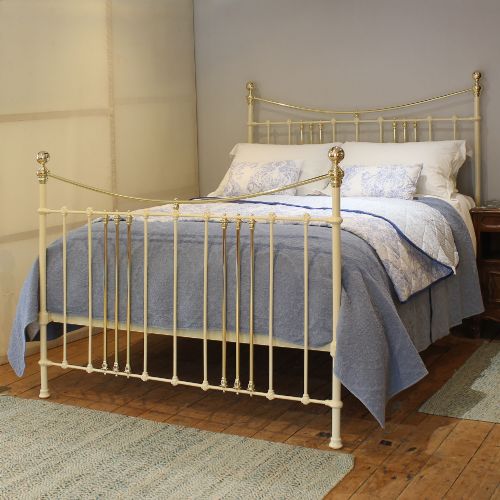
The selections on this page rely heavily on robust metal frames, specifically brass and iron combinations, alongside timber iterations in mahogany, walnut, and maple. French neoclassical, Louis styles, and Gothic revival designs appear frequently, offering distinct headboard and footboard silhouettes.
How they were made
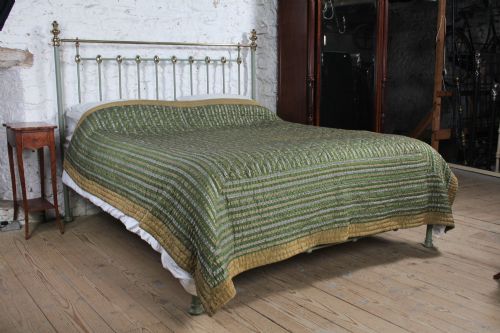
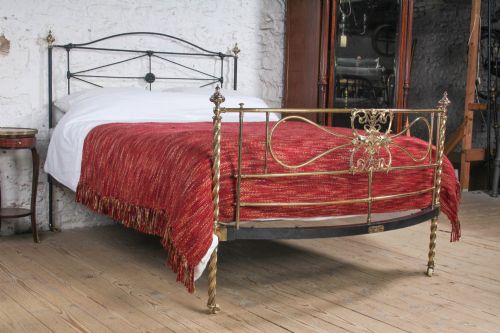
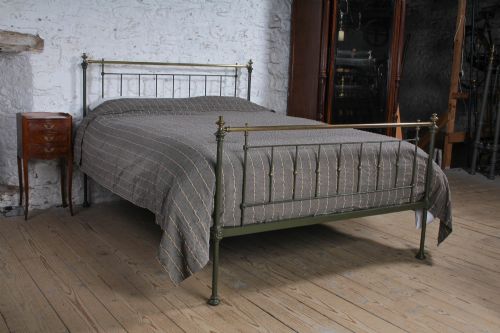
Metal frames utilise cast iron, wrought iron, and polished brass, often incorporating detailed metal castings and tapered structural posts. Joinery and assembly rely on heavy-duty iron side rails and sturdy corner brackets designed to support substantial weight.
Wooden frames employ dense hardwoods like mahogany and walnut, frequently finished with carved details or decorative veneers such as kingwood parquetry. Ormolu mounts and painted surfaces add decorative finish layers to specific French and Anglo-Indian regional variants.
Vintage King Bed Retail Price Guide 2026
Typical asking prices for vintage king bed among the pieces listed under this phrase on Sellingantiques today, from the lower quarter to the upper quarter. They describe what is for sale here now, not the wider market.
Design styles span French Louis and Gothic Revival movements alongside simpler Irish no-end iron bed frames.
What varies in quality
The distinction between standard production and exhibition quality lies in the crispness of brass castings, the complexity of ironwork shaping, and the depth of timber carving. Higher-tier pieces feature intricate details like ribbon reeds, Gothic tracery, or comprehensive ormolu mounts.
Structural integrity and originality dictate the standing of a frame, with maker-marked pieces holding particular distinction. Retaining all original components, from brass knobs to specific iron rails, elevates the authenticity of the structure.
Winfield·Maple and Co
The Vintage King Bed Glossary
- Bedstead
- A framework of a bed consisting of headboard, footboard, and rails. It forms the skeletal structure that supports the mattress and base.
- Ormolu
- Gilded bronze or brass applied as decorative mounts on furniture. It provides metallic contrast against dark timbers like walnut and mahogany.
- Parquetry
- Geometric wood mosaic work used for decorative veneer surfaces. It creates patterned wooden panels on high-end French bed frames.
- Tester
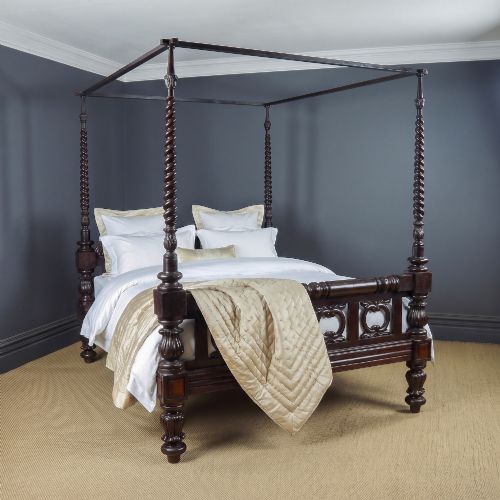
- A canopy suspended over a bed. Four poster variants utilise corner posts to support this overhead wooden or fabric structure.
- Verdigris
- A green patina formed on brass or copper through natural oxidation. This surface coloration appears on specific antique metal finishes.
Vintage King Bed: Frequently Asked Questions
Will a vintage king bed fit modern mattresses?
Most antique frames built to king or super king proportions accommodate contemporary mattress sizes with standard slat systems or custom base supports.
Buyers should verify internal rail measurements against their specific mattress dimensions before final arrangement.
How do iron and brass beds differ?
Iron frames provide heavy structural support with painted or blackened finishes, whilst brass elements offer bright metallic detailing and decorative warmth.
Many nineteenth-century designs combine both materials to balance visual contrast with robust durability.
What defines a French chateau style bed?
French chateau pieces typically feature carved walnut or painted timber structures with sweeping headboards and classical French motifs.
These frames focus on substantial wood carving and refined proportions rather than exposed metal tubing.
How are four poster beds structured?
Four poster frames utilise four vertical corner posts that rise from the bed corners to support an upper wooden canopy or tester.
This architectural arrangement creates an enclosed sleeping space typical of nineteenth-century grand chambers.