
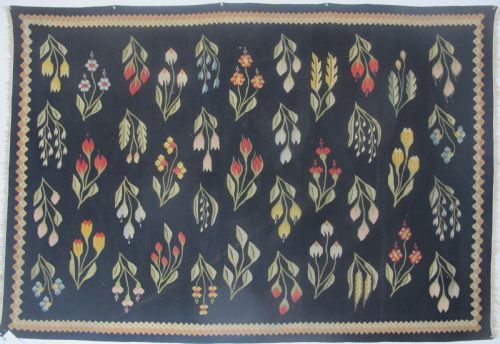
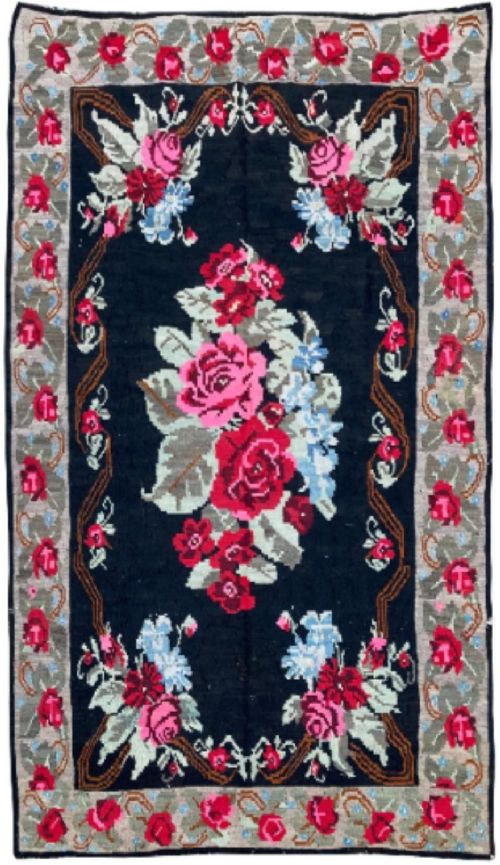
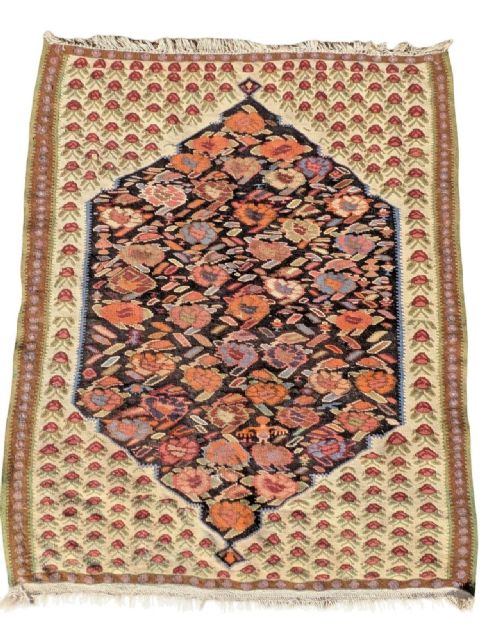
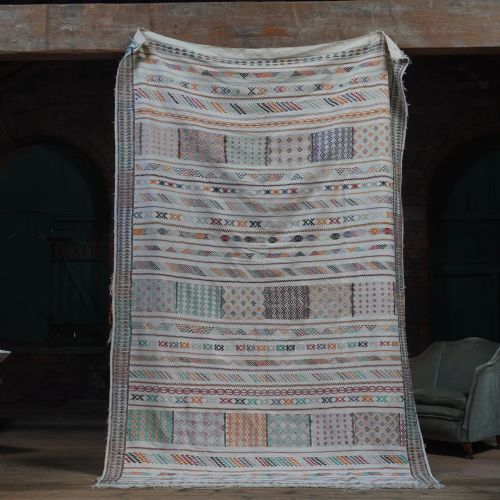
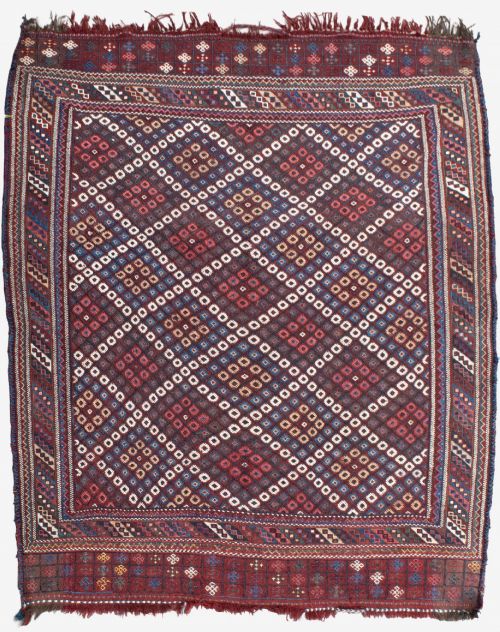


Vintage Kilim Rug
A vintage kilim rug brings flatweave textile art into a room through geometric patterns and nomadic craftsmanship.
Vintage Kilim Rug
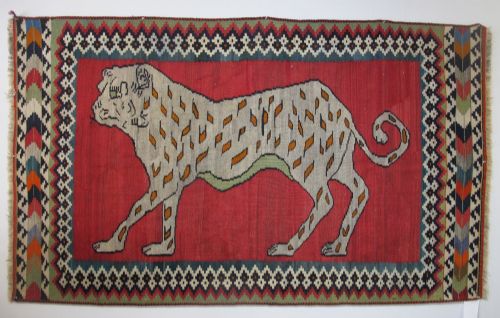
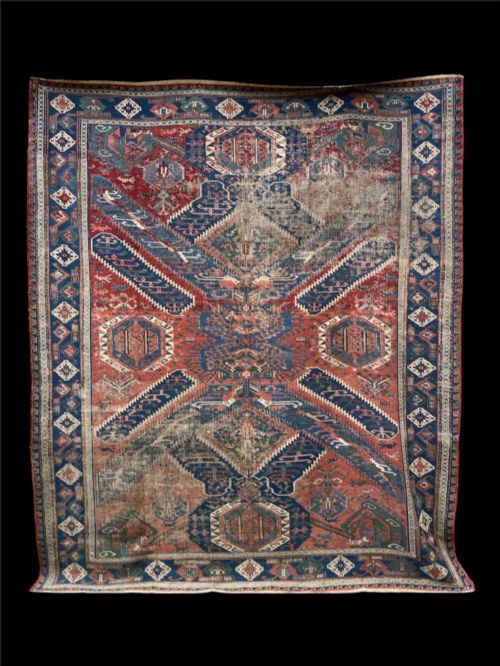
A vintage kilim rug is a flatwoven textile created by tribal makers across Anatolia, Persia, the Caucasus, and Eastern Europe from the nineteenth century into the mid-twentieth century. Buyers search for these pieces to introduce organic geometry, flat textures, and regional character into domestic interiors.
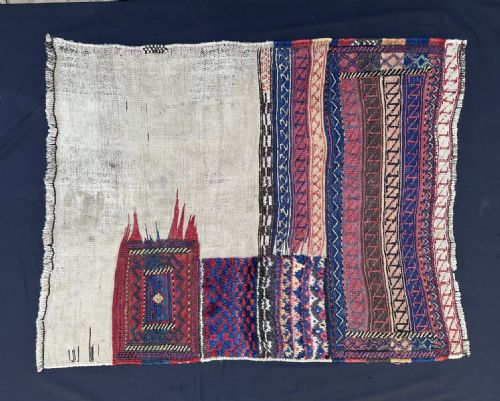
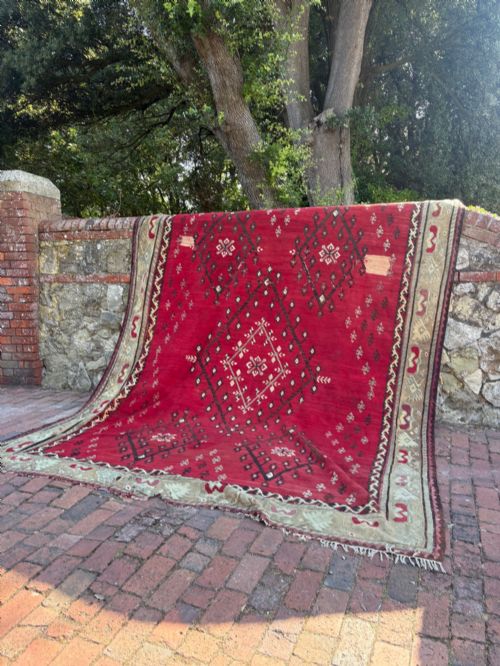
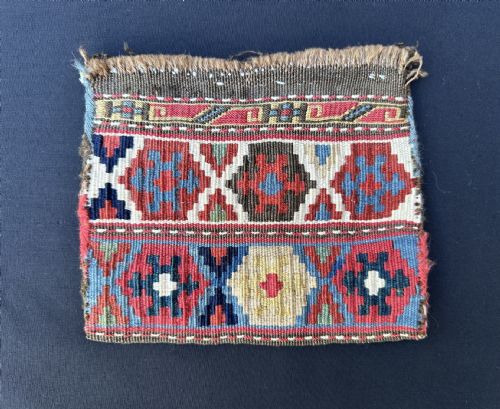
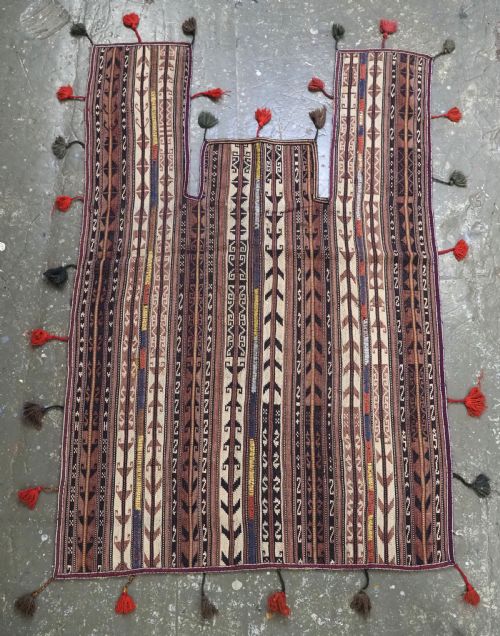
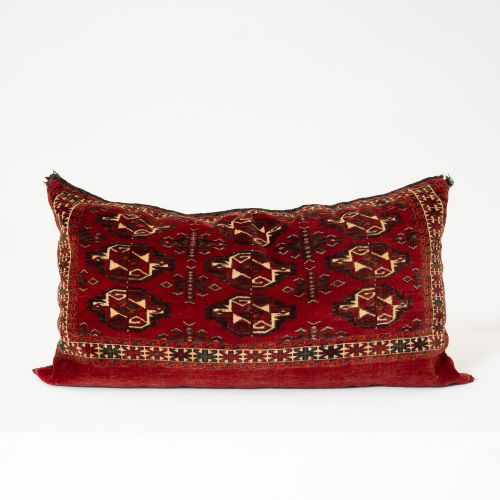
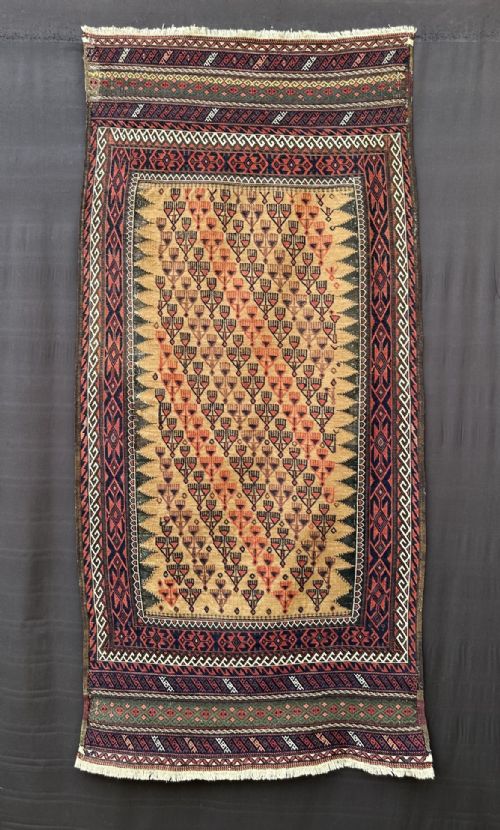
The selection on this page centres on traditional forms including room-sized carpets, runners, prayer rugs, animal trappings, and grain bags known as sofreh. Examples span Persian tribal regions, Anatolian workshops, Caucasian weaving centres, and Eastern European folk art traditions.
Nomadic and village groups produced these textiles for utilitarian household duties or ceremonial use rather than commercial export. Consequently, survival rates depend on practical durability and the resilience of traditional wool fibres.
How they were made
Makers constructed these textiles using warp and weft interlacings without a piled surface, creating a flat structure that relies on tightly beaten weft threads to form crisp geometric motifs. Artisans utilised hand-spun wool combined with cotton foundations, applying natural dyes to achieve stable, muted colour palettes.
Certain regional pieces incorporate specialised materials such as cactus silk, sabra fibre, and velvet additions, while specific eastern European examples employ floral tapestry techniques. The slit-weave construction method leaves small vertical gaps where colour areas meet, defining the characteristic sharp outlines of tribal designs.
Several textiles served as ceremonial horse blankets, proving that historical nomadic tribes occasionally insisted their livestock travel with better interior design than their neighbours.
What varies in quality
Quality in these flatweaves rests on the tightness of the weave, the clarity of the tribal iconography, and the integrity of the natural dyes. Denser tension and finer knotting or weaving create structural stability that withstands generational use.
The aesthetic success of a piece depends upon the harmonious interaction of vegetable dyes and the balance of traditional regional compositions. Finer examples display precise execution of complex geometric medallions or finely spaced banded designs without losing organic character.
The Vintage Kilim Rug Glossary
- Kilim
- A flatwoven textile produced without pile across Anatolia, Persia, and the Caucasus. These pieces function as floor coverings, wall hangings, and domestic textiles.
- Sofreh
- A woven spread or cloth used by nomadic tribes for dining, kneading bread, or carrying food. They often feature minimalist central fields flanked by geometric borders.
- Sumak
- A technique of wrapping weft threads around warp threads to produce a textured surface resembling embroidery. This method adds structural weight and raised pattern detail.
- Mafrash
- A storage bag or chest panel woven by tribal groups in flatweave or sumak techniques. They display dense bands of geometric symbols.
- Slit-weave
- A structural technique where the weft yarn returns around a warp thread at the edge of a colour area, creating a small slit in the fabric. This method permits sharp linear pattern definition.
Vintage Kilim Rug: Frequently Asked Questions
How do I style a kilim in a modern room?
Place a flatweave textile over neutral wooden flooring or stone tiles to anchor seating areas with geometric contrast. The low profile allows furniture to sit evenly without bunching.
Layer smaller formats over plain carpets or hang larger room-size examples on walls to display the tribal iconography safely away from heavy foot traffic.
Are these rugs durable enough for daily use?
Traditional flatweaves withstand moderate foot traffic in domestic living spaces when protected with a suitable underlay. The tight wool construction resists crushing because the design relies on structure rather than upright pile.
Protect delicate historical pieces by placing them in low-traffic zones such as bedrooms, studies, or hallways where heavy furniture feet will not abrade the flat surface.
How do I clean an antique flatweave?
Vacuum gently using a suction-only attachment without a rotating brush roll, moving in the direction of the weave to protect the wool fibres. Professional textile conservators should handle deep washing to prevent dye migration.
Address accidental spills immediately by blotting with a dry cloth rather than rubbing, avoiding chemical detergents that can damage natural dyes.
What is the difference between Anatolian and Persian kilims?
Anatolian examples frequently employ bold geometric prayer mihrabs and earthy tones rooted in village traditions. Persian tribal pieces from groups like the Qashqai or Bakhtiari often feature complex medallion layouts and storytelling motifs.
Regional distinctions also appear in the specific weave structures and wool qualities characteristic of different nomadic territories.