

Vintage Jewellery Box
A vintage jewellery box holds the small treasures of a room, keeping rings and trinkets secure in brass, silver, mahogany, and velvet.
Vintage Jewellery Box
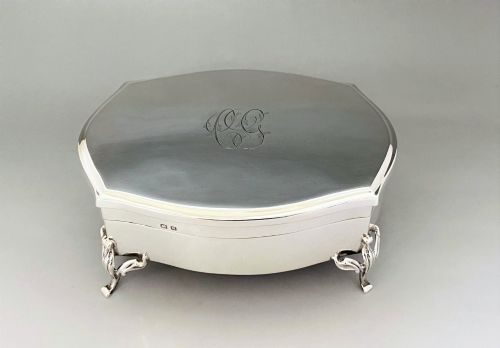
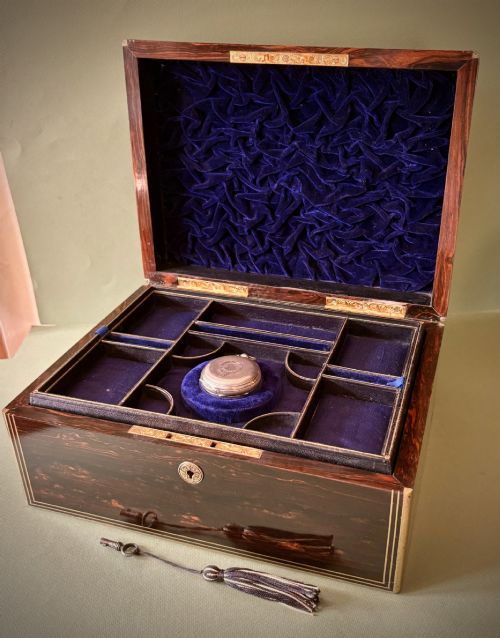
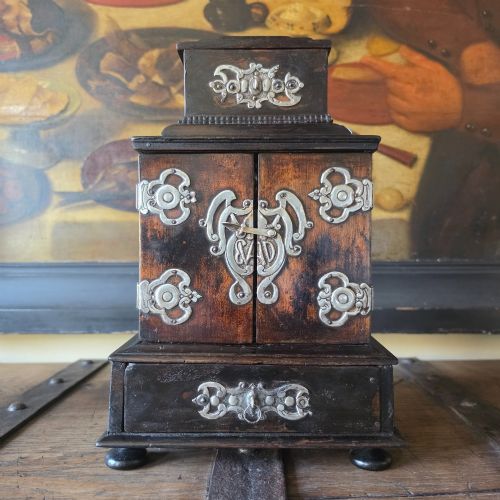
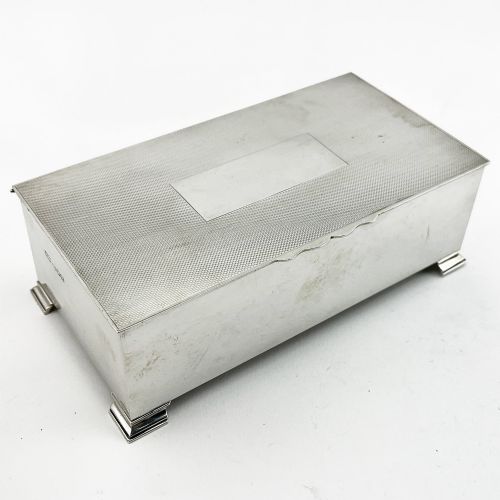
A vintage jewellery box encompasses everything from Victorian mahogany and rosewood caskets to Edwardian silver trinket containers and Art Deco crystal vessels.
Buyers searching for a vintage jewellery box most often encounter sterling silver, brass, and hardwood forms spanning the nineteenth century through the mid twentieth century.
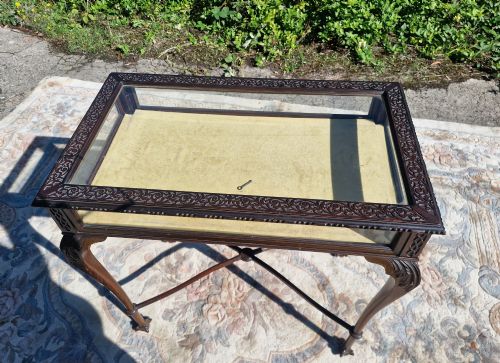
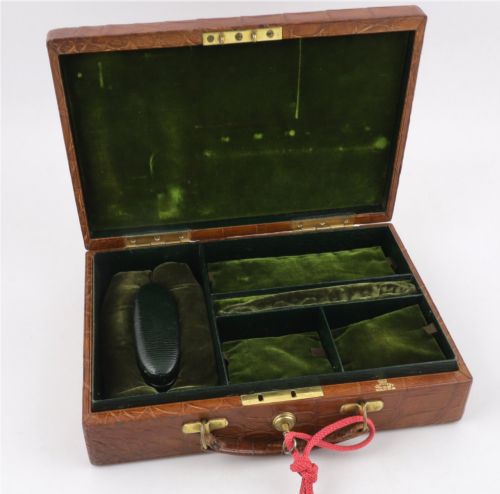
These pieces range from fitted compartments designed for travel to display tables and small chests intended for dressing table surfaces.
Construction and materials
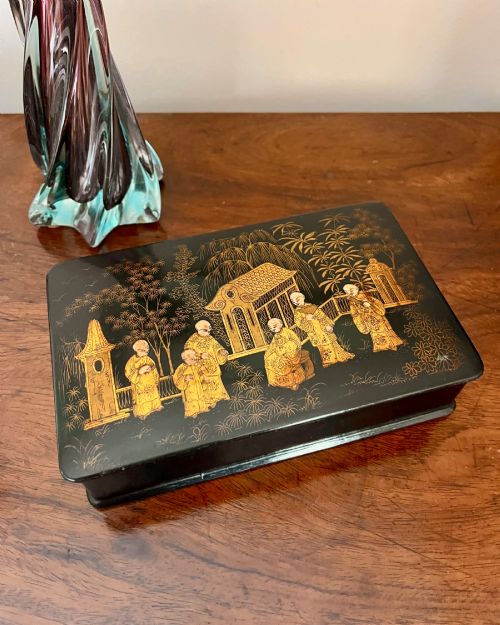
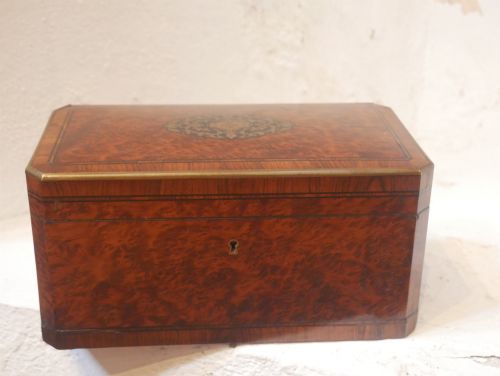
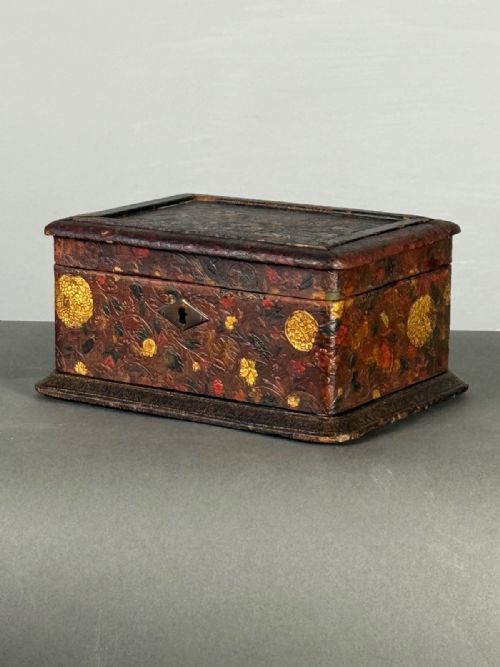
Maker techniques rely on solid hardwoods like mahogany and walnut, frequently enhanced with marquetry, Tunbridge inlay, or lacquered chinoiserie finishes.
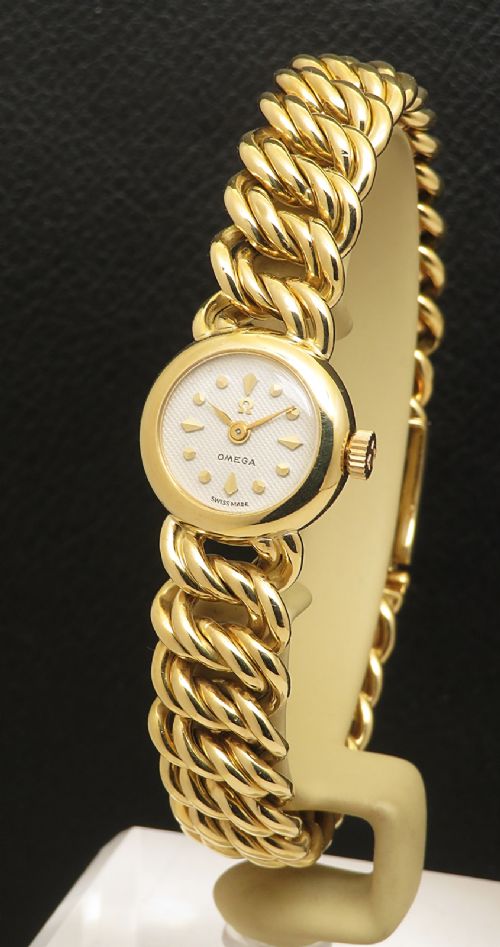
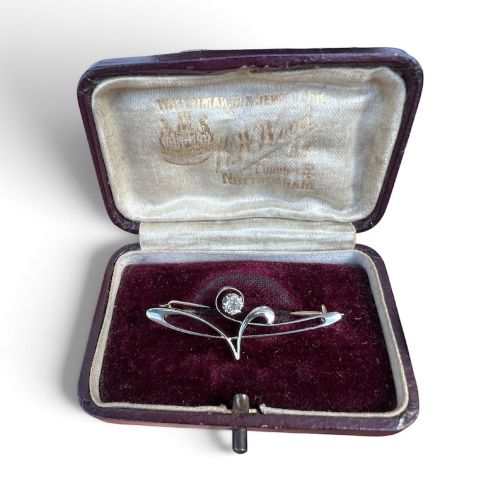
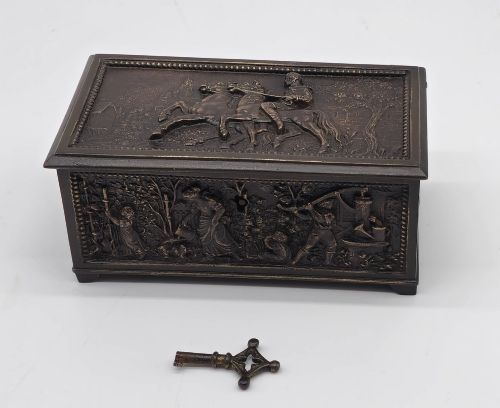
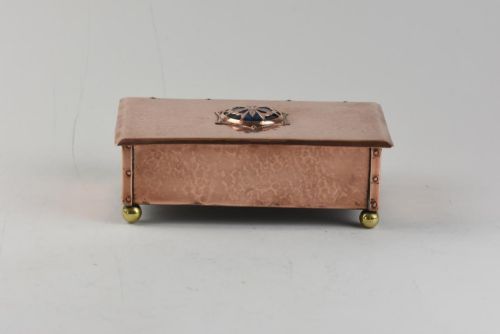
Metal components utilise sterling silver, brass, bronze, and copper, sometimes combined with enamel, glass, or porcelain panels and lined internally with velvet.
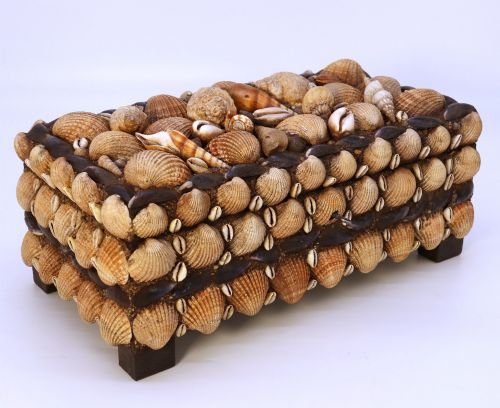
Among the storage boxes sits an unexpected interwar English folk art shellwork box.
Assessing quality in construction
Quality depends upon the weight of the metal, the precision of the woodwork joints, and the integrity of internal lining materials.
Superior examples display finer hand-chiselled decoration, intact hinges and clasps, and original fitted interior compartments rather than modern replacements.
Tahan Paris·Susse Freres Paris·J C Vickery·Mappin & Webb·Lalique
The Vintage Jewellery Box Glossary
- Bijouterie table
- A small glazed display table designed to showcase small decorative objects and jewellery under glass.
- Guilloche enamel
- A decorative mechanical technique that etches precise patterns into metal beneath a translucent enamel layer.
- Casket
- A decorative box, often lined and hinged, traditionally used for holding precious items or documents.
- Marquetry
- The art of applying pieces of veneer to a structure to form decorative patterns and pictorial designs.
Vintage Jewellery Box: Frequently Asked Questions
What periods do these boxes come from?
The pieces span the Victorian, Edwardian, and Art Deco eras, alongside nineteenth and mid-twentieth century items.
Materials range from sterling silver and brass to mahogany, glass, and enamel.
How were these boxes traditionally used?
They served as desktop or dressing table receptacles for rings, watches, necklaces, and small personal documents.
Some larger versions were built with fitted compartments specifically for travel or daily storage.
Are the interiors original?
Many retain their original velvet or silk linings, while others show signs of period repair or replacement.
Checking the interior helps determine if the box maintains its initial fitted configuration.
How do I care for wooden boxes?
Wood surfaces benefit from dry dusting and occasional treatment with appropriate natural waxes to preserve the finish.
Avoid placing them in direct sunlight or areas with high humidity to protect the veneer and inlay.