

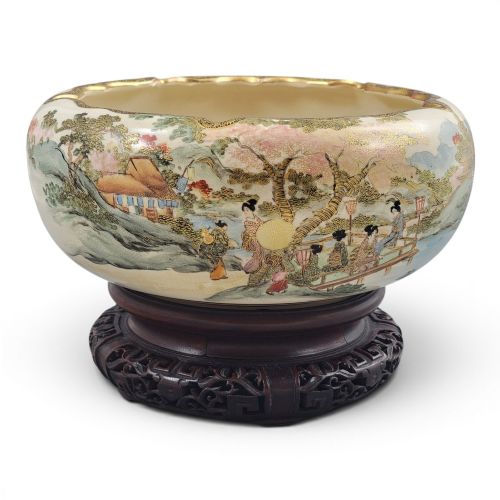


Vintage Japanese Porcelain Bowl
These vintage japanese porcelain bowl examples bring traditional craftsmanship and intricate hand-painted decoration directly into modern interiors.
Vintage Japanese Porcelain Bowl
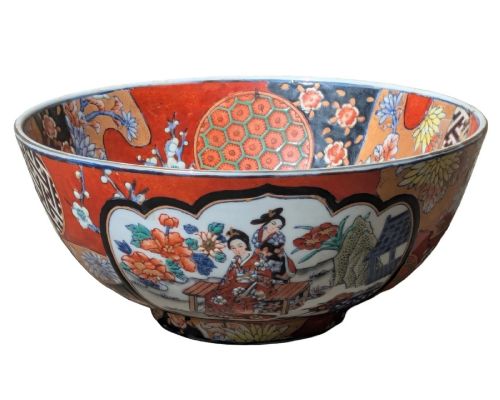
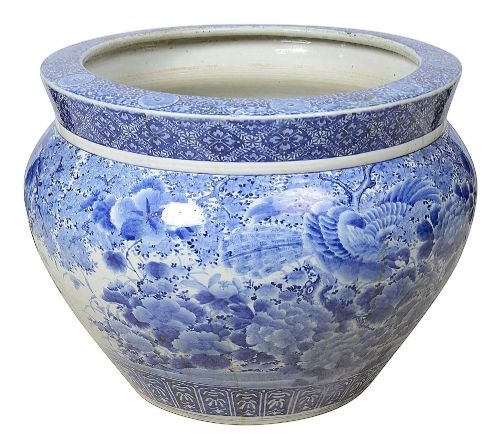
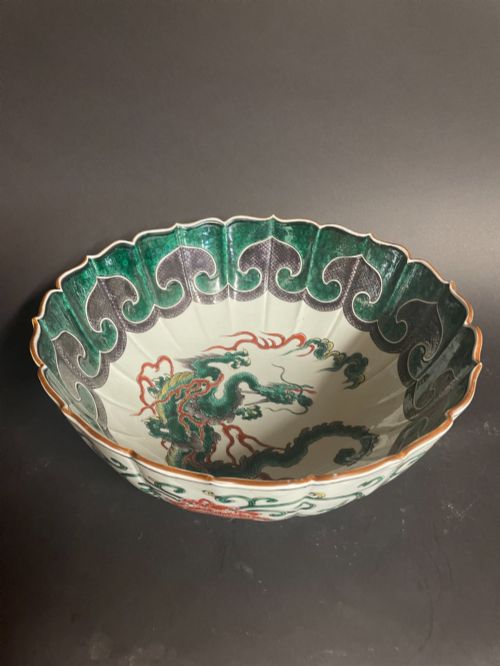
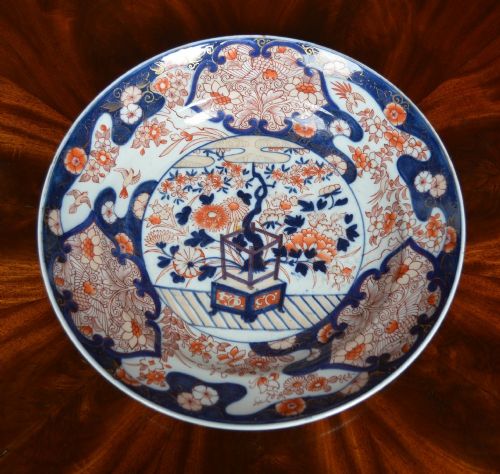
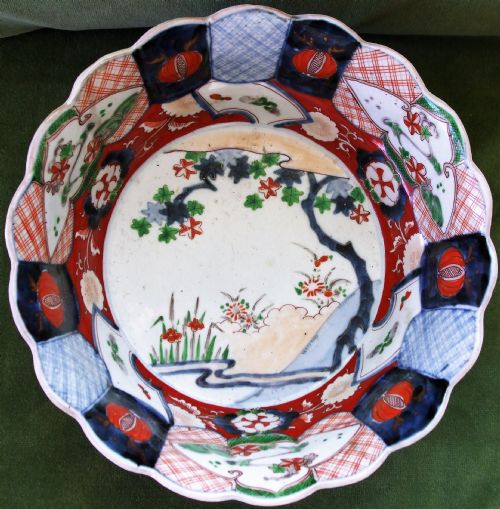
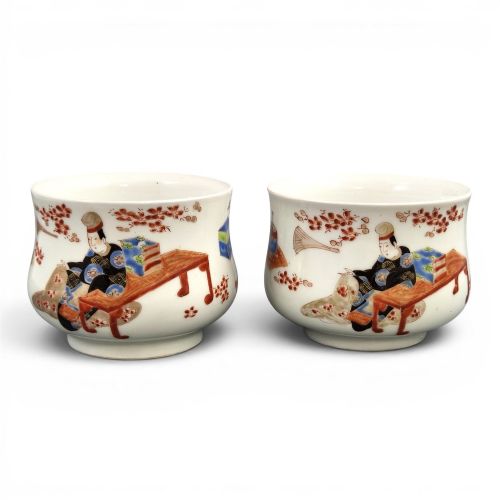
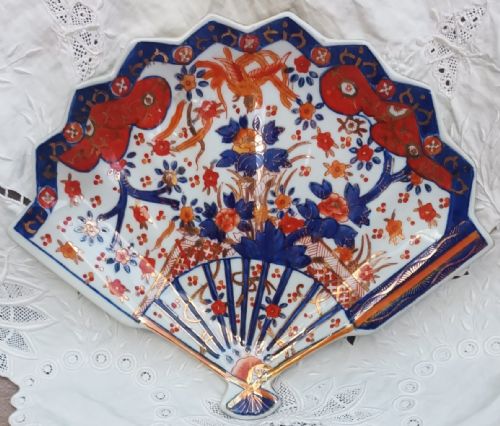
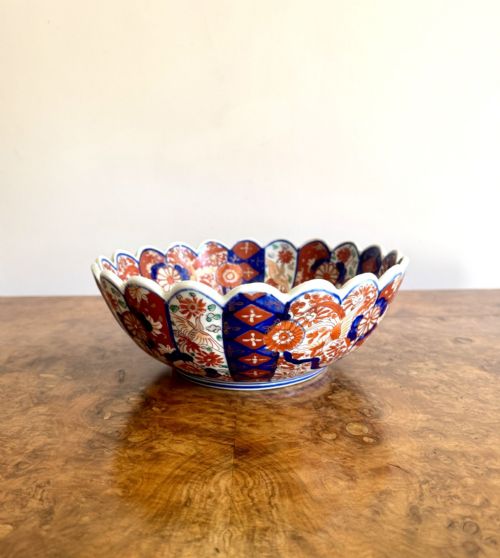
A vintage japanese porcelain bowl encompasses vessels created across multiple centuries, ranging from early Edo period items to later Meiji and Showa productions. Buyers searching this phrase most frequently encounter nineteenth century pieces, particularly Imari wares featuring characteristic scalloped or shaped edges. Alongside standard bowls, the selections span decorative dishes, plates, jardinieres, and specialised tea cups.
The historical origins of these items trace back to renowned production centres like Arita and Kyoto, where kilns produced both utilitarian vessels and elaborate decorative objects. Pieces often display specific regional characteristics, such as the robust forms of early Arita creations or the densely decorated surfaces typical of Meiji period Satsuma work. Forms vary from shallow serving dishes to large monumental jardinieres and tripod vessels.
Materials and Construction Methods
Potters utilised fine ceramic materials combined with cobalt underglaze pigments to create durable, vitrified bodies capable of holding intricate painted designs. Artisans frequently applied overlapping layers of enamel colours directly onto the fired porcelain surface, often highlighting specific motifs with gold leaf or gilding.
Specialised techniques such as moulding hexagonal and boat-shaped profiles required precise control during both the forming and kiln-firing stages. The application of detailed pictorial scenes, ranging from battle narratives to natural motifs like cranes, relied on steady brushwork executed by skilled ceramic painters.
Certain Imari plates record maritime history through their alternative name, Black Ship plates, commemorating early foreign vessels arriving in Japanese waters.
Distinguishing Factors in Quality
The refinement of the painted brushwork largely determines the tier of a piece, with superior examples exhibiting crisp outlines and deliberate control within the enamel and cobalt details. The density and precision of the gilding further separate standard production items from master-signed works executed during periods of high artistic output.
Structural complexity, such as moulded scalloped edges, fluted profiles, or unusual tripod bases, indicates higher technical ambition from the maker. The clarity of the porcelain body and the evenness of the glaze application also contribute significantly to the overall presence of the object.
Shizan·Kinkozan
The Vintage Japanese Porcelain Bowl Glossary
- Imari
- A traditional style of Japanese porcelain originating from the port of Arita, typically decorated in a palette of cobalt blue, iron red, and gold. These wares gained immense popularity in Europe during the seventeenth and eighteenth centuries.
- Satsuma
- A type of earthenware or porcelain originating from the Satsuma province, known for its crackle-glaze finish and intricate polychrome enamel designs often enhanced with heavy gilding.
- Arita
- The Japanese town recognised as the birthplace of porcelain production, where local kilns manufactured both domestic wares and export goods during the Edo period and beyond.
- Meiji Period
- The era in Japanese history spanning from 1868 to 1912, characterised by opening international trade and a surge in highly detailed decorative arts destined for export.
- Edo Period
- The period of Japanese history lasting from 1603 to 1868, defined by internal peace, strict social order, and the flourishing of distinct regional ceramic traditions.
Vintage Japanese Porcelain Bowl: Frequently Asked Questions
How do I identify an Edo period bowl?
Edo period pieces often display the heavier potting and characteristic blue and white designs associated with early Arita production.
Examining the foot ring and the unglazed clay body can also help distinguish these older items from later nineteenth-century interpretations.
What is the difference between Imari and Satsuma?
Imari wares are made from vitrified porcelain and typically feature a distinct palette of underglaze blue, iron red, and gilding. Satsuma pieces are predominantly earthenware with a characteristic network of fine crackle glaze decorated with elaborate polychrome enamel scenes.
Both styles originated in Japan but served different aesthetic functions within traditional interiors.
How should I display a large jardiniere?
Large jardinieres work well positioned on low wooden stands or directly on the floor to showcase their complex exterior patterns. Ensure they are placed away from heavy foot traffic to protect their historic glaze.
These robust vessels also serve as striking planters for indoor foliage when fitted with an appropriate liner.
Are scalloped edge bowls rare?
Scalloped edge bowls appear frequently among nineteenth-century export items, though the depth of the shaping and the crispness of the moulding vary. Pieces featuring unusual hexagonal or boat-shaped forms tend to be less common.
The presence of maker signatures or specific historical mon symbols can also influence the distinctiveness of a particular piece.