




Vintage Japanese Enamel
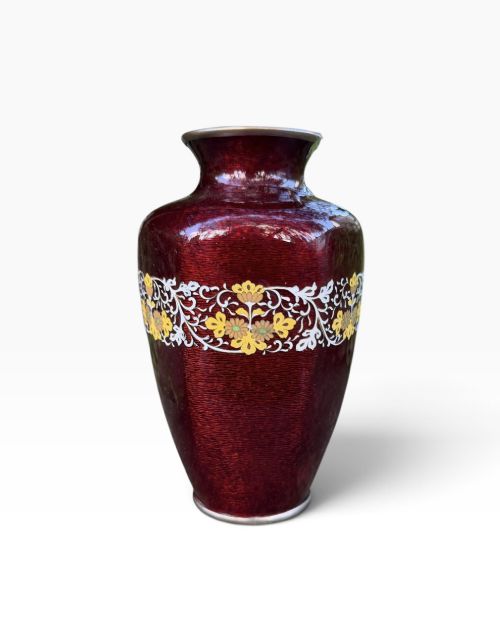
Vintage japanese enamel brings together intricate metalwork and luminous vitreous glazes from the late nineteenth and early twentieth centuries.
Vintage Japanese Enamel
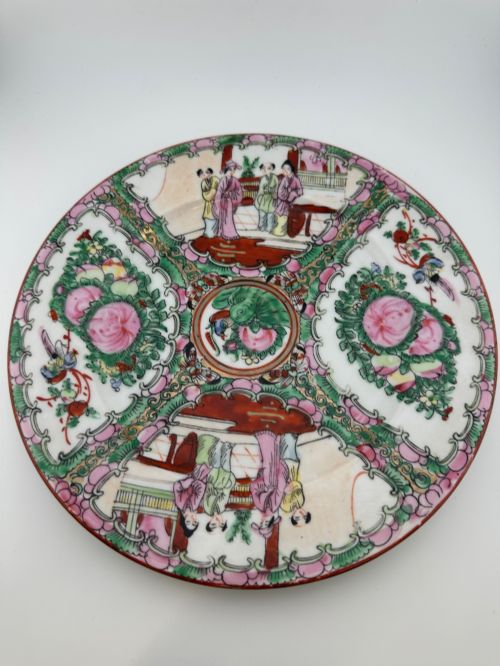
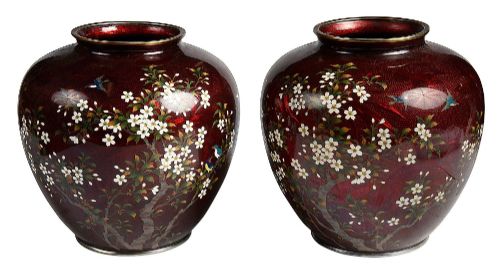
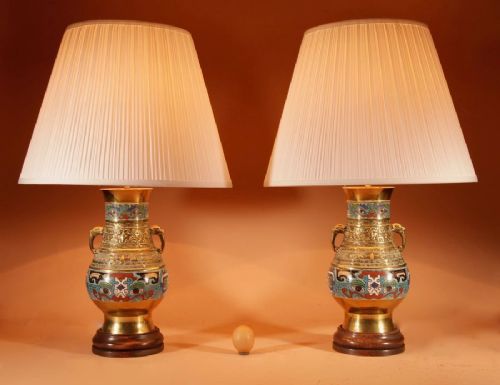
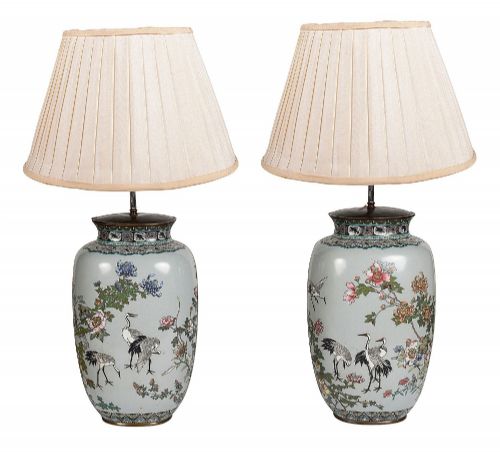
Vintage japanese enamel encompasses decorative chargers, trays, and vases originating from the Meiji, Taisho, and Edwardian periods. Makers applied vitreous pastes onto copper, bronze, and brass foundations, frequently depicting natural motifs such as birds, fish, and Mount Fuji.
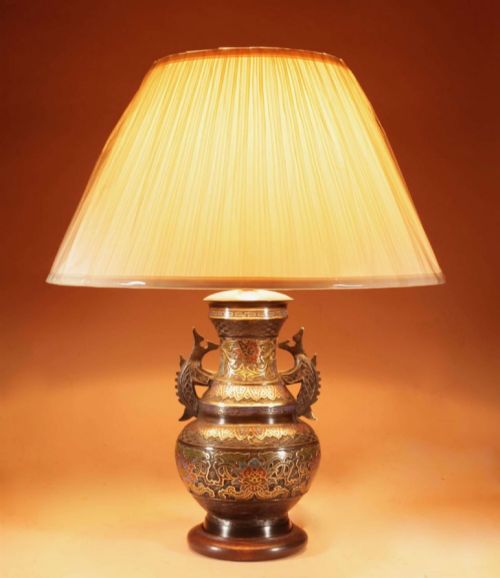
Buyers will predominantly encounter cloisonné and champlevé vessels alongside framed plaques. These items reflect traditional metalworking techniques refined across decades of skilled craftsmanship.
How they were made
Artisans formed vessels from copper, brass, or bronze, then soldered fine metal wire to outline intricate pictorial designs on the surface. These compartments were filled with coloured vitreous enamel pastes before being fired in a kiln and polished to a smooth finish.
Advanced variants like ginbari incorporated embossed or textured silver foil beneath transparent red enamel to create depth and shimmer. Champlevé methods involved carving troughs directly into bronze bases to hold the coloured vitreous pastes.
Listings feature copper and bronze foundations paired with intricate cloisonne enamel.
What varies in quality
Quality rests upon the delicacy of the wirework and the absolute uniformity of the polished surface. Finer specimens display exceptionally thin wires forming microscopic cells that demand immense precision from the artisan.
The complexity of the pictorial subject matter and the richness of the colour palette distinguish superior works. Masterpieces often feature nuanced shading, complex avian or reptilian anatomy, and fully signed bases.
Ando Jubei·Tamura Yukio·Kinkozan·Hakusan·Taniguchi
The Vintage Japanese Enamel Glossary
- Cloisonné
- A metalwork technique where thin flat wires are soldered onto a metal base to create cells filled with enamel paste. These compartments keep different coloured pastes separate during the firing process.
- Champlevé
- A method where troughs or hollows are sunken directly into a thick metal foundation and filled with enamel. The raised metal walls left behind form the outlines of the design.
- Ginbari
- A Japanese foil-enamel technique utilising embossed or textured metallic foil laid beneath translucent coloured glass enamels. This method produces a shimmering three-dimensional patterned effect.
- Charger
- A large ornamental decorative plate intended for display on a wall or stand rather than for dining. These substantial pieces frequently showcase elaborate pictorial scenes.
- Mon
- A traditional Japanese heraldic badge or crest used to identify families, clans, or governmental bodies. They appear frequently as decorative motifs within metalwork and ceramics.
Vintage Japanese Enamel: Frequently Asked Questions
How do I date these pieces?
Dating relies on stylistic shifts, metal composition, and identifying signatures or period marks on the base. Meiji period works often display extremely fine wirework and naturalistic imagery.
Later Taisho and early twentieth-century examples can introduce broader colour palettes and alternative base metals. Comparing the mounting styles and wiring thickness helps isolate the decade of manufacture.
Where were they displayed?
These decorative objects were traditionally showcased in domestic reception rooms on stands, tables, or mounted directly onto walls. Large chargers acted as focal points within an interior.
Smaller lidded jars and dishes served as tabletop containers for jewellery or keepsakes. Their vibrant vitreous surfaces brought colour and texture into period rooms.
How do I care for my enamel?
Maintenance requires gentle dusting with a soft, dry microfibre cloth to protect the polished vitreous surface and metal outlines. Avoid using chemical cleaners, abrasives, or immersion in water.
Keep pieces away from direct sunlight and dramatic temperature fluctuations to protect the underlying metal and glass paste. Proper placement preserves the integrity of the antique finish.