


Japanese Enamel Art Vase
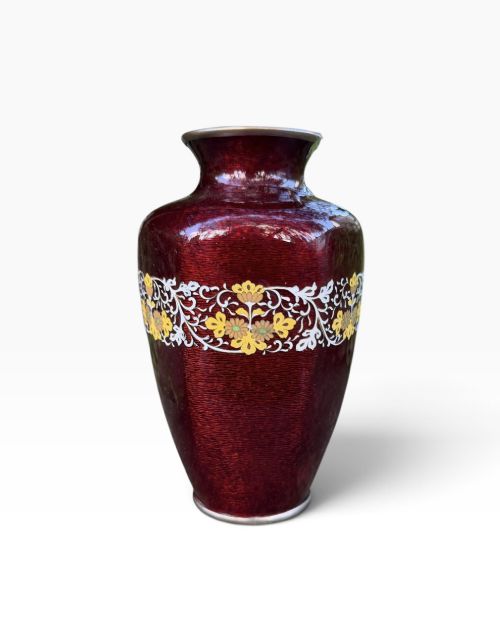
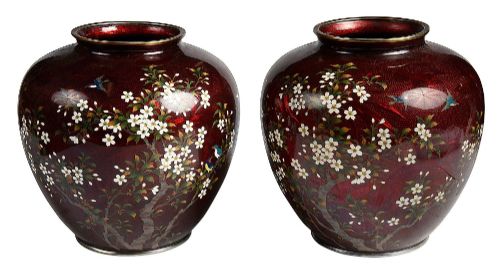
These japanese enamel art vase examples combine copper bases with intricate wiring and colourful glazes, bringing traditional craftsmanship directly to your mantelpiece.
Japanese Enamel Art Vase
When you search for a japanese enamel art vase, you are looking at vessels defined by meticulous metalwork and vitrified glass pastes. The examples available range across multiple eras, capturing distinct shifts in Japanese decorative arts.
You are most likely to meet pieces originating from the Meiji and Taisho periods. These items demonstrate traditional manufacturing methods that have survived across generations of skilled artisans.
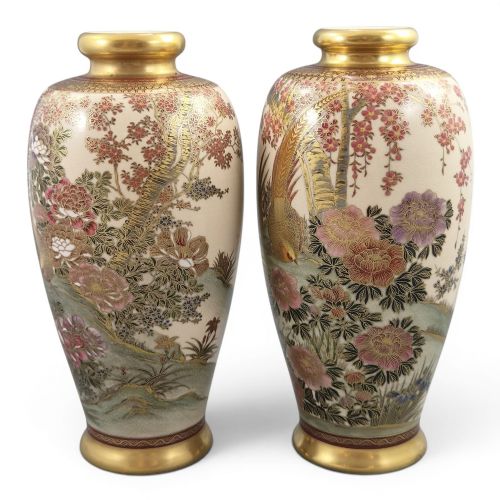
The primary forms listed are decorative vases, often featuring detailed botanical or avian motifs. These vessels showcase the versatility of enamel work applied over copper and earthenware bodies.
Materials and construction
Makers formed these vessels using copper or earthenware as the foundational body. Artisans then applied delicate silver wire to outline intricate patterns across the surface.
Coloured enamel pastes were packed into the resulting cellular compartments before firing. Techniques such as ginbari and basse-taille added textured foil backgrounds to create translucent depth beneath the red and multi-coloured glazes.
The listings span from the nineteenth century through to the Showa period, encompassing copper, silver foil, and earthenware materials.
Assessing craftsmanship
Quality in a japanese enamel art vase rests upon the precision of the wirework and the evenness of the fired glaze. Finer pieces display exceptionally thin silver wires forming complex, flawless geometric or naturalistic scenes.
The presence of distinguished maker signatures, such as Ando Jubei or Kinkozan, elevates the standing of a vessel. Superior examples also utilise advanced ground techniques like translucent enamel over textured foil to catch the light.
Manpei·Ando Jubei·Tamura Yukio·Ando·Kinkozan
The Japanese Enamel Art Vase Glossary
- Cloisonné
- A metalwork technique where thin wires are soldered to a metal body to create compartments for enamel paste. This method defines many of the detailed floral patterns seen on these vessels.
- Ginbari
- A Japanese method involving embossed foil applied beneath translucent enamel. It produces a textured, shimmering background effect.
- Basse-taille
- An enamel technique where the metal ground is carved or hammered below the surface level. Enamel applied over this relief creates varying depths of colour and light.
- Satsuma
- A type of earthenware originating from Satsuma Province. These pieces often feature crackle-glaze finishes decorated with elaborate polychrome designs and gilding.
Japanese Enamel Art Vase: Frequently Asked Questions
How do I identify a Meiji period vase?
Meiji period pieces typically date between eighteen sixty-eight and nineteen twelve. They are characterised by exceptionally meticulous craftsmanship and complex wirework.
Many of these vessels bear traditional maker marks or signatures associated with celebrated workshops of the era.
Were these vases made for export?
Many Japanese enamel and Satsuma vases produced during the late nineteenth and early twentieth centuries were destined for international markets. Western demand for traditional Japanese decorative arts drove significant production during this time.
Export pieces frequently combined traditional local motifs with forms suited to European and American interiors.
How should I clean my enamel vase?
Dust your vessel gently with a soft, dry cloth to remove surface particles. Avoid using harsh chemical cleaners, abrasive cloths or water immersion, as these can damage the delicate metal and glaze.
Keep the piece away from direct sunlight to preserve the richness of the coloured enamels and gold leaf details.