




Vintage Japanese Charger Plates
Vintage japanese charger plates bring dramatic hand-painted ceramic and metal artistry to walls and tables from the Meiji, Edo, and Taisho periods.
Vintage Japanese Charger Plates
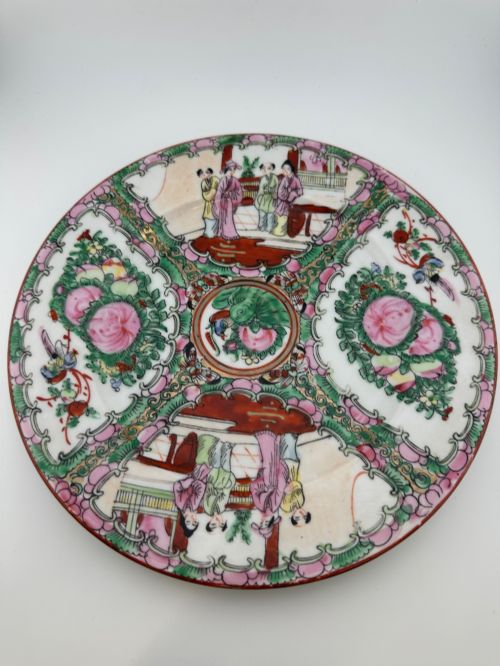
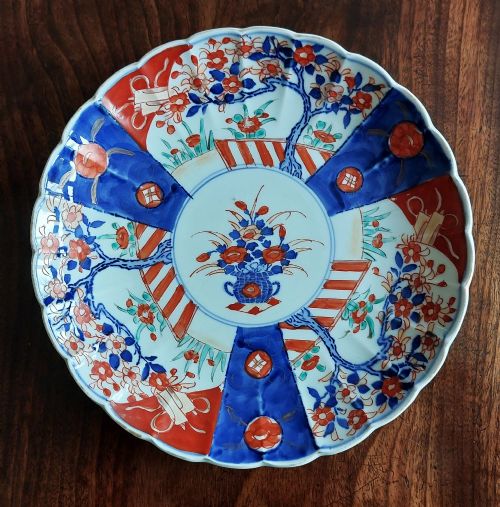
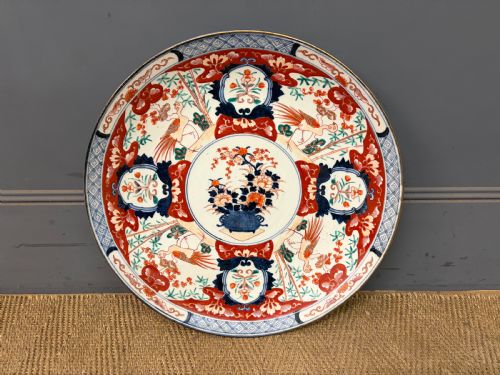
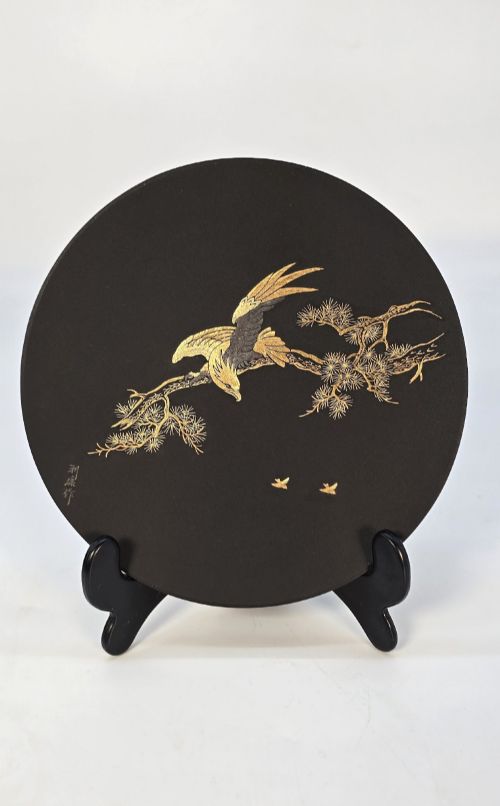
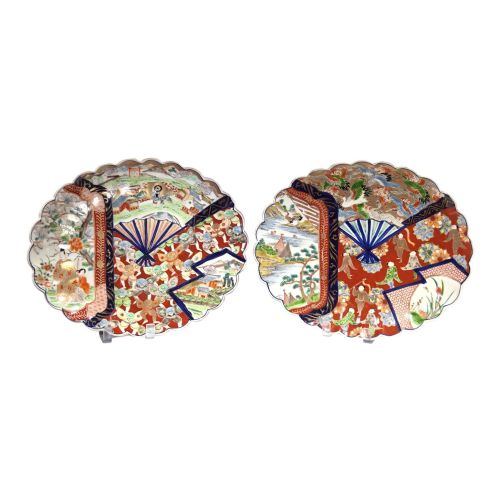
Vintage japanese charger plates include large decorative plates, dishes, and plaques made across the nineteenth and early twentieth centuries. These pieces encompass traditional Imari porcelain alongside intricate cloisonne enamel trays depicting birds, dragons, and figures.
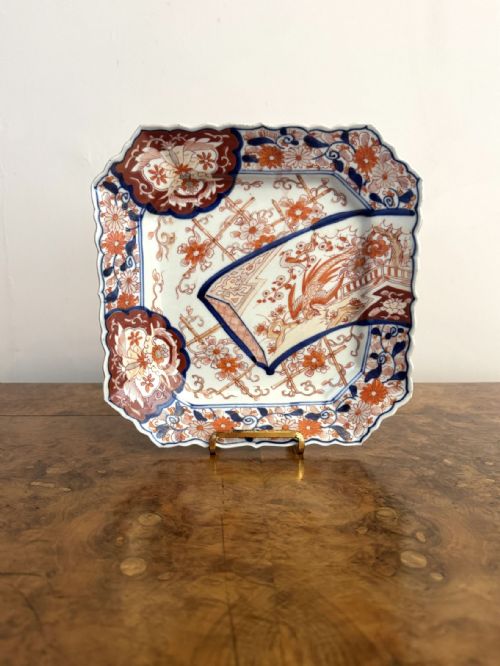
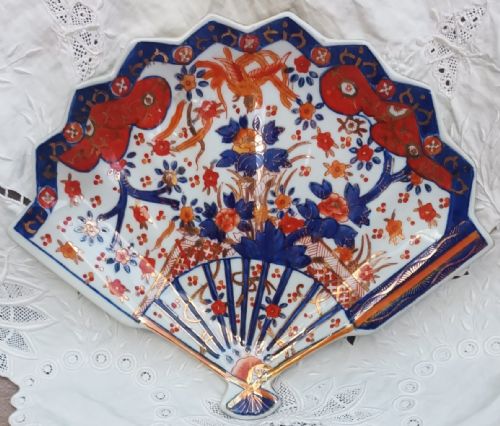
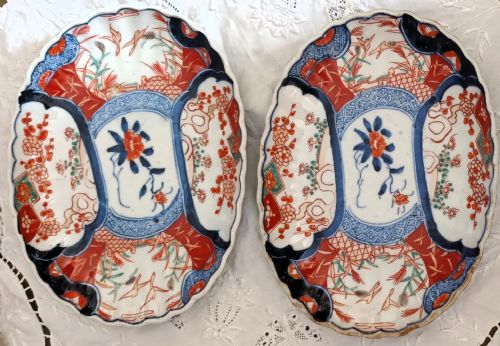
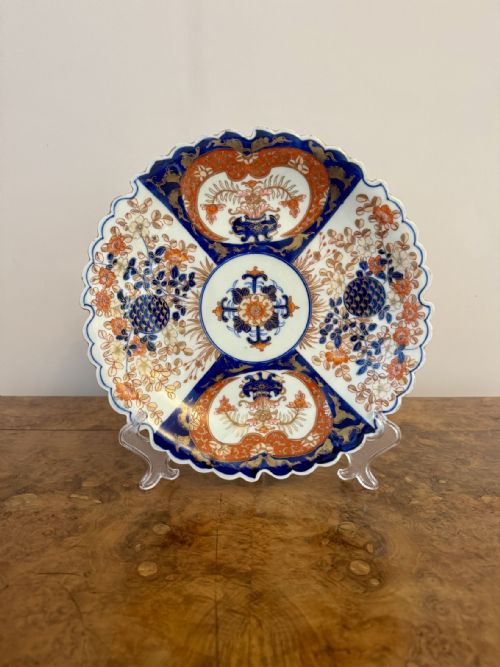
Buyers will most frequently encounter porcelain examples bearing classic Imari patterns, alongside copper and brass cloisonne pieces originating from the Meiji and Taisho periods. Forms range from traditional circular chargers to scalloped edges and square-shaped plates.
How vintage japanese charger plates were made
Makers utilised porcelain and ceramic bodies finished with detailed hand-painted glazes and gold leaf accents, particularly visible in traditional Imari and Kutani wares. Copper and brass bases served for cloisonne enamel items, where wire cells contain colourful enamel paste.
Metal plaques incorporated patinated iron surfaces combined with gold and silver inlay work. Kiln firing fixed the ceramic glazes and vitrified the cloisonne enamels before final polishing.
Listings feature porcelain, enamel, copper, brass, and gold leaf across the Meiji and Taisho periods.
What varies in quality in vintage japanese charger plates
Quality rests upon the precision of the hand painting, the complexity of the subject matter, and the crispness of any cloisonne wirework. Finer examples display meticulous detail in depictions of flora, fauna, and traditional figures like the Seven Lucky Gods.
The choice of materials and depth of glaze application also distinguish finer decorative plates from standard production. Imari pieces with rich cobalt blue and iron red alongside gold leaf sit at a higher tier.
Koshida
The Vintage Japanese Charger Plates Glossary
- Imari
- A style of Japanese porcelain decorated in underglaze blue and overglaze red, green, and gold. This tradition originated in Arita and remains prominent on large decorative charger plates.
- Cloisonne
- A technique where enamel paste is applied within compartments created by soldering flat metal wire onto a metal base. It produces detailed pictorial designs of birds, koi, and landscapes.
- Meiji Period
- The era of Japanese history lasting from 1868 to 1912, noted for significant artistic production and export of decorative arts. Pieces from this time often feature elaborate enamel work or fine porcelain.
- Charger
- A large decorative plate traditionally used for ceremonial purposes or wall display rather than everyday dining. These items provide a wide surface for complex narrative scenes.
- Kutani
- A style of Japanese porcelain known for vibrant overglaze colour palettes and pictorial designs. Items from this tradition often incorporate detailed hand painting.
Vintage Japanese Charger Plates: Frequently Asked Questions
How are charger plates displayed?
These large decorative plates were traditionally designed for ceremonial display or presentation rather than holding food. Many feature appropriate sizing or fixtures for mounting directly onto walls.
Smaller dishes and trays function well on cabinet surfaces or tabletop stands to showcase the painted surface.
What periods do these pieces span?
The available pieces primarily date from the nineteenth and early twentieth centuries, encompassing the Edo, Meiji, and Taisho periods. Earlier examples from the eighteenth century also appear occasionally.
Stylistic shifts reflect changing manufacturing techniques and export markets across these historical eras.
What materials are used in cloisonne plates?
Cloisonne pieces generally utilise a copper or brass base shaped into a tray, plate, or charger. Fine metal wires are soldered onto this surface to outline the pictorial composition.
Coloured enamel paste fills the resulting cells before the piece undergoes firing and polishing.
What are Imari plates?
Imari refers to Japanese porcelain produced in the Arita area and exported through the port of Imari. They are easily recognised by their distinctive palette of underglaze blue, iron red, and gold leaf.
Designs frequently incorporate floral motifs, landscapes, and traditional figures.