


Vintage Jam Pot
A vintage jam pot brings functional warmth to the table, taking the form of heavy copper pans, cut glass jars with silver mounts, and ceramic vessels.
Vintage Jam Pot
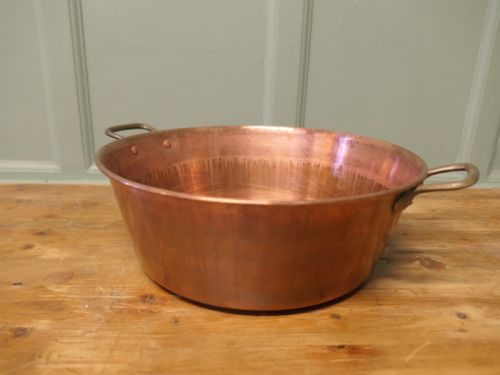
A vintage jam pot encompasses a broad range of domestic vessels, from large 19th century copper preserving pans and cauldrons designed for the kitchen to delicate table accessories like cut glass condiment jars and silver-plated preserve dishes.
Buyers will frequently encounter heavy copper and brass cookware originating from the Georgian and Victorian eras, alongside Edwardian and Art Deco silver-mounted glass pots intended for serving.
The selection bridges utilitarian kitchenware and refined tableware, spanning periods from the mid-eighteenth century through to the twentieth century.
Materials and Construction Techniques
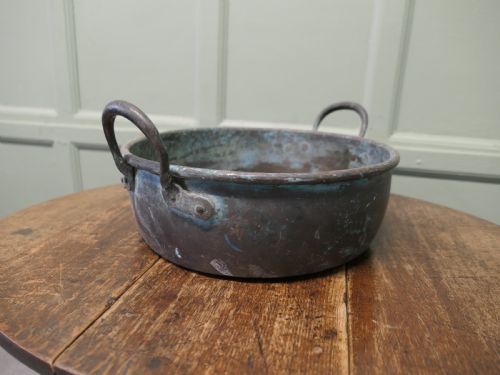
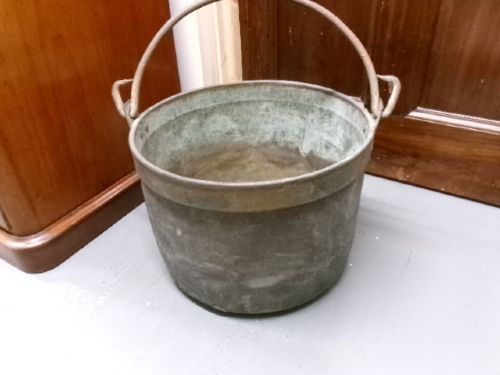
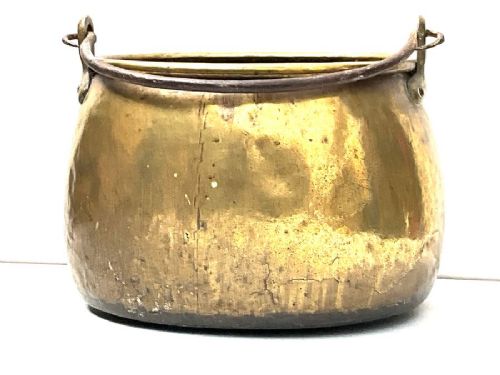
The kitchen vessels rely heavily on hammered or riveted copper and brass, often featuring forged iron swing handles and sturdy double-handled designs built for heavy domestic use.
Table pieces combine lead crystal and cut glass with sterling silver, silver plate, or silver gilt mounts, utilising specialised techniques such as hand-painting on pottery and intricate glass cutting to achieve their decorative finishes.
Listings span from George III copper saucepans to 1930s Art Deco glass pots.
Distinctions in Quality
Quality rests upon the weight of the metal, the clarity and depth of the cut glass, and the crispness of maker stamps or hallmarks.
Substantial gauge copper with hand-forged iron work commands attention alongside finely detailed silver metalwork and named maker pieces, separating standard utilitarian items from exceptional examples.
Hukin and Heath·Hodges and Sons·Asprey and Co.·Plichta Pottery·Walker and Hall·Liptons·James Kent Old Foley
The Vintage Jam Pot Glossary
- Preserve pan
- A wide, shallow metal vessel designed for boiling fruit and sugar, typically fashioned from heavy copper with handles for lifting.
- Cut glass
- Glassware decorated by grinding facets or patterns into the surface, creating light refraction seen on condiment jars and butter dishes.
- Silver plate
- A base metal coated with a thin layer of silver, commonly used for Edwardian and Art Deco jam pot frames and spoons.
- Lead crystal
- A heavy, clear glass containing metallic oxide that enhances brilliance and allows for deep decorative cutting.
Vintage Jam Pot: Frequently Asked Questions
What is a vintage jam pot used for?
These vessels serve both functional and decorative purposes, ranging from large metal pans originally used for boiling fruit preserves to glass and silver jars designed for serving spreads at the table.
Today, smaller table pots hold preserves, honey, or condiments, while larger copper and brass pans find use as hearth displays or decorative kitchenware.
How do I care for copper jam pans?
Copper pieces require gentle cleaning with appropriate metal polishes to maintain their metallic sheen, though many owners prefer to retain a natural aged patina.
Avoid abrasive scrubbers that might scratch the surface or damage riveted joints on older cookware.
How can I tell Georgian copper from Victorian copper?
Georgian and early 19th-century pieces often display hand-beaten construction marks, thick rolled rims, and distinctive wrought iron attachments characteristic of earlier smithing traditions.
Later Victorian items frequently show more standardised manufacturing methods while retaining heavy-gauge copper construction and robust handles.
Are silver-plated preserve pots safe for food?
Silver plate and sterling silver pots with glass inserts are generally suitable for serving condiments and preserves during meals.
Glass liners protect the metal from direct contact with acidic fruit preserves, ensuring the materials remain preserved during everyday use.
What is the difference between a preserve pot and a honey jar?
Preserve pots generally feature wide openings and often accompany fitted lids or specialised spoons for portioning thick fruit jams and jellies.
Honey jars frequently incorporate specific design elements like cut glass bodies and stands, sometimes paired with notches or lids suited for honey dippers.