

Vintage Silver Plate Dish
A vintage silver plate dish brings functional elegance to the table, spanning the ornate styles of the Victorian era through to the clean lines of Art Deco.
Vintage Silver Plate Dish
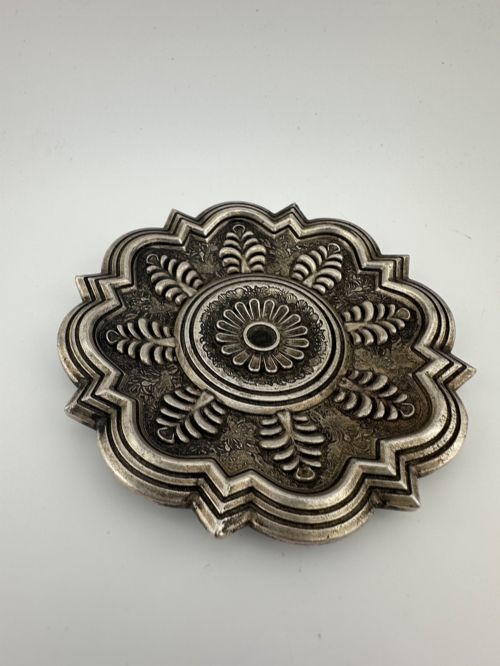
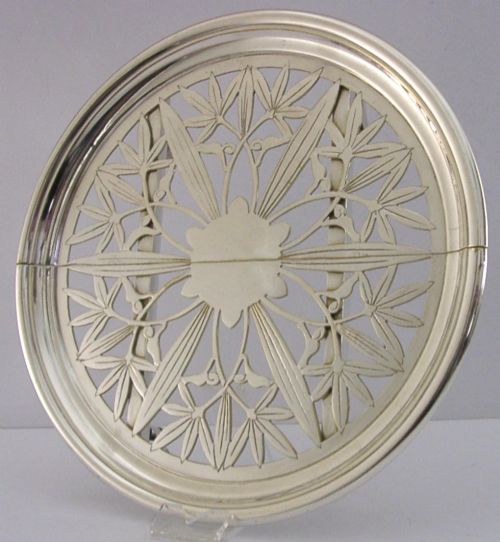
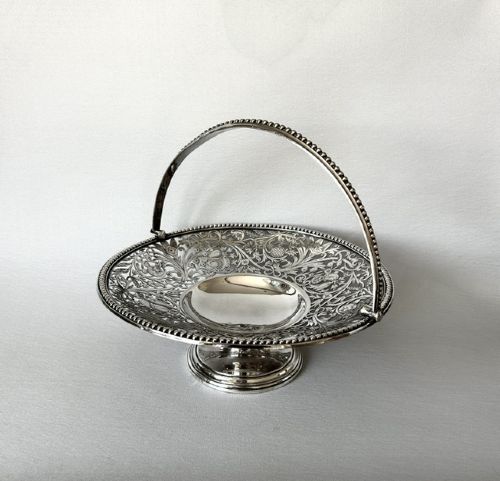
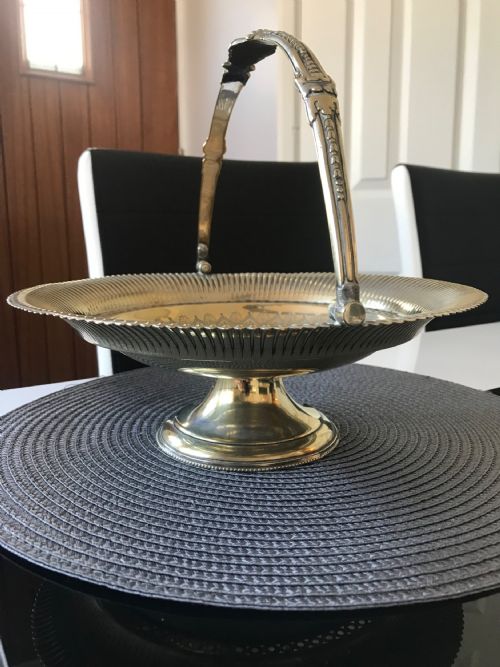
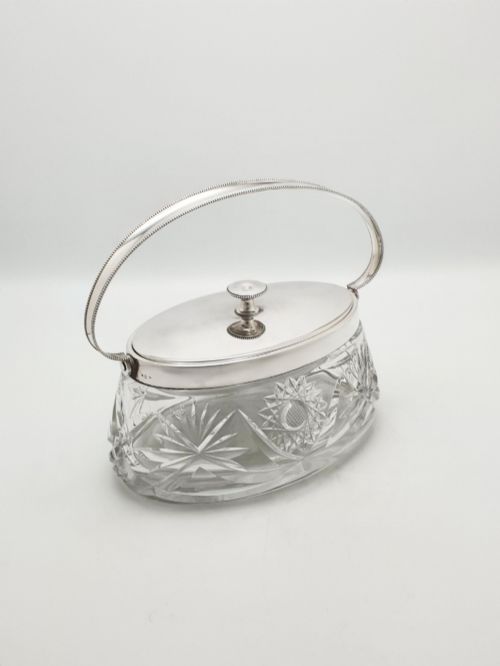
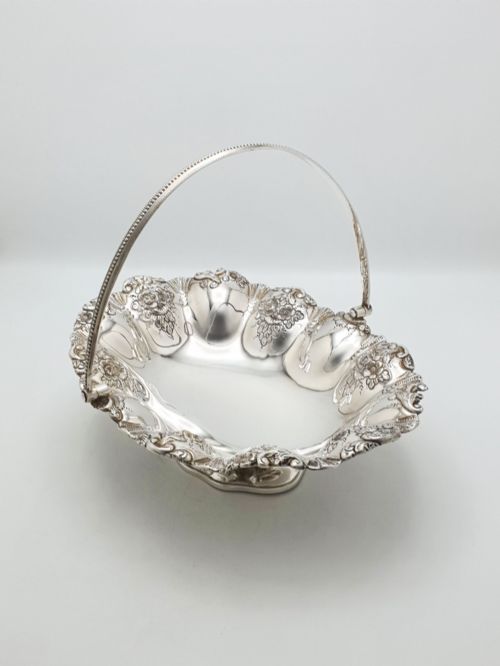
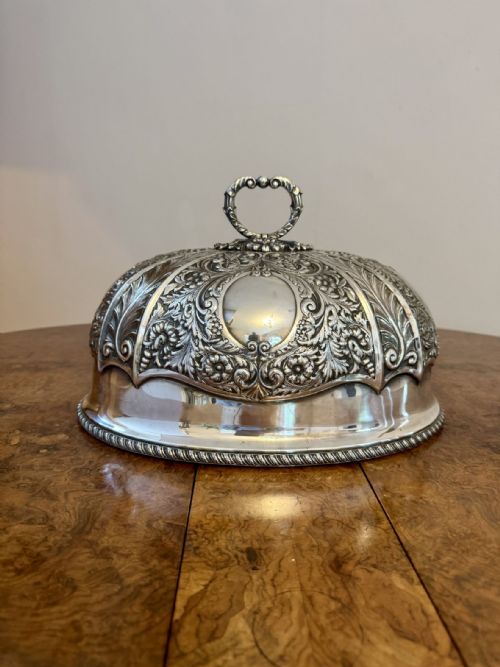
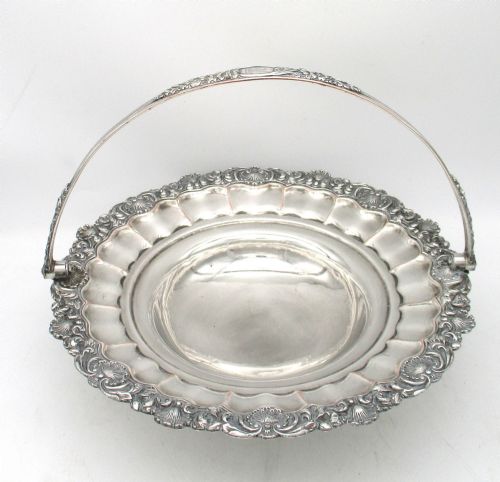
A vintage silver plate dish encompasses a wide variety of serveware, decorative bowls, baskets, and entree dishes used for dining and display. These items date from the nineteenth century through the mid-twentieth century, capturing shifts in design from Victorian floral repoussé to Edwardian refinement and Art Deco geometry.
Originating largely from British makers and European workshops, these pieces served the formal dining requirements of past households. Today, they function as practical table accessories or decorative centrepieces that retain the lustre of traditional silver plating.
How they were made
Many items utilise electroplated nickel silver or standard silver plate over a base metal foundation, a technique that grew widespread during the nineteenth century. Earlier examples employ Old Sheffield Plate, fusing a thin sheet of silver to a copper core.
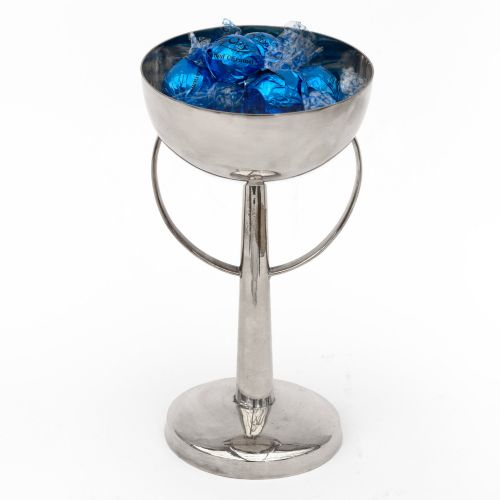
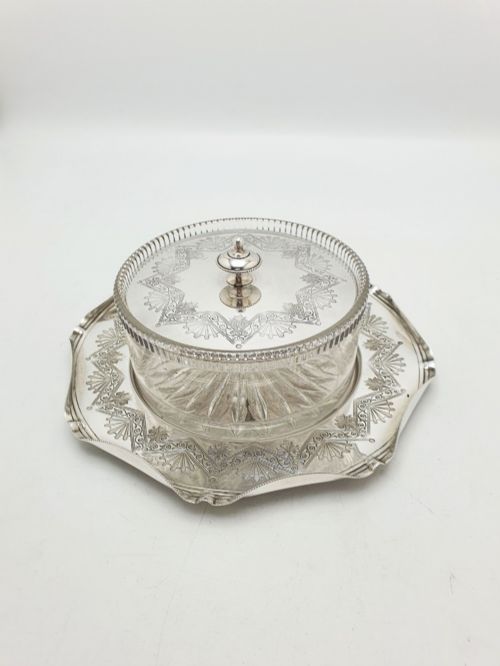
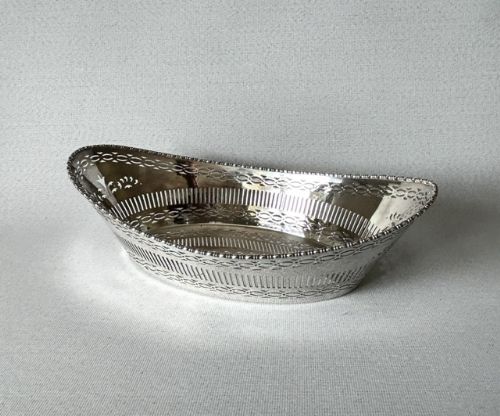
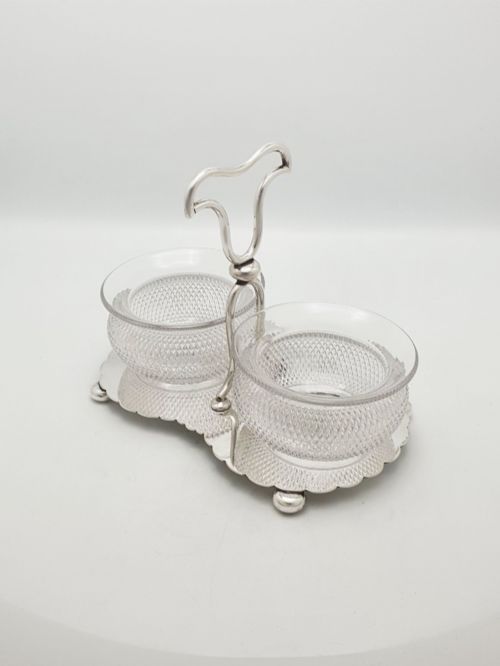
The manufacturing process frequently combined metalwork with other materials such as cut glass, cobalt glass liners, oak, and ceramic inserts. Artisans applied decorative techniques including piercing, repoussé borders, and engraved crests to finish the surface.
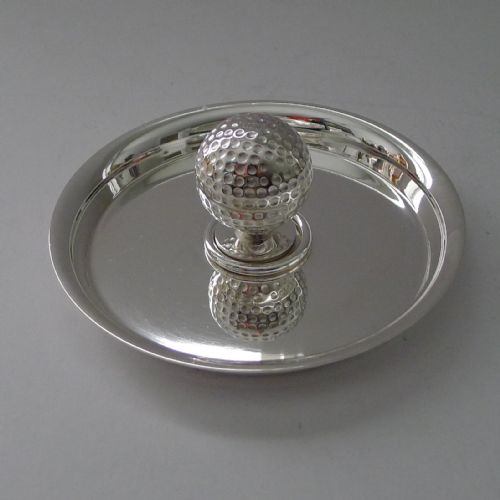
Listings feature items spanning from the 1830s Old Sheffield Plate pieces to 1960s French novelty dishes and modernist forms.
What varies in quality
Quality rests in the weight of the metal, the crispness of chased or repoussé ornament, and the integrity of the underlying structure. Substantial weight and balanced proportions distinguish finer production from lighter utilitarian items.
The retention of the original silver layer and the clarity of maker marks or crests indicate the level of care and original manufacturing standard. Pieces retaining fitted glass liners or original wooden components demonstrate greater completeness.
Roberts Cadman·Mappin and Webb·WMF·Elkington·Henry Wilkinson·Creswick·Christofle·Hermes Paris
The Vintage Silver Plate Dish Glossary
- Silver Plate
- A base metal, often copper or nickel silver, coated with a thin layer of pure silver. This technique allowed manufacturers to produce domestic wares that resembled solid silver at a lower cost.
- Old Sheffield Plate
- An early method of fusing silver to a thick copper ingot before rolling them into sheets. This process creates a distinctive appearance where the underlying copper occasionally shows through subtle wear at the edges.
- EPNS
- An abbreviation for electroplated nickel silver, designating a hardwearing alloy base coated with silver through an electrolytic process. It became the standard industrial method for producing durable tableware from the mid-nineteenth century onward.
- Repoussé
- A metalworking technique where the artisan hammers the design from the reverse side to form a raised pattern in relief. This method produced the elaborate floral and scroll borders seen on many serving dishes and baskets.
- Entree Dish
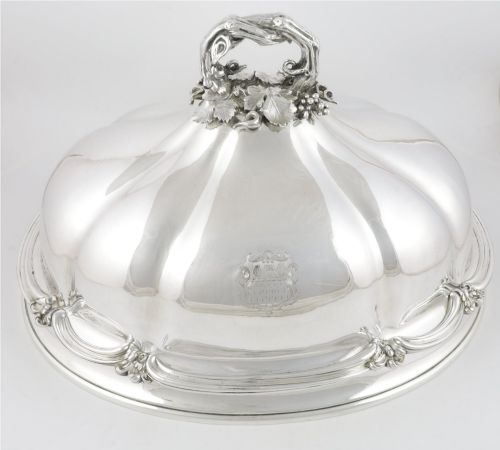
- A covered serving vessel designed to keep food warm at the table. These items typically comprise a base, a liner, and a domed lid, often fitted with a removable handle.
Vintage Silver Plate Dish: Frequently Asked Questions
How do I clean a vintage silver plate dish?
Wash the item gently in warm water with a mild, non-abrasive detergent and dry it immediately with a soft cloth. Avoid harsh chemical dips that strip the remaining silver layer and damage underlying base metals.
For pieces with integrated glass liners or wooden elements, remove those components before cleaning. Store the dish in a dry environment to slow down natural tarnishing.
What is Old Sheffield Plate?
Old Sheffield Plate is an early form of plating created by melting a sheet of silver onto a copper block and rolling them together. This technique predates modern electroplating and produces a warm tone.
Items made this way often reveal faint traces of copper along high-wear edges, which collectors value as proof of authenticity and age.
Can I use these dishes for food daily?
Many of these vessels remain entirely suitable for serving dry foods, bread, fruit, or confectionery during meals. Care should be taken with acidic foods that might react with older metallic surfaces.
Dishes featuring delicate glass liners or pierced designs function well for presentation, though hand washing is necessary to preserve the finish.
How do I date a silver plate dish?
Dating relies on identifying maker marks, registry numbers, and stylistic markers associated with periods like the Victorian, Edwardian, or Art Deco eras. Design motifs such as heavy floral repoussé suggest the nineteenth century.
Cleaner geometric lines and streamlined handles typically point towards early twentieth-century manufacturing or later mid-century production.