


Vintage Jam Pan
A vintage jam pan brings solid metal weight and hearth character straight into a modern kitchen, ready for use or display.
Vintage Jam Pan
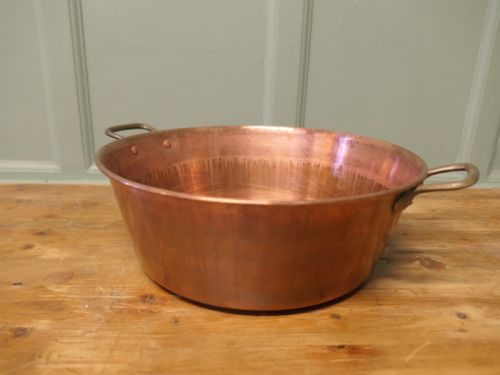
A vintage jam pan is a heavy kitchenware item designed for boiling fruit and sugar over an open fire or stove. These pieces appear mainly in 19th-century styles, with George III and Victorian examples forming the bulk of the selection on this page.
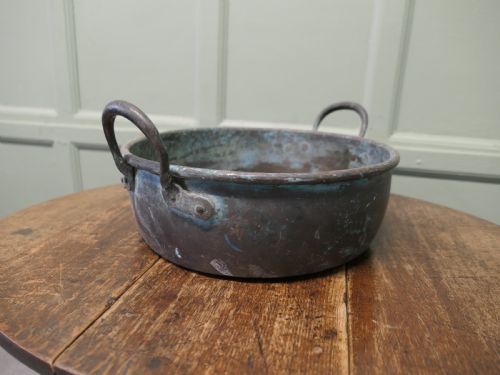
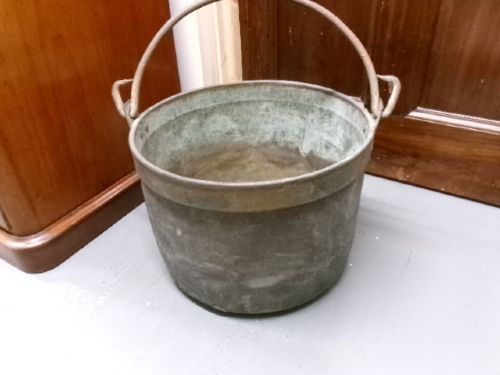
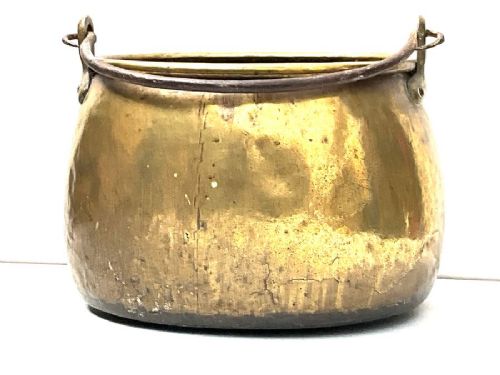
Forms range from large double-handled preserving pans and cauldrons to heavy saucepans and cream setting vessels. Most examples serve as functional cookware or hearth accessories with deep, rounded bases intended for efficient heat distribution.
How they were made
Makers shaped these vessels primarily from heavy copper and brass, often combining them with iron or wrought iron handles. Rivets secure the handles firmly to the body, showing the robust construction required for heavy kitchen tasks.
The metal surfaces display hand-beaten textures and casting marks from the 18th, 19th, and early 20th centuries. These traditional manufacturing methods left individual tool traces on each piece.
Listings feature copper, brass, iron, tin, and wrought iron across 18th, 19th, and early 20th-century periods.
What varies in quality
Thickness of the metal plate dictates the substantive quality of a preserving pan, separating heavy utilitarian vessels from lighter decorative items. Substantial wall thickness ensures the pan retains heat evenly without warping under intense stove heat.
The integrity of handle attachments and riveted joints distinguishes superior examples. Original wrought iron or brass swing handles fixed securely with clean rivets indicate a vessel built for serious domestic work rather than superficial display.
Hodges and Sons·Liptons
The Vintage Jam Pan Glossary
- Preserving pan
- A wide, open vessel designed for boiling high-sugar fruit mixtures. These pans feature shallow sides to allow steam to escape quickly.
- Swing handle
- An articulated handle fixed to opposite sides of a pan or cauldron, allowing the vessel to hang over a hearth or swing down flat.
- Cream setting pan
- A wide, shallow container used in dairies to let cream rise to the surface of milk before skimming.
- Cauldron
- A large metal pot with a rounded base and handles, traditionally used for cooking over an open fire.
Vintage Jam Pan: Frequently Asked Questions
Can I still cook with a vintage jam pan?
Many of these metal vessels remain structurally sound and suitable for heating food on modern hobs. Buyers should check the interior surface condition before preparing food.
Traditional copper and brass conduct heat efficiently, making them practical for boiling jams or sauces just as they were intended centuries ago.
How do I clean a copper jam pan?
Regular maintenance involves washing with warm soapy water and drying thoroughly to prevent water spots. Avoid harsh scouring pads that scratch the metal.
Specialist metal cleaners restore the bright metallic finish if a polished appearance is preferred over a natural aged patina.
Are brass pans different from copper ones?
Brass pans contain an alloy of copper and zinc, resulting in a golden colour and slightly different weight distribution. Copper pans display a distinct reddish-brown tone and typically offer superior thermal conductivity.
Both materials were common in 19th-century kitchens, chosen for specific cooking and preserving tasks.
How do I style a jam pan at home?
These large vessels suit placement beside a fireplace as hearth accessories or positioned on kitchen shelves to hold dry goods. Their substantial size makes them effective focal points for rustic displays.
Some collectors use them as planters or log holders when retired from active kitchen duty.