


Antique Cooking Pot
An antique cooking pot brings centuries of hearth history into a modern interior, offering solid metal craftsmanship and enduring utility.
Antique Cooking Pot
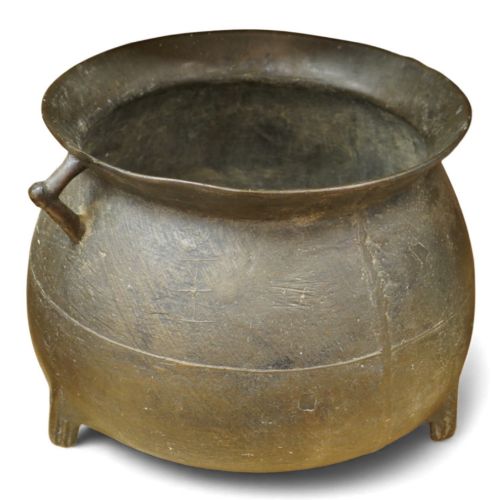
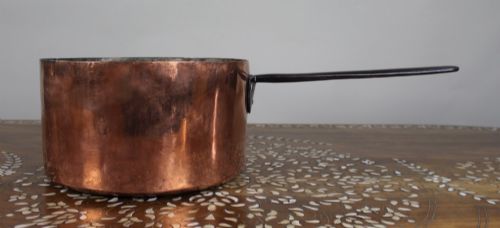
When you search for an antique cooking pot, you encounter heavy kitchen and fireside metalware spanning the seventeenth century through to the Victorian era. The selection centres heavily on copper saucepans, brass preserving pans, and sturdy bronze cauldrons from English, French, and Continental workshops.
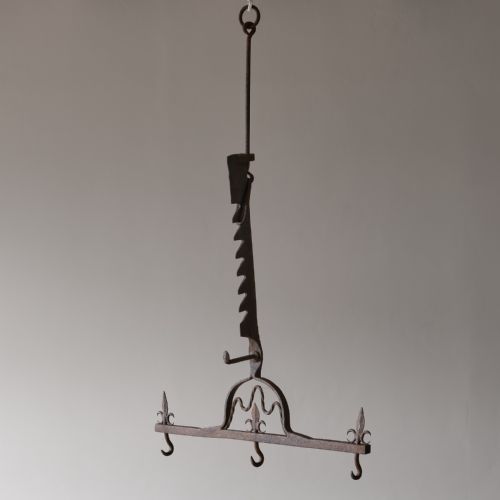
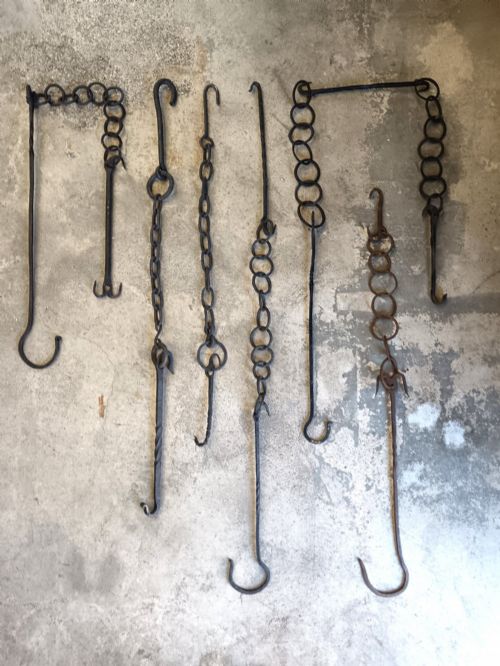
Most items you meet here date from the eighteenth and nineteenth centuries, appearing alongside earlier seventeenth-century examples in leaded bronze and iron. Alongside standalone vessels, you find related hearth accessories such as wrought iron trammels, chimney jacks, and skillet pots designed for open-fire cooking.
How they were made
Makers utilised heavy-gauge copper, cast brass, bronze, and hand-forged wrought iron to withstand direct flame and intense hearth heat. Copper vessels often feature riveted construction and dovetailed bases, while early cauldrons and skillets display the distinct textures of sand-casting and leaded bronze alloys.
Surface finishes result from natural use and age, showing hand-beaten hammering marks on copper pans and original dark patination on iron trammels and pots. Swing handles in brass and iron are secured with integrated mounting lugs, reflecting practical kitchen utility rather than decorative art.
Some seventeenth-century bronze cauldrons retain the distinct soot of English hearths from the reign of Charles the First.
What varies in quality
The distinction between ordinary utility items and superior pieces rests on wall thickness, material weight, and maker attribution. Heavy-gauge metalwork with substantial handles and original lids commands greater attention than thinner, utilitarian vessels.
Proportion and form dictate the desirability of a piece, with well-balanced Georgian copper saucepans and early continental cauldrons representing the peak of domestic metalwork. Maker stamps, such as those by Hodges and Sons or Liptons, elevate specific copper vessels above unmarked kitchenware.
Hodges and Sons·Liptons
The Antique Cooking Pot Glossary
- Cauldron
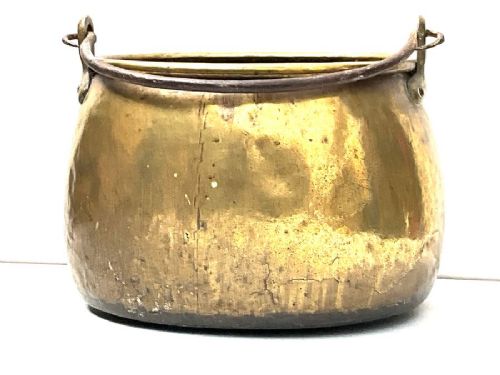
- A large round pot with a swing handle, traditionally used for cooking over an open fire. These heavy vessels often stand on small feet or rounded bases.
- Posnet
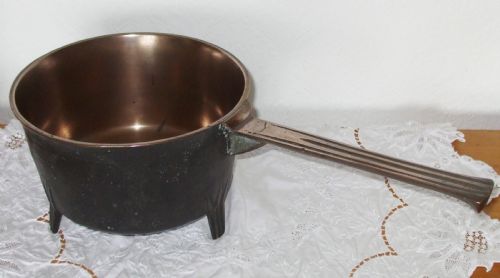
- A small metal cooking pot or skillet equipped with three legs and a single long handle. They date primarily to the seventeenth and eighteenth centuries.
- Trammel
- An adjustable iron hook used in chimney hearths to suspend pots at varying heights over the fire. They are frequently hand-forged with notched ratchet bars.
- Daubiere
- A specialised deep cooking pot designed for slow braising of meats and stews. These French vessels usually feature tight-fitting lids to retain moisture.
- Jam Pan
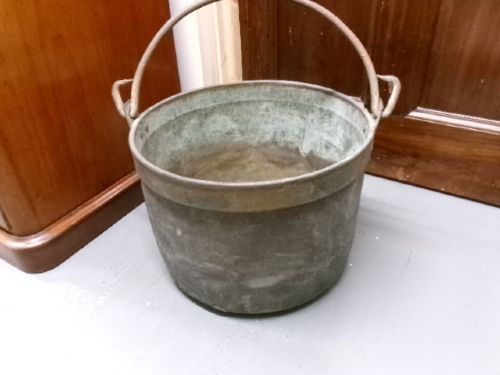
- A wide, open preserving pan typically made from brass or copper with a swing handle. Their shallow shape allowed fruit preserves and jams to evaporate evenly.
Antique Cooking Pot: Frequently Asked Questions
Can I still cook with an antique copper pot?
While these vessels were originally made for kitchen use, modern deployment depends on the interior lining. Many historical copper pots lack safe tin linings and are better suited for display.
If you intend to use them on a modern hob, consult a specialist restorer to check the metal integrity and apply a food-safe lining.
How do I clean tarnished copper and brass?
Traditional metalwares develop a dark oxide layer over decades of exposure to air and heat. Gentle cleaning with appropriate non-abrasive metal polishes removes active corrosion while preserving the underlying metal.
Avoid harsh scouring pads that destroy hand-hammered textures and strip away the desirable historical patina built up over centuries.
What is the difference between a cauldron and a saucepan?
Cauldron pots are rounded, heavy-walled vessels designed to hang over open hearths or sit directly in embers, frequently featuring three small feet or a swing handle. They date from the seventeenth and eighteenth centuries.
Saucepans have flat bases and side handles designed for use on stove rings or trivets, becoming the dominant kitchen form during the Georgian and Victorian eras.
How do I date an old metal pot?
Dating relies on manufacturing techniques, handle attachments, and alloy composition. Hand-forging, early sand-casting, and riveted joints point towards seventeenth and eighteenth-century origins.
Standardised stamping, heavier brass gauge, and machine-rolled edges typically indicate later Victorian production periods.