




Antique Brass Cauldron
These heavy metal vessels, gathered under the name antique brass cauldron, bring centuries of hearth utility and decorative presence into modern homes.
Antique Brass Cauldron
When you search for an antique brass cauldron, you enter a diverse group of heavy metal vessels originally forged for practical kitchen tasks, fireside maintenance, or domestic storage. The pieces meeting this description span several centuries, reaching back to seventeenth-century continental workshops and moving through Georgian and Victorian domestic spaces.
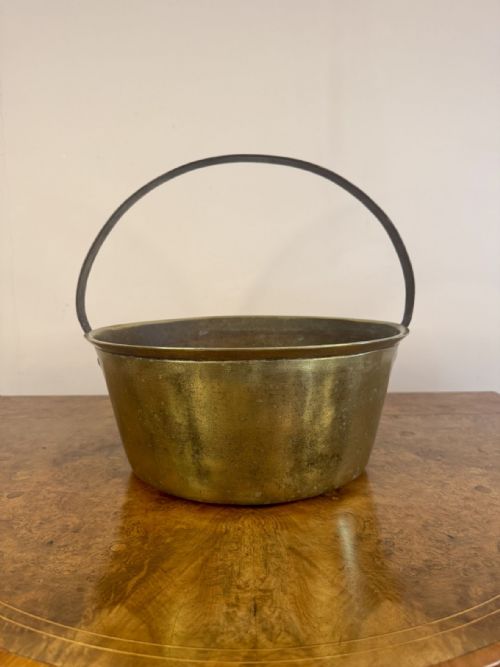
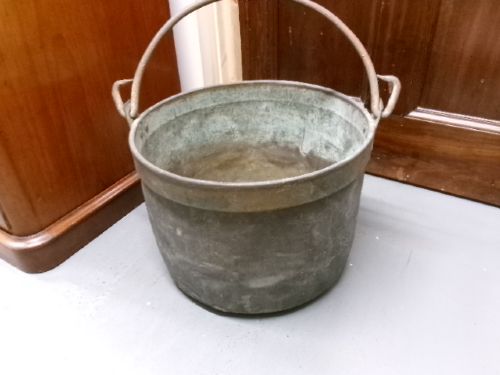
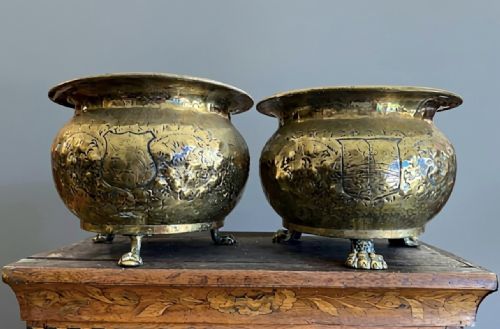
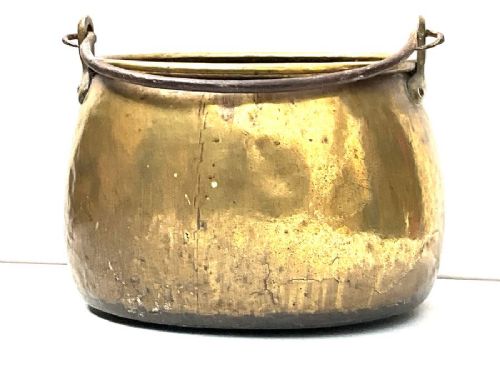
The selection ranges from large cooking pots and preserve warmers to fireside log bins, coal buckets, and decorative jardinieres. You are most likely to encounter nineteenth-century Victorian examples, often featuring swing handles and riveted construction, alongside substantial Georgian and Arts and Crafts iterations.
Beyond traditional kitchenware, many items double as planters or coal scuttles, repurposed over time to suit contemporary interior display. Their enduring appeal lies in the weight of the metal and the visible marks of early manufacturing techniques.
How they were made
The construction of these vessels relies primarily on brass, copper, and bronze, often paired with iron for handles, rims, or structural reinforcement. Early makers hammered sheets of metal into shape, securing overlapping seams with sturdy rivets before attaching swing handles or fixed grips.
Foundry techniques also played a major role, particularly in heavy cast bronze and brass pans produced during the seventeenth and eighteenth centuries. Metalworkers utilised sand casting and subsequent hand-finishing to create thick-walled vessels capable of withstanding intense hearth heat.
Decoration was typically functional or straightforward, involving embossed patterns, hammered surface textures, or turned rims. Makers focused on structural integrity, ensuring each pan or bucket could support heavy loads of coal, water, or preserves.
Antique Brass Cauldron Retail Price Guide 2026
Typical asking prices for brass cauldron among the pieces listed under this phrase on Sellingantiques today, from the lower quarter to the upper quarter. They describe what is for sale here now, not the wider market.
Several pieces come equipped with sturdy swing handles designed for hauling boiling jams or heavy coal across uneven stone floors.
What varies in quality
Quality in these heavy metal vessels rests upon the thickness of the metal and the integrity of the original construction. Superior examples display substantial weight, even wall thickness, and expert hand-riveting that secures handles and seams without weakness.
The degree of surface preservation and honest wear also dictates distinction, separating mass-produced utilitarian items from finer workshop pieces. Well-balanced proportions, clean casting marks, and original iron or brass mounts elevate a piece above standard domestic utilitarian ware.
Henry Loveridge
The Antique Brass Cauldron Glossary
- Cauldron
- A large metal pot with a rounded base and handles, historically used for boiling over an open fire. In later periods, the form adapted into log bins and decorative planters.
- Jardinere
- An ornamental pot or stand designed to hold growing plants or floral arrangements. These metal vessels often feature embossed or hammered exterior decoration.
- Dinanderie
- A medieval and revival term for objects made of beaten brass, copper, or bronze, particularly associated with Belgian and French metalworking traditions. Such items often display rich surface textures and patination.
- Jam Pan
- A wide, shallow metal vessel used historically for boiling fruit and sugar over a heat source. They are typically fashioned from heavy copper or brass with flat or slightly curved bases.
Antique Brass Cauldron: Frequently Asked Questions
How were antique brass cauldrons used?
These vessels served primarily in domestic kitchens for heating water, cooking meals, and boiling preserves over open hearths.
Over time, many were repurposed as fireside coal buckets or decorative plant holders within Victorian and Edwardian homes.
Are these cauldrons safe for open fires?
While originally forged for hearth utility, modern use depends heavily on the specific wall thickness and structural condition of the metal.
Many collectors prefer to utilise them strictly for dry storage, log containment, or as interior planters rather than exposing them to direct flame.
How do I clean an antique brass cauldron?
Maintenance generally involves gentle dusting and occasional cleaning with a mild, non-abrasive metal cleaner if you wish to reduce oxidation.
Most collectors choose to preserve the dark, aged patina rather than polishing the metal to a bright shine.
How can I tell the age of a metal vessel?
Dating relies on examining the construction methods, such as hand-hammered panels, early rivoing styles, and the specific composition of the brass or bronze.
Stylistic cues from Georgian, Victorian, and Arts and Crafts periods also provide clear indicators of manufacturing eras.